Megargel, TX, in Archer County, was founded in 1910 along the Gulf, Texas and Western Railroad, and rail service there stopped in 1943. An oil strike nearby in 1925 lifted the population to roughly 1,200 by 1927, and the 2020 census counted 174 residents. A 2014 report called downtown nearly empty. That is a past description, not a finding about any roof today, and roofs in a town with fewer people than it once had raise a specific question: which buildings are used, and which are only standing?
A used building and an unused one need different roof plans. We begin by asking what the owner intends to do with the building in the next five years.
Triage Before Spending
Step one is to sort the building. Does it earn rent or serve a business? Is it held for sale? Will it be reused? A roof for a working shop deserves a lasting repair. A roof on a building waiting for a buyer needs enough work to stop damage and keep the building insurable, no more.
Step two is to sort the leaks. Active water entry comes first, because wet insulation and a wet deck grow worse every storm. Surface wear comes second. Cosmetic problems come last. The written report puts each finding in one of those groups, with a photograph and a rough cost driver.
The sorting also protects the budget. Money spent on cosmetic work while a leak runs is money lost. Money spent on a full replacement for a building that will not be used is also lost. The report lets the owner put the first dollar where it counts.
Stabilize an Idle Roof
A building that sits quiet collects problems no one sees. Gutters clog, drains fill with debris, a vent boot cracks and a small leak goes unreported for months. By the time a stain appears, the insulation may be wet and the deck may be soft.
We stabilize with a simple order: clear the drains, close known openings, probe for soft spots and tarp or seal anything that cannot be repaired right away. A stabilized roof buys time, and time is what a quiet building needs most. It also gives the owner a record for lenders, buyers and insurers, which is what a due diligence roof survey is built to supply.
We photograph the roof before and after, mark each repair on a sketch and date the file. If the building is sold, leased or inspected later, the owner can show that the roof was kept watertight.
Name the Layers Underneath
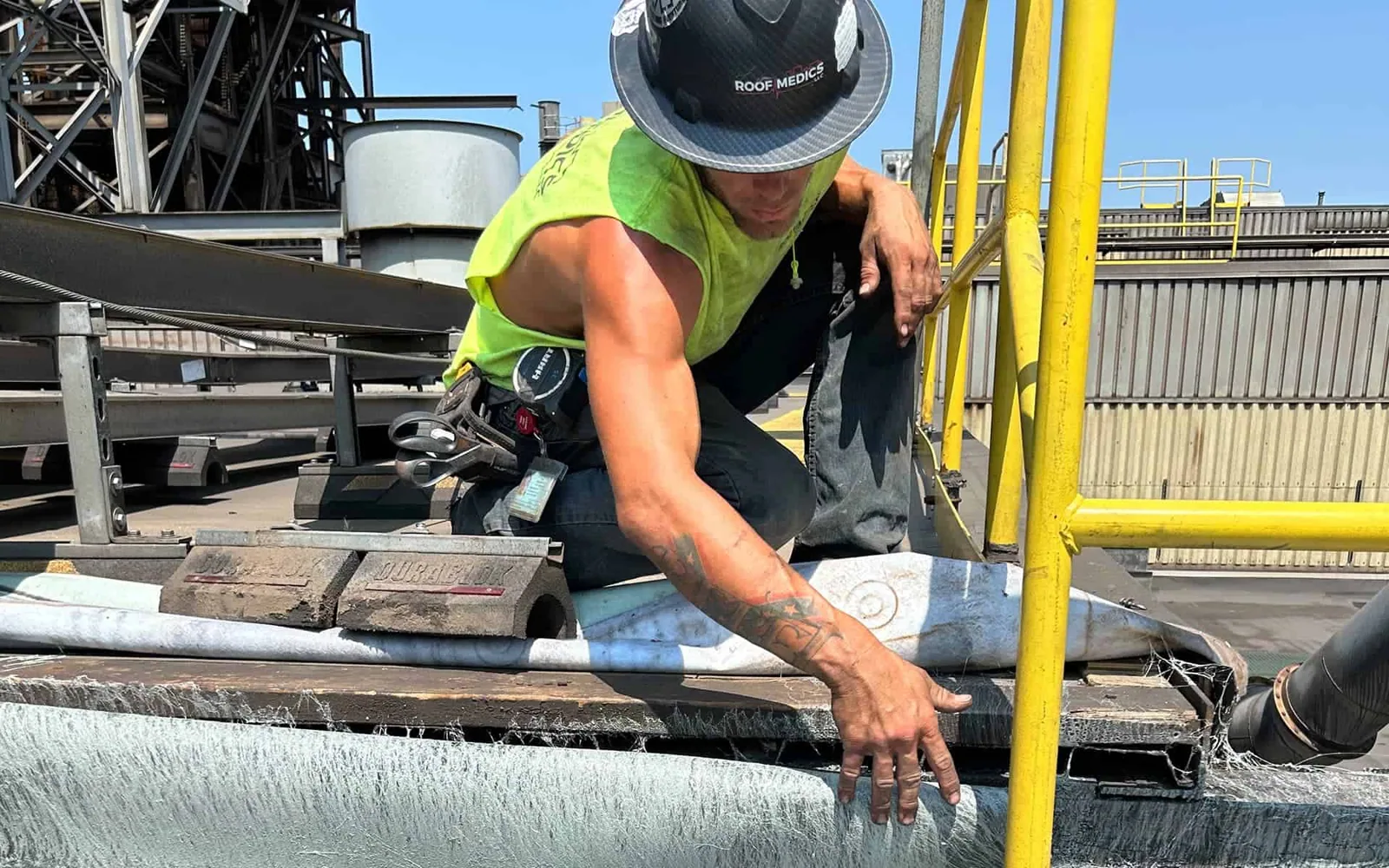
An older commercial building may carry more than one roof. A new layer can sit over an old one, and the old one can hold water. We probe and, with the owner's permission, take a small core sample. That shows the number of layers, the insulation type and whether any layer is wet.
The finding decides the scope. A dry, sound roof with two layers can often be patched or coated. A wet one cannot. Water in the layer underneath does not dry on its own, and a coating over it traps moisture against the deck. Any wet section is cut out and replaced before anything goes on top. An infrared moisture survey maps the wet areas without cutting the roof.
Keep Water Moving Off the Roof
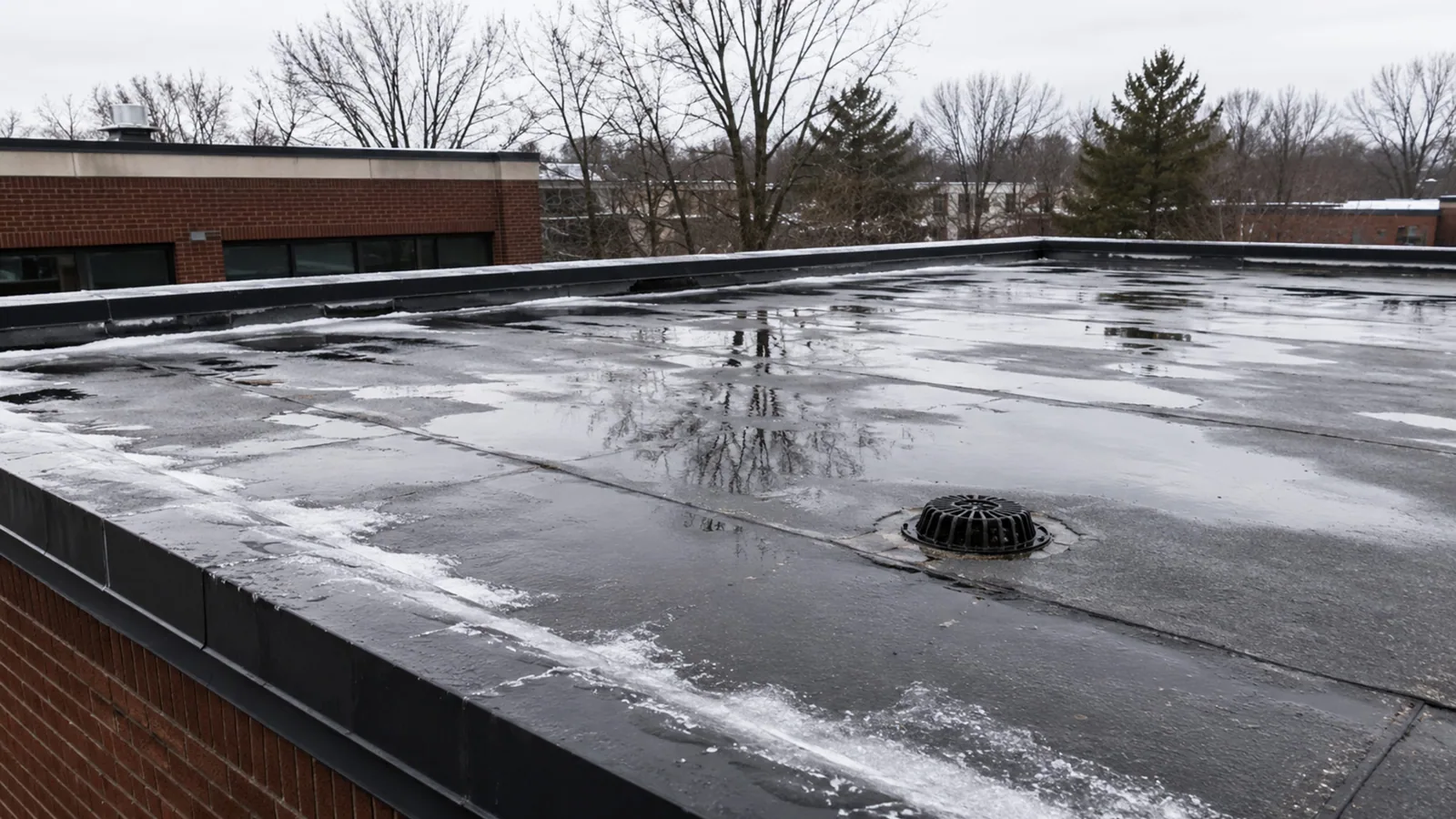
On a building with a parapet, the drains and scuppers decide how long water stays on the roof. A clogged outlet holds water against the wall flashing, and a heavy rain can add several inches to the load. We clear every outlet, run water to confirm the flow and look at the leader pipes below.
Low spots tell their own story. A puddle that dries leaves a ring of dirt called the ponding line. On a firm roof that ring points to drainage; over a soft spot it points to moisture. Persistent ponding water may call for tapered insulation or an added drain, and we price both against a simple cleaning so the owner sees the options side by side before choosing, with the timing of each beside it.
Heat and Coatings on Sound Roofs
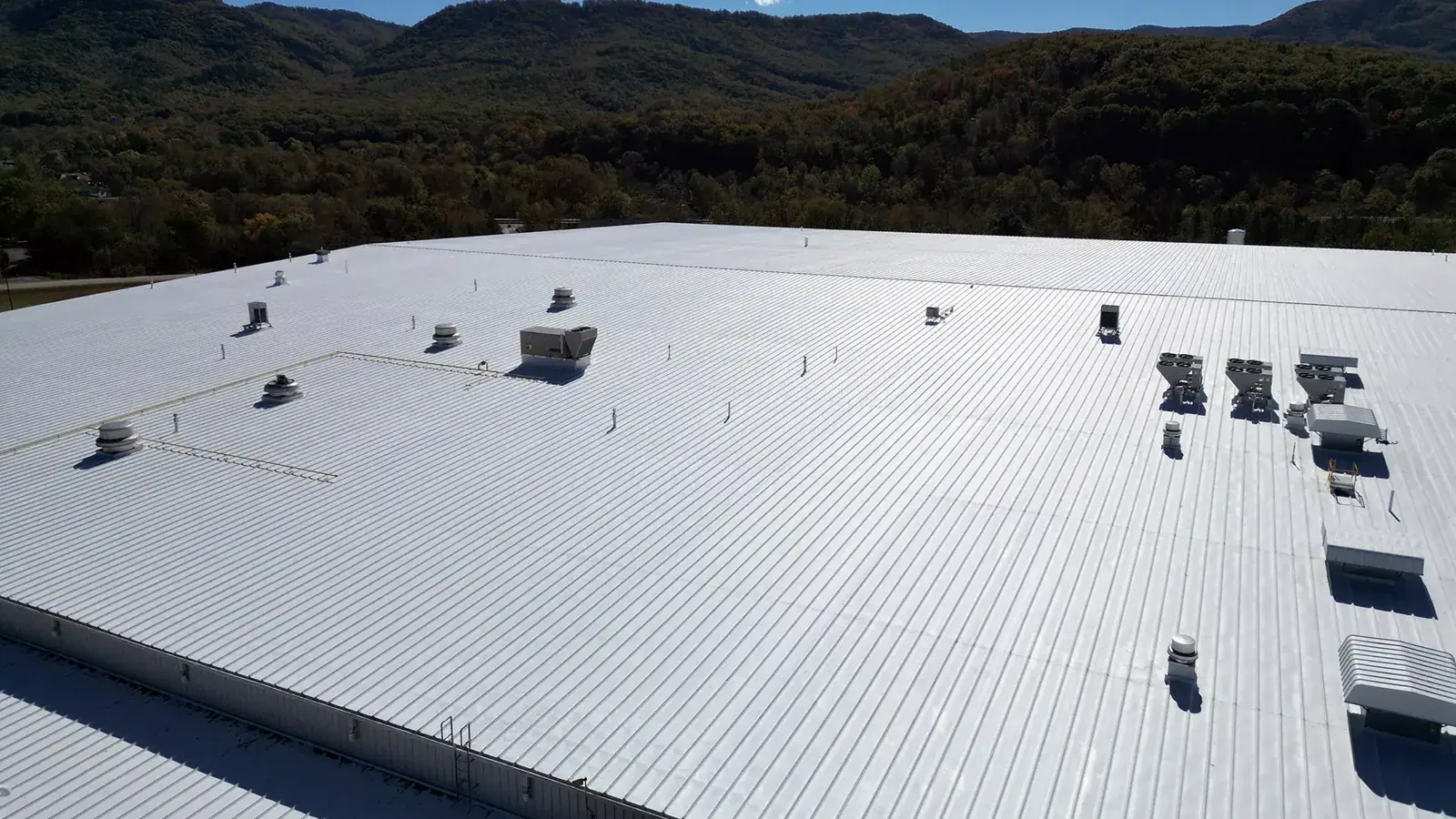
Wichita Falls, the market city, runs near four weeks a year at 100 degrees and more than three months at 90 or higher. A roof in direct sun dries sealant and chalks its surface. When the roof is sound and dry, a roof coating can extend its life and reflect heat, at a fraction of the cost of replacement.
A coating belongs on a sound roof and does not fix a wet one. We test, repair every known opening and clean the surface before any coating goes on.
Storm Marks and Wind Edges
Sheppard AFB saw hail bigger than baseballs on March 29, 1993, and baseball-size stones had hit Iowa Park and Burkburnett two years earlier. These are regional events, so we never assume damage on a Megargel roof.
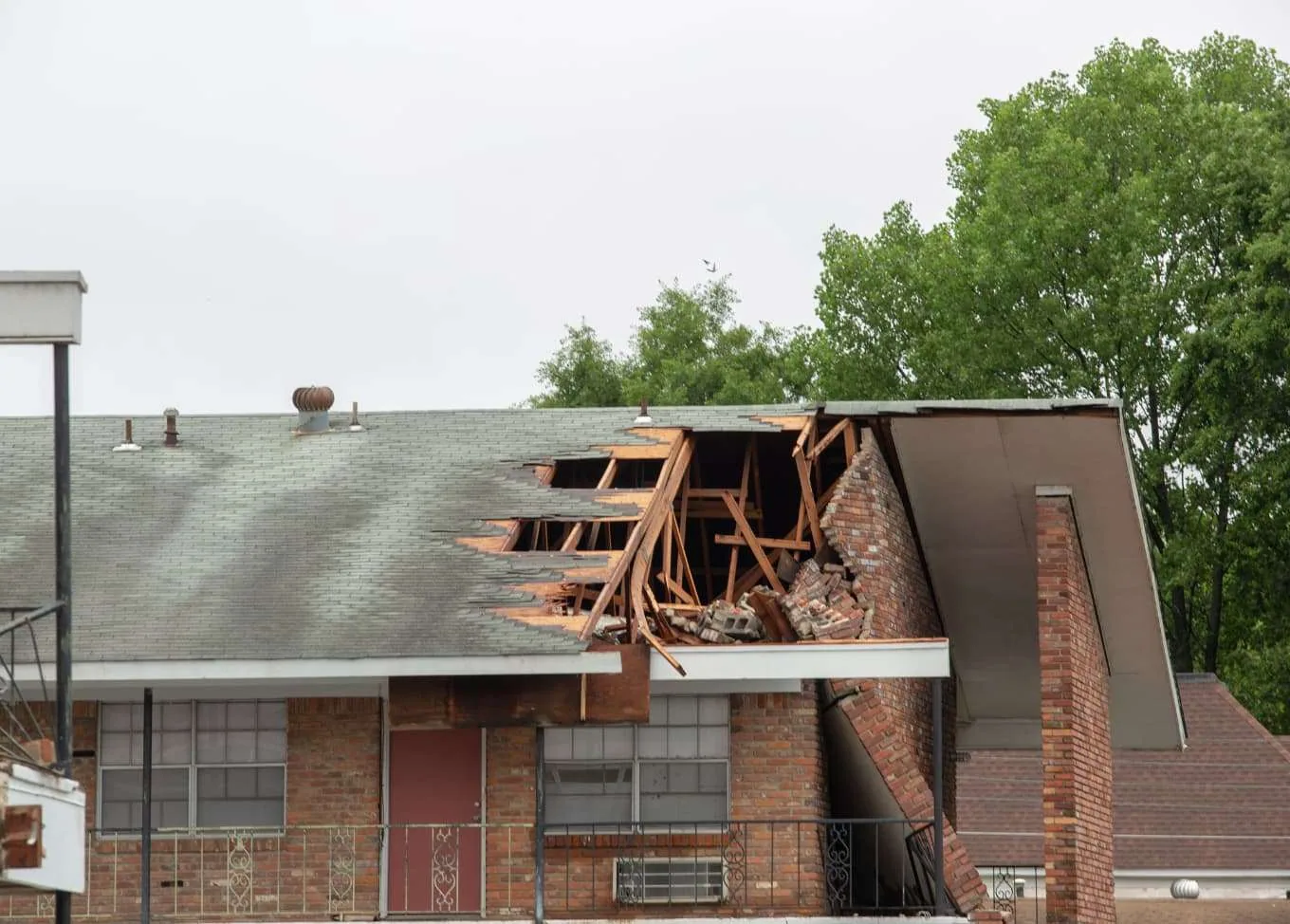
After a severe storm, we check the edges first, then count hail hits on test squares for each slope. A hail damage report records the count and the soft spots. Light, shallow marks may mean little, but a heavy count over soft spots changes the scope. Metal gets a dent count and a coating check, because a dent that pools water eventually rusts.
Repair, Coat, Recover or Replace
A repair fixes a defect. A coating protects a sound surface. A recover adds a new membrane over dry insulation. Replacement removes everything to the deck. The right choice follows moisture, deck condition and the owner's plan for the building.
Price depends on roof size, access, how many layers sit on the deck and how many penetrations there are. The same questions apply in Archer City and Scotland, and one walk answers them. If the roof is near the end of its service life, we help the owner plan the job for good weather and a workable budget, so the work is chosen and not forced by the next failure.
Commercial Roofing Questions
Should I fix the roof on a building I plan to sell?
Fix what stops water and keeps the building insurable, and document it. A full replacement may not return its cost in the sale price. A condition report with photographs helps a buyer and a lender.
How can I tell if an unused building has a leak?
Walk the inside after rain and look at the ceiling and wall tops. Outside, look for ponding lines and clogged drains. A moisture survey finds wet insulation that nothing shows on the surface.
Can a second roof layer hide a problem?
It can. A new layer over a wet one traps moisture, and the old layer can hold water for years. A core sample shows how many layers exist and whether any is wet.
Is a tarp a real repair?
A tarp stops water for a short time, and it is useful after a storm. It is not the lasting repair. We place it, photograph it and plan the permanent fix.
Does an empty building still need drains cleared?
Yes. Debris builds up with no one watching, and the first big rain finds it. Clearing the drains is the cheapest protection a quiet roof can have.
What should I send before the first walk?
Share the roof's age, the building's use and where water has entered, plus the date of any memorable storm. The walk follows that order.