An investor comparing buildings needs the roof translated into condition, cost drivers and timing. A due diligence walk can identify visible defects, active moisture concerns and records that need follow-up. We inspect commercial roofs in Wichita Falls, TX, then separate immediate repairs from longer-range replacement planning. That gives the owner a clearer basis for underwriting and reserve decisions without treating a roof visit as a promise about concealed conditions.

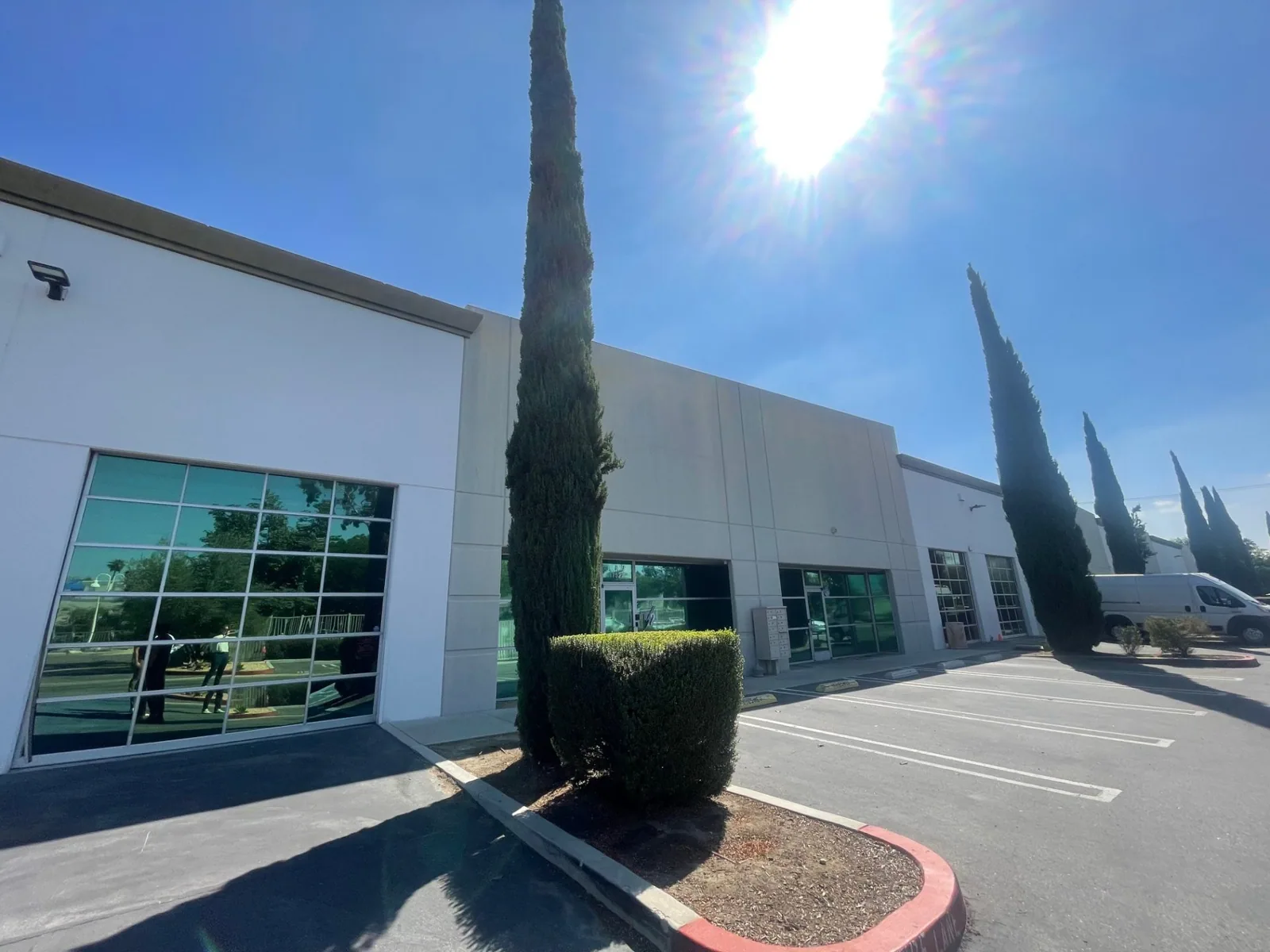
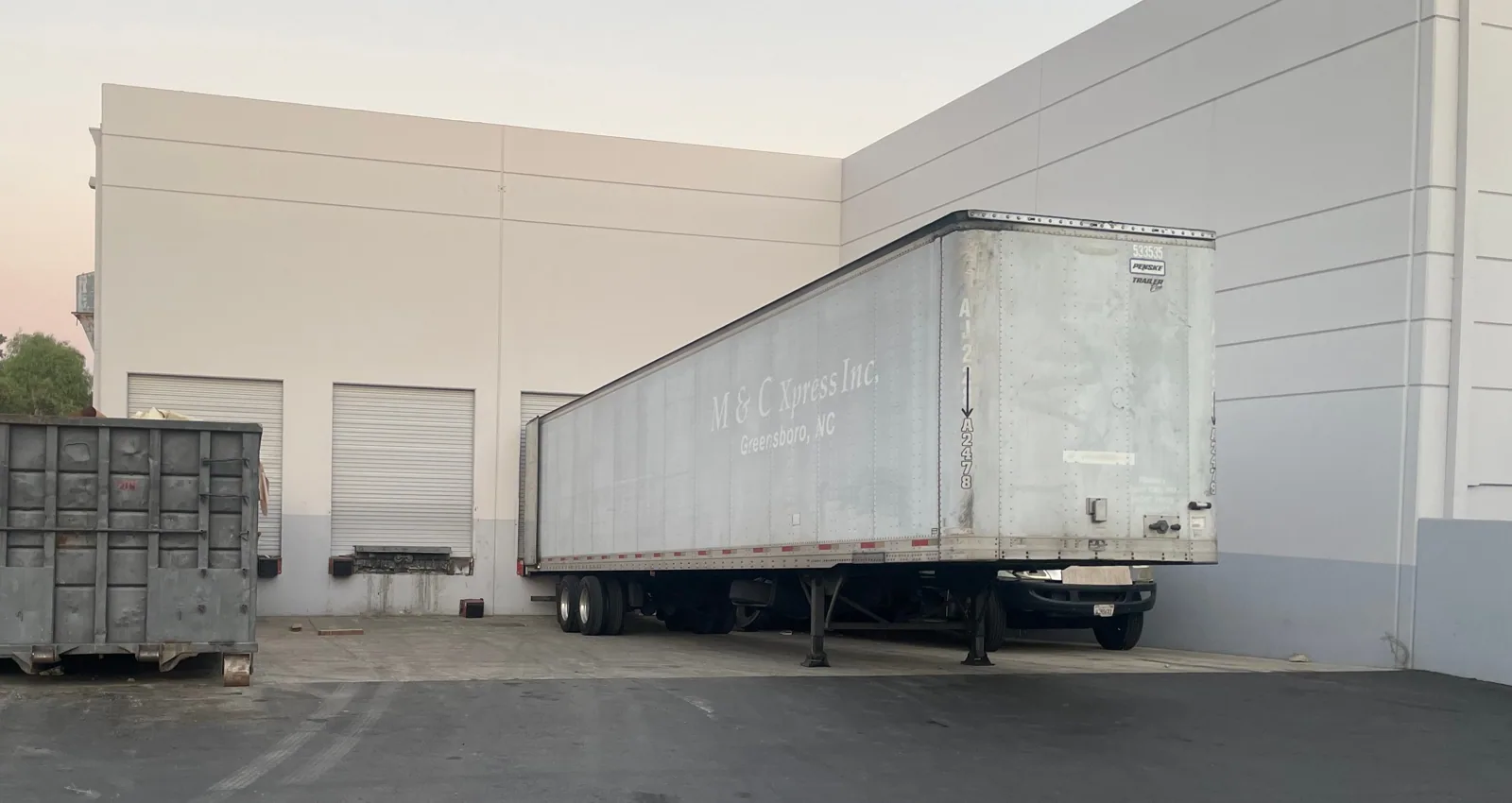
Start with the building type and its operating use. A distribution property in Wichita Falls Business Park has different access and drainage questions from a retail center or office building. The roof itself sets the scope.
Put roof condition into the underwriting file
Ask for roof plans, past repair invoices, warranty papers, leak logs and any recent inspection report. Compare those records with what is visible in the field: membrane seams, flashing, drainage, roof penetrations, edge details and signs of ponding. We note discrepancies and identify whether a focused test could resolve them. A date in a spreadsheet is not proof of roof condition, and a recent patch does not describe the rest of the surface.
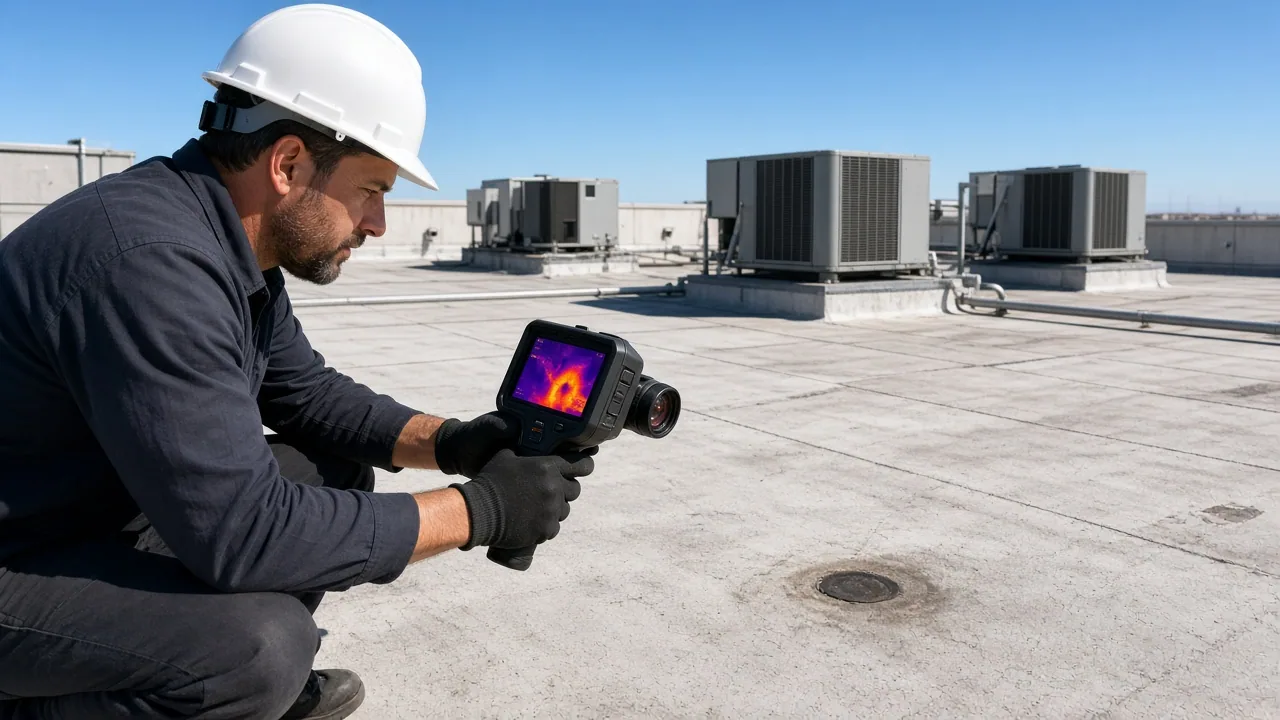
A photographed condition report can give the transaction team a current baseline. For a roof with suspected moisture, an infrared survey may add a useful map before a buyer sets an allowance. We keep observations, estimates and open questions distinct so the purchase file shows what is known and what still needs a decision.
Warranty papers deserve their own line in the file. A manufacturer warranty may require named repair methods, notice before certain work and a maintenance record, so a buyer needs to know whether the terms survive a sale and what upkeep the next owner inherits. We read the terms against the roof as found and list any conflict, such as an unreported penetration or a repair made with the wrong material.
Separate urgent exposure from capital work
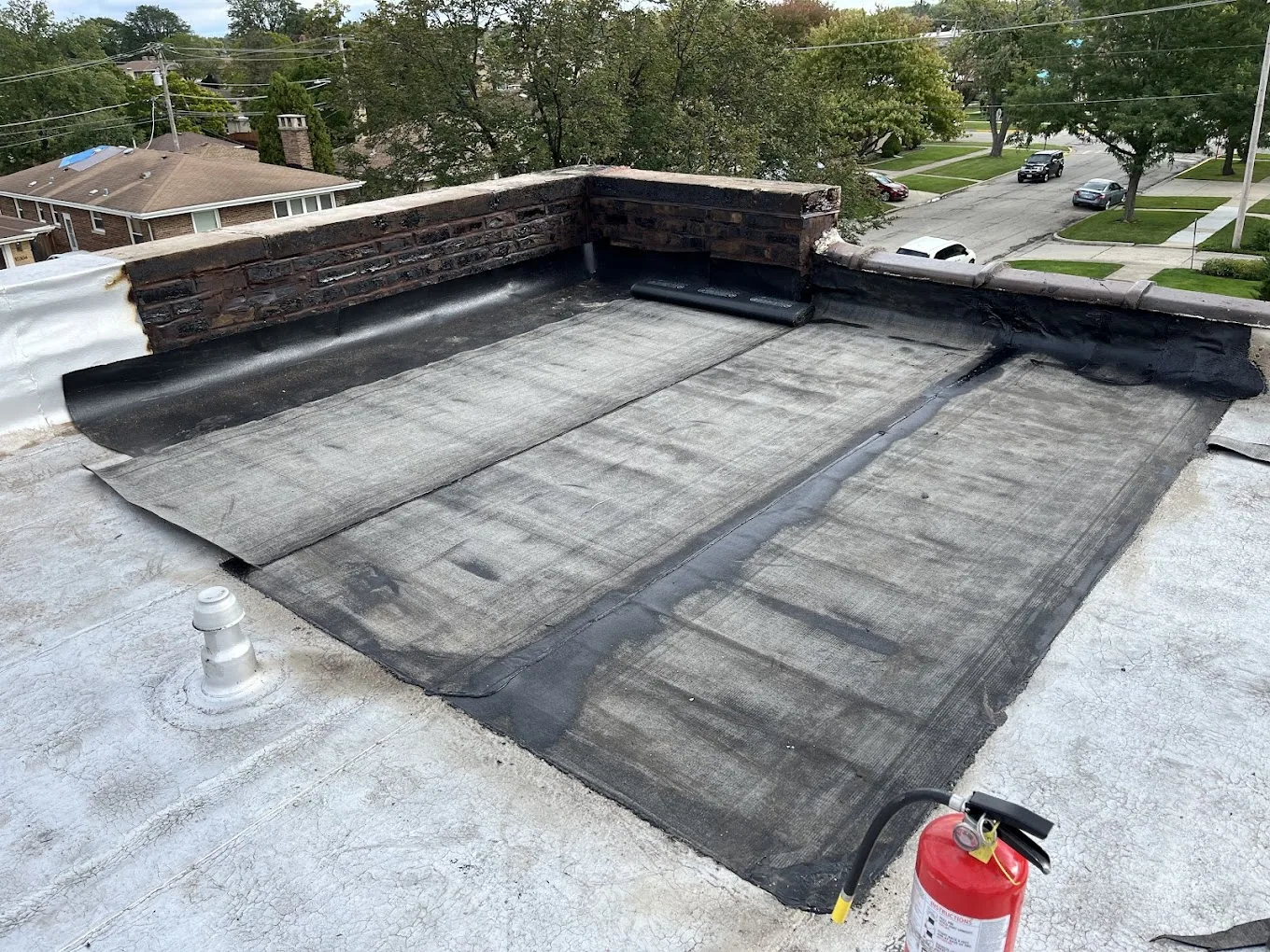
Water entering an occupied space or a loose edge detail may need attention before closing. Widespread wet insulation, repeated seam repairs or a worn roof surface may belong in a replacement discussion. We describe the location and extent of each finding, then tie it to a repair, test or budget action. This helps an investor avoid treating every defect as a full replacement, or every patch as a durable solution.
A Wichita Falls year holds about 28 days at 100 degrees, and heat moves sealants and ages membranes, so the walk looks at the surface and its details instead of projecting failure from climate. A defined repair scope can address localized trouble, while capital planning carries larger projects into the ownership schedule.
Compare assets without flattening the differences
For a REIT or local investor, a portfolio view helps show which buildings need action first. Use common fields for system, condition, urgency, access and likely funding year. Keep the inspection notes property-specific. A low-slope warehouse, a shopping property and a clinic have different drainage layouts and operating constraints, so a single score should not replace the explanation behind it.
Distributors, high-tech operations and manufacturers are the tenants the Wichita Falls Business Park is aimed at, which sets the property context while each building's roof still gets its own finding. A property management program can align inspection dates across assets, and logistics operations may need visits arranged around dock activity. Each report stays attached to the correct roof.
Leases add a second layer. In a multi-tenant building the lease may assign roof upkeep to the landlord or share it through common-area charges, and the roof file should show which. A tenant's rooftop unit, antenna or exhaust is a penetration that someone has to maintain, so the register lists each one with the party responsible.
Use storm history as a prompt to inspect
Wichita Falls has a serious tornado history. The April 1979 F4 crossed an eight-mile path through the city's south and east, damaging commercial businesses. That history can inform an investor's review calendar, but it does not establish impact at an asset being acquired today. We inspect the property, photograph observed conditions and note whether the roof has displaced metal, punctures, open seams or water entry.
In April 1991 baseball-size stones hit Iowa Park and Burkburnett. If a portfolio includes those nearby towns, the owner can identify roofs for a post-event check without assuming damage across the whole market. A storm assessment records what a site visit finds, and the Business Park service area remains available for broader local coordination.
Carry the decision into ownership
Before acquisition, list urgent repairs, additional testing, warranty questions and planned capital work separately. Give each item an owner and a date. If the building changes hands, transfer the inspection record and open work orders so the next manager knows what was observed and what remains unresolved. After a repair, add the scope, invoice and photographs to the property file, then update the next review date.
We can inspect a single asset or build a repeatable sequence for a portfolio. A manufacturing property review may focus on penetrations and production access, while downtown Wichita Falls buildings may call for a different staging plan. Send the roof age, building use and leak history, and we will walk the conditions in order. We can also separate maintenance from capital work in the closeout notes, so a manager can carry the finding into the next operating review. If records show several roof sections or additions, we label each one before comparing repair scope.
Commercial Roofing Questions
What should an investor request before buying a commercial property?
Request roof plans, inspection reports, repair invoices, leak history and warranty papers, then compare them with a current field inspection. We identify visible defects and questions that need testing. The report should distinguish an active repair from a future capital item and state what remains unknown, so the buyer can decide how to carry each issue into the transaction.
Can a roof inspection support a reserve estimate?
It can provide condition, scope assumptions and likely next steps for a reserve discussion. Final cost depends on roof size, access, system, wet insulation and concealed deck conditions. We state those factors rather than offering a number detached from the roof. If more certainty is needed, we can identify the test or opening that would reduce the unknowns.
How should investors compare roofs across a portfolio?
Use consistent categories for urgency, system and planned timing, then keep each building's findings attached. A shared dashboard can show where funding is likely to go, while photographs and notes explain why. That keeps a quiet roof from being overrated because it is old and an active leak from being missed because its building is newer.
Does Wichita Falls storm history establish damage to an asset?
No. It gives local context for setting inspection priorities. The 1979 tornado crossed parts of Wichita Falls, and hail damaged Iowa Park and Burkburnett in 1991. We inspect the actual building and report what is visible there. That finding, not the regional event record, supports a repair decision or transaction allowance.
What happens when a roof needs work before closing?
We define the affected area, immediate protection and repair scope, then document what remains open. The parties can decide whether the repair proceeds before closing or becomes a negotiated item. If the roof needs testing or a broader replacement estimate, we state the next step and its timing so the transaction file does not treat an unresolved condition as finished.