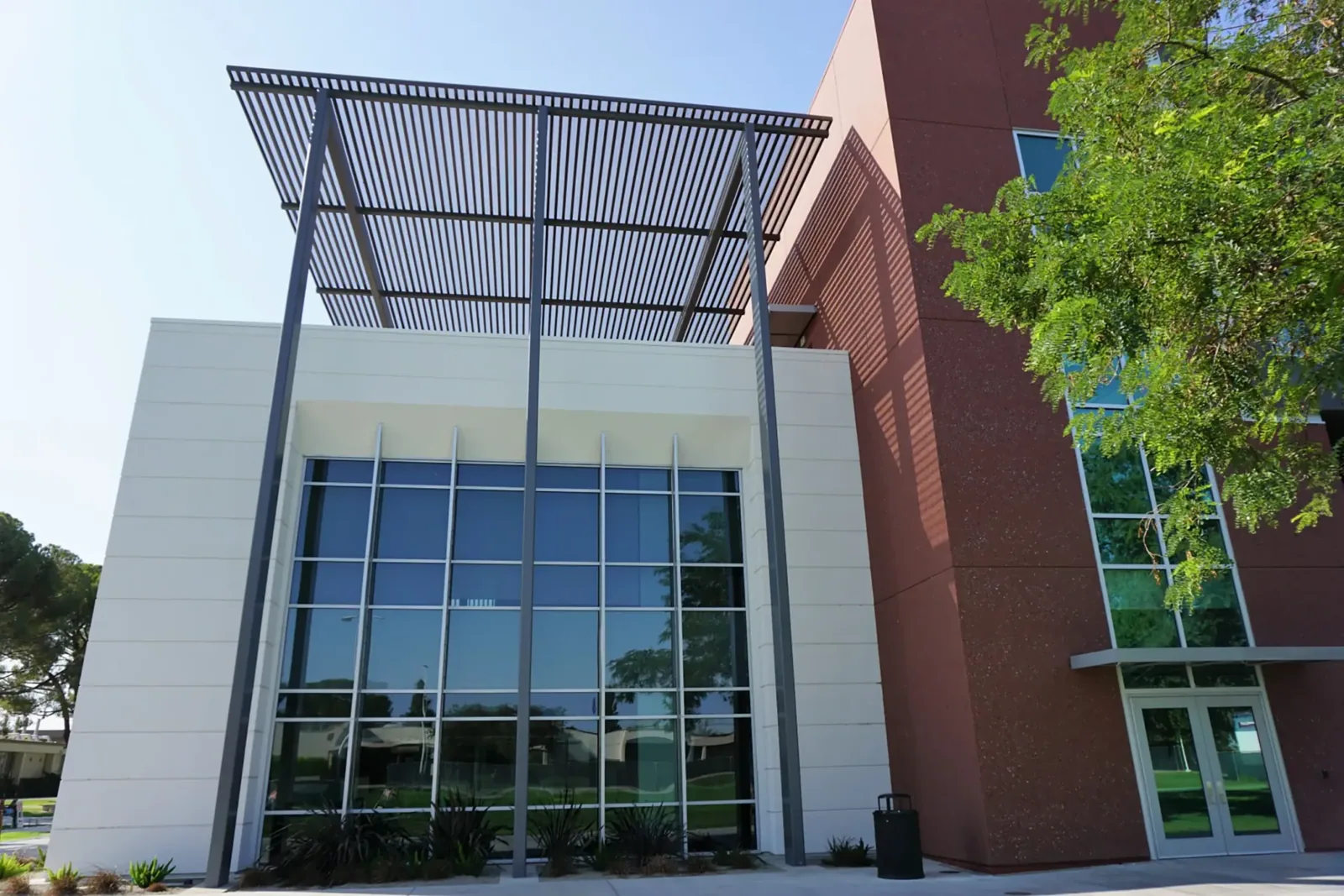
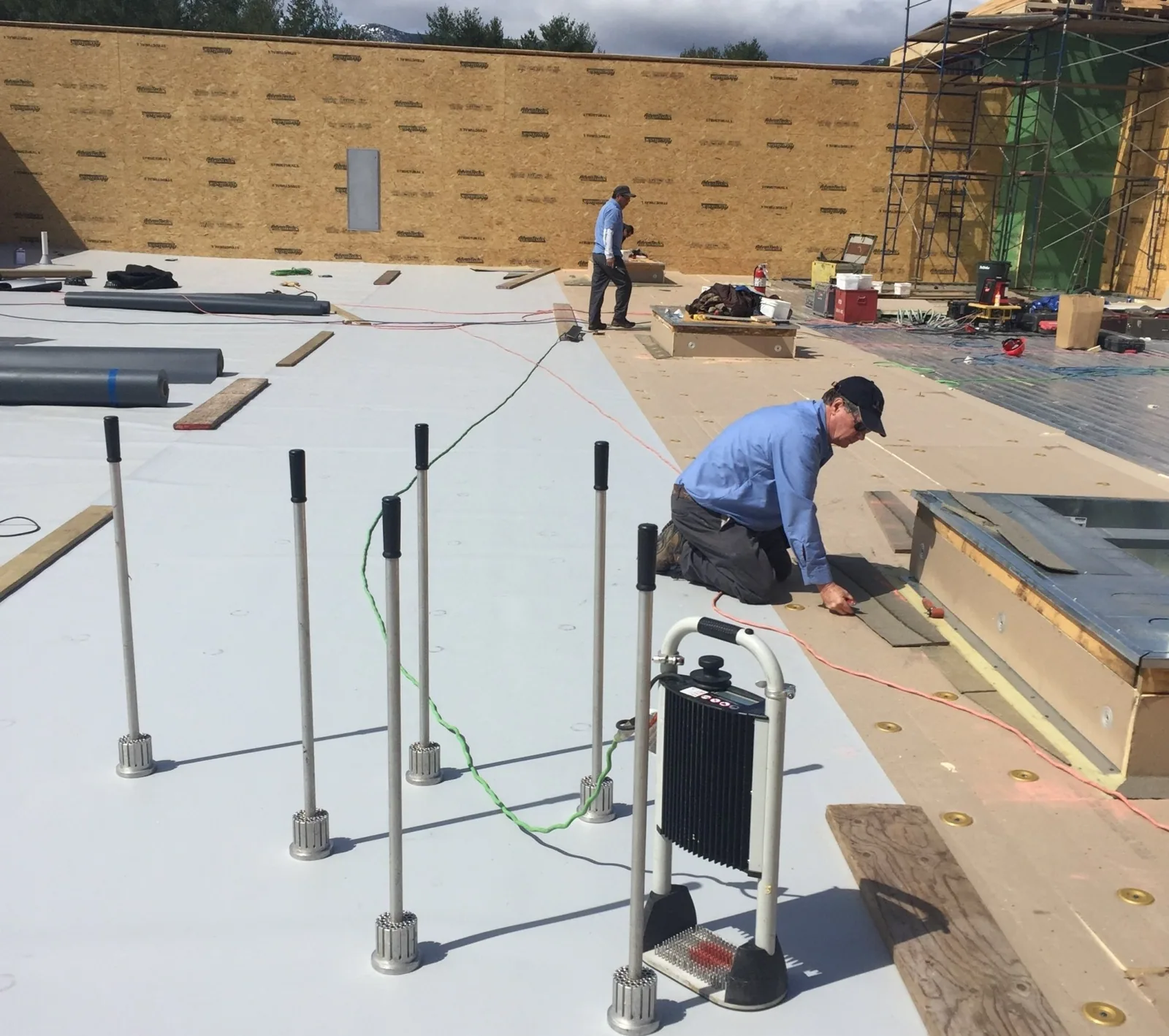
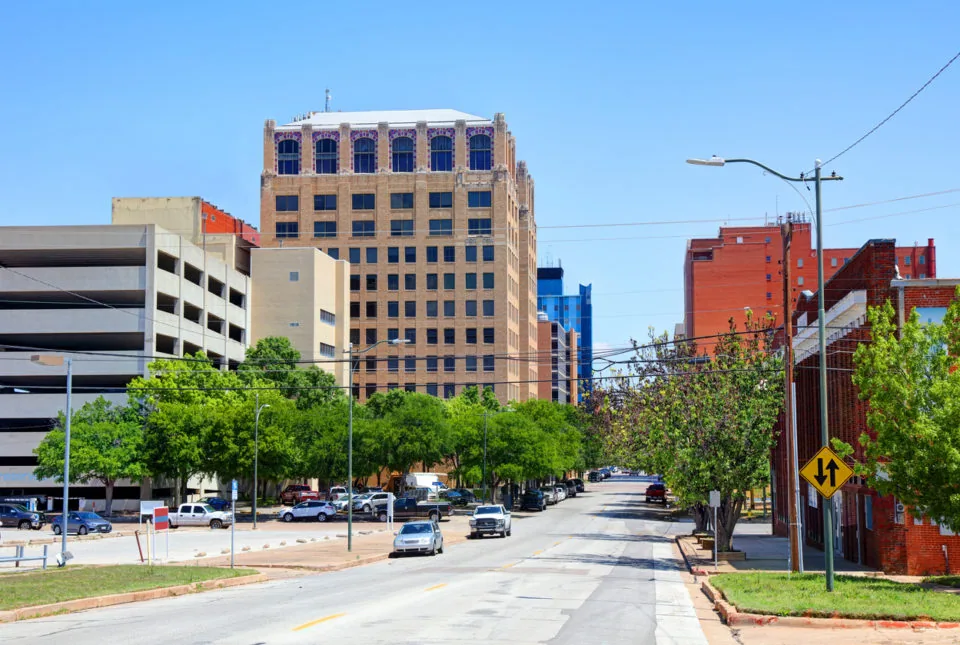
Education buildings have a rhythm that roofs have to follow: classes, breaks, move-in week and game day. The Midwestern State University campus covers 255 acres off Taft Boulevard and had 5,287 students in fall 2025, with residence halls, apartments, classroom buildings and athletic venues. Roofs on a mix like that do different jobs. A dorm roof keeps people dry while they sleep. A coliseum roof covers a very large open room.
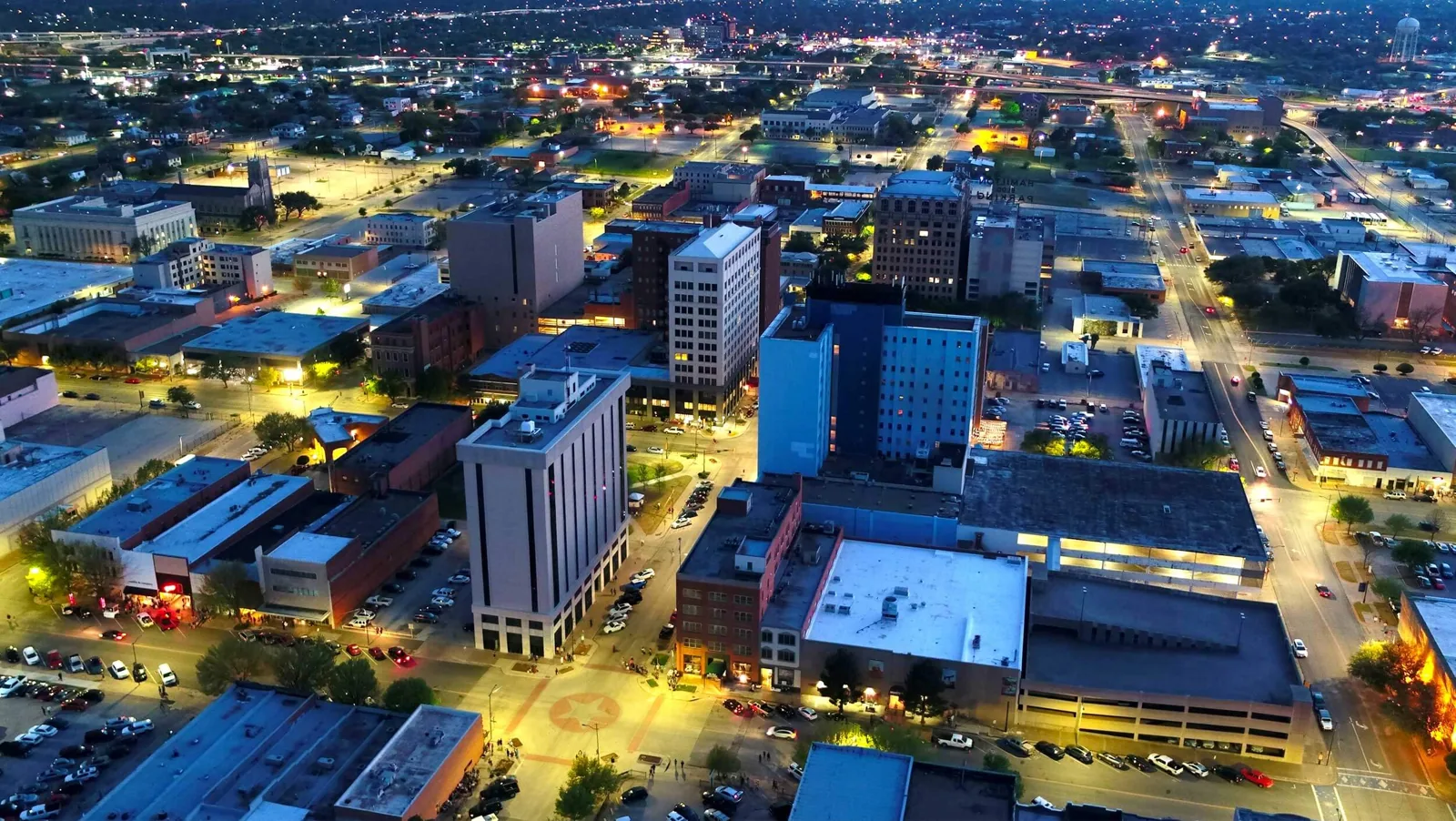
Here is step one for a facilities manager: sort the roofs by what is under them. Then plan each by its own schedule.
Classrooms, Dorms and Apartments
Residence halls and apartments have people sleeping under the roof. A leak there is a problem for a resident, so we plan work for the months when fewer people are in the building and tell residents in writing. Classroom buildings follow the academic calendar, and the quiet weeks between terms are the best window for a tear-off.
A college and university roof is planned around the term, and an apartment roof around who lives under it.
Move-in week sets a hard date. Roof work that runs into it turns into a problem, so the plan names a finish date and a backup. If rain pushes the schedule, we say so early and offer a way to protect the open section until work resumes.
Classroom buildings with labs have special concerns. Fume hoods, exhaust and roof-mounted equipment tie into the roof, and each connection needs its own flashing. We check each one and note the ones that look tired.
Arenas, Stadiums and Big Open Spans
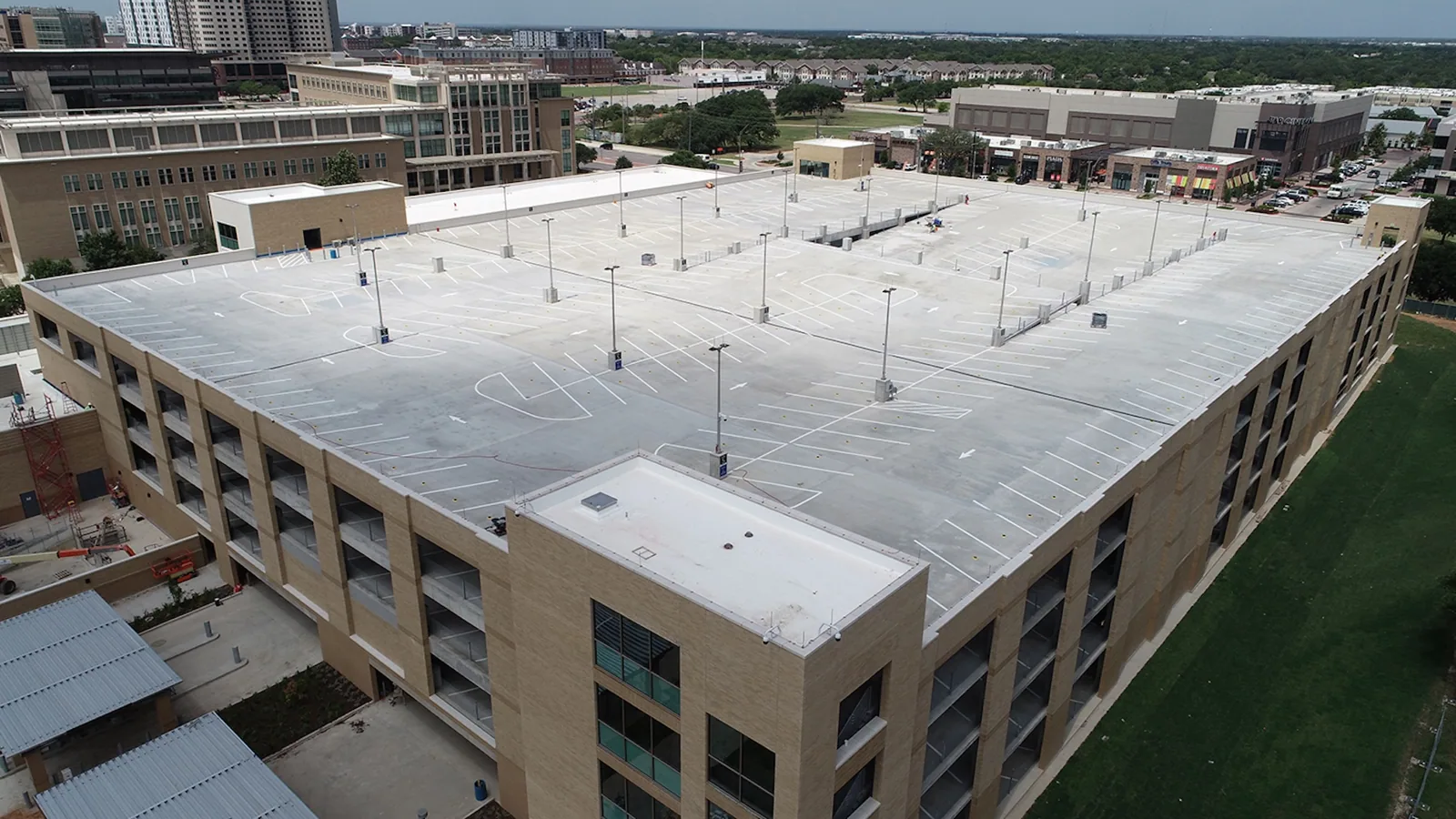
Among the campus venues are D.L. Ligon Coliseum and Memorial Stadium, along with the Bridwell Activities Center, which was completed in 2022. Large open buildings have long roof spans, tall walls and a lot of surface exposed to sun. The roof on each is read on site, and the checks are the same: drains, seams, flashing and fasteners.
On a tall building, access is part of the job. Safe access to a high roof can take as long as the repair itself, so we plan lifts, ladders and fall protection before we price the work.
A large open building can have a metal roof or a membrane roof, and each is read on site. Panel seams, clips and fasteners are the details that matter. Thermal movement loosens them over time, and wind finds the loose ones. We walk every seam line, press each cap and look at the edge trim.
Drains on a big roof carry a lot of water. A single clogged drain can load a section with standing water within one storm, so we clear and test drains before we do anything else.
Newer Buildings and Warranty Records
Centennial Hall is a 2019 building, and the Bridwell Activities Center dates to 2022. Newer does not mean problem-free. Roofs less than a few years old can still have flashing gaps, loose fasteners or damaged edges from construction traffic. If a roof carries a manufacturer's warranty, the warranty has conditions, and repairs by the wrong party can void it.
We read the file before we touch the roof. A roof warranty management plan keeps those papers in one place.
Gather these papers early: the roof plan, the product data, the warranty and any inspection records. If they are missing, we build a record from the walk. We photograph the system, take a few core samples and write what we find. That record becomes the new starting point.
Construction traffic is a quiet cause of early damage. Workers carrying tools, pipes and heavy loads across a new roof can scratch the surface or crush the insulation. We look for scuffs, dents and loose walkway pads.
The same file helps with budgets. A building with five years of dated photos and repair notes lets a facilities office show a board or a vice president exactly what the roof needs and why.
Heat, Hail and Summer Work
Wichita Falls gets about 28 days a year at 100 degrees, yet summer is also the best time to work on a campus. Heat changes how materials behave. Adhesives cure fast, sheets get soft underfoot and crews need breaks and shade. We schedule hot-weather work for early in the day.
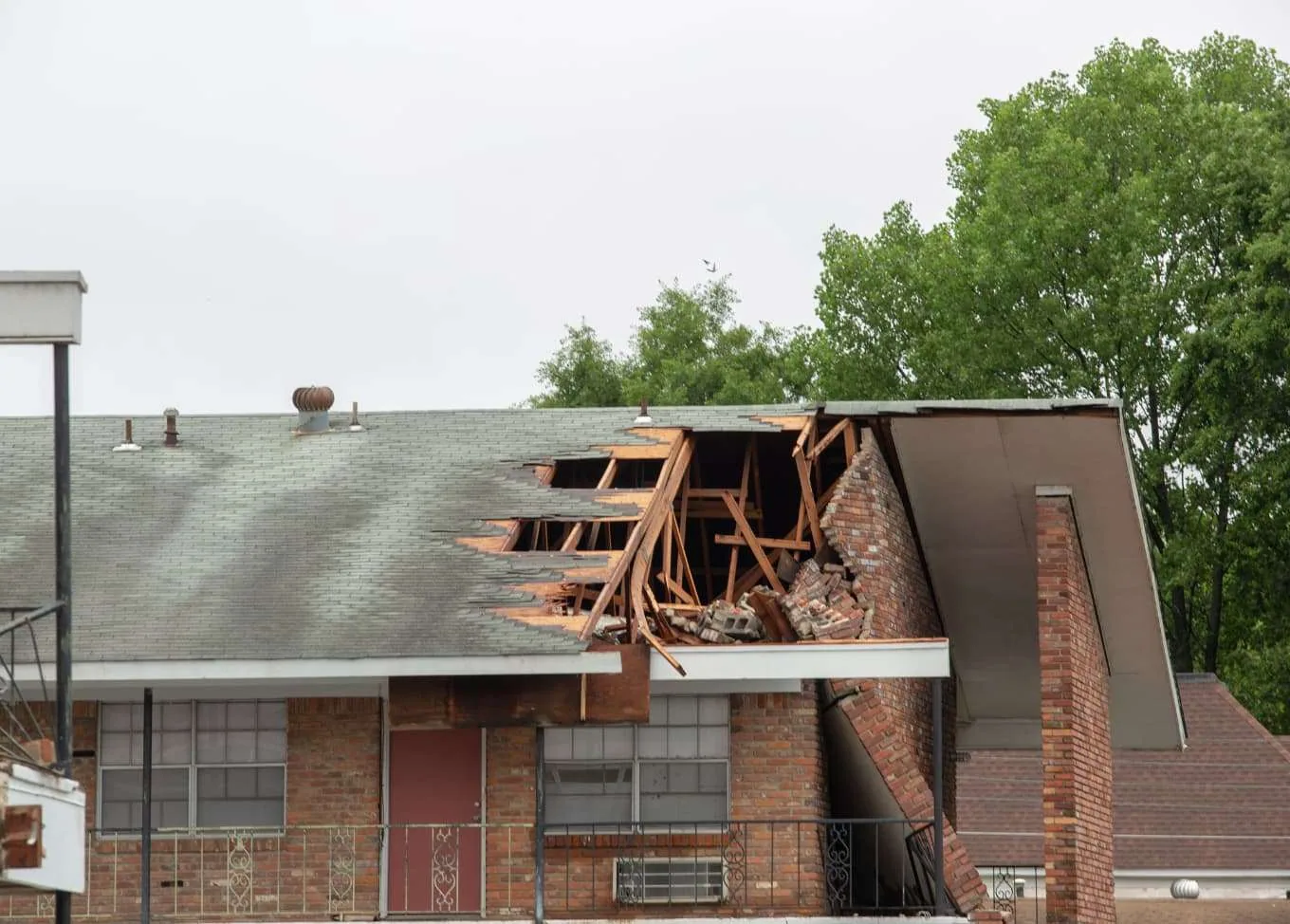
Hail is the other worry. Golf-ball hail came down on Electra for fifteen minutes in March 1982. That is history, not a finding about any roof here. After any hail event on campus, we press the surface and mark the bruises. A hail damage report helps a university file a claim.
Sun does more than heat. Ultraviolet light breaks down the surface of many membranes. The first sign is chalking, a pale powder that comes off on your hand. Then comes cracking at the folds and seams. A roof that chalks heavily is a roof with less life left.
What We Check on the First Walk
The order is drains, then seams, then edges, then every unit and pipe. We press the surface for soft spots and note them on a roof sketch. We photograph each finding and rank the list.
For a campus with many roofs, we give each one a score. The score lets a facilities office compare buildings and spend the budget where the need is highest. A roof condition report holds all of it.
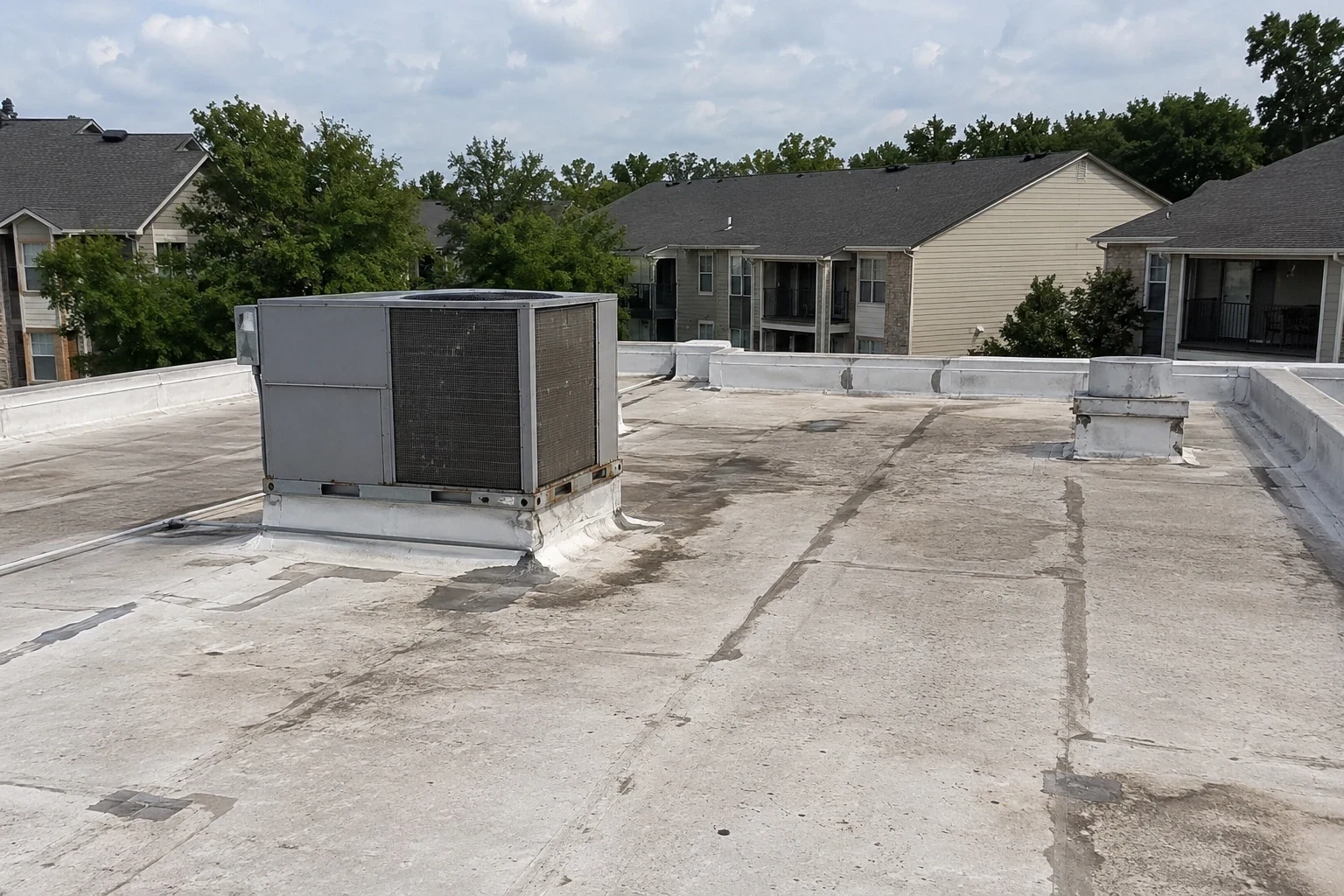
Rooftop units get extra time. A campus building may have dozens, and each has a curb and a drain line. We look for open corners, rusted frames and condensate that runs onto the membrane. Standing condensate wears a spot into the surface over a few seasons.
Repair or replace is the question for every older roof. A sound roof with a few failed details is a repair. A roof with wet insulation over a wide area is a replacement. A roof in between may take a recover. Moisture readings decide.
Timing, Access and Budgets
A university works on budget cycles. We help you see which roofs need work this year and which can wait, so the request is backed by photos and numbers. Work near students needs fencing, signs and a clear walking route. We keep trucks off busy paths during class changes.
That plan carries to the Midwestern Parkway Retail Corridor and nearby downtown Wichita Falls buildings.
Game days and graduation add dates that matter. We keep trucks and lifts away from event routes, finish noisy work early in the day and keep walkways clear. A pre-job walk with the facilities lead settles routes, parking and gate hours, and it also settles where dumpsters, lifts and portable toilets sit, so none of them ends up on a walkway.
Commercial Roofing Questions
When is the best time to reroof a campus building?
Between terms, when fewer people are inside. Summer is the longest window. Plan early so materials are ordered and the schedule fits.
Can residents stay in a dorm during roof work?
Usually. We work in sections, protect entrances and tell residents in writing. Noisy work is kept to daytime hours.
Does a new building still need roof checks?
Yes. Gaps and damage from construction traffic can show up in the first years. A short walk after the first few storms catches them.
How do I compare many roofs?
Give each one a condition score. We rate them on drains, seams, flashing and moisture, then rank them by urgency.
What helps first?
The roof age, the building's use and any leak history, plus the term calendar so the first walk fits the quiet weeks.