Walk the roof the same way every time, and it starts to tell you things. That is the idea behind a hands-on commercial roof inspection from Commercial Roofing Wichita Falls: a set route, a set list of checks, and a written record that lets one visit be compared with the next. We inspect low-slope and metal roofs across Wichita Falls, TX, and we start from the building type, because a school wing, a warehouse and a medical office each age differently.
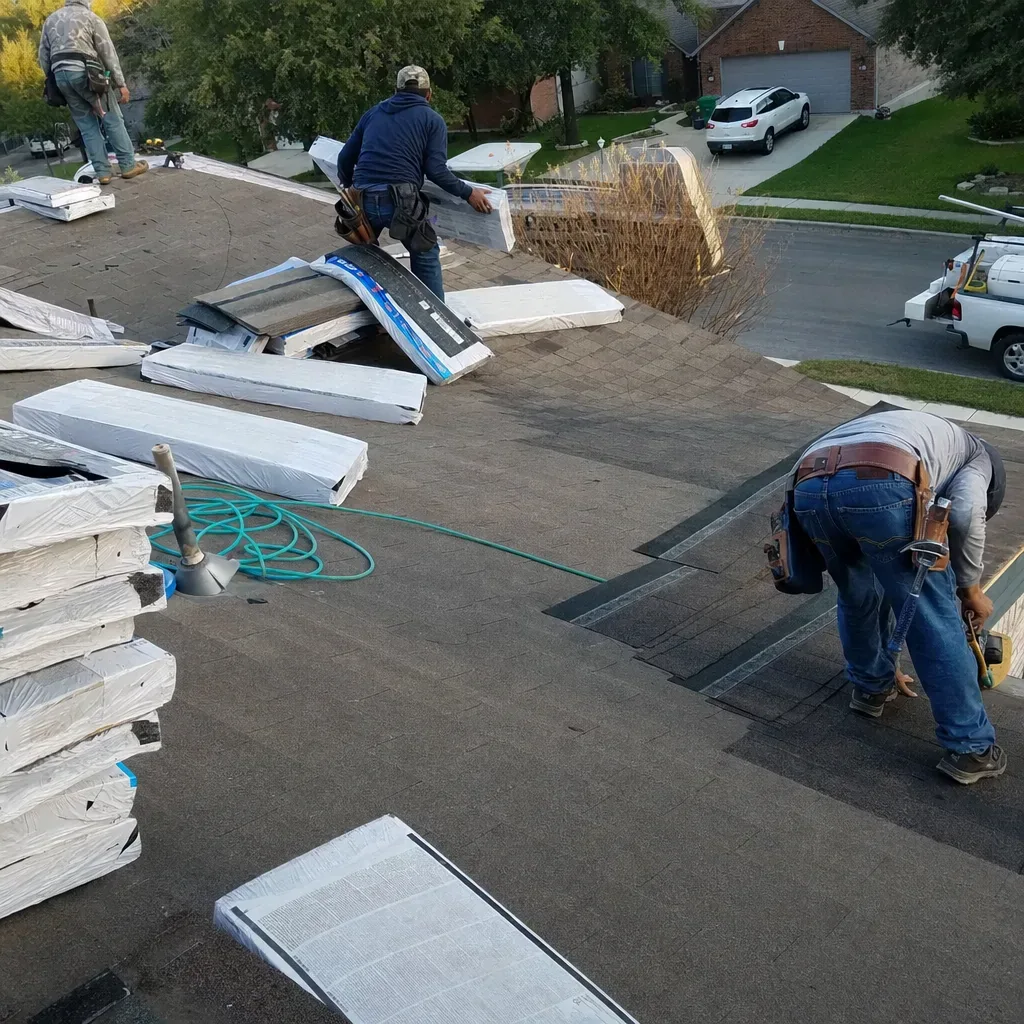
Step one is a conversation. We ask about leaks, past repairs, rooftop equipment changes and plans for the building. Step two is the walk. Step three is the report. Each step feeds the next, and skipping any of them turns an inspection into a quick look.
Start at the Edge
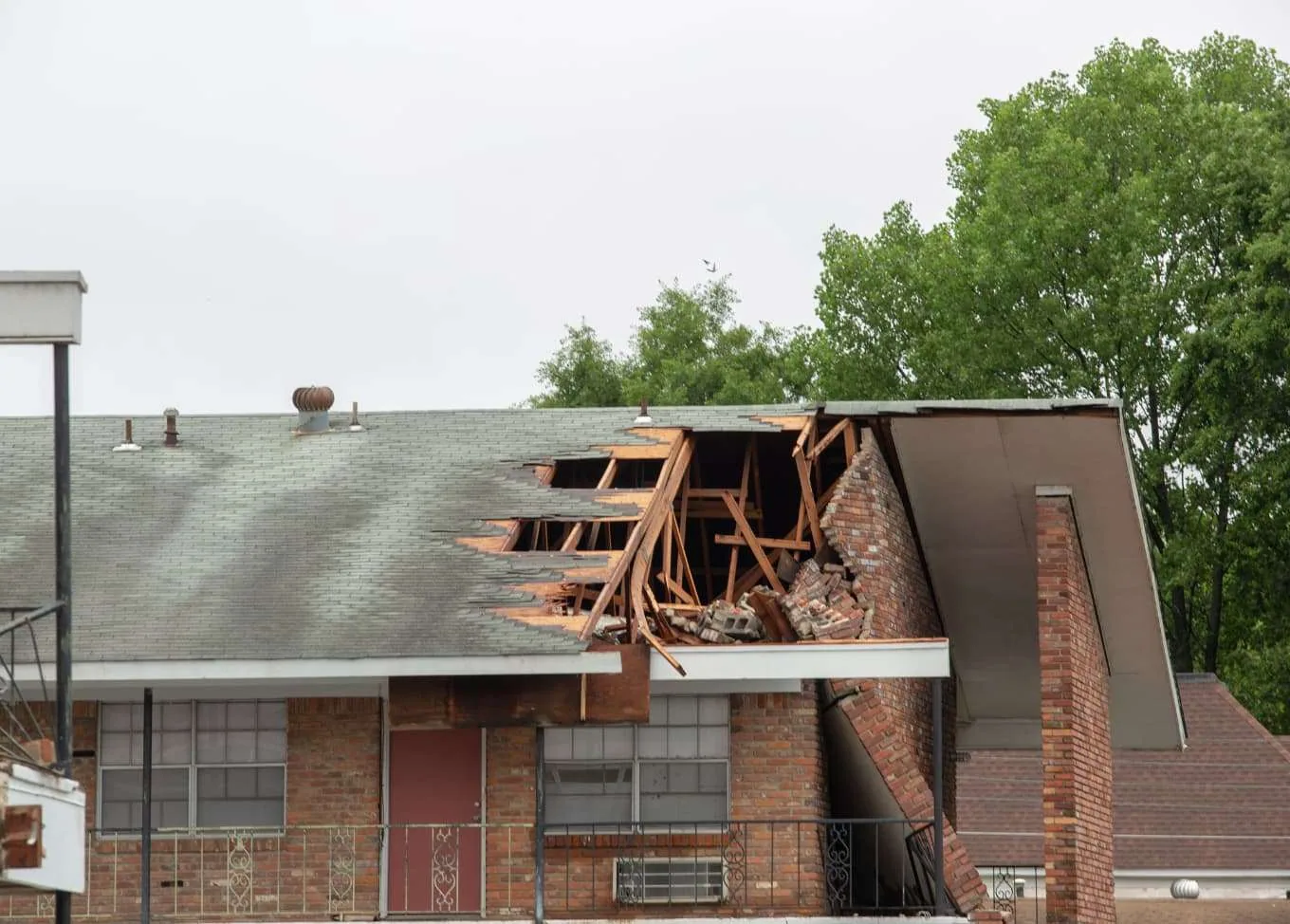
We begin at the perimeter because the edge is where wind starts and where water leaves. Coping, edge metal, gutters, scuppers and wall flashing get checked first for loose fasteners, open joints, gaps and rust. A lifted edge can let wind get under the membrane, and spring storms put that edge to the test. The 1979 tornado cut an 8-mile path through the city, and the lesson stays useful: edges and corners take the heaviest wind loads on any roof.
Then we move inward along the walls, looking at every vertical detail where roof meets parapet, penthouse or equipment screen. These termination points are small, and they cause a large share of commercial roof leaks.
Read the Field
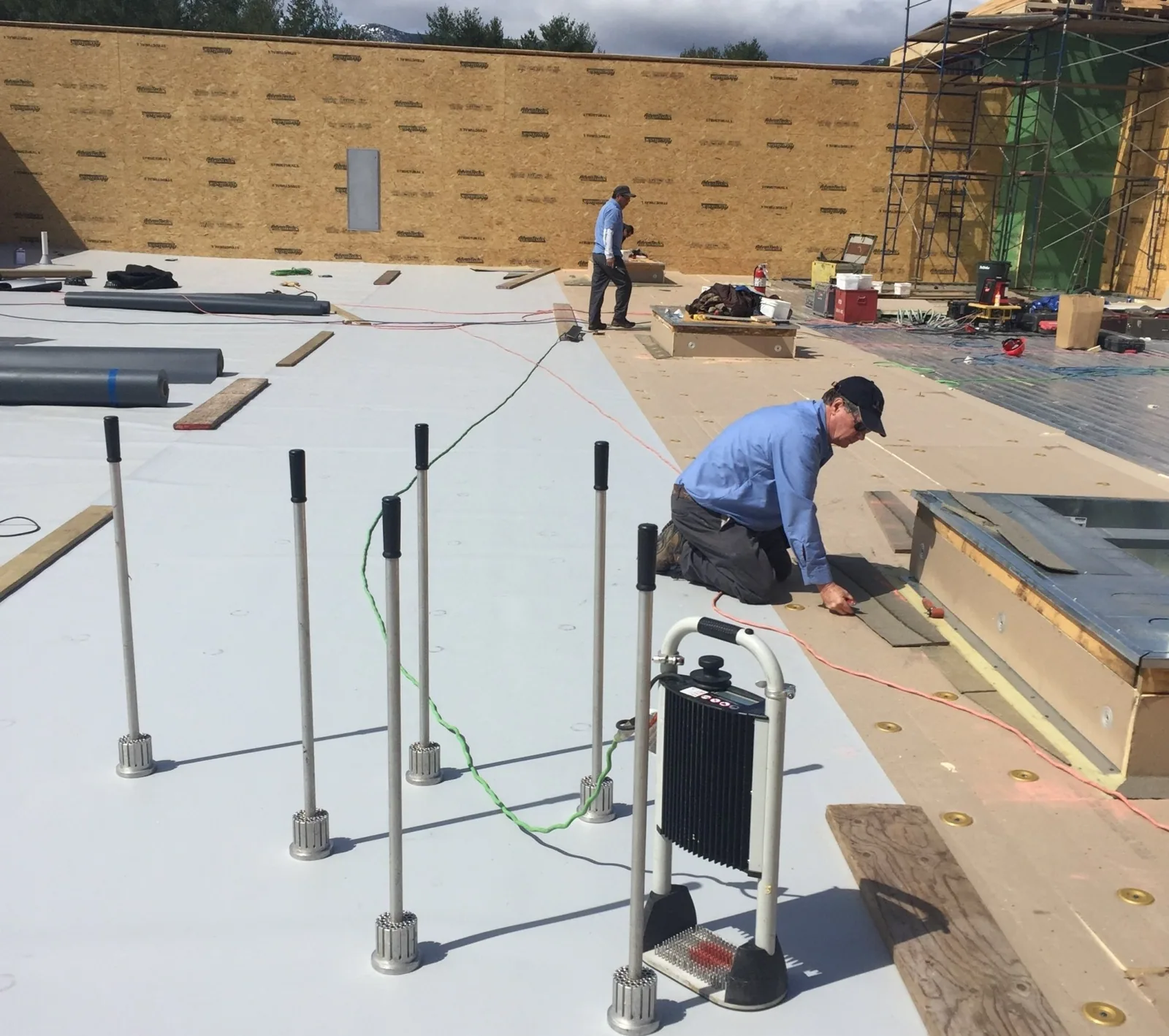
Out on the main field of the roof, we check the surface for blisters, splits, ridges, punctures, worn granules and signs of ponding. Dark dirt lines show where water has stood. Chalky or brittle surfaces show UV and heat wear, and Wichita Falls typically reaches 100 degrees on about 28 days a year, so that kind of aging builds up quickly. We walk the seams and press them with a probe. An open seam gives under the probe long before it leaks.
We also look underfoot. A spongy feeling means wet insulation or a damaged deck. We mark those areas, photograph them and note whether a scan or core cuts are needed. The goal is to know the condition, not to guess at it.
Equipment and Penetrations
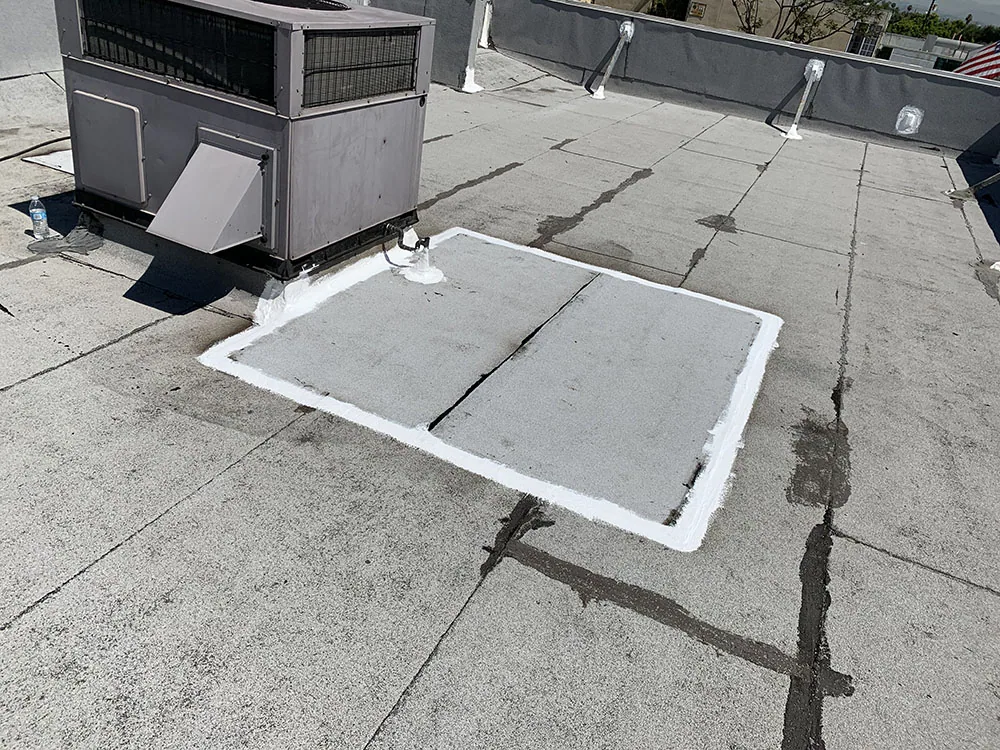
Rooftop units, exhaust fans, conduit runs and plumbing vents each cut a hole in the system. We check curbs for height and solid flashing, boots for cracks, sealant for shrinkage and supports for movement. Service paths matter too: a worn walkway shows where crews step and where punctures begin. If there is abandoned equipment, we note it, because an old curb with a missing cap is an open door for water.
On a roof with many units, a pattern often emerges. The units with the most leaks are the ones serviced most often, and they sometimes need walk pads, new curbs or better drainage around them. We record each unit by location so the next crew can find it quickly.
Drains get the same attention. We lift strainers, check for debris, look for cracked bowls and measure whether water reaches the outlet or stops short. A drain that sits high, or a sump that has been built up with patches, can leave a permanent pond, and that pond becomes the first place a membrane fails.
Hail, Wind and Storm Checks
After a storm, an inspection looks for different things. NWS Norman records golf-ball-size hail in Electra in March 1982 and baseball-size hail in Iowa Park and Burkburnett in April 1991. Hail leaves bruises, dents in metal and cracks in brittle membranes. Wind leaves lifted edges, displaced ballast and torn flashing. We check for both, mark them on a roof plan and photograph close-up and wide.
That plan matters for a claim. It shows an insurer where the damage sits and how far it spreads, and it helps separate hail damage from ordinary age wear.
The Written Report
An inspection is only as useful as what you can do with it, so every visit ends in a clear written report. It lists each finding with a photograph, a location, a rating and a recommended action. Urgent items go to the top. Items that can wait go to a planned list with a rough time frame. Cosmetic items are marked so no one pays to fix them.
For owners with several buildings, the report becomes part of a roof condition report program. Keeping each building on the same scale lets you compare roofs and set a spending order. A report also gives a buyer, lender or insurer a dated picture of the roof, which can speed up a sale or a refinance. Reports also support preventive maintenance, because small items found early stay small.
Tools That Add Evidence
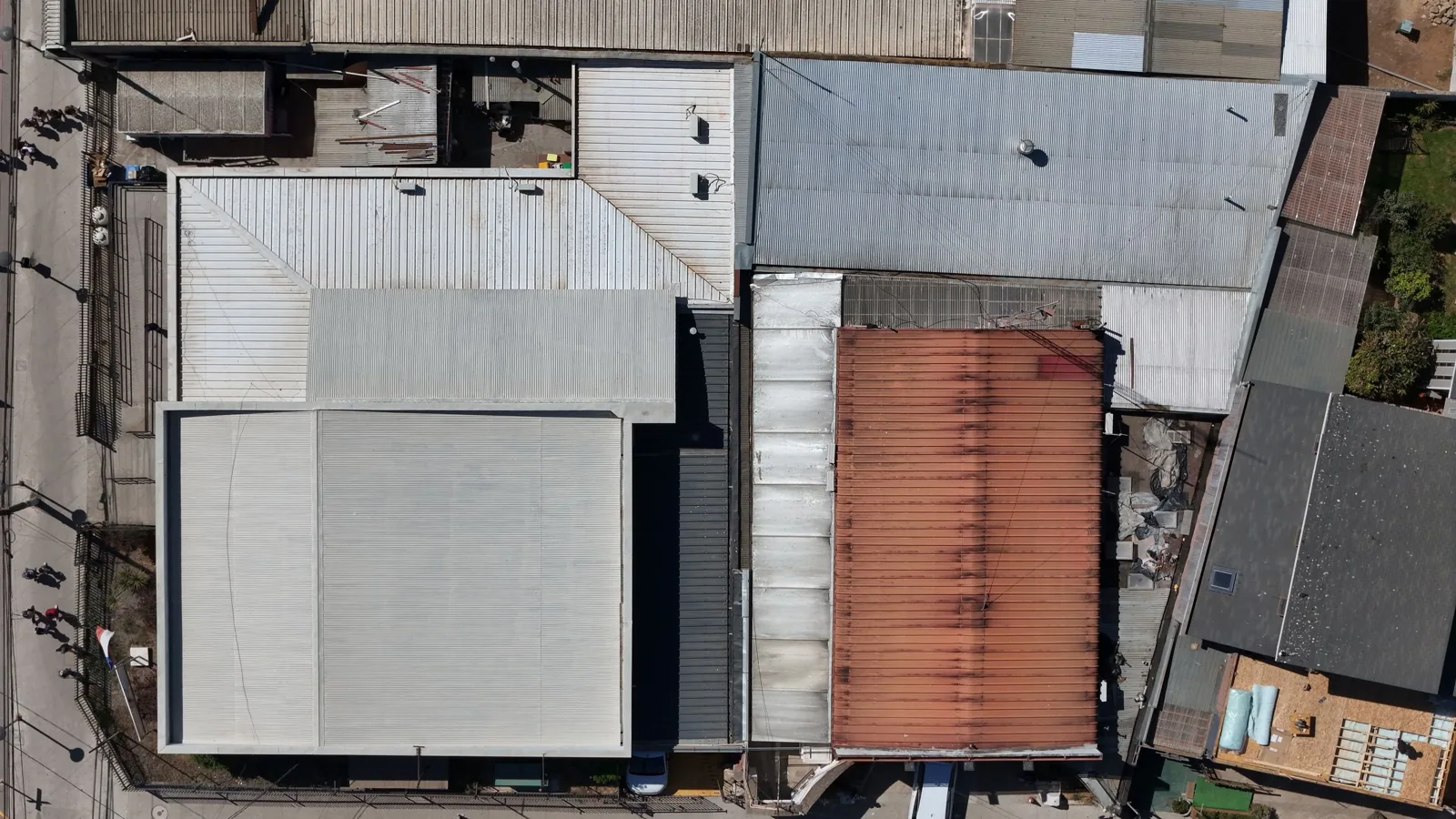
A walk gives the most information, and tools add detail. A moisture meter and probe confirm what the eye suspects. A thermal camera, used in the evening after the roof has warmed, shows wet insulation as cool patches. For large or steep roofs, drone imaging gives a safe overview before anyone sets foot on the surface, and it shows ponding and debris patterns that are hard to see from the edge.
We choose the tool for the question. A single leak may need only a probe and a water test. A roof near the end of its life may need a full scan so a replacement scope is based on measured wet areas rather than a hunch. Using too many tools wastes your money, and too few leaves the question open.
Where We Inspect
The buildings range widely: distribution and manufacturing sites near the Wichita Falls Business Park, retail centers along the Midwestern Parkway corridor, school and university buildings, medical sites and government facilities. Each type brings access rules. A school needs visits when students are out of the building. A clinic needs quiet work around patient hours. A base requires an escort and a pass.
Tell us the building use, the access limits and any known problems. We schedule the walk to fit your operation, and we bring a roof plan, camera, moisture meter and probe so the visit gives usable answers the first time.
Commercial Roofing Questions
What does an inspection cost?
Cost follows roof size, access and whether you add scans or core cuts. We quote after a short conversation about the building, and the written report is part of the visit.
Do I need an inspection if nothing is leaking?
Yes, for a roof past its early years or after a storm. Many defects stay hidden until the first heavy rain. A routine visit finds them while a repair is still small.
How long does a visit take?
A small roof takes under an hour, and a large roof can take most of a day. We plan the time with you and tell you if we need a second visit for scans.
What do you need from me before the visit?
Send the roof age if known, a list of past repairs, any warranty papers and any leak reports. Roof plans and equipment lists help too. We also need to know who can open the roof access.
Will you tell me if the roof is fine?
Yes. If the roof is in good shape we say so, list the small items to watch and suggest a date for the next visit. Not every inspection ends in a repair.