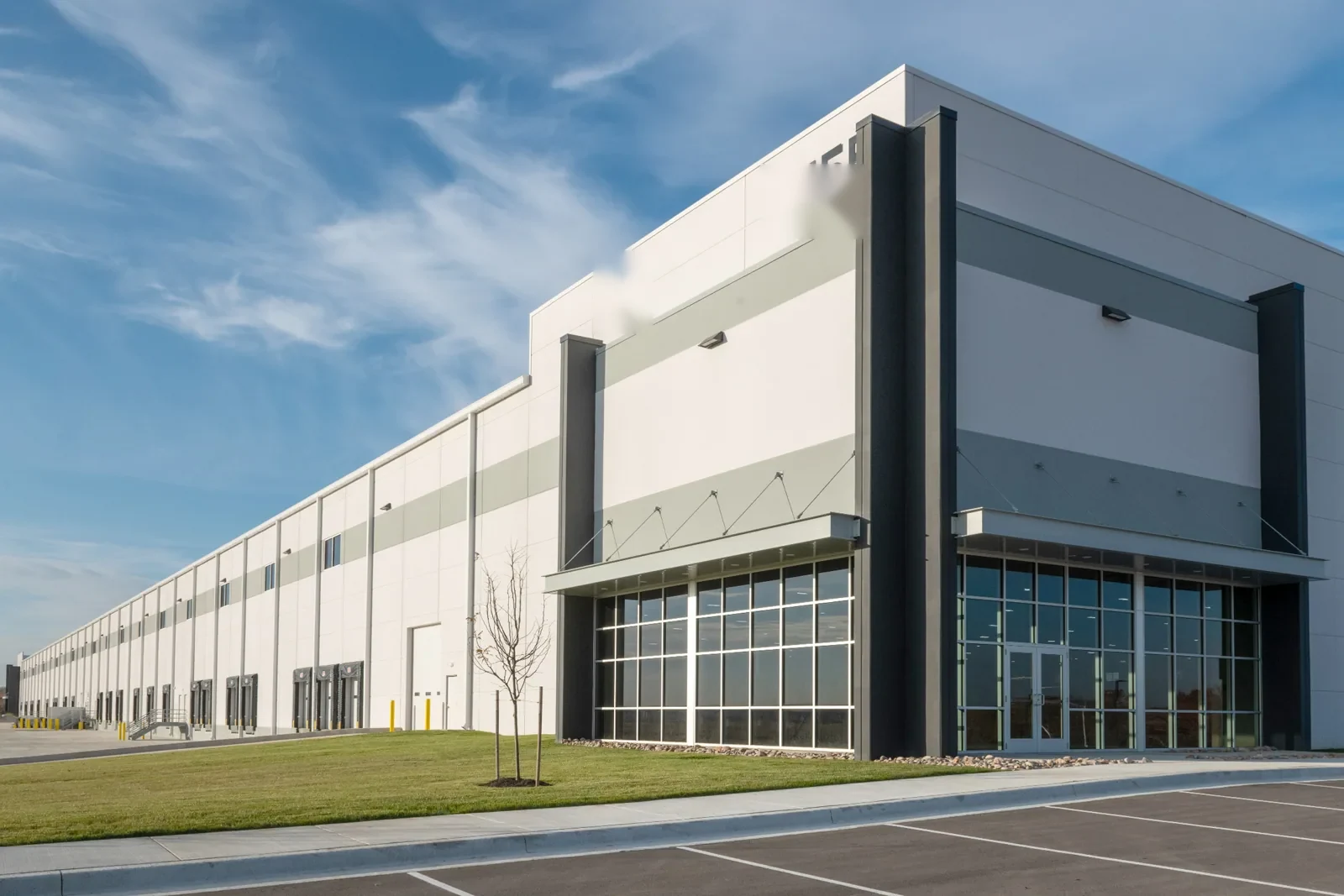
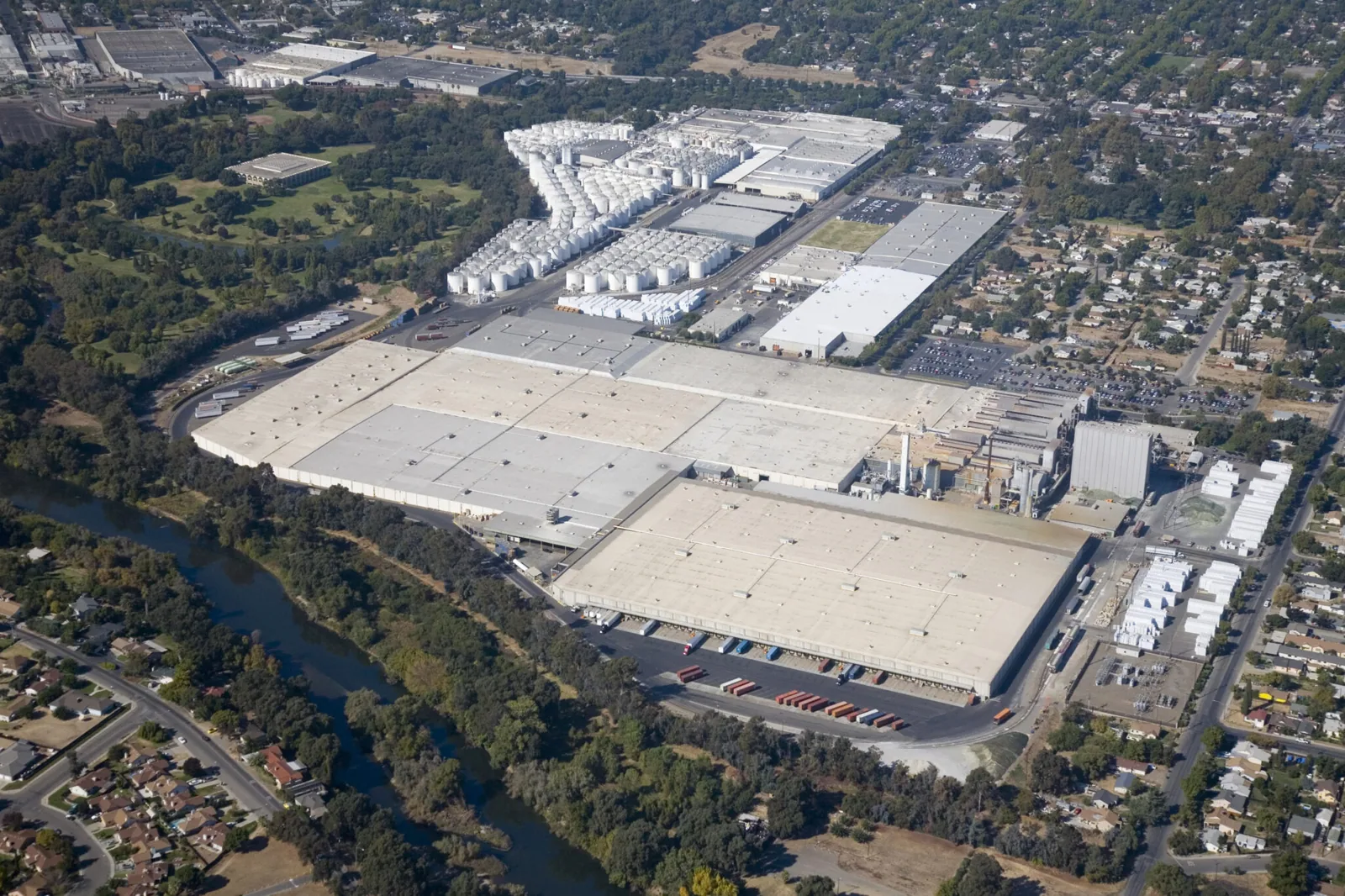
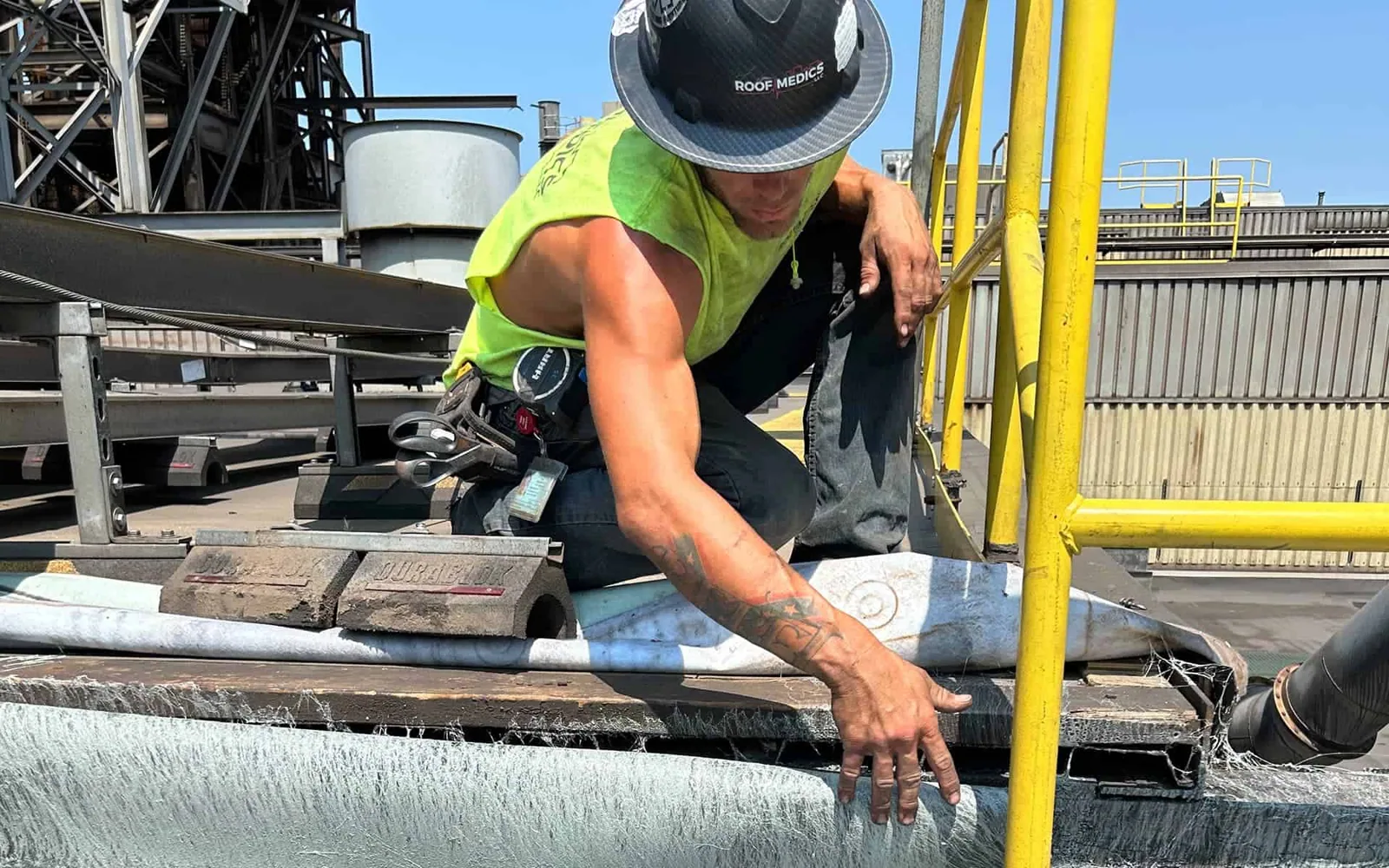
A wide, low-slope roof with few penetrations is where TPO does its best work, and a distribution building in the Wichita Falls Business Park, which is aimed at distributors, fits that shape. The one thing an owner should understand about a TPO roof is that it is a sheet, and a sheet is only as good as its seams.
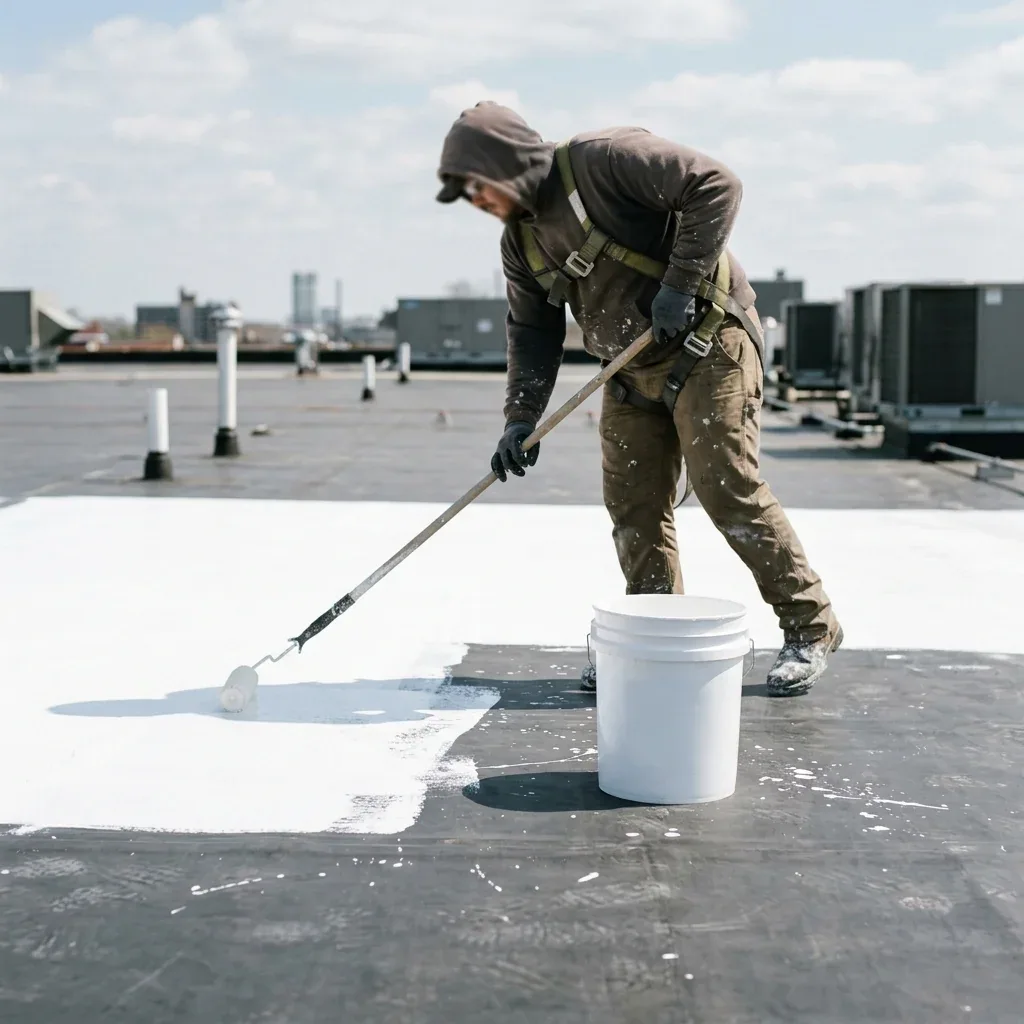
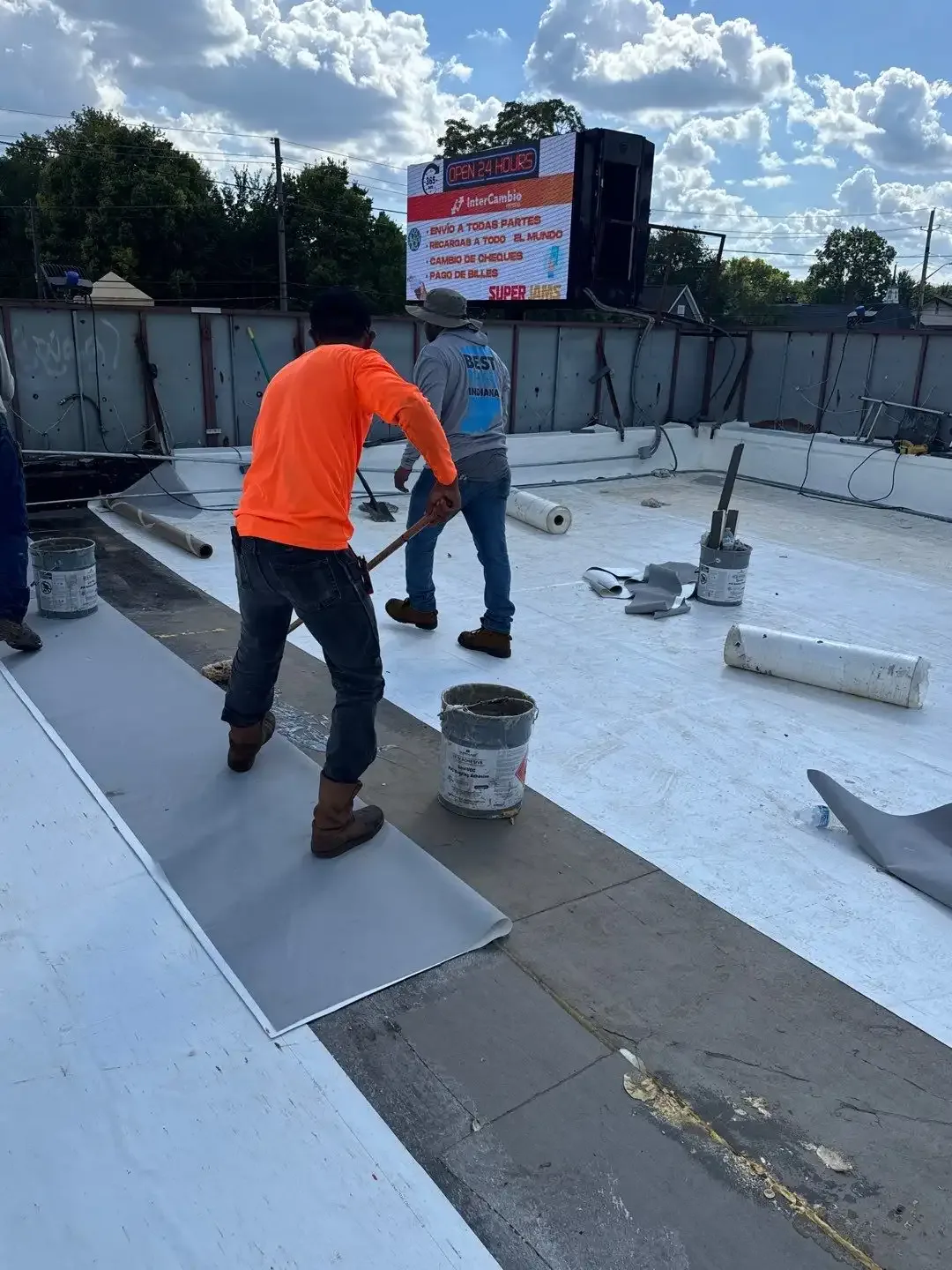
TPO stands for thermoplastic polyolefin. It comes in rolls, usually white, and installers weld the edges together with hot air to form one continuous membrane. Seams, attachment and heat decide how long a TPO roof lasts.
Know the Layers
A TPO roof has more than the visible sheet. Under it sits a cover board or a layer of insulation, and under that the deck. The sheet is attached in one of three ways: mechanically fastened with plates and screws, fully adhered with bonding adhesive, or held down by ballast. Each method suits a different roof, and each leaves different clues on a walk.
Fastened systems show faint lines where the plates sit. Adhered systems look smooth and flat. Ballasted systems are covered in stone. The attachment decides how a roof reacts to wind and how a repair is made. A fastened sheet can flutter in a gust, a ballasted one resists lift by weight, and an adhered one holds along its whole surface.
The layer underneath matters as much as the sheet. Wet insulation under a sound membrane still ruins the roof, because water lowers its R-value and swells the board. A simple test is a moisture scan, followed by one or two core cuts.
Check the Seams First
Seams are where TPO fails. A good weld fuses two sheets into one. A bad weld looks fine from a distance and peels under a probe. Cold welds, contaminated edges and welds made at the wrong speed or temperature can all open months later.
A blunt probe goes along every seam on the walk. We press at T-joints, where three layers meet, because those junctions are weak. We look at the weld edge for a clean bead and for gaps. Open seams are repaired by cleaning, re-welding and covering with a strip.
Flashings are welded too. The sheet turned up a wall or around a pipe is another run of seams, and it takes the most movement. When an owner tells us a TPO roof leaks, we look first at a flashing or a seam, because the field of the sheet is rarely where water gets in.
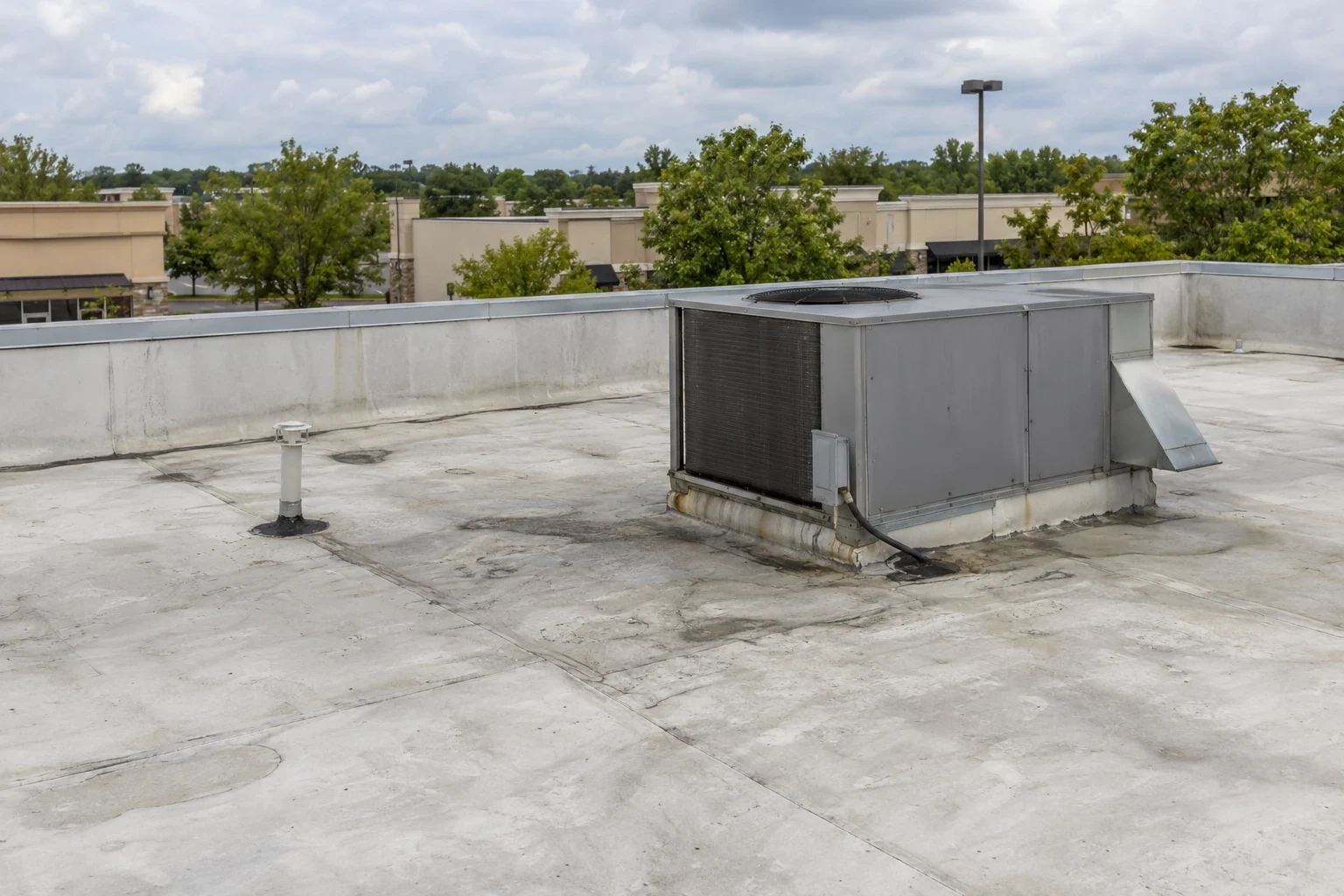
Penetrations get the same scrutiny. Pipe boots, curbs and drains are welded or sealed one at a time, and each is a place to probe. A boot that was fitted over a wrinkled sheet will open sooner than one fitted flat, so we look for wrinkles at every base.
Count the Heat
Roofs here live through about 28 days a year at 100 degrees and a record high of 117, and the city counted 100 days at 100 or above in 2011. White TPO reflects much of that sun, which keeps the surface cooler than a dark membrane. A cooler surface expands less and holds sealants longer. Even so, every heat cycle works the seams a little, so a spring walk checks the welds that took the most sun, usually the ones on the south and west edges.
That is the benefit. The cost is dirt. Dust from a gravel lot or a rail spur dulls a white sheet, and a dirty roof absorbs more heat. Washing and an annual check keep the benefit.
What it means for you: TPO is a good match for large roofs in a hot climate, if it is installed with clean welds and kept clean.
Plan for Hail
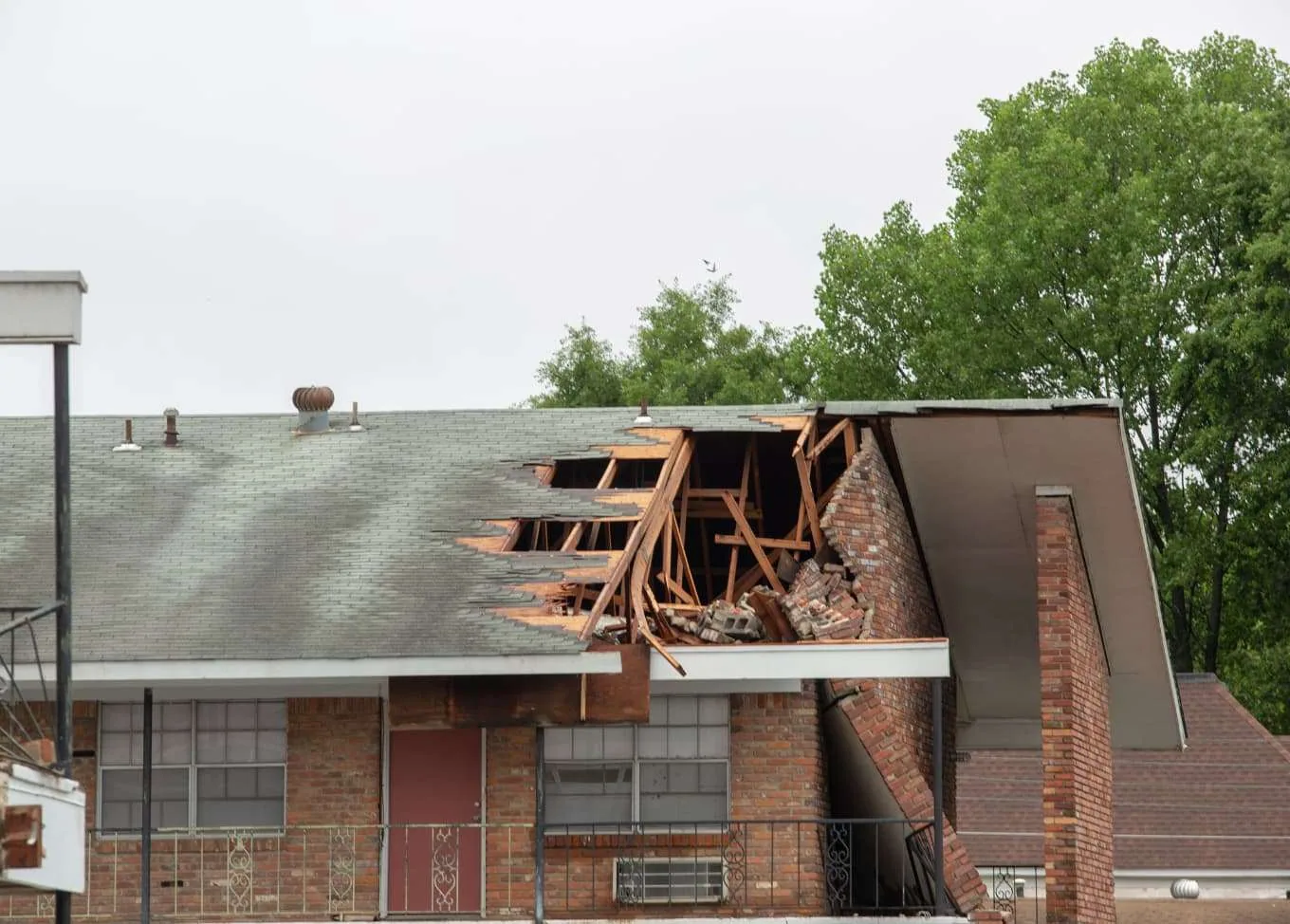
Hail is the weak point for any single-ply. Baseball-size stones hit Iowa Park and Burkburnett in April 1991, and larger ones struck Sheppard Air Force Base in March 1993, though neither says anything about the roof in front of us. They do tell us what to look for after a storm.
On TPO a hail bruise hides from the ground, and only pressing and probing finds it. We mark each one. A bruise over dry board may be cosmetic. A bruise that has split the sheet or cracked the insulation under it lets water in.
A cover board under the sheet raises resistance. A thicker sheet does too. Both add cost. We price them against the risk so the owner chooses with the numbers in view. A hail damage repair starts with a count of impacts per zone.
Match TPO to the Building
TPO suits large, low-slope roofs where seams are long and straight: warehouses, distribution centers, big retail and offices. It suits roofs with limited rooftop clutter. It is less forgiving on roofs with many penetrations, odd shapes and grease exhaust, where a different membrane may hold up better.
For a warehouse roof in the Business Park, TPO is a common first choice. For a shopping center roof with kitchen exhaust, we compare it with PVC and KEE, which resist grease better.
Chemical exposure matters. Fats and oils from exhaust can soften some single-plies over time. We ask what the building vents before we recommend a sheet.
Repair or Replace
A TPO roof can be repaired well. Open seams, punctures and bad flashings are repairable by cleaning, welding and patching. Aged TPO is harder: older sheets lose flexibility, and a weld on brittle membrane may not hold.
We test the surface first. A heat-weld test on a small patch shows whether the old sheet will accept a new weld. If it does, repair makes sense. If it does not, the roof is nearing the end of its life. A roof recover over dry insulation can renew the surface, and tear-off follows when the insulation is wet.
Each decision comes with photos, readings and a written repair line. A full commercial roof replacement adds new insulation, a new sheet and new flashings, and the closeout record shows each layer as it goes down.
Take the Next Step
Tell us how long the seams have been open and where the water shows inside, and the first walk goes along those welds. A building in the Wichita Falls Business Park, which covers 525 acres, or along the Kemp-Kell corridor gets the same probe-and-press routine.
Commercial Roofing Questions
Is TPO a good roof for Wichita Falls heat?
Yes, when welded well and kept clean. White TPO reflects much of the sun, which lowers surface heat. A dirty roof gives up some of that benefit, so washing belongs in the plan.
Why do TPO seams open?
Cold welds, dirty edges or movement. A probe test finds weak seams before a storm does, and a re-weld with a cover strip closes them. We probe every T-joint, since three layers meet there.
Can hail damage TPO?
Yes. Hail can bruise the sheet and crack the insulation underneath. A walk after a storm finds it. Dry board under a bruise is a cosmetic mark, while wet board under it is a repair.
Can you repair old TPO?
Often. A weld test on a small patch shows if the old sheet will take a new weld.
How often do TPO seams need checking?
Once in spring and once after any hail or wind event is enough to catch most welds before they leak. A probe along the T-joints takes minutes and finds what the eye cannot.