A flat commercial roof has one job that matters most: get water off. In Iowa Park, part of the Wichita Falls metro area, that job meets dry spells and heavy rain in turn. Rain falls in Wichita Falls at about 27.9 inches a year, and its wettest month on record was May 2015 at 17.00 inches. Water on a flat roof has nowhere to go except the drains, so the drains decide how the roof ages.
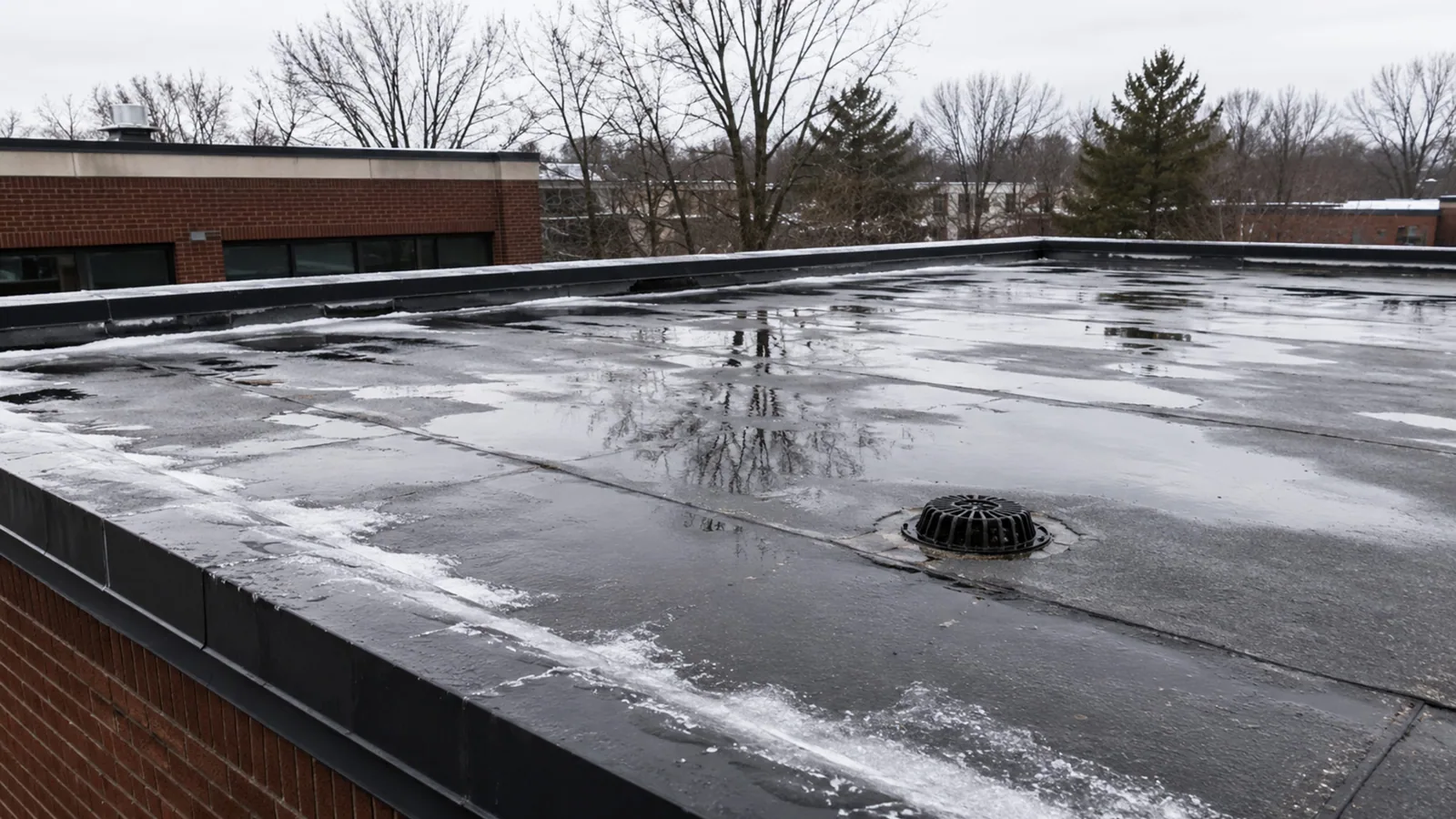
Here is step one: find the low spots and the drains. Then watch where the water goes after a rain.
How a Flat Roof Drains
A flat roof is not truly flat. It has a slight slope toward drains or scuppers, and the slope can come from the structure or from tapered insulation. Over time the deck can settle, and the low spots deepen. Water that stays more than a day after rain leaves a ponding line, a pale ring on the surface.
Ponding is not always a leak. It is a warning. Water adds weight, speeds up wear and presses on seams. A ponding water repair starts by finding why the water stays.
Tapered insulation fixes a low spot without rebuilding the deck. Boards cut at a slight angle are laid so water runs to the drain. A cricket is a small ridge built behind a curb or unit that sends water around it. Both are common fixes for ponding, and both are cheaper than tearing up a deck.
Before choosing a fix, we measure. A level and a tape give the depth of ponding at each low spot. The numbers go on the roof sketch.
Drains, Scuppers and Gutters
Drains clog with leaves, trash and grit. A clogged drain holds water on the roof, and the water finds the weakest seam. We clear each drain by hand, check the strainer and test the flow with a hose. A slow drain is a sign of a clog or a pipe problem below.
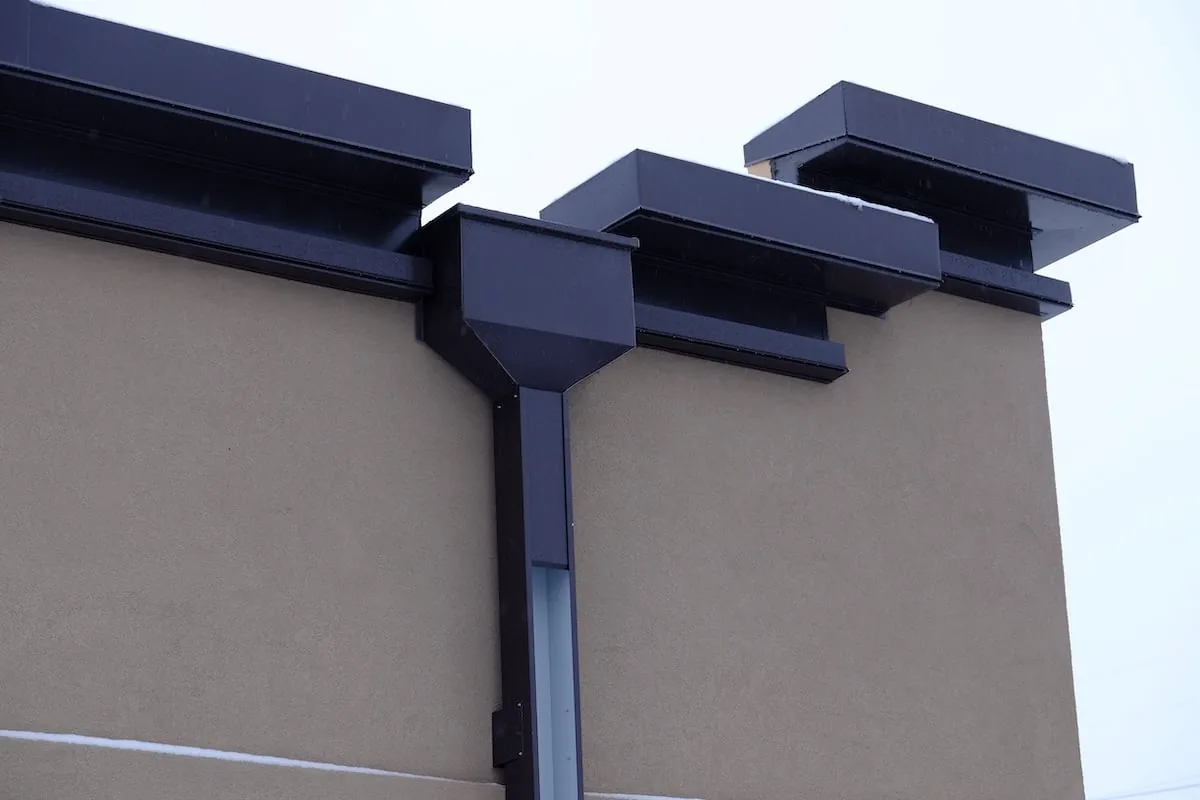
Scuppers are openings through a wall that let water out. They should sit at the lowest point of the roof edge. If a scupper sits too high, water stands below it. If a gutter sags, it spills against the wall. Good roof drains and scuppers are cleaned, reset or replaced as the walk shows.
Overflow drains are the backup. If the main drain clogs, an overflow scupper or drain lets water leave before it rises too high. A roof with no overflow can fill like a tub. We check that each overflow exists, sits at the right height and is clear.
Downspouts matter too. A downspout that ends against the wall wets the base, and one that ends over a walk makes ice in winter. We follow the water all the way to the ground.
Storm History and What It Means
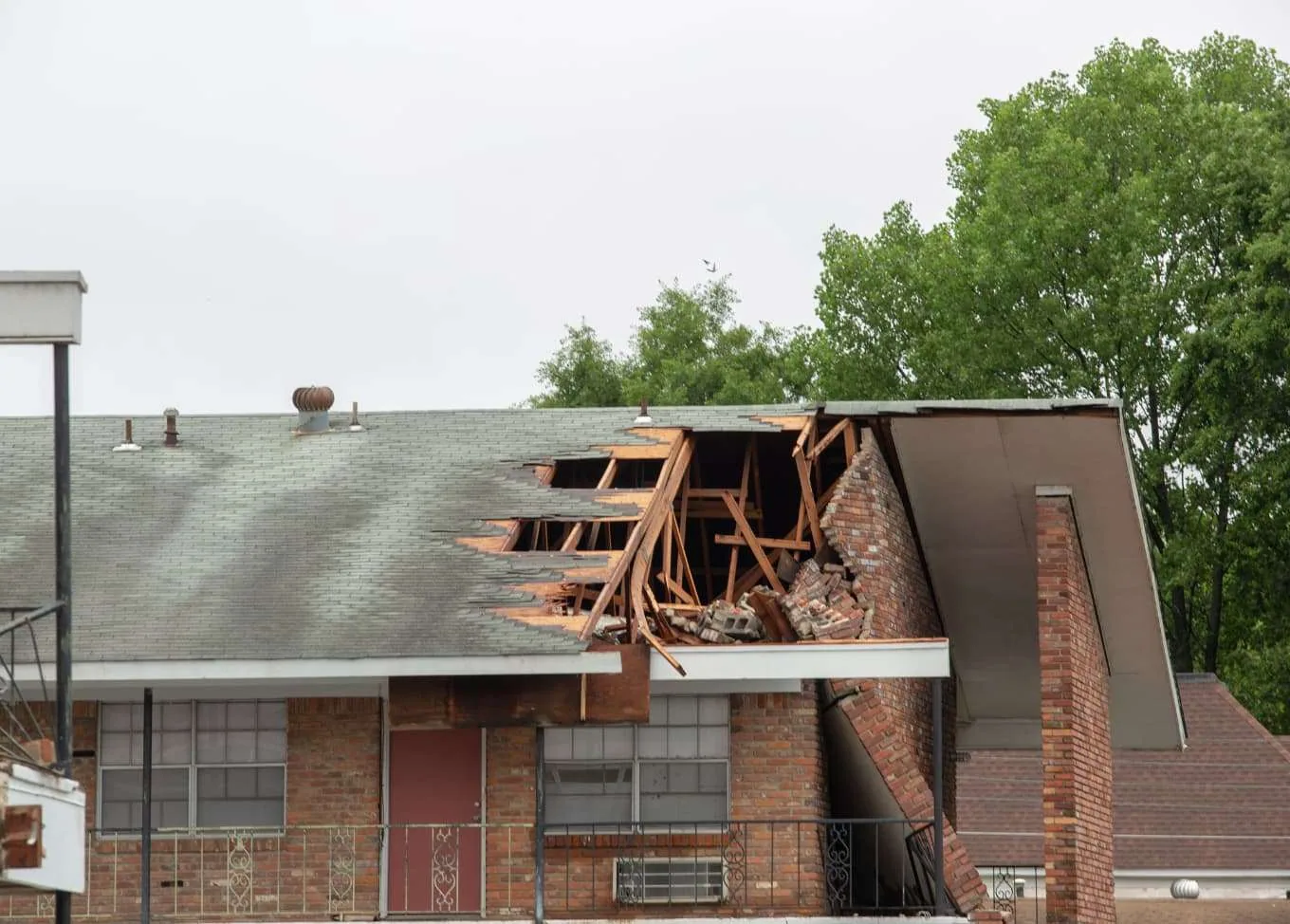
Baseball-size hail caused extensive damage in Iowa Park on April 2, 1991. An oil discovery in 1918 reversed a population decline, and a concrete highway to Wichita Falls was built in 1927. Those events are part of the town's story. They do not say what a roof looks like now, and each roof is checked on its own.
We use the 1991 event as a reminder to look at the surface after any hail: bruises, soft spots and dents on vents and flashing. A hail damage report lists counts and photos.
Gutters, flashings and vents on small buildings are often the first things to wear. A short list of fixes in a single visit costs less than a long list of emergency calls.
Buildings of different ages sit side by side in a town that grew with its roads and its industry, and each has its own roof system. We do not guess at the system from the street. A walk and a few core samples tell us what is there.
Heat and the Wet-Dry Cycle
Wichita Falls, down the highway, reports about 28 days a year at 100 degrees and has recorded 117 degrees. A roof dries fast in that heat, then gets soaked in a storm. The swing wears out sealants and stretches seams. Wet-dry cycles also help moisture creep into small gaps and settle in the insulation.
Look for chalking on the surface, cracks at flashing and seams that lift. An infrared moisture survey finds wet insulation after the water has gone from the surface.
Roofs also breathe. Hot air inside a sealed insulation layer expands, and a damp layer can push moisture toward the surface. Small vents and good seals keep the assembly stable. We look for blisters, which are bubbles that show where moisture or air has been trapped.
Sun also fades walkway pads, cracks plastic vent caps and dries out pipe boots. Those small parts are cheap to replace and costly to ignore. We carry spares and fix the ones we find on the same walk when the scope allows.
Public and Secured Buildings
The Texas Department of Criminal Justice James V. Allred Unit sits in Wichita Falls near Iowa Park. A secured site like that has its own access rules, and roof work on any secured or public building follows them: background checks, escorts, tool counts and set hours. We plan those steps into the schedule and ask early about the rules.
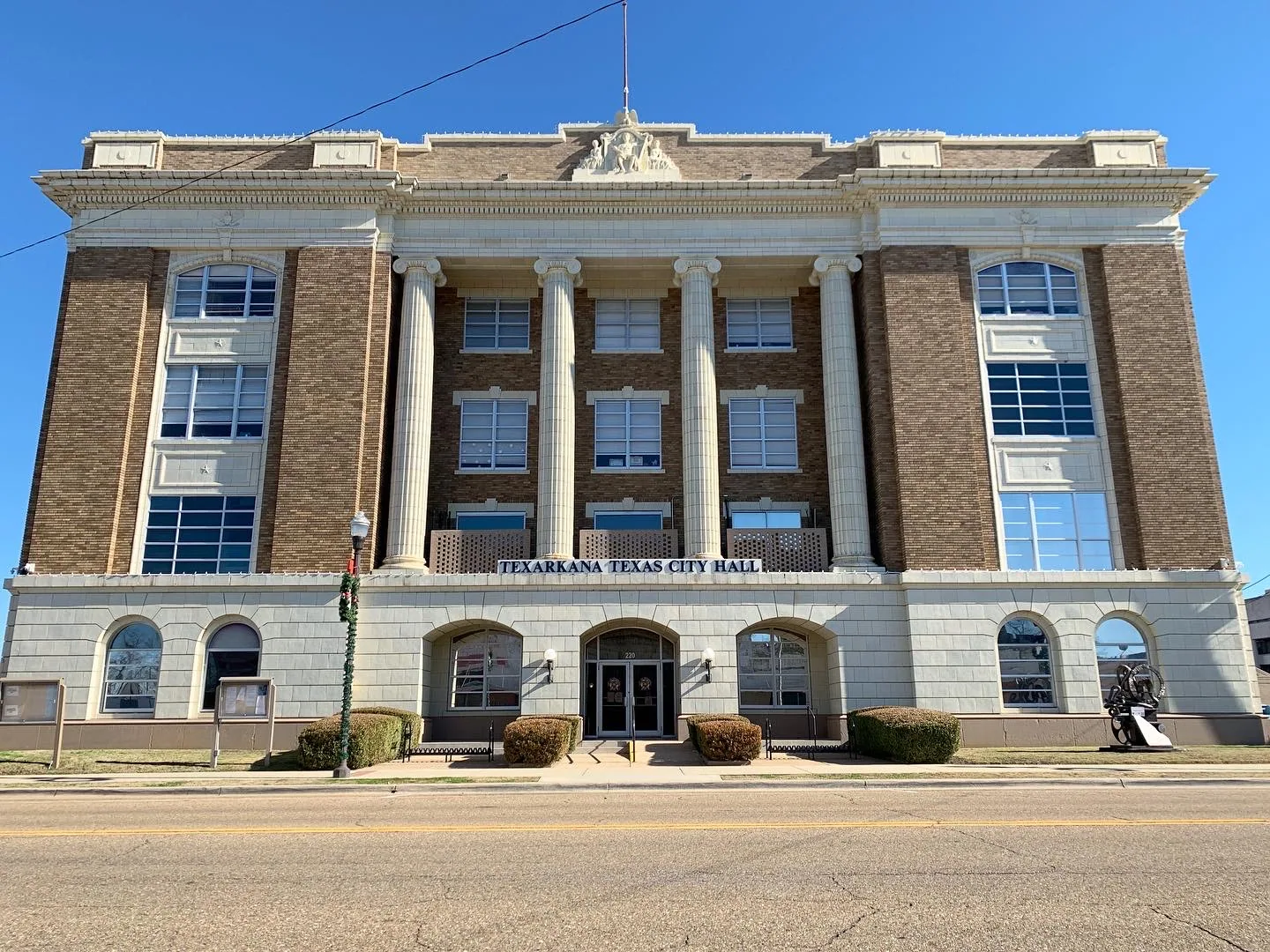
A government building roof also follows a bid process. We write the scope in line items with photos, so the owner can compare options.
Secured and public buildings often have rooftop equipment that serves the whole facility. Shutting that equipment down for a repair needs notice and sometimes a backup plan. We list each unit we must work near and ask who can approve a shutdown.
Tool control is a normal request at secured sites. We count tools in and out, carry only what the job needs and keep the roof clear of anything that could be misused.
Repair, Recover or Replace
If the problem is local, repair it. If the roof is tired and dry, a recover may fit. If insulation is wet in many places, replace the wet parts and the sheet. Moisture tests decide, and we explain the results in plain words.
Pricing follows roof size, the state of the deck, insulation, the number of drains and units and the access the building allows. The same approach carries to a building in Burkburnett or Electra.
If drains are part of the problem, we add them to the scope. A new drain, a deeper sump or a tapered section may cost more at first and less over the roof's life.
If a roof is close to the end of its life, a planned replacement beats an emergency one. You pick the season, order the material and tell the tenants. In an emergency, the weather picks for you.
For a roof with several small problems, we can group the repairs into a single visit and a single bill. That saves trips and keeps the roof under watch.
Commercial Roofing Questions
Is ponding water always a problem?
It is always a warning. Water that stays more than a day adds weight and wears the surface. Find the cause before it becomes a leak.
How often should drains be cleaned?
At least twice a year, in spring and fall, and after big storms. Roofs under trees need more.
What if my scupper is too high?
Water will stand below it. The scupper can be lowered, or a new one added at the low point.
Can a secured site have roof work?
Yes, with approvals. Escorts, background checks and tool counts are planned in advance.
What do I send first?
The roof age, the building use and any leaks. A sketch of where water pools helps too.