Step one on any leak call is a question, not a ladder: when did it start, and what was the weather? The answer narrows the search before anyone climbs. A leak that appears only during a hard wind-driven rain points to flashing, a wall joint or edge metal. One that shows after a long dry spell points to condensation or a pipe. One that follows every rain points to a membrane or drain problem. Commercial Roofing Wichita Falls uses this kind of reasoning for commercial roof leak repair in Wichita Falls, TX, and we write down each step so you can follow it.
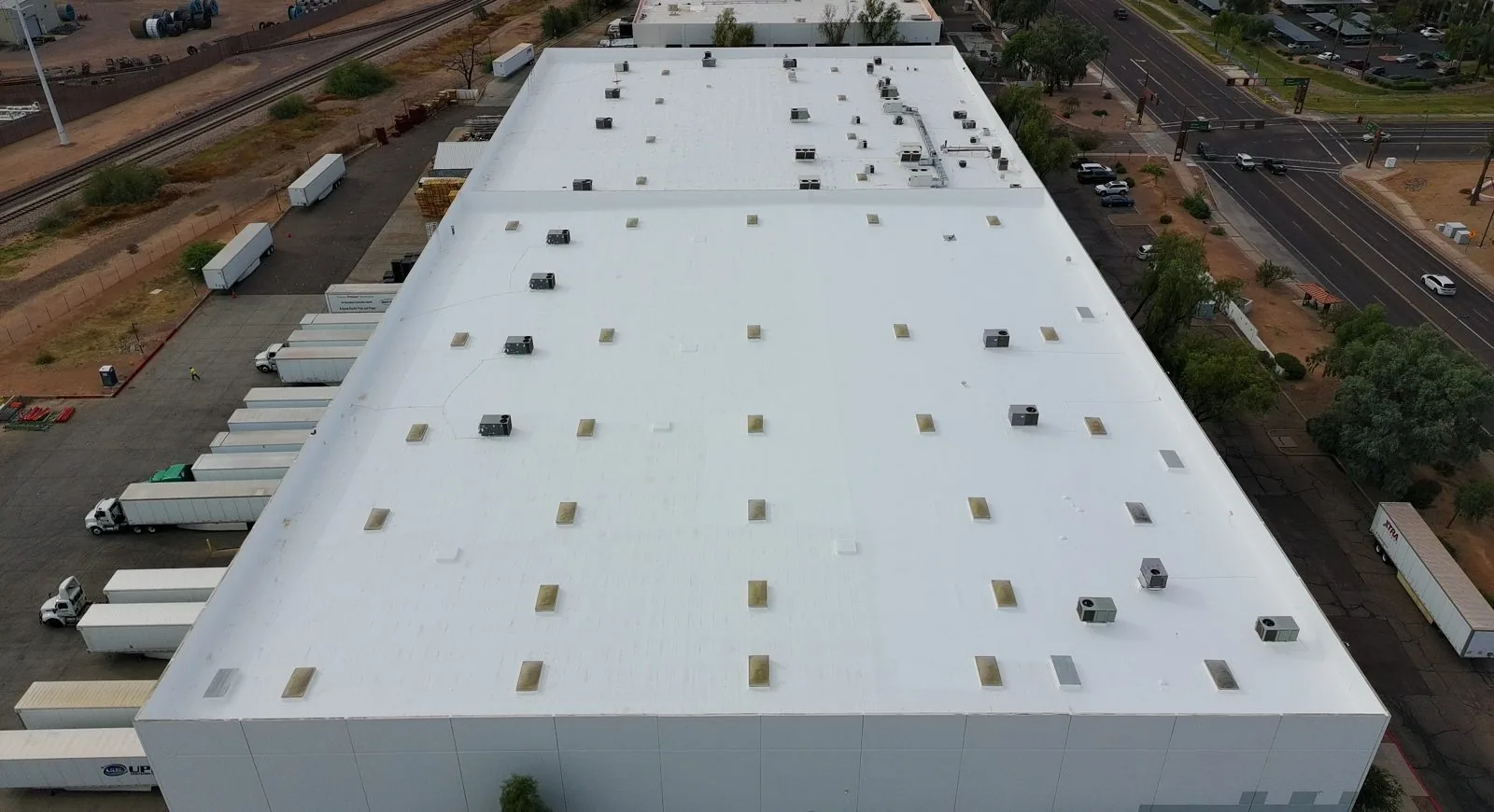
Here is one clean rule: a leak is a path, and every path has a start, a route and an exit. We find all three, because repairing the exit only moves the water to a new place.
Trace the Route
Water inside a building rarely sits under the hole in the roof. It rides along the top of the deck, follows a steel purlin, drips down a conduit or soaks into insulation before it finally shows up on a ceiling tile or a stack of inventory. For this reason we map the interior first, noting every stain, drip and damp tile, then draw a line toward the roof and look for a feature that sits along it: a curb, a drain, a seam, a roof-to-wall joint.
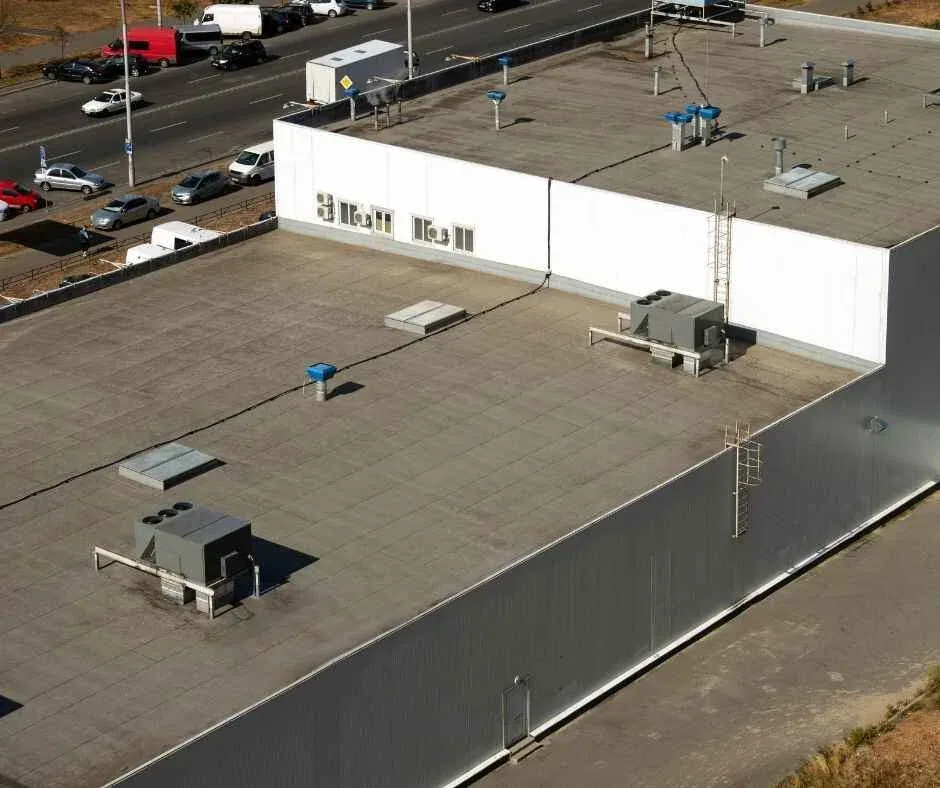
On a warehouse or distribution building, the kind the Wichita Falls Business Park is marketed to attract, the interior can be hard to survey, with high ceilings and racking in the way. We ask the facility manager for any reports of leak dates and locations, because a pattern across several visits is often the best clue we have.
Test, Do Not Guess
When the visual search does not settle it, we test. A controlled water test sprays a small area at a time while someone watches inside, starting low and moving up until the leak appears. It is slow, but it separates a flashing leak from a seam leak with a certainty that guessing never gives. For large roofs we add a moisture scan to find wet insulation that marks the path, and we sometimes use smoke or dye in drains and pipes.
Skip the testing and you pay twice. A patch on the wrong seam looks like a repair, passes a quick check and fails the next time it rains. We would rather spend an hour confirming the source than send a crew back for the same leak. When the leak is one of several, a moisture survey shows how far the wet area runs.
Common Culprits
Some leak sources show up again and again. Pipe penetrations with cracked boots top the list, followed by failed sealant at counterflashing, open seams at the edge of a sheet, clogged drains that hold water against a seam, and fasteners that backed out and lifted the membrane. Rooftop units add condensate lines and curbs that move as the unit expands. On metal roofs, the usual suspects are fasteners with worn washers and laps that opened with thermal movement.
Triple-digit afternoons arrive on about four weeks of a typical year, and that heat cycles every one of these details. Expansion and contraction loosen joints that were tight in spring. That is why a leak that appeared in September often began as a small defect in June.
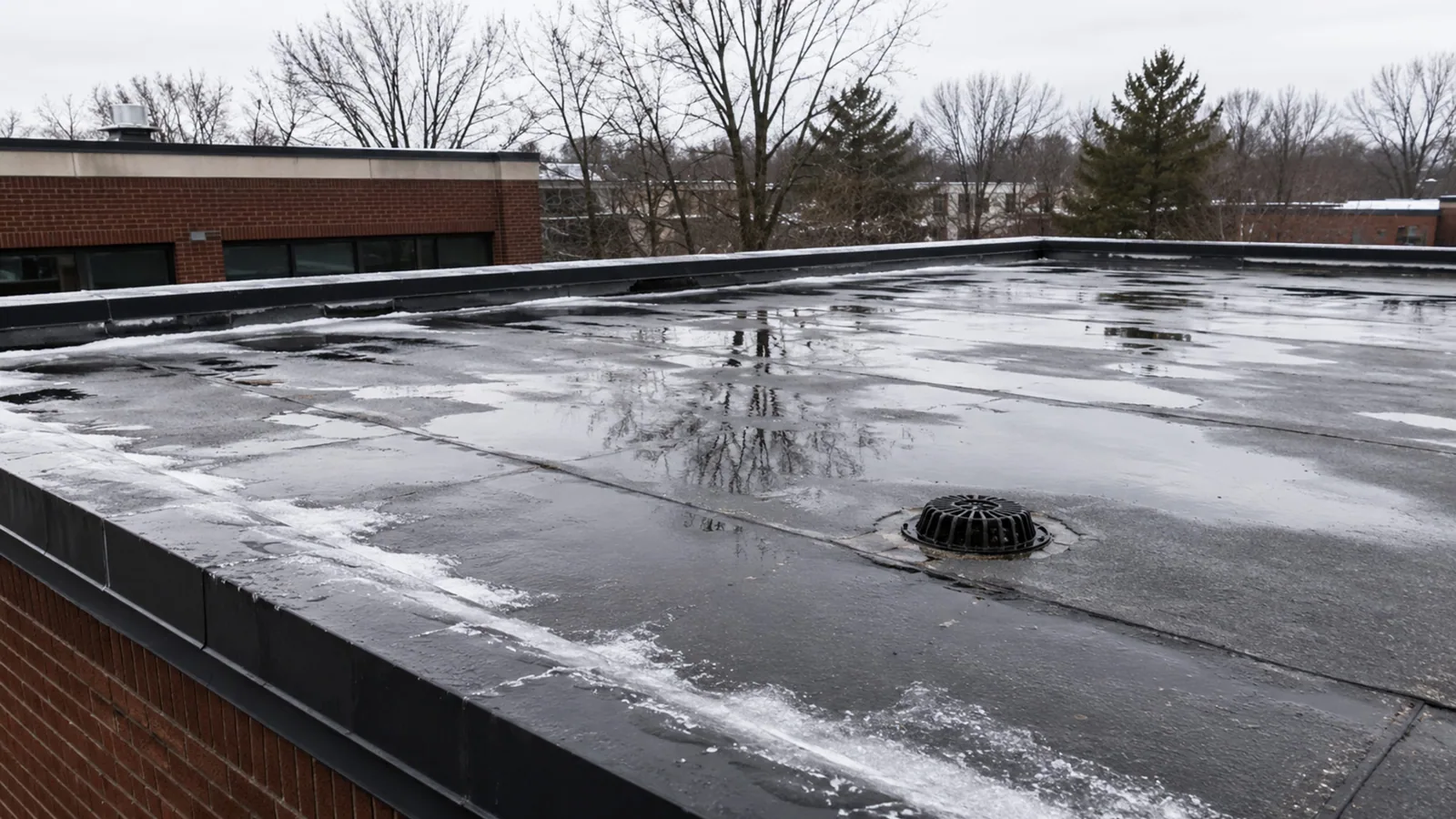
Drainage failures deserve a separate look. A drain choked with leaves and grit leaves water standing against a seam for days, and a ponding water area raises the load on the membrane while it speeds wear. We clear roof drains and scuppers, check that the sump sits lower than the surrounding field, and look for cracks around the drain bowl. A leak at a drain is common, and it is among the cheapest to fix when found early.
Storms and Hidden Damage
After hail, a roof can leak weeks later. Hail the size of baseballs fell on Iowa Park and Burkburnett in April 1991, and a bruise in the membrane or insulation does not always leak right away. It lets water in slowly, and the first sign inside the building can arrive after the next heavy rain. If a roof took a hit, we scan the area even when nothing is dripping yet.
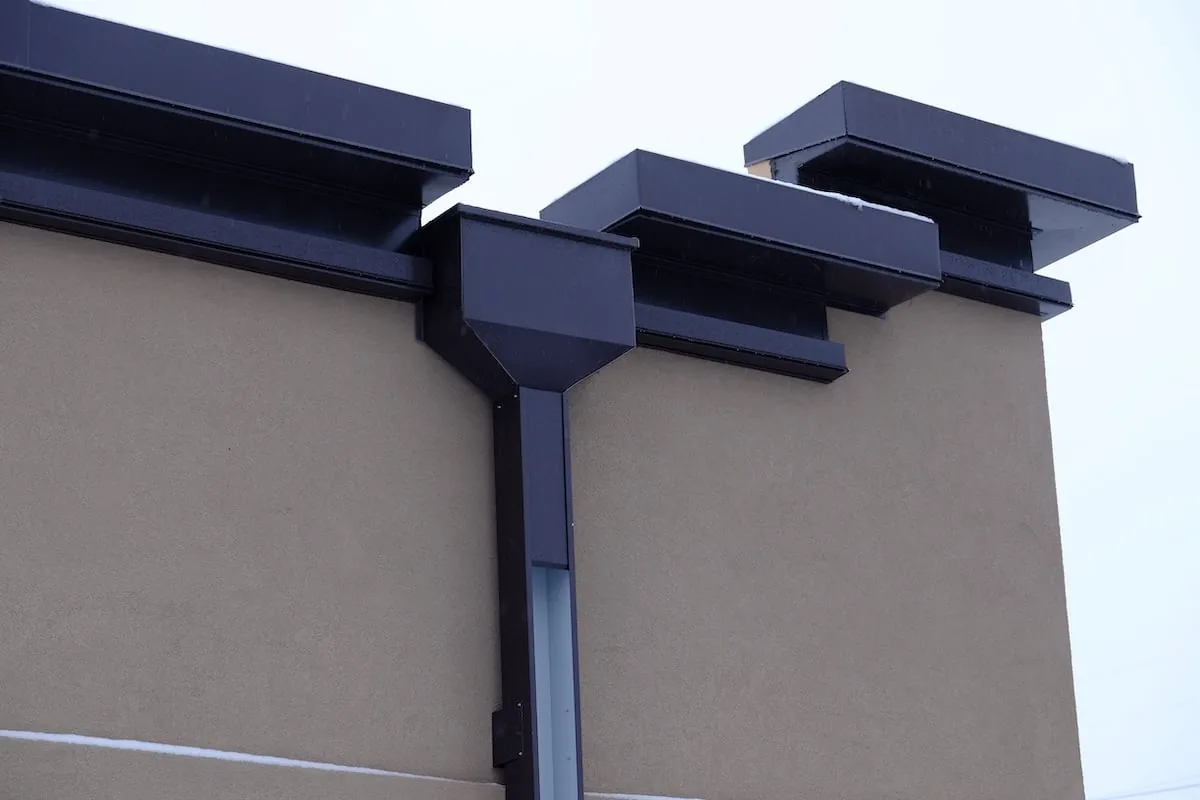
Wind damage works differently. A lifted edge or torn flashing opens the roof instantly, and the first rain does the damage. If the leak followed a storm, our wind damage repair steps start with temporary protection, then move to a durable fix.
Temporary Stops and Real Fixes
Not every leak can wait for a full repair. If water is entering a live building, we make the roof tight first with a temporary measure such as sealant, a patch or a tarp, and then we return to fix the cause. A temporary stop is a bridge, not a destination, and we mark it in the report so it does not get forgotten.
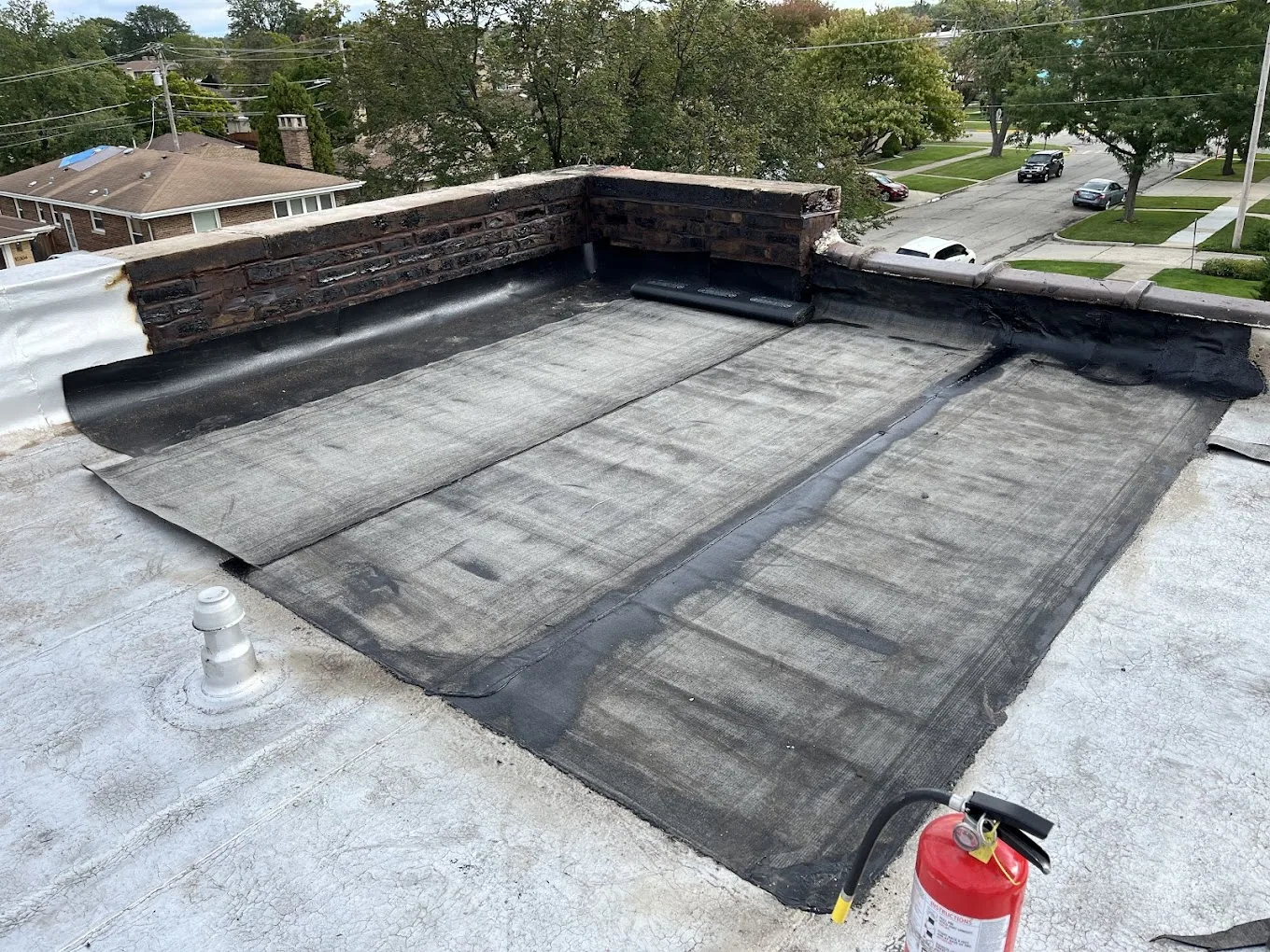
The real fix depends on the source. A cracked boot gets replaced, not smeared. An open seam gets cleaned and re-welded or re-adhered. A failed flashing gets rebuilt to the termination height the system needs. A drain gets cleared and re-sealed. When the evidence shows the leak is one of many, we say so and discuss a broader roof repair plan.
Protect the Inside
A leak does damage beyond the roof. Wet insulation, stained ceilings, corroded fixtures and mold all follow if water stays long enough. While we work on the source, we advise on interior steps that limit harm: moving inventory, covering equipment, opening ceiling tiles to let air through and documenting damage for your insurer.
Good photographs help. We record the roof, the route and the interior damage together, so a claim or a landlord conversation has facts behind it. If a tenant or a manager in a place like downtown Wichita Falls calls us, we ask for the spot, the time and a few photographs, and we plan the first visit from those details.
Commercial Roofing Questions
Why does my roof leak only in heavy rain?
Heavy, wind-driven rain pushes water sideways into flashing, wall joints and the edges of a sheet that stay dry in light rain. That pattern usually points to a vertical detail or edge metal, not the field of the membrane.
Can a leak be fixed in wet weather?
A temporary stop often can, with materials made for wet surfaces. A permanent repair needs a clean, dry surface, so we return when conditions allow. We note the temporary measure in the report so nothing is forgotten.
How much of the roof do you need to open?
Only what the evidence requires. We start with visual checks and testing, and we cut a small section if we need to see the insulation. Each opening is sealed the same day.
What if the leak keeps returning after a repair?
A returning leak usually means we fixed the exit and missed the start, or the roof has several defects. We trace the route again, scan for wet insulation and report whether a wider repair or replacement is the better path.
Should I tell my insurer about a leak?
Report water damage to the insurer promptly, and keep photographs, dates and invoices. Gradual leaks from wear are often treated differently from storm damage, so a clear cause in writing matters.