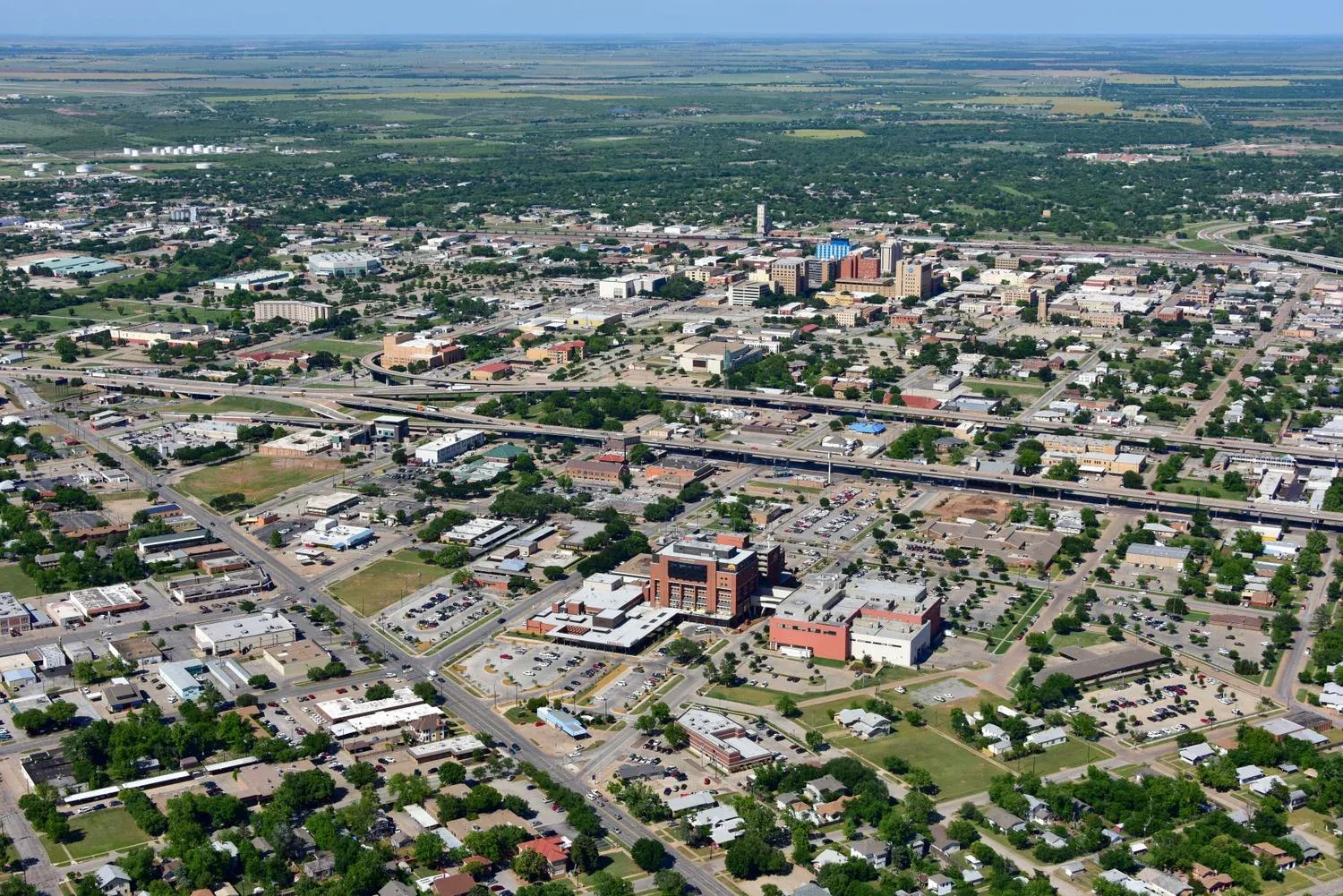
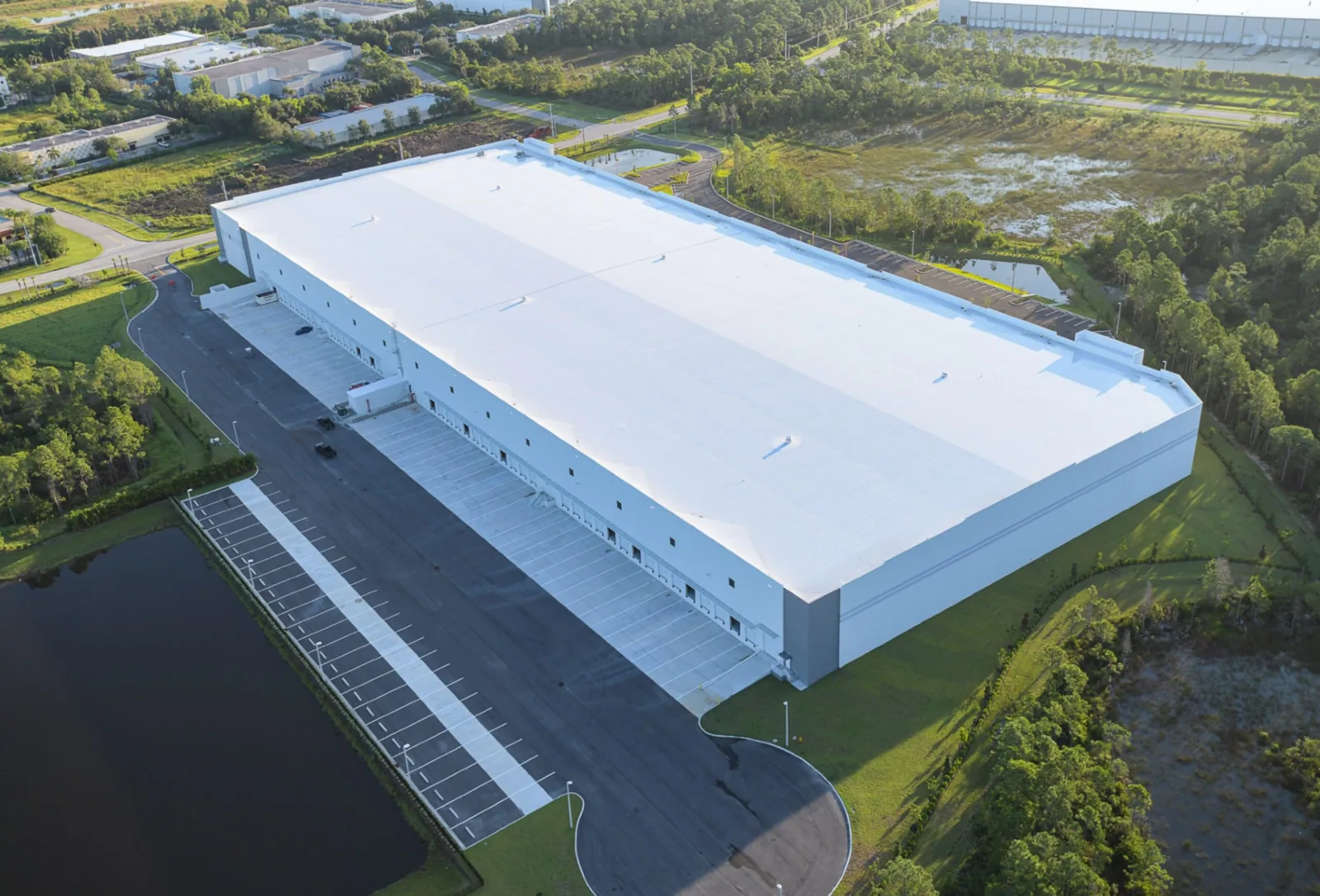
A property manager with several buildings needs one clear rule: triage the active water first, then compare every roof on its own condition. We help Wichita Falls, TX property teams inspect low-slope and metal systems, set repair priorities and plan work around tenants. A warehouse, clinic and neighborhood retail building do not fail in the same way. The service record should show that difference before a budget line becomes a contractor scope.
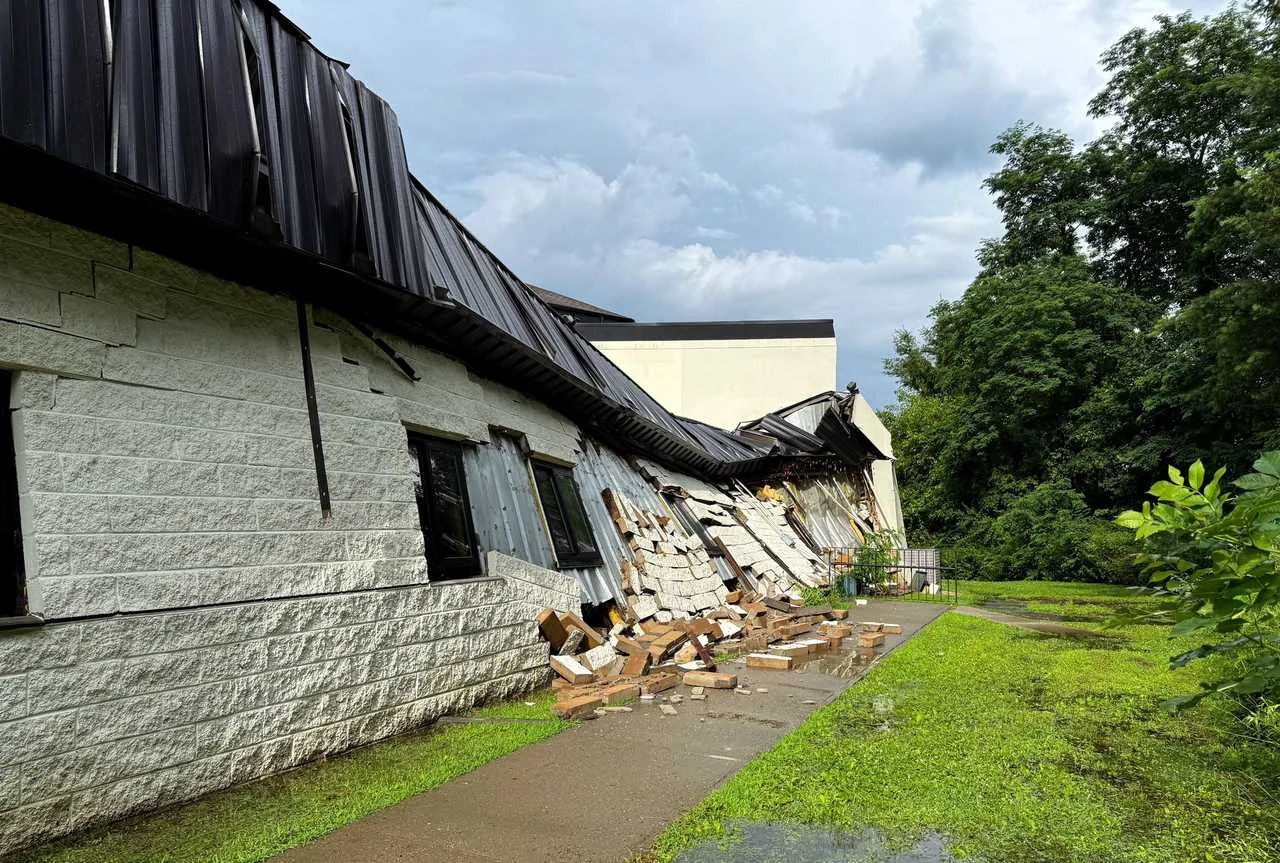
Start with the building. We ask what is leaking, what work has already been tried and who needs access notice. Then we walk the roof and map the finding. The manager gets a next step that fits the property, not a generic list.
Give each property its own record
Keep one register for the portfolio, but give every address a separate roof entry. Record the system, approximate age when known, access point, drainage layout, prior repairs and current tenant reports. Unknown details stay marked as unknown until a visit or old invoice confirms them. This saves time when an owner asks why one roof is in the repair budget while another is being watched.
A roof asset record can carry inspection dates and open work across buildings. We can pair it with photographed condition reports so each roof has a baseline. A property in the Wichita Falls Business Park may house a distributor or a manufacturer, and the roof over each is read as its own asset.
Sort calls by consequence
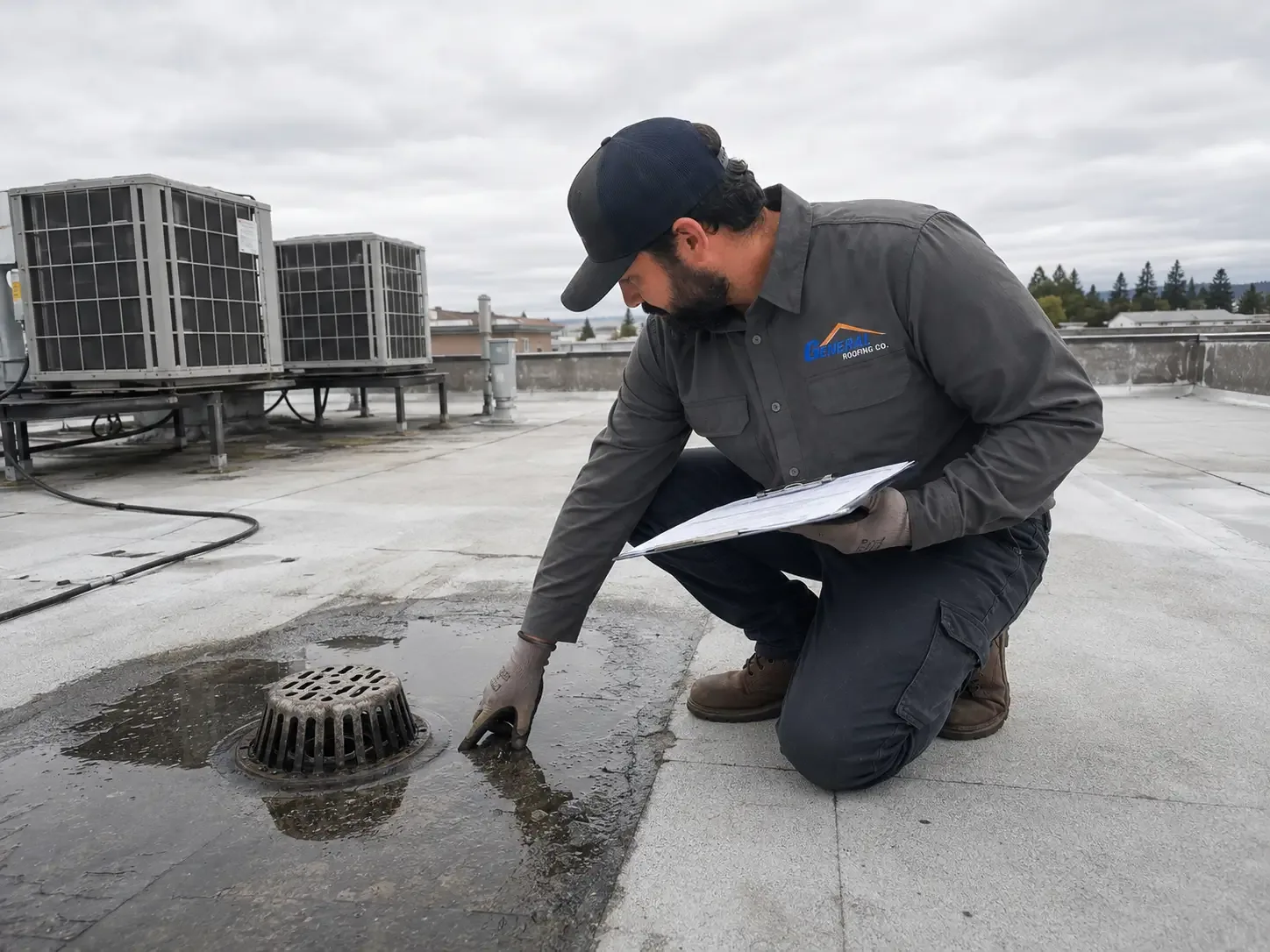
When a tenant reports a ceiling stain, ask for the room, time noticed and whether water is still entering. A drip over a server room or occupied office can carry more immediate consequence than a small surface issue over an empty bay. We check the roof area above the report, then trace nearby seams, curbs, drains and wall terminations. The water path may travel before it appears indoors.
Emergency response is available through every hour of the week, including holidays. We confirm current dispatch details and access before sending a crew. For a repair scope, the repair visit records what was opened, what was closed and what still needs follow-up. That note goes into the property work order, so the next call does not start with a blank history.
Inspect on the roof, not from the lobby
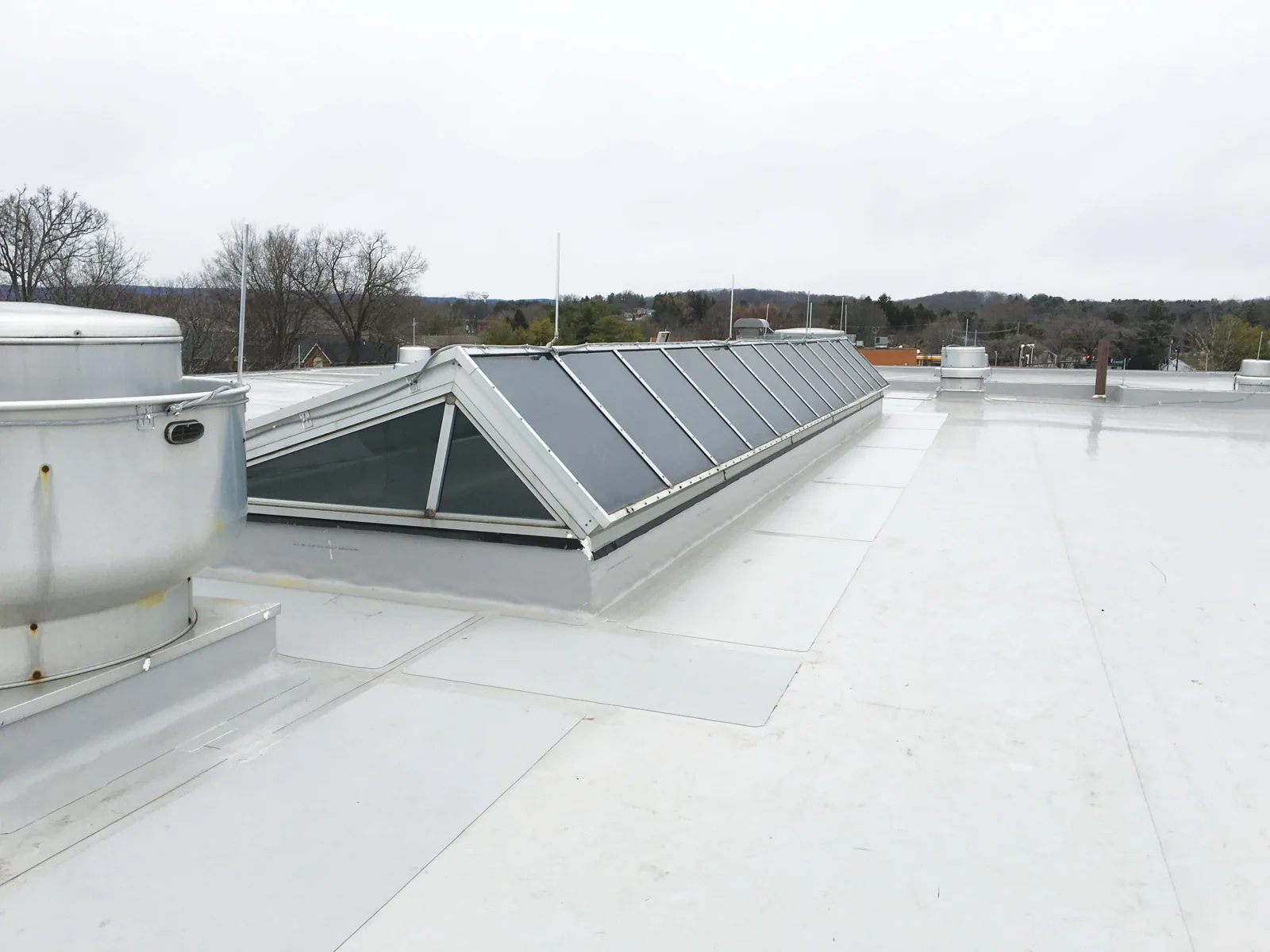
A scheduled roof inspection checks edges, seams, flashing, penetrations and drainage. Heat can age a membrane, hail can bruise a surface, and wind can work at loose details. Summer heat, with about 28 days a year at 100 degrees, ages a membrane and moves its sealants, so a regular review earns its place.
The April 1979 tornado cut an eight-mile path through the south and east of Wichita Falls and damaged commercial businesses, and baseball-size stones hit Iowa Park and Burkburnett in 1991. A manager with buildings along those paths can plan a post-event review for them. After a local weather report, we inspect the building, photograph what is visible and separate new findings from old repairs. We also ask when each tenant first noticed a stain, because the date helps separate a storm leak from a slow one. The manager can then decide whether to submit a claim or proceed with maintenance.
Make the budget match the roof
Repair costs change with access, roof height, system type, wet insulation, edge details and how much area needs opening. We identify the scope and state assumptions before pricing. If a concealed deck condition could change the work, the estimate should say how that item will be handled. A manager can then compare a repair budget with replacement planning without treating an allowance as a final invoice.
For buildings in the Business Park area, distribution and manufacturing operations may have loading schedules that affect staging. A manufacturing roof program can group compatible inspections, while logistics properties need access plans that respect receiving hours. The buildings can share a calendar, but each proposal remains tied to its own roof and operating needs.
Plan access before the crew arrives
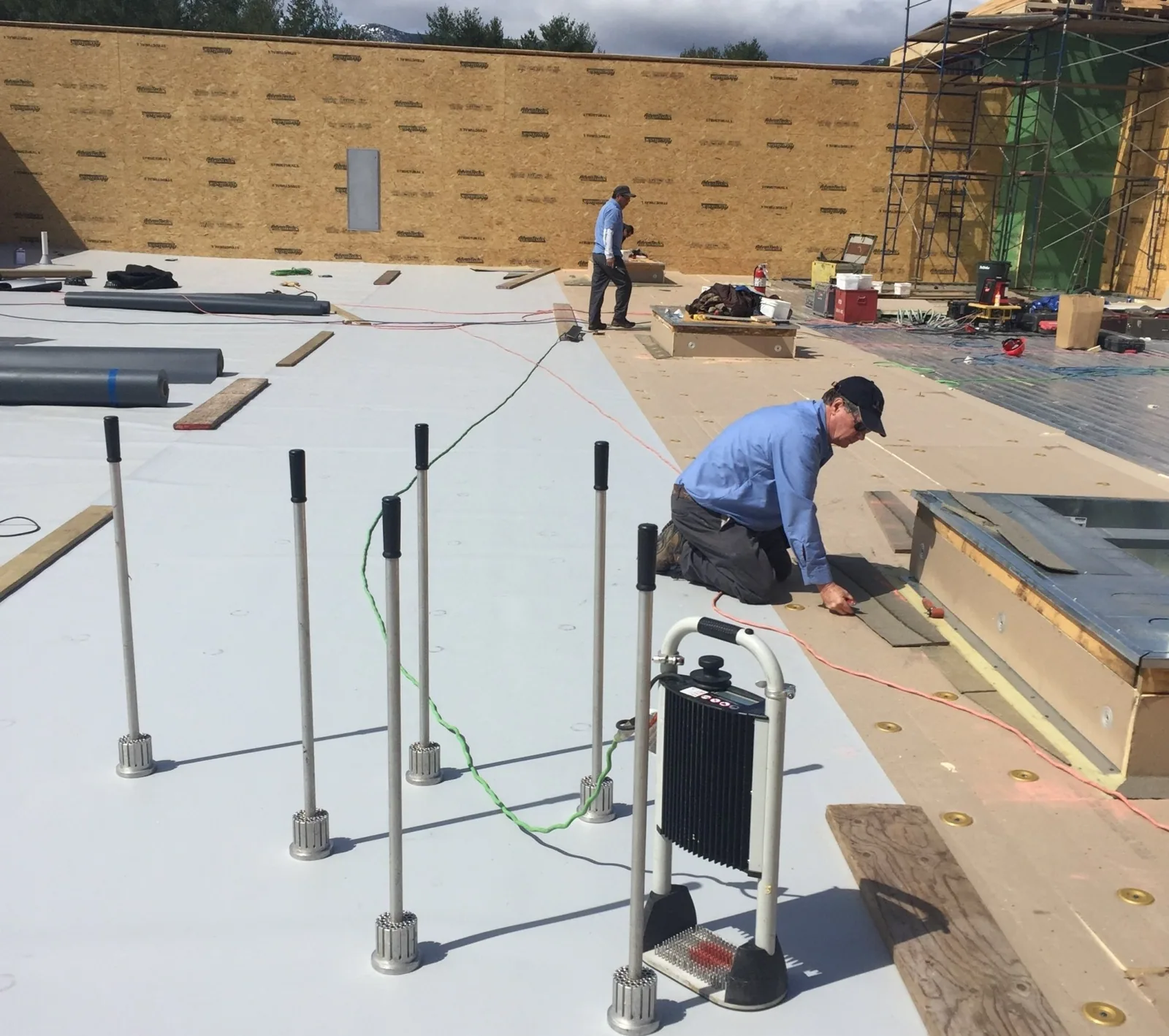
Roof access is often the first scheduling constraint. Confirm keys, ladders or hatch procedures, escort needs, tenant notice and any hours when noisy work must pause. Rooftop units may serve occupied rooms, so identify sensitive areas before opening the membrane. We can divide a project into sections and coordinate work with property staff, but the schedule depends on weather and the actual scope.
For active facilities, occupied-building reroofing uses a phased sequence that limits how much roof is open at one time. A new leak can still move ahead of planned work. After completion, we provide a closeout note with repaired areas, photos and any remaining items, which gives the property manager something concrete to report to the owner.
Close out the work order
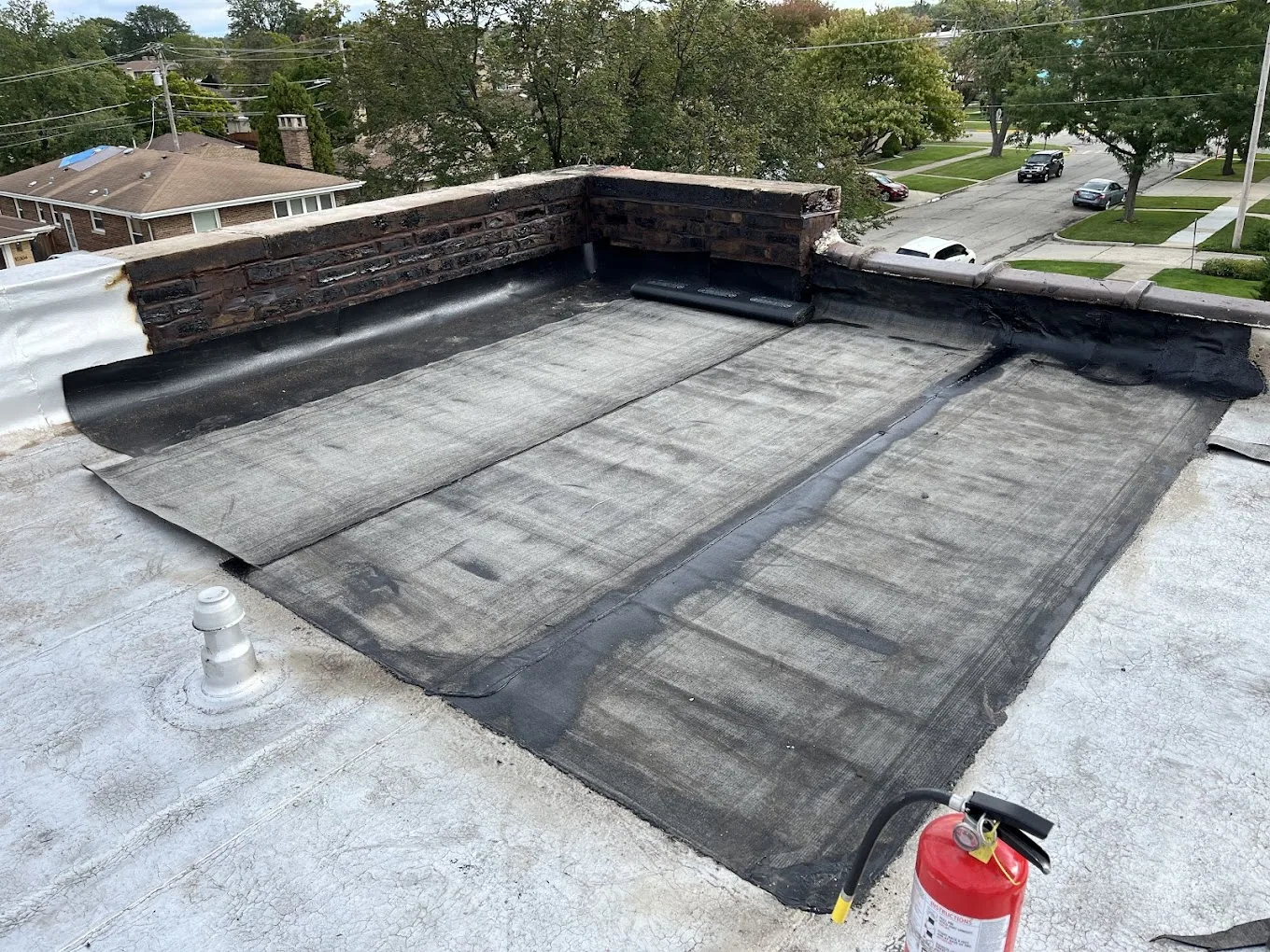
After a repair, record the date, roof section, materials used and whether the reported symptom stopped. Leave unresolved questions visible, such as a second area that needs testing or a tenant room that should be checked after the next rain. A short closeout helps the next manager distinguish a completed repair from a temporary measure. It also gives the annual budget review a better account of where roof spending went.
Property teams can send the building list, available roof plans and current leak reports for an initial review. We will identify where a field inspection is needed and help set a practical order for service. The work can then move from tenant call to roof finding to a defined decision, one building at a time. For a portfolio with different access contacts, we can include the person who opens the roof hatch and the hours when a visit is practical.
Commercial Roofing Questions
How should a manager prioritize roof calls from different tenants?
Record the location, whether water is active and what interior space or equipment is affected. We inspect the corresponding roof area and decide whether a repair needs immediate attention or can be scheduled. Active water takes priority. A stain with no current entry still deserves a trace, because the source may be a seam or curb several feet from the ceiling mark.
Can one roofing schedule cover all our properties?
A shared calendar can coordinate visits, but each roof needs its own findings and work order. We group sites when access, geography and operating hours allow. The system, condition and tenant needs determine the inspection time at each address. That keeps a portfolio efficient without treating unlike buildings as one job.
What documents help before the first inspection?
Bring prior reports, repair invoices, roof plans, warranty papers and any current leak log. We use those records to understand past work and identify gaps, then verify conditions in the field. If a roof age is uncertain, mark it as unknown rather than carrying a guessed date into a capital budget.
How do you work around occupied tenants?
We coordinate access, notice and work hours with the property contact. A repair may need only a short visit, while a larger reroof can be divided into sections. We confirm where equipment, entrances and tenant operations could affect staging before the crew begins. The building remains the focus of the schedule.
What should happen after a storm affects the area?
Use the event as a reason to review roofs that may have been exposed, then document what each inspection finds. We photograph visible conditions, list repairs and keep the report with that property's records, so a later claim or budget review starts from dated facts.