A plant roof carries the weather from above and the process from below, and the second load is the one that surprises people. Exhaust stacks, hot air, vapors and vibration all work on the membrane from underneath or from the units standing on it. In Wichita Falls, TX, manufacturing is one of the area's major business clusters. Start with what the plant makes and how it vents. Then read the roof in layers, from the deck to the surface, and match the repair to both loads.

Know What the Plant Does
Manufacturing sits beside aerospace and aviation suppliers and business support services among the Wichita Falls area's leading clusters, and Arconic, Pratt & Whitney and Sealed Air are named among its major employers. A name on that list does not reveal what sits on its roof, so each plant is read on its own.
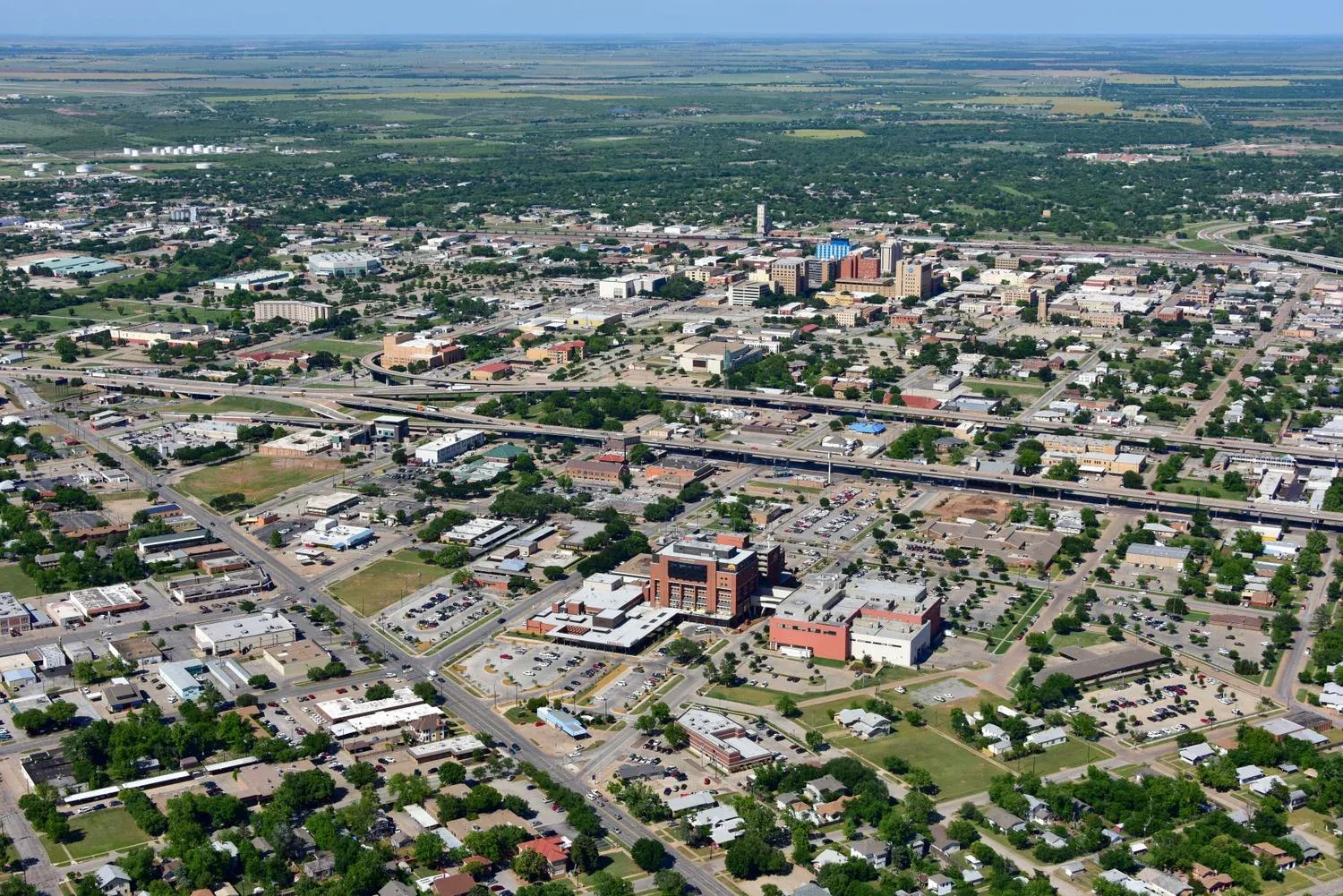
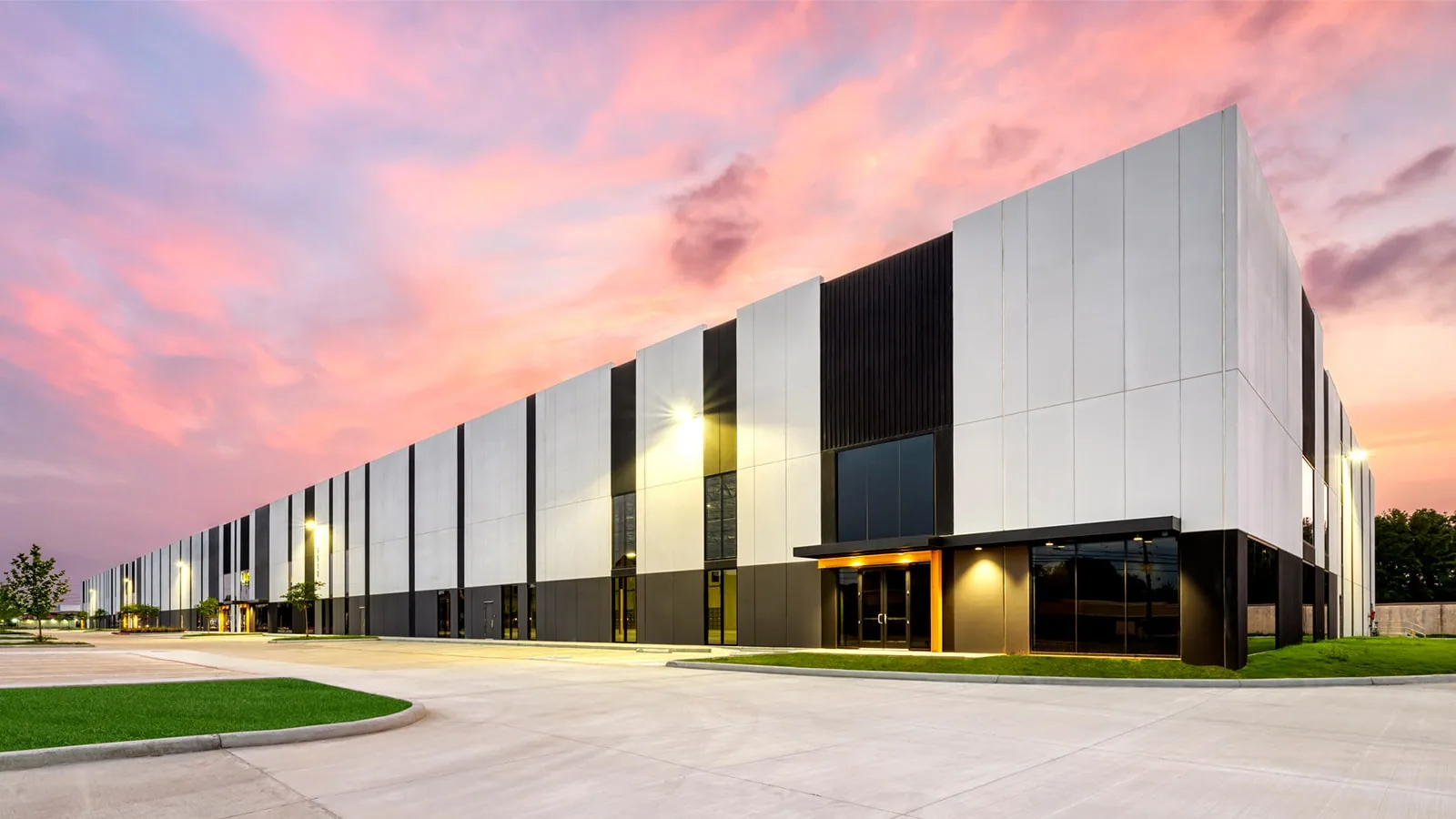
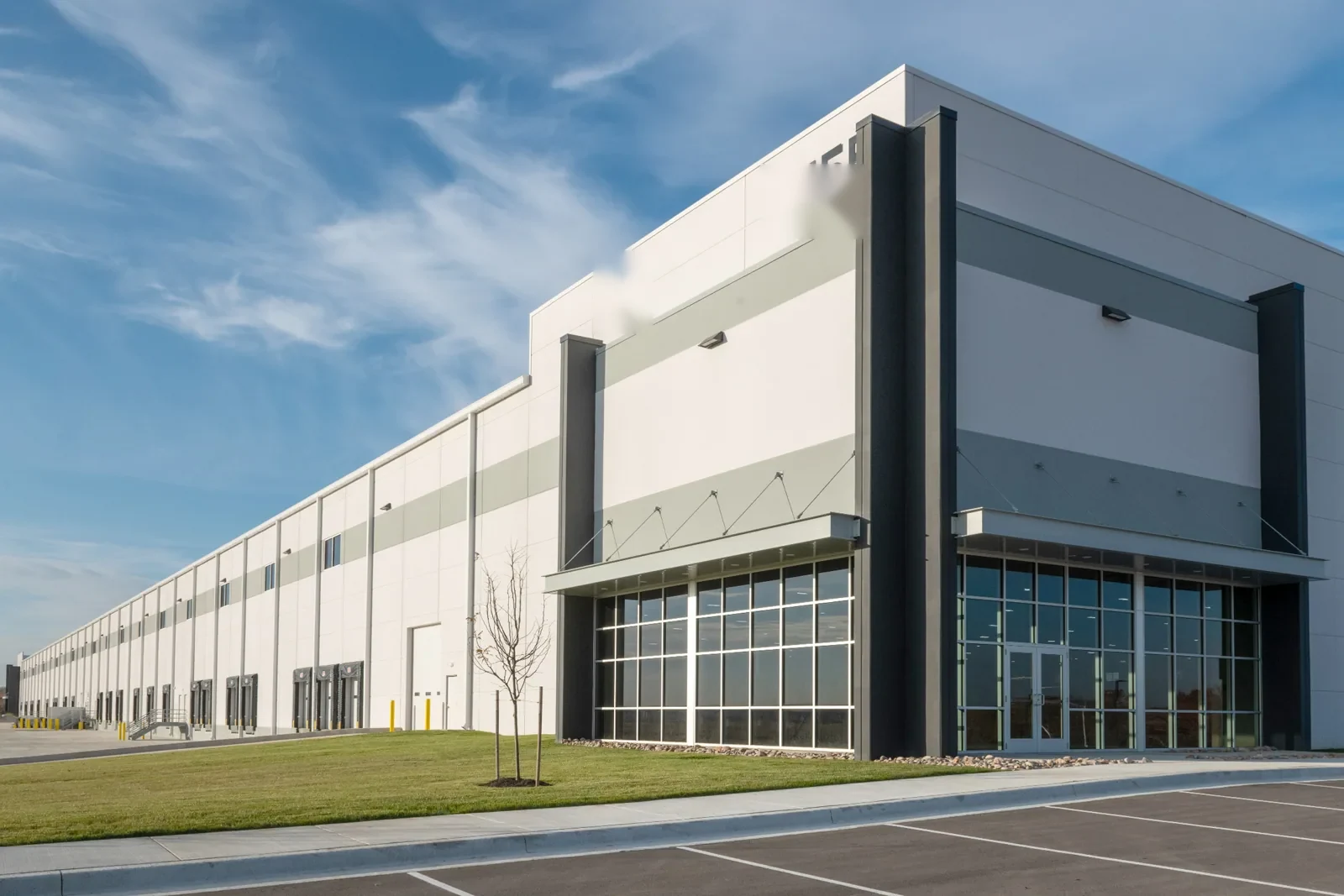
The Wichita Falls Business Park offers manufacturers, distributors and high-tech operations 525 acres and room to expand. A distribution center next door runs a different clock from a plant, so each building gets its own access plan. A plant that grows adds lines, and a line that is added usually adds a penetration. So the first question on a first visit is simple: what has been added to this roof since it was built, and who sealed it?
Read the Layers
Step one is the deck, then the insulation, then the cover board, then the membrane. In a plant, each layer meets conditions a warehouse never sees. Heat from a process below can dry insulation out or drive moisture upward. Exhaust that vents near the surface can attack some membranes and sealants. A grease or oil mist settles on the sheet and softens certain materials.
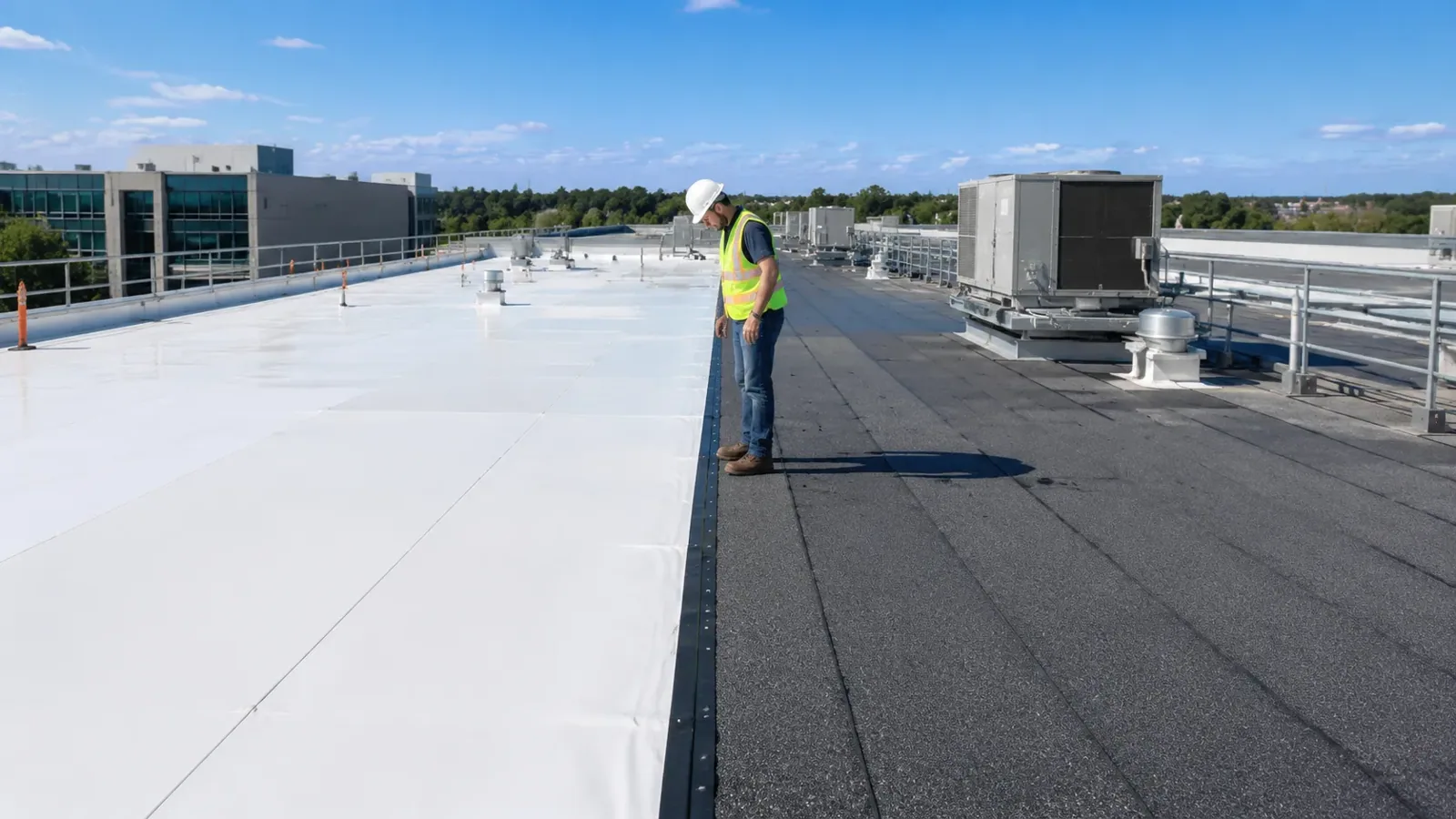
That is why the membrane choice matters, and why we ask what the exhaust carries before we name a system. A PVC roof resists many oils and chemicals that damage other single-ply sheets, and it welds into strong seams. A modified bitumen roof tolerates traffic. The right choice depends on what lands on the roof, not on what is cheapest per square foot.
Where It Fails First
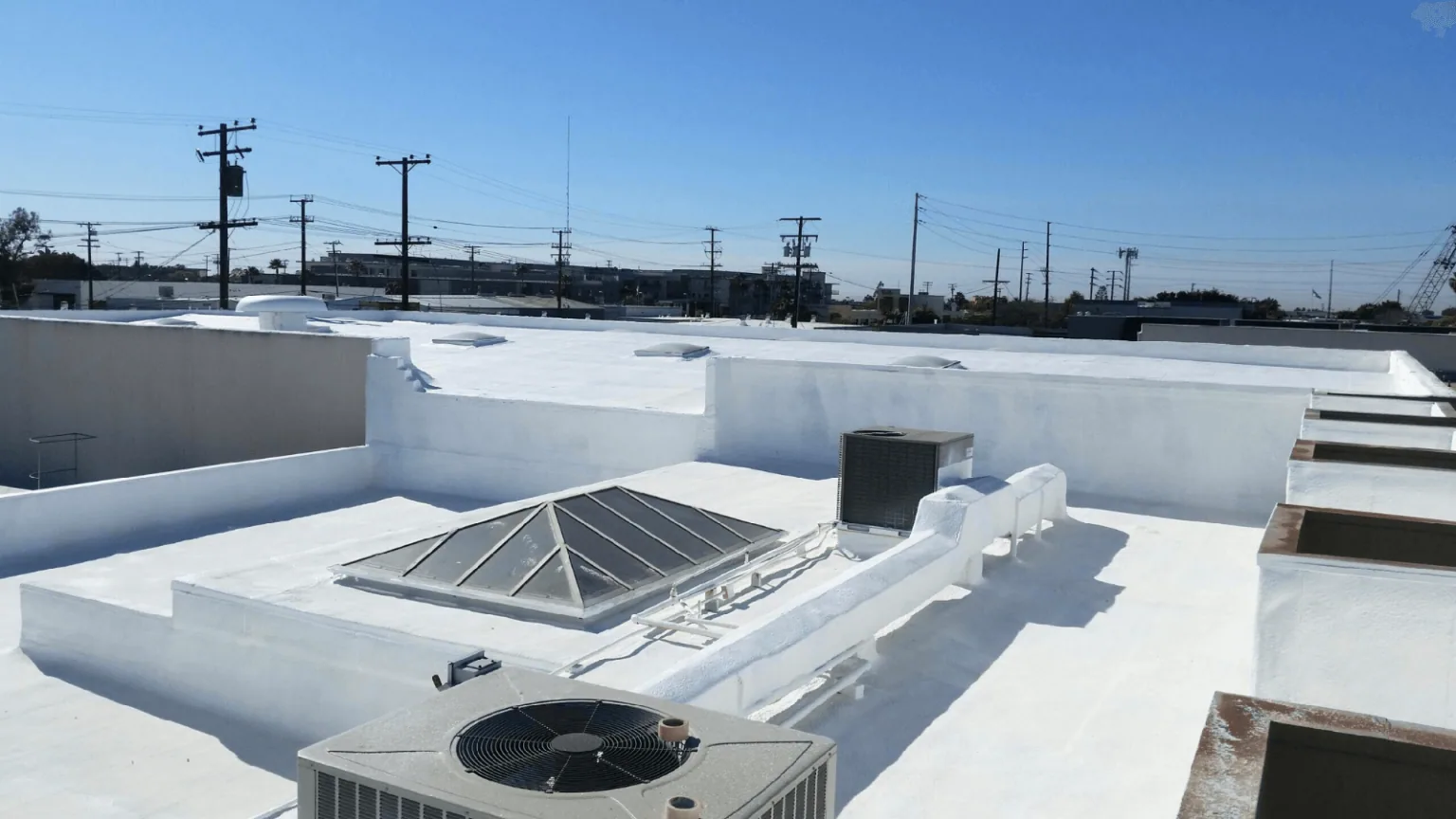
Plant roofs fail where the process touches them. Exhaust fan bases crack. Stack flashings open. Curbs for process equipment settle or shift, and the seal fails at a corner. Condensate lines drip on one spot for years and wear a hole in the sheet. Vibration loosens fasteners and works at seams.
Then there is the weather. The calendar adds a good 102 days a year at 90 degrees or higher. A dark membrane over a hot process runs hotter still, and the swelling and relaxing fatigues every weld. Hail adds bruises that may not leak for months, since the stones can crush insulation under a sheet that looks whole, and a ponding line shows where drainage lost the fight with the sheet. Each of these is a separate finding with a separate cause, so each gets its own line in the report. A leak under a process line is a different priority from a leak over a loading aisle, and the report ranks them that way.
What to Check
A plant walk starts with a conversation. We ask which areas inside cannot take a drip, which exhausts run hot and which units were added or moved. Then we walk the roof with that map in hand.
- Exhaust fans, stacks and hoods, with base flashing and membrane condition near each.
- Process equipment curbs and supports, checked for movement and failed seals.
- Condensate and drain lines that discharge onto the roof surface.
- Seams and laps, probed from end to end, and the edge metal that holds them down.
- Drains and overflow, flushed, with ponding lines noted and measured.
A moisture scan follows where the walk finds a suspect area. Core cuts confirm the findings and show whether process heat has changed the insulation. The result is a roof plan that matches the plant plan. Both drawings carry the same equipment tags, which makes the next shutdown, the next unit swap and the next inspection faster. A current pair of drawings shortens any argument about where a leak started.
Repair or Replace
Here is one clean rule: protect the process first. Where the layers are dry and the damage is local, repair the curb, the stack flashing and the seam, and add protective pads or splash guards where lines drip. Where insulation is wet across a wide area, or the membrane has hardened under heat, plan a replacement in phases.
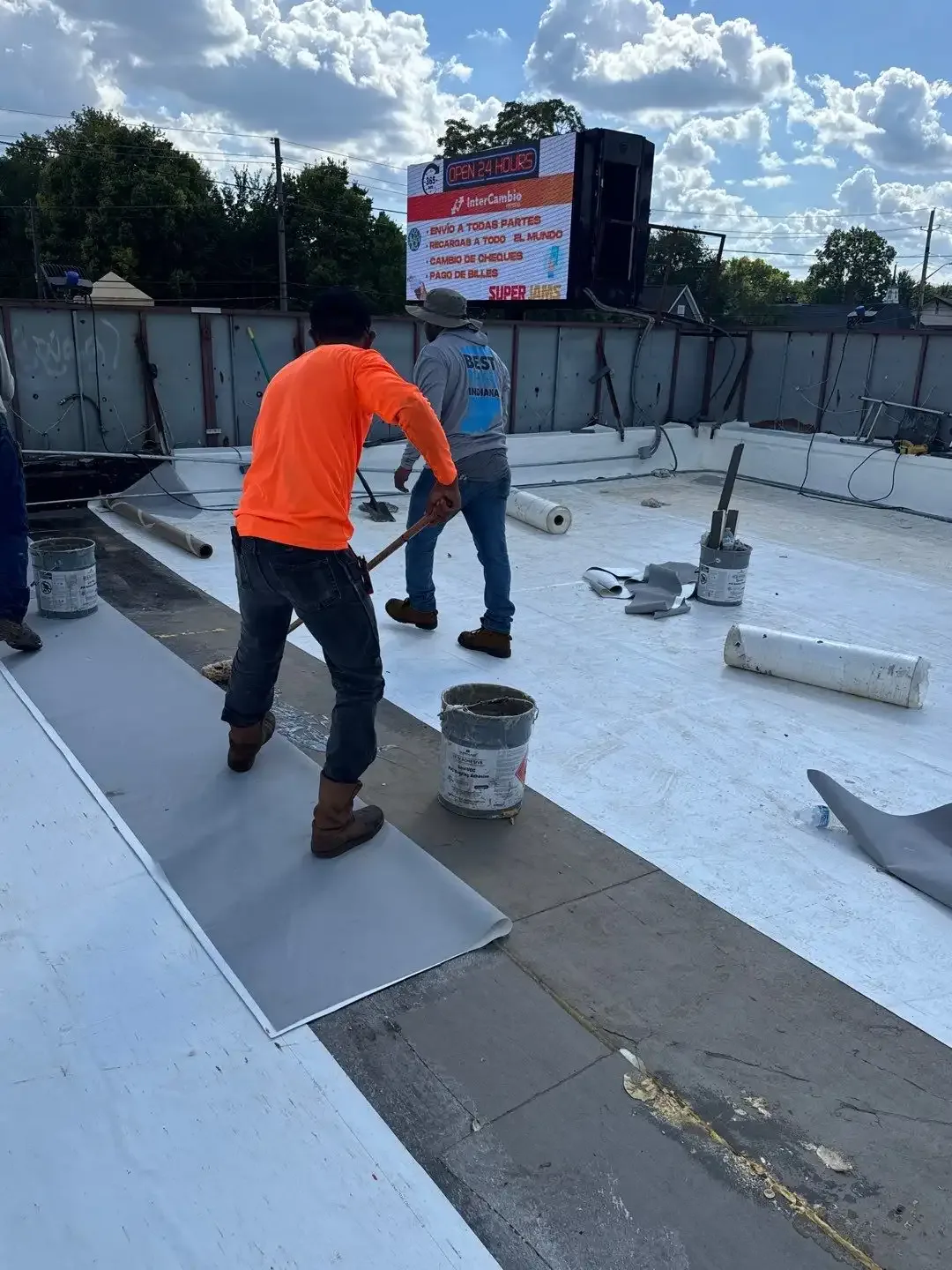
Phasing lets production continue. Every zone is opened, rebuilt and sealed inside one shift, with drip containment below and a plan for hot work permits. Cost follows roof area, the amount of wet insulation, deck repair, access and the number of penetrations. Process-driven work adds items a warehouse never has: containment, hot-work permits, fire watch and coordination with the maintenance crew. A warehouse roof with the same area is simpler to price, because it has fewer penetrations.
Storm History and Timing
The area has a long record of severe weather. The April 1979 tornado destroyed a Levi Strauss & Co. manufacturing plant and other industrial plants as it moved east, which shows how much commercial roofing sat along that storm path. Businesses along Kemp Boulevard were destroyed as well. We treat the record as context, never as proof of damage on a given roof. The Kemp and Kell corridor is part of that history.
Planning for storms means keeping a dated roof file, a storm response plan and a short list of spots to check first. A commercial roof inspection after a hail event goes into that file. Schedule major work for the shoulder seasons, when heat is lower and the next hail risk is a few weeks away, and coordinate shutdowns with the plant manager. A short pre-job meeting with maintenance, safety and the GC settles lockout points, fire watch and the route the crew will use, so the first day starts with a plan and not a search for the right door.
Commercial Roofing Questions
Can the roof be replaced without stopping production?
Often, with phasing. We open one zone at a time, protect equipment below and close in the zone by the end of the shift. The plant manager approves the sequence and any hot-work rules.
What membrane suits a roof with oil or chemical exhaust?
A membrane that resists those exposures, such as PVC, is often the better choice. We identify what the exhaust carries before we recommend a system.
How do we find out whether process heat has damaged the insulation?
A moisture scan and core cuts. Heat can dry some insulation out and push moisture upward in others. The core shows what actually happened.
Do added rooftop units void the roof warranty?
They can, if the work was done without notice or by the wrong trade. Read the warranty first, and have a roofer observe any new penetration.
What do we send for a first walk?
The roof age, a list of equipment added over the years, any leaks and the zones that cannot take a drip. The first walk will then answer a specific question.
How should we plan for hail season?
Keep a dated baseline of the roof, schedule a check after any large hail event and fix small defects before the next storm window. The record also helps with a claim.