The offer is signed, the inspection period is running and nobody has seen the roof. That is the usual start of a due diligence roof survey. The buyer or lender has a short window and a long list, and the roof is often the largest repair item on the building. A good survey answers one question quickly: what will this roof cost over the next several years, and does that change the price?
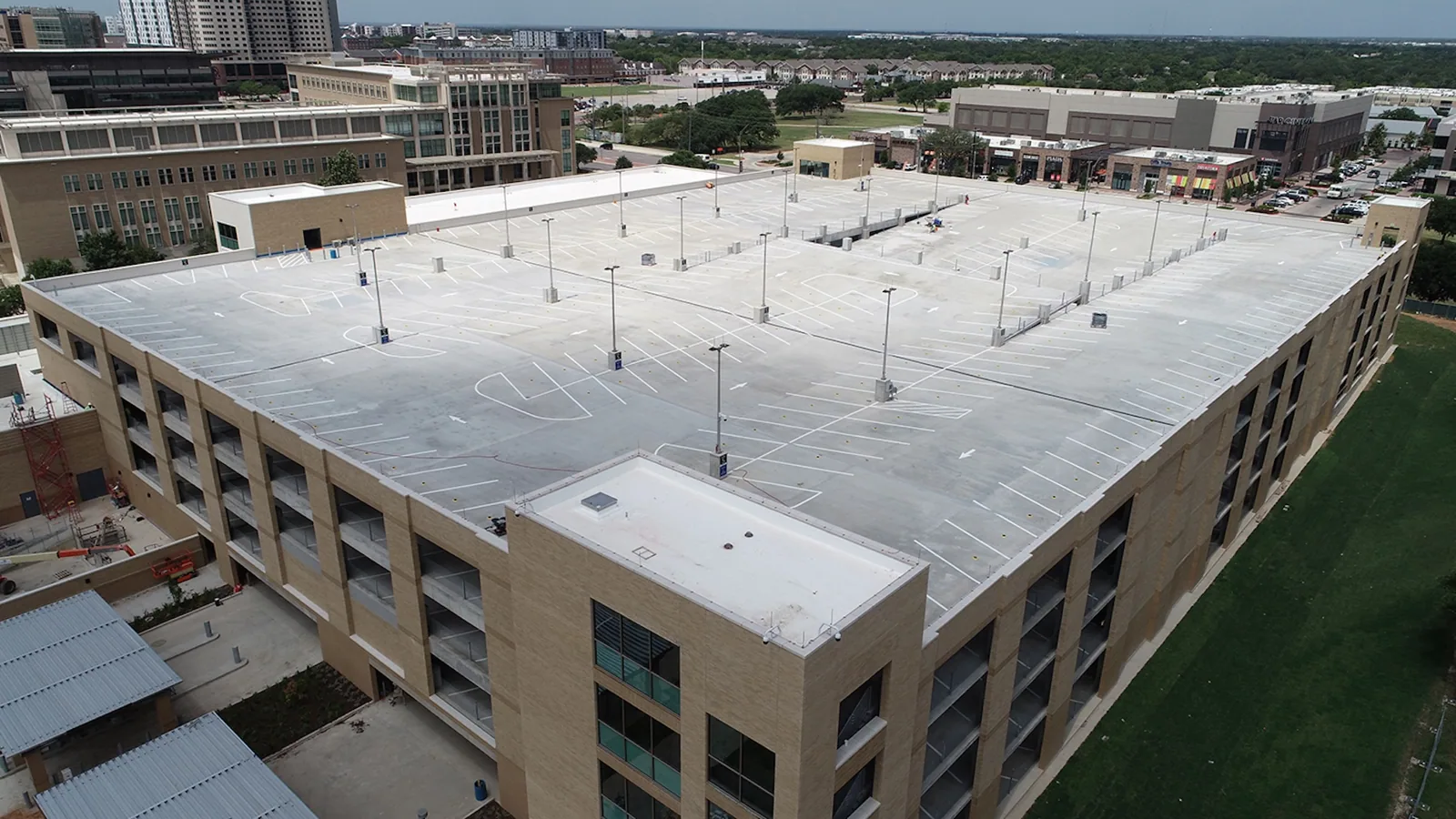
We perform these surveys on commercial buildings in Wichita Falls, TX. We start with the building, and we finish with ranges the buyer can use at the negotiating table.
What the buyer needs to know
Four things matter most. What is the roof made of? What condition is it in, section by section? Is there active or hidden moisture? What will it cost to keep it watertight for the hold period, whether that is three years or fifteen?
Everything in the survey supports one of those four. A buyer who plans to hold the building a short time cares about immediate repairs and any warranty that transfers. A buyer who plans to hold it a long time cares about when replacement will come and what it will cost. The survey states both views.
Hold period changes the math. Here is what it means for you: a roof with five good years left is a fine purchase for a five-year hold and a reserve item for a fifteen-year hold. The survey puts the remaining-life range next to your plan so the price discussion uses the same time frame as the investment.
Step one: collect what exists
Before anyone climbs a ladder, we ask for the paper: roof drawings, warranty documents, past repair invoices, leak reports and any earlier survey. Sometimes there is little to find. That is itself a finding, and the survey says so. Where drawings are missing, we build a plan of the roof from the walk.
Leak history deserves close reading. A list of work orders shows where water has entered before, and repeated entries in one area point to a drainage or flashing problem more than a worn membrane. We map every report to the roof so the walk can focus on the places that matter.
Ask the seller early for access dates. A roof hatch locked behind a tenant's storage room, a ladder that needs a key or a section reachable only through a leased suite can eat a day of a short window. We list the access needs in the first request so the seller's side can arrange them while the paper is still being gathered.
Step two: walk and test on a short clock
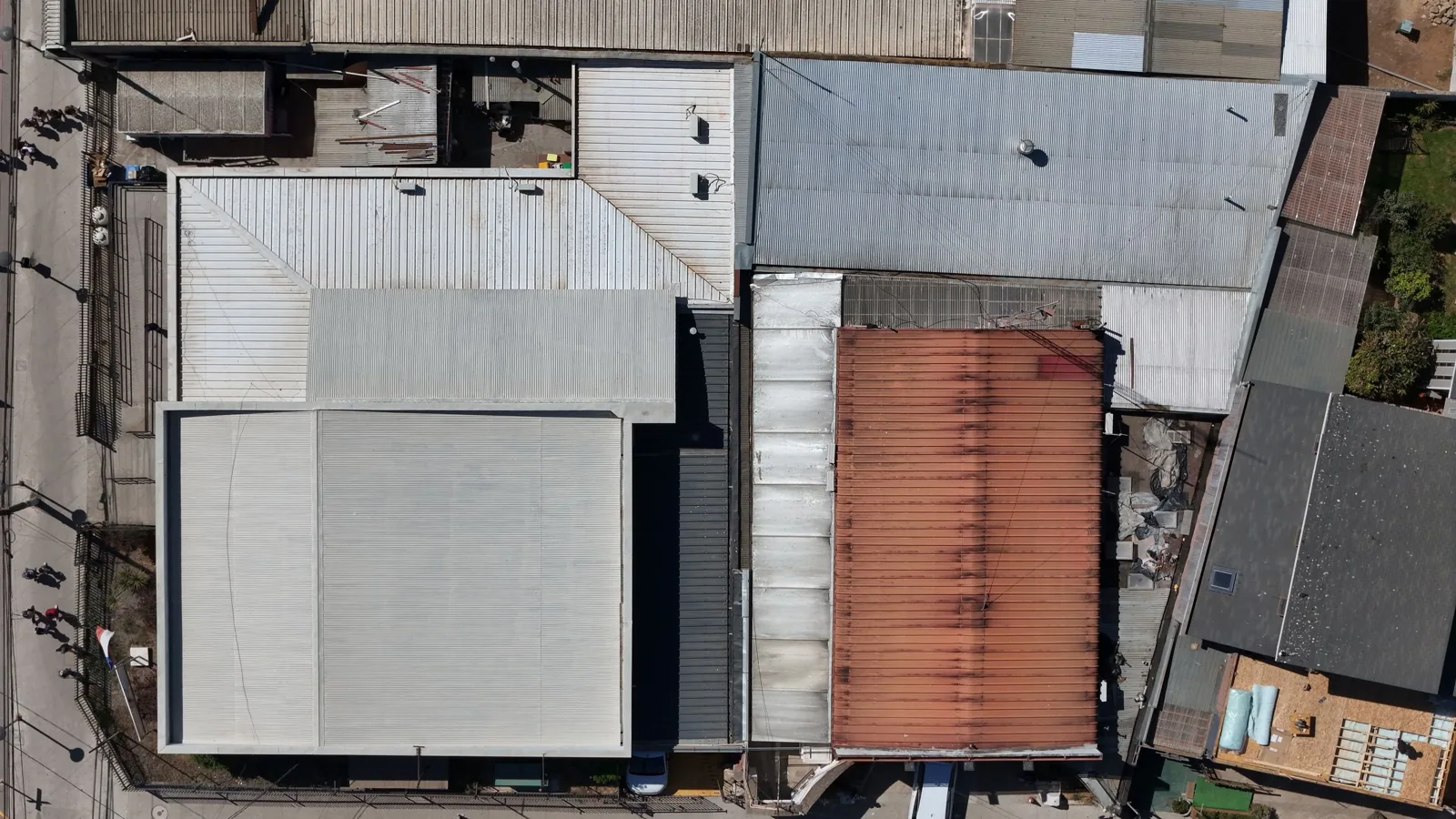
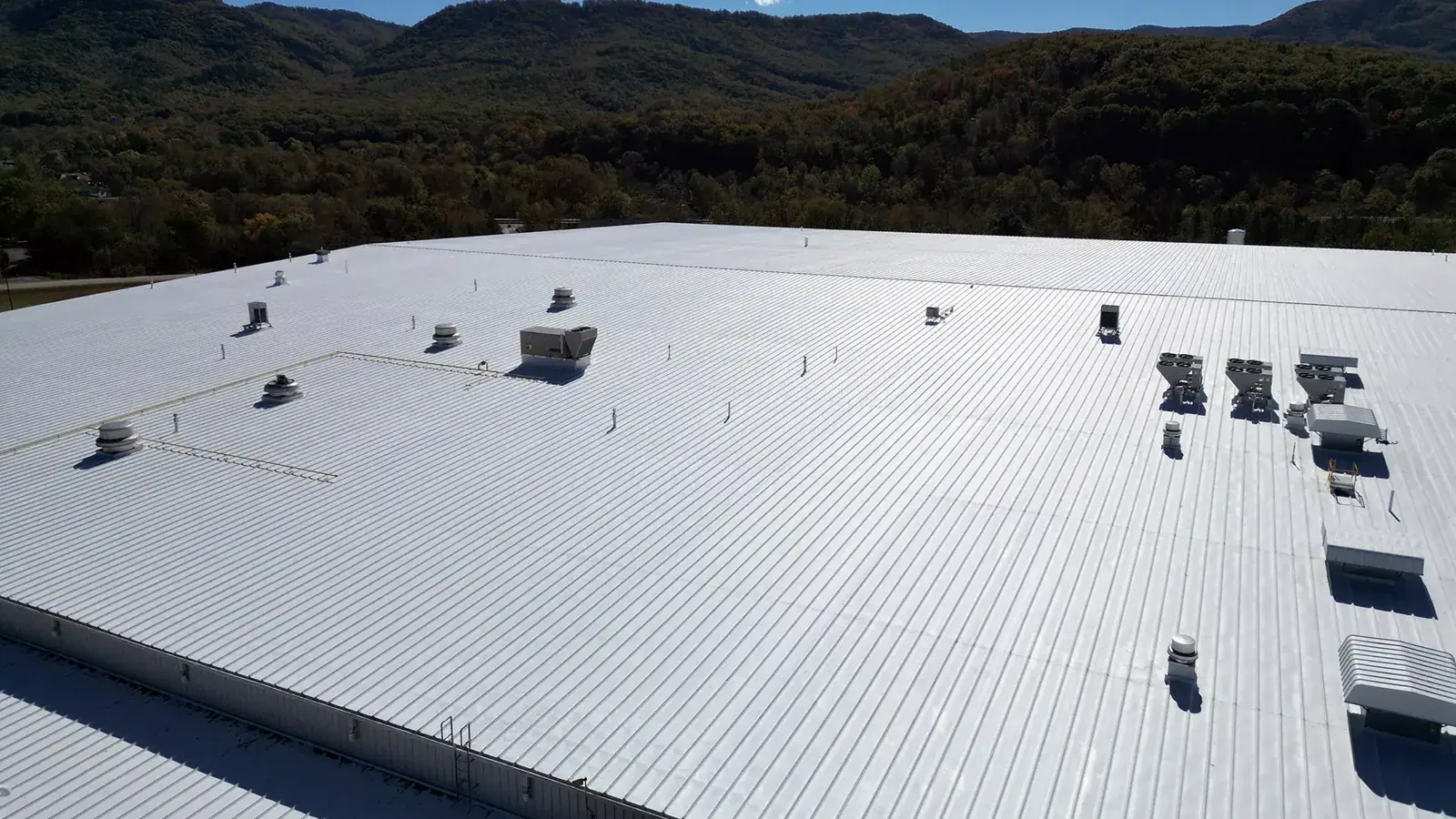
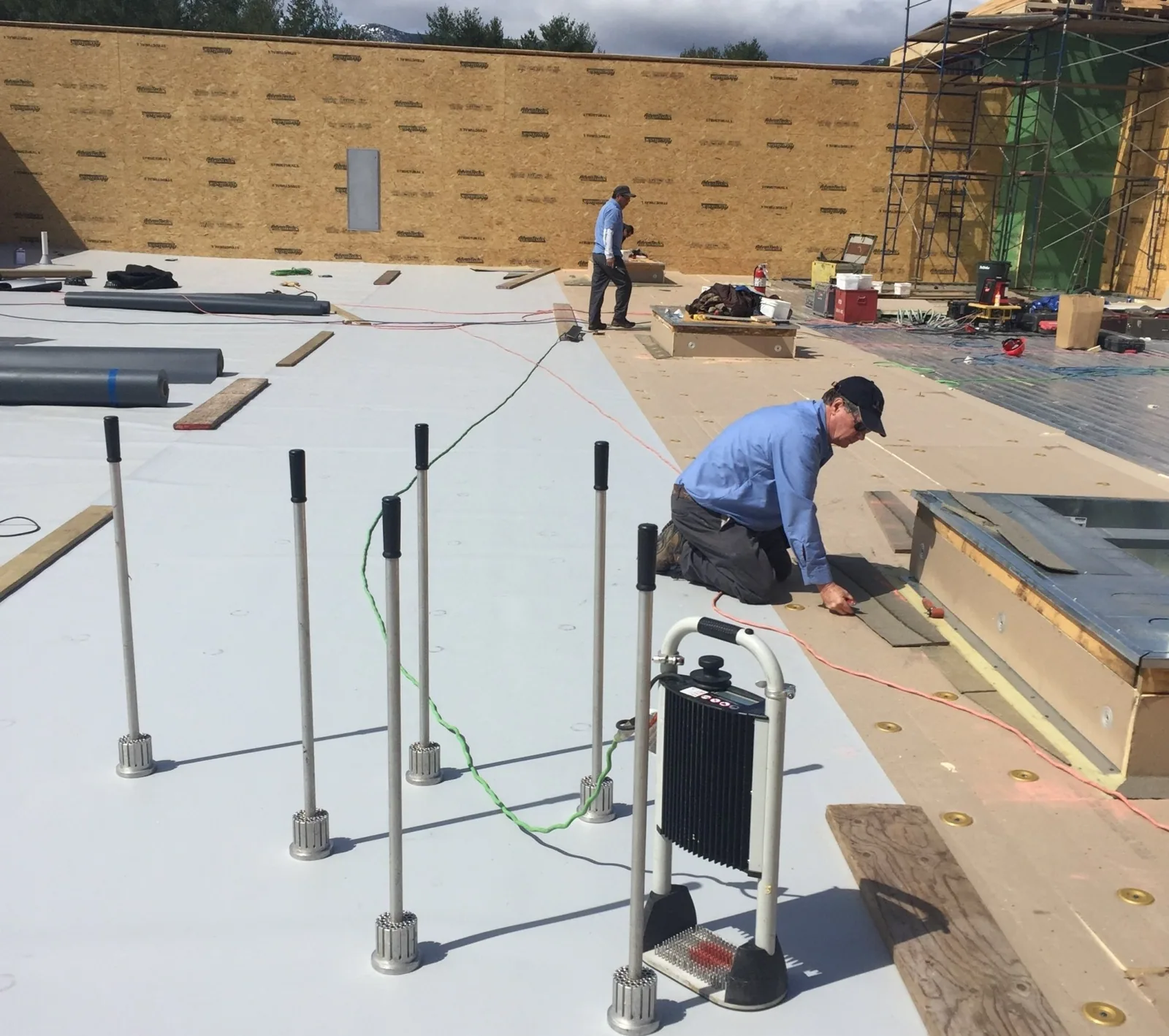
A survey on a short schedule needs an efficient order. We begin with a drone roof inspection for the overall pattern, then walk the roof to check seams, flashings, drains, edges and penetrations. An infrared moisture survey finds wet insulation, and a few test cuts confirm it. Each cut is repaired the same day.
The walk and tests run side by side with the buyer's other inspections, so the roof does not delay closing. The photographs and notes are organized by section as the work goes, which lets us give a preliminary read within the inspection window.
Weather matters to the schedule. A roof that is wet from rain cannot be walked safely or scanned well, and a hot afternoon changes how a thermal image reads. We plan the scan for the evening, when the roof gives up stored heat, and we keep a backup day in the plan. Photographs are taken in the same order on every section, so the record can be compared with a later survey.
What the layers say about the future
The membrane is the part everyone sees. The layers underneath decide how long the roof will last. A core shows the number of layers, the type of insulation, whether the insulation is dry and whether the deck is sound. A roof with two old layers and wet insulation has a different future than one with a single dry layer and a worn surface.
That information sets the options. A dry roof may take a roof coating restoration or a recover. A wet roof points to replacement of the wet sections. The survey states which options are open and which are not.
One simple test tells a lot: how does the roof feel underfoot? Firm and quiet means the insulation is probably dry and bonded. Soft, spongy or crunchy means something below has failed, and we mark the spot for a core. A walk also finds the small stories a drawing never shows, such as an old patch over a former skylight or a drain moved during an earlier remodel.
The numbers in the report
The report gives a condition grade for each section, a remaining-life range and a repair cost range expressed with its drivers. We do not invent a single dollar figure that cannot be supported by the walk. We name what the cost depends on: the area to be replaced, the access, the insulation, the drainage and the details at walls and equipment.
For a lender, the same format feeds a reserve discussion. The report also fits into the owner's long-term file, such as a roof capital planning schedule, and into later roof condition reports once the sale closes.
Each repair item is tagged as immediate, near-term or watch, so a buyer can separate the work that must happen before closing from the work that belongs in a first-year budget. Items that a seller could reasonably fix before closing are listed apart from items the buyer is likely to carry.
Buildings and markets in Wichita Falls
Wichita Falls had 102,316 residents at the 2020 census, and the metro area, made up of Archer, Clay and Wichita counties, had 151,306. Aerospace and aviation suppliers, business support services and manufacturing lead its business clusters, and Class I rail serves the area for logistics. Buyers looking at large warehouse or plant roofs, such as those in the Wichita Falls Business Park, face different questions than buyers of a small retail building on the Kemp-Kell corridor. The first group asks about drainage and area. The second asks about a tenant's lease and a quick repair.
Heat belongs in every survey here. The thermometer touches 100 degrees here on about 28 days in an average year, and the survey reads the surface for what those days have done. A warehouse roofing review and a distribution center roofing review follow the same steps, adjusted for use.
Commercial Roofing Questions
How fast can a survey be done?
It depends on roof size and access, but the work is planned to fit inside the inspection period. A preliminary read comes first, and the full report follows.
Does a survey replace the property inspection?
No. It covers the roof in more depth. The general inspector looks at the whole building.
What if the seller will not allow test cuts?
The survey still proceeds with the walk, drone images and moisture scan. The report notes the limits and what a core would have confirmed.
Can the report be shared with the lender?
It is written to be shared. Lenders and insurers can follow the sections, grades and photographs without a walk-through.
Who pays for repairs found during diligence?
That is negotiated between buyer and seller. The report lists items by urgency and cost driver, which gives both sides a common reference.