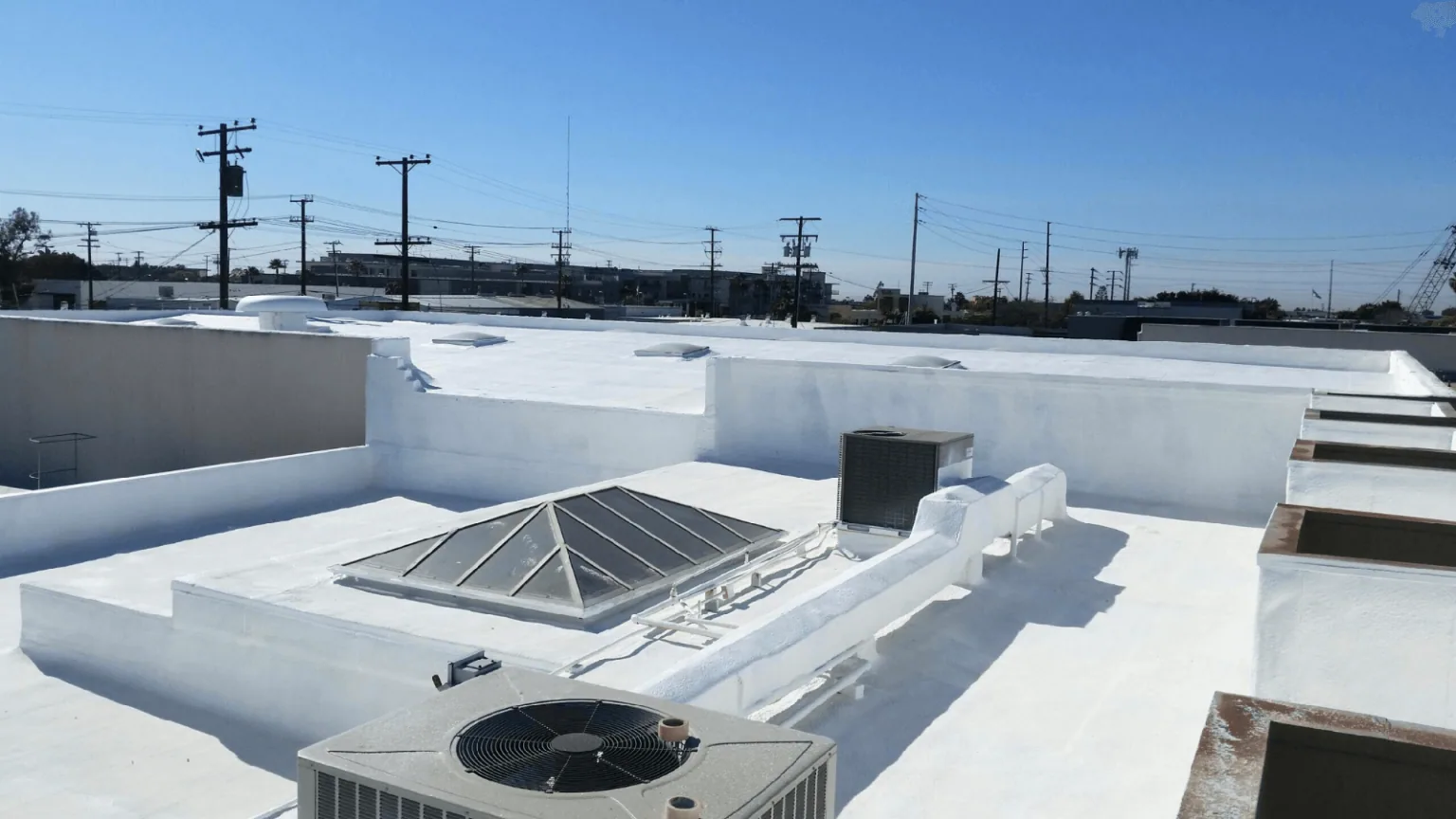
A second roof laid over the first looks like the cheap shortcut, and sometimes it is the smart one. The question is what the old roof is hiding. A recover keeps the existing membrane and insulation in place and adds a new layer on top, which saves the cost of tear-off, shortens the disruption inside the building and keeps less debris out of the dumpster. It also buries every problem that is already there. Commercial Roofing Wichita Falls offers roof recover and overlay work across Wichita Falls, TX only after we prove the roof underneath can carry it.
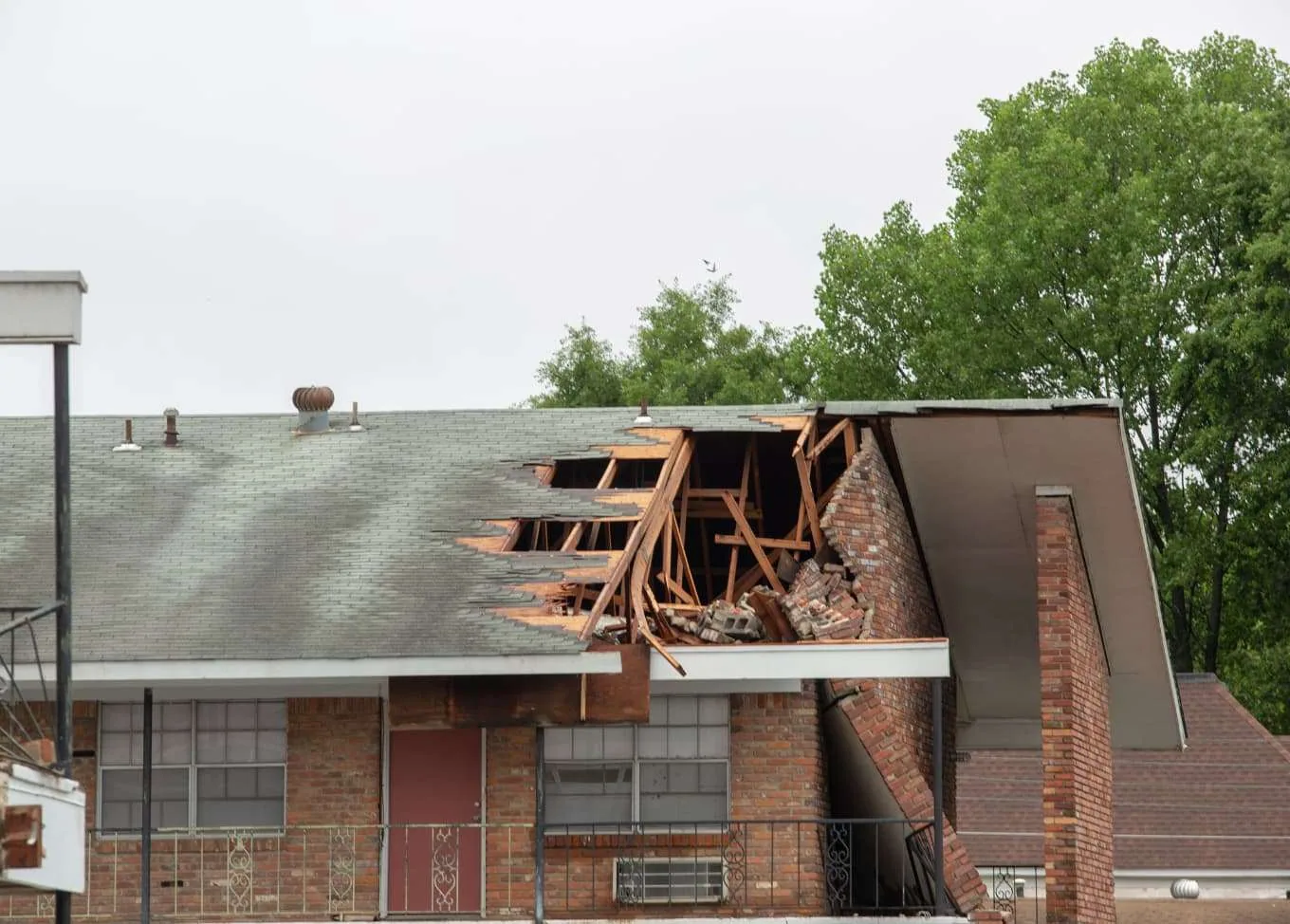
Think of it as a test with a clear pass mark. The old roof has to be dry, flat enough, firmly attached and light enough for the deck to take the extra layer. Fail any one of those and the answer changes to a tear-off.
Dry Is the First Test
Moisture decides everything. Water trapped in old insulation does not leave when a new membrane goes on top. It sits there, it travels sideways along the deck, and it can freeze and thaw through a winter night. We check with an infrared scan on a clear evening, then confirm the findings with a handful of core cuts so we know what the wet area actually holds. The result is a map: dry zones that can stay, wet zones that must come out.
Sometimes the map shows the wet area is small. A section around a drain, or a strip along a parapet, can be cut out and replaced, and the rest of the roof can be recovered. That hybrid approach keeps the savings without trapping the problem. A larger wet area, or one that keeps spreading, is a signal to stop and replace the roof instead.
Weight and the Deck
Every layer weighs something, and the deck carries all of it. Before a recover we look at the deck from underneath where we can reach it, checking for rust, sag and deflection between supports. A metal deck that has rusted through in spots cannot take a fastened overlay, and a roof with heavy gravel or an old built-up layer may already be near the limit the structure was designed for.
That is why we ask for the original drawings when they exist. A set of plans tells us the design loads, the deck type and the insulation thickness. If the drawings are gone, we measure what we can see, and where the answer is unclear we lean toward the safer path. Tearing off one layer is a smaller cost than a deck that sags after a wet winter.
How the New Layer Goes On
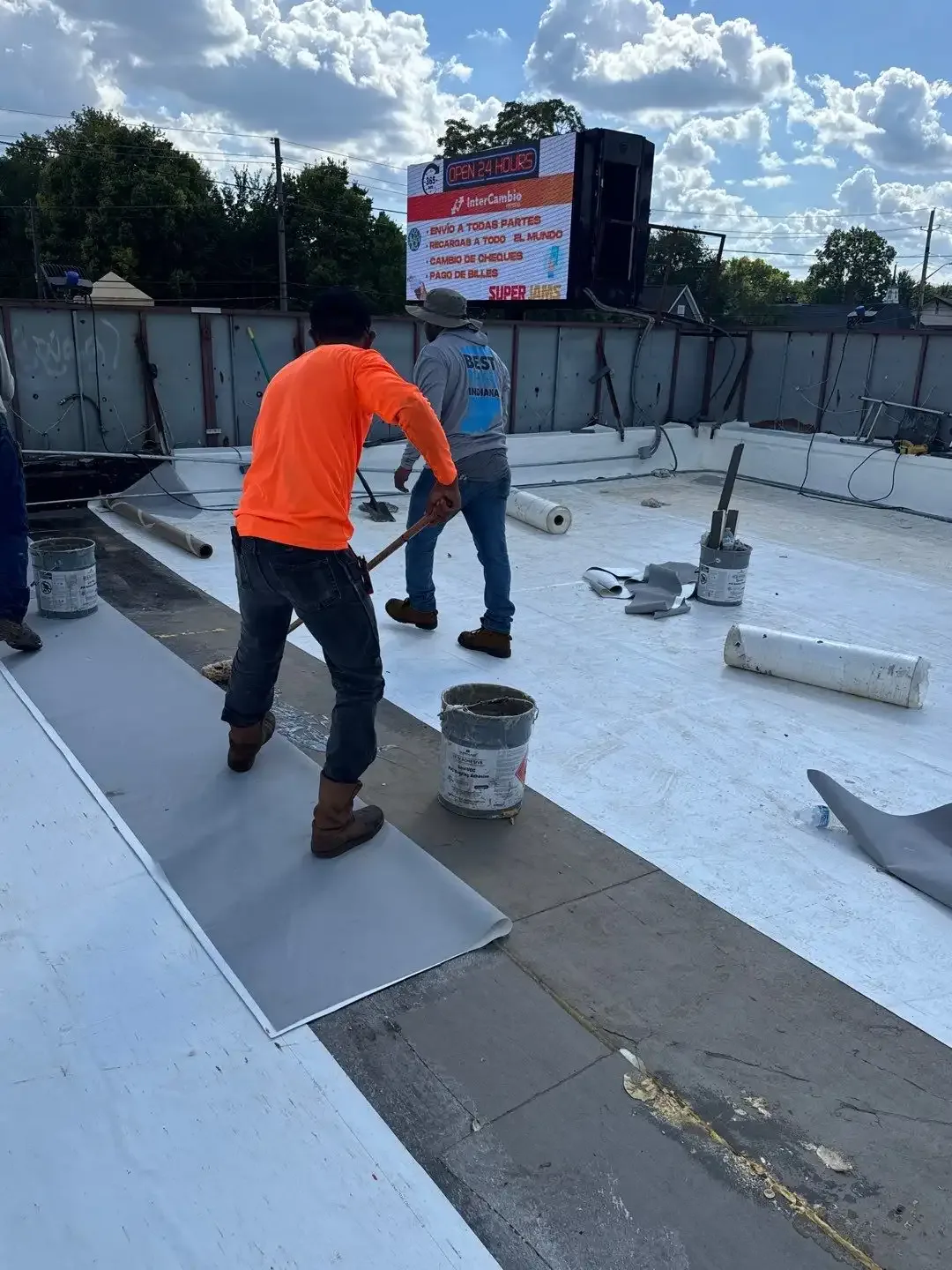
The way a recover is attached depends on what lies beneath. Over a smooth, sound membrane, a new single-ply such as PVC or TPO can be adhered or mechanically fastened through a cover board into the deck. Over a rough surface like gravel, we remove the loose stone and put down a separator so the new sheet is not punctured from below. Over metal, a retrofit panel system can span the old roof and change its slope and drainage.
Fasteners have to reach the deck, not just the old insulation, so their length matters. Seams, curbs and edges all get new flashing rather than relying on the old details. The result should drain, resist wind lift at the perimeter and show a clean surface your inspector can walk.
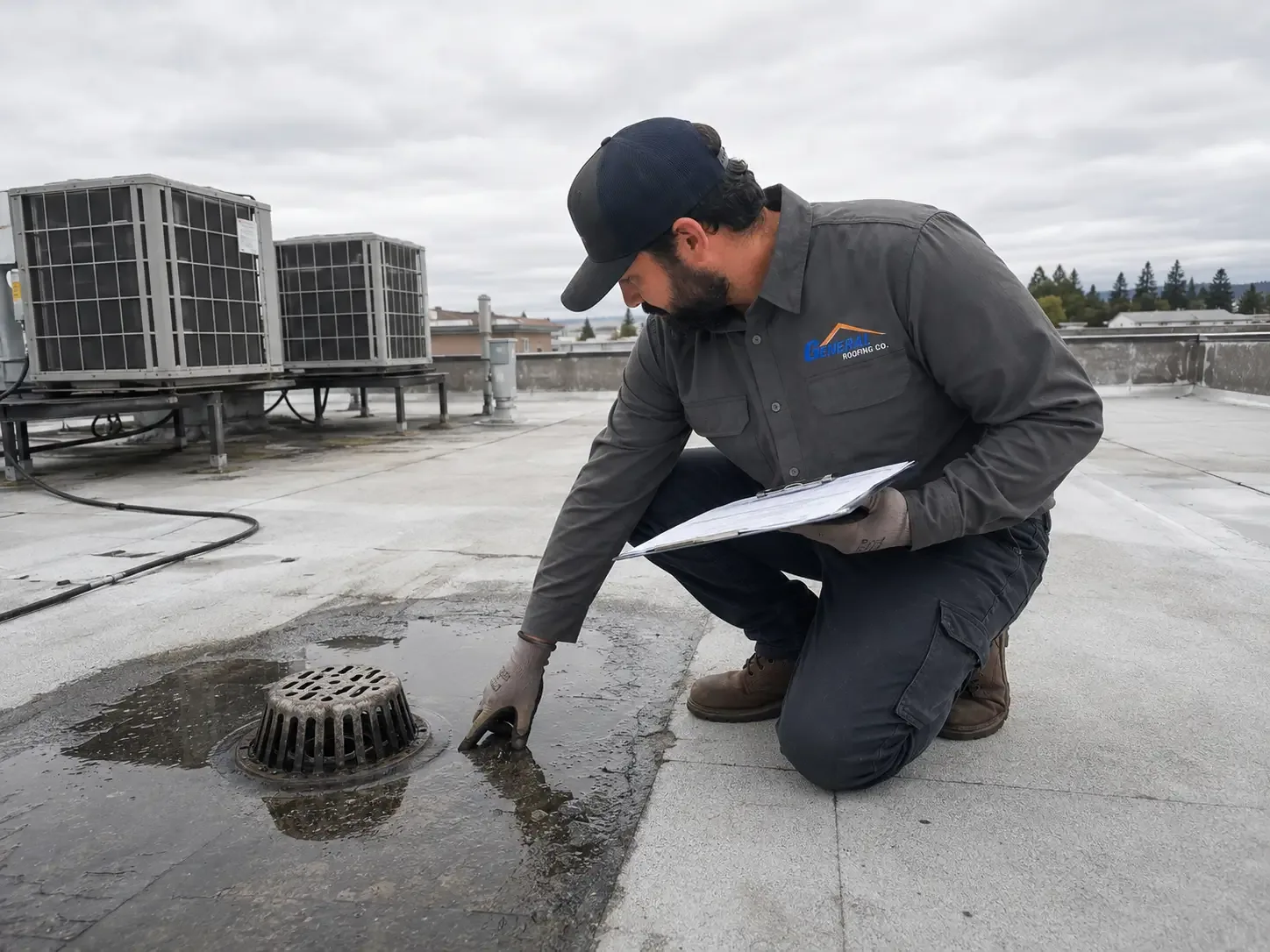
Drainage deserves its own attention. A recover raises the roof surface, and that can shrink the height of curbs, scuppers and wall flashing. We measure those heights before we order material, extend flashing where it falls short, and add tapered insulation where water has been pooling. A recover that leaves a ponding line in the same place as the old roof has repeated the original mistake on a new sheet, and we would rather correct the slope than cover it.
Hail and Wind Raise the Bar
Hail history in the Wichita Falls area makes a cover board worth pricing on a recover. The weather service logged golf-ball hail that fell for a quarter of an hour in Electra in 1982, and baseballs that hit Iowa Park and Burkburnett nine years after. A thin overlay without a firm board beneath it takes more of an impact than a layered system with one. If the old roof has already been hit by hail, the damage can hide inside the insulation and grow under the new membrane.
For a building that has seen storms, we compare the old roof against the facts in a written finding and show you the photographs. If the old layer is bruised, we do not recommend burying it. A documented hail damage record also helps when your insurer asks what a recover does and does not cover.
Code Limits on Layers
Codes limit how many roof layers a building may carry, and many insurers and manufacturers add their own limits. Some will not warrant a system laid over certain old materials. We check the permit requirements with the building department in Wichita Falls or the town where the building sits, and we read the manufacturer's installation requirements before we price the work.
The paperwork is not decoration. A recover that breaks a layer limit or voids a warranty costs more later than it saved at the start. We write the limits into your proposal in plain language, so you can read what the choice of a recover means for the next owner and for the next tear-off.
Where a Recover Fits Best
Recover work suits buildings that need to keep running: a warehouse that ships every day, a retail strip along Kemp and Kell or a medical office with noise limits. It also fits an owner who plans to hold the building for a limited time and wants a few good years at a lower price. It fits poorly on a roof with widespread wet insulation, a deck with rust, or a roof that already carries more than one layer.
If you are unsure, begin with a commercial roof inspection. We will tell you which of the three paths fits your roof and show you the evidence.
Commercial Roofing Questions
How much money does a recover save?
The saving comes from skipping tear-off, disposal and some deck work. The amount changes with roof size, the condition of the old layers and the new system. We price both a recover and a replacement so you can compare them side by side.
Does a recover shorten the life of the new roof?
It can when moisture or poor attachment lurks underneath. A dry, sound, well-prepared base supports a new membrane well. That is why we prove the base before we recommend the overlay.
Will the building need to close during the work?
Usually not. A recover makes less noise and dust than a tear-off, and we work in zones so tenants and staff keep their normal routes. We agree on rooftop equipment shutdowns before the crew arrives.
Can any membrane be recovered?
No. Some old systems, such as heavy gravel or deteriorated coatings, need special treatment first, and some warranties exclude certain bases. We read the manufacturer's rules before choosing a system for your roof.
What happens at the next replacement?
The old and new layers come off together, which adds weight and handling to that job. We note this in your proposal so a future owner or manager understands the full cost picture.