A plant roof has a job that an office roof never has: it sits over a process. Under it may be a paint line, a clean assembly floor, a furnace exhaust or a row of machines that cannot be wet. So the first thing to understand about a manufacturing roof is what happens underneath it, and only then what is on top. Step one is to learn the process. Step two is to learn the roof.
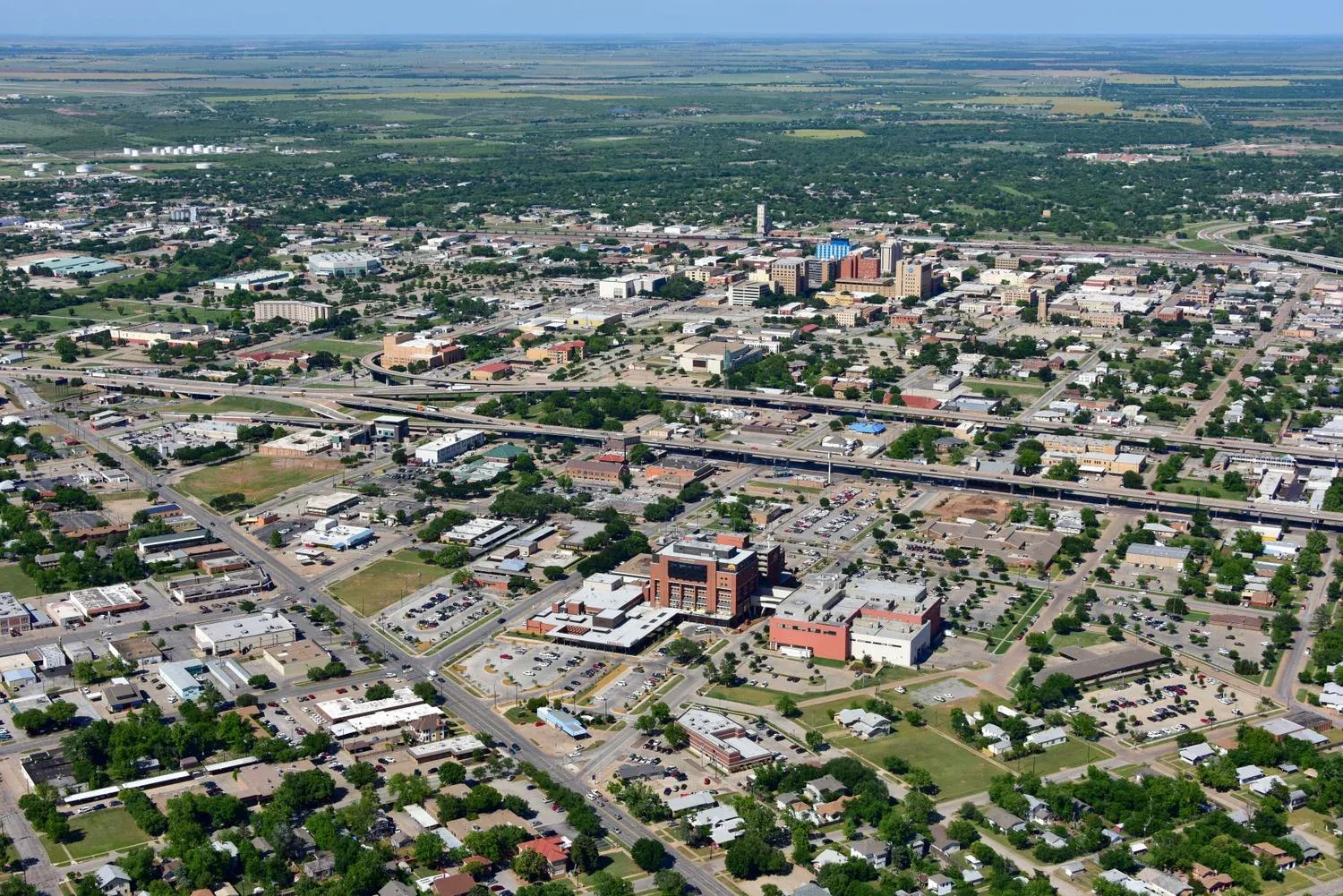
Wichita Falls, TX counts Arconic, Vitro and Sealed Air among its major employers, and manufacturing sits beside aerospace and aviation supply-chain firms as a main business cluster. We inspect and repair low-slope and metal plant roofs, write down the condition of each one, and plan the work around shifts, shutdowns and the equipment that has to keep running.
Start with what runs underneath
Before anyone steps onto the roof we ask a few plain questions. Which areas are wet-sensitive? Where are the exhaust stacks and makeup air units? Does the process throw heat, steam, oil mist or chemical vapor upward? A membrane that does well over a quiet storage bay can age quickly beside a hot exhaust, and the repair that fits one area may be wrong for the next.
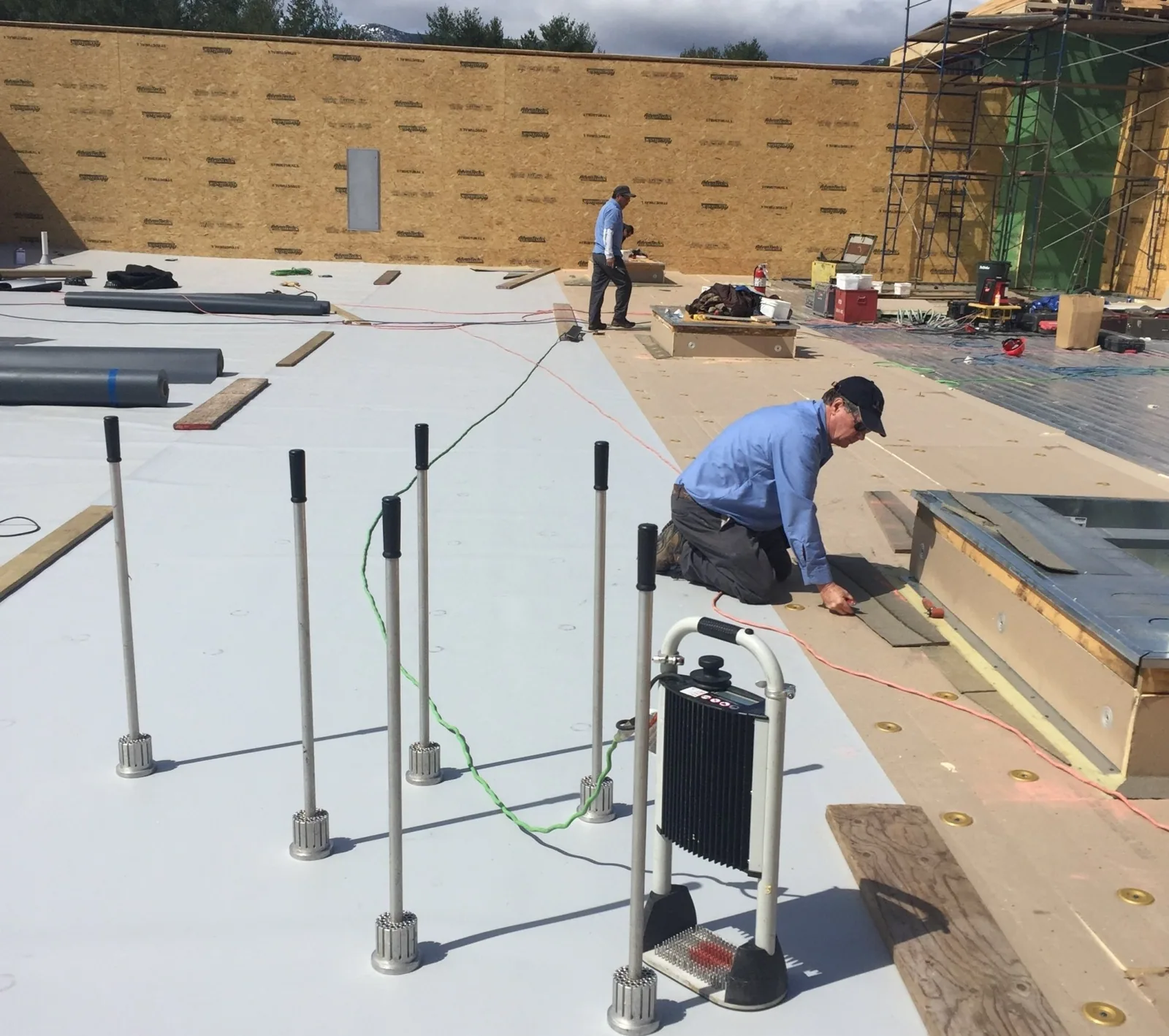
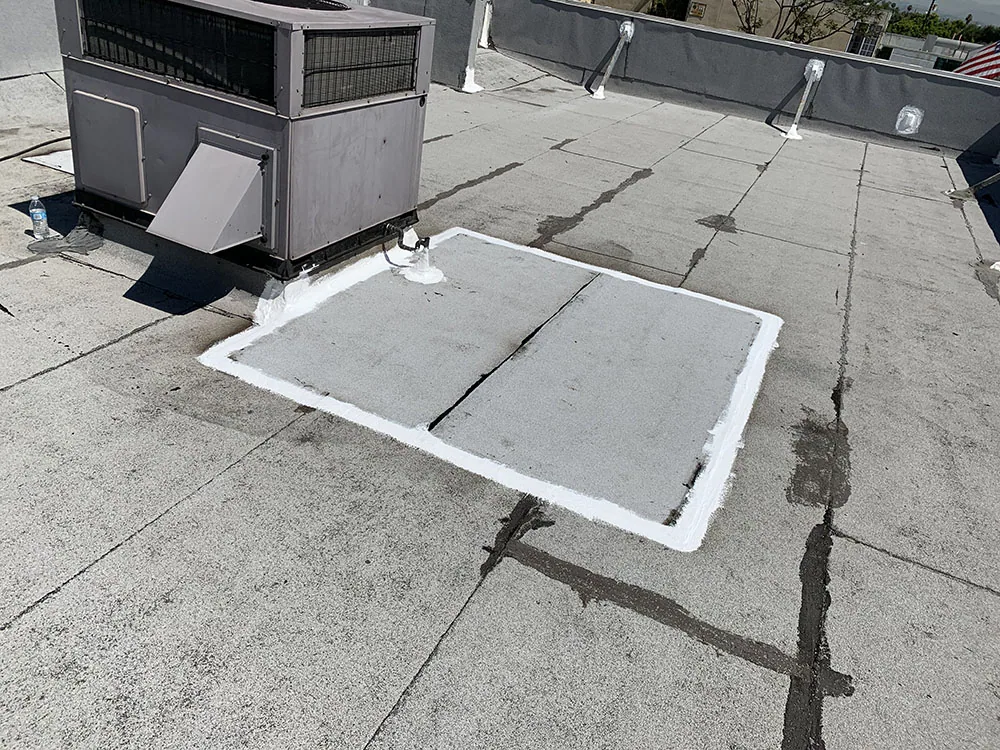
We then walk the roof with that map in hand. Penetrations around stacks, vents and conduit are checked first, since they collect most of the small failures. We also look at the layer underneath the membrane, because a plant that has been recovered once or twice may be carrying wet insulation that no one can see from the surface. A moisture survey settles the question without tearing anything open.
The written finding that follows is plain. Each roof area gets a number, a photo, a condition note and one of three marks: leave it, patch it or plan to replace it. A plant manager can hand that sheet to a controller or a corporate engineer and be understood without a phone call. Where a parent company asks for outside review, a roof condition report carries the same findings in a form that can travel.
What Wichita Falls does to a plant roof
Heat is the slow pressure. Triple-digit afternoons arrive on roughly 28 days in an ordinary year here, and 2011 piled up 100 of them. A dark membrane over a large production floor expands and relaxes through all of them, and the seams and flashings take the strain. Add the heat given off by the plant itself and a roof can be working harder than the weather report suggests.
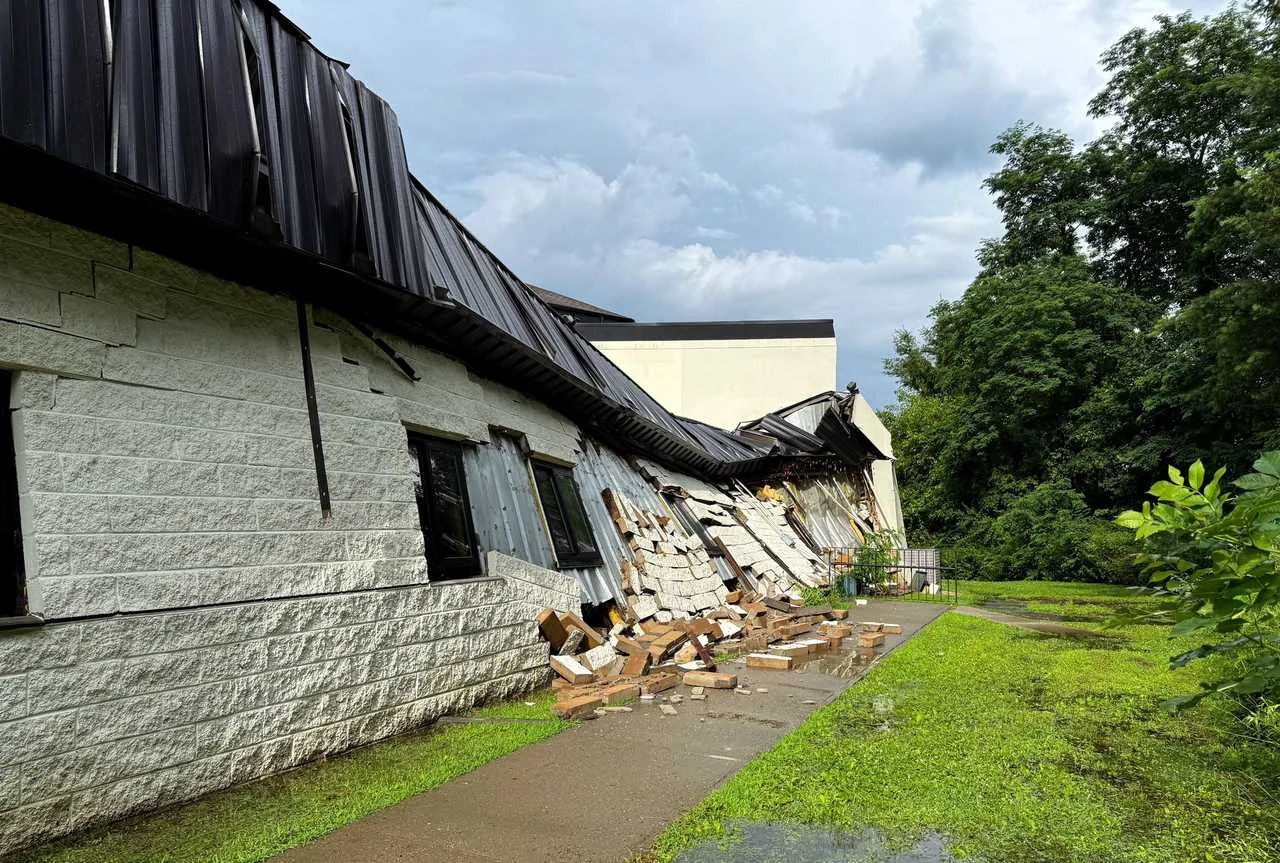
Hail and tornado wind are the sudden pressures. Among the losses in the April 1979 tornado were a Levi Strauss plant and other industrial buildings along its eastward path through the Kemp and Kell side of town. That storm is history, not a finding on any current roof, but it explains why wind rating, edge metal and attachment deserve a hard look here. We check edge metal and coping, because wind starts at the perimeter and works inward.
Repair, recover or replace
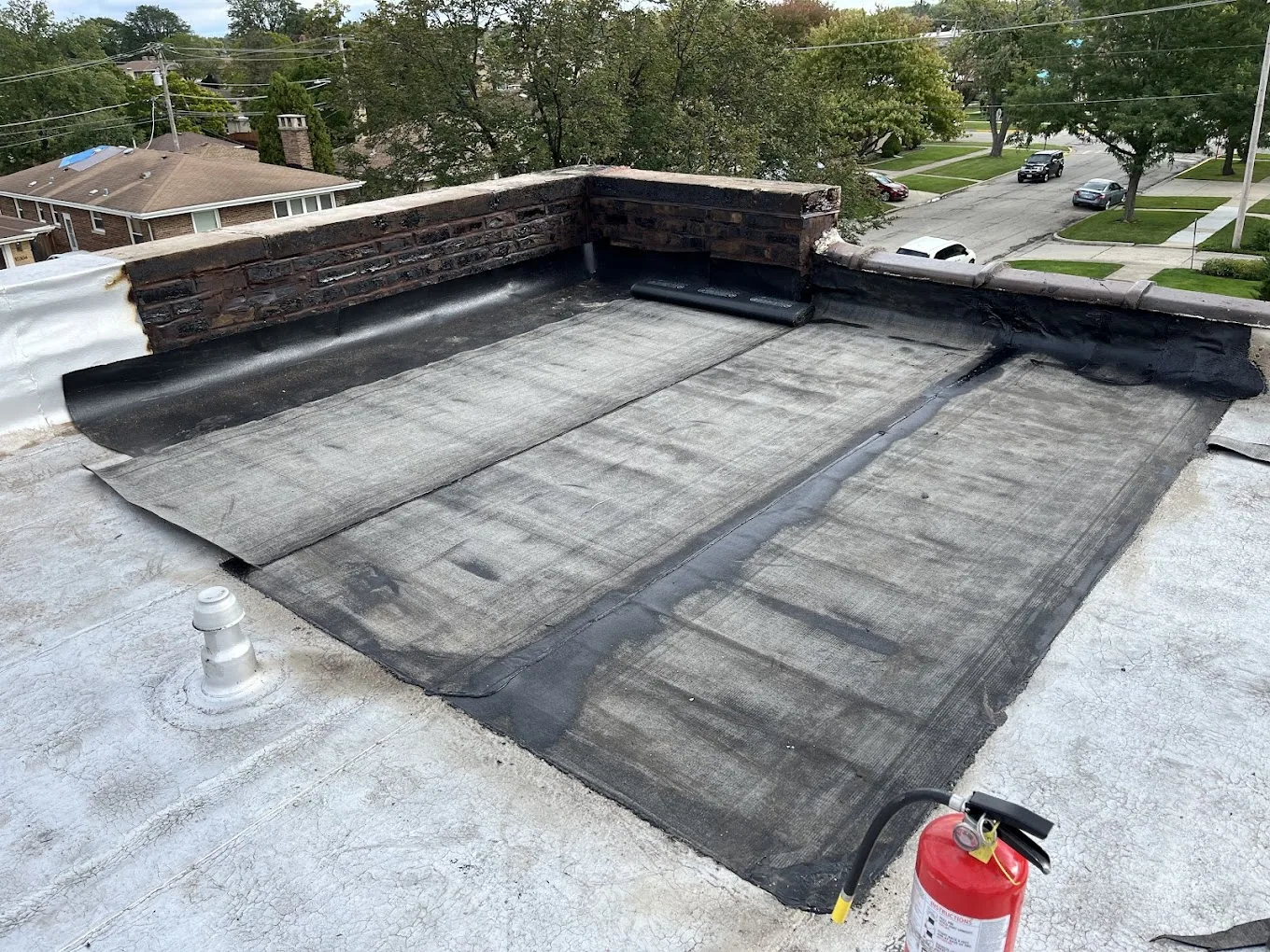
One clean rule helps: fix the roof that is dry, replace the roof that is wet. If the insulation is sound and the membrane has isolated splits, a repair program with commercial roof repair may carry the building for years. If the membrane is tired but the deck and insulation are dry, a recover can add life without a full tear-off, which means less debris and less disruption on the floor below.
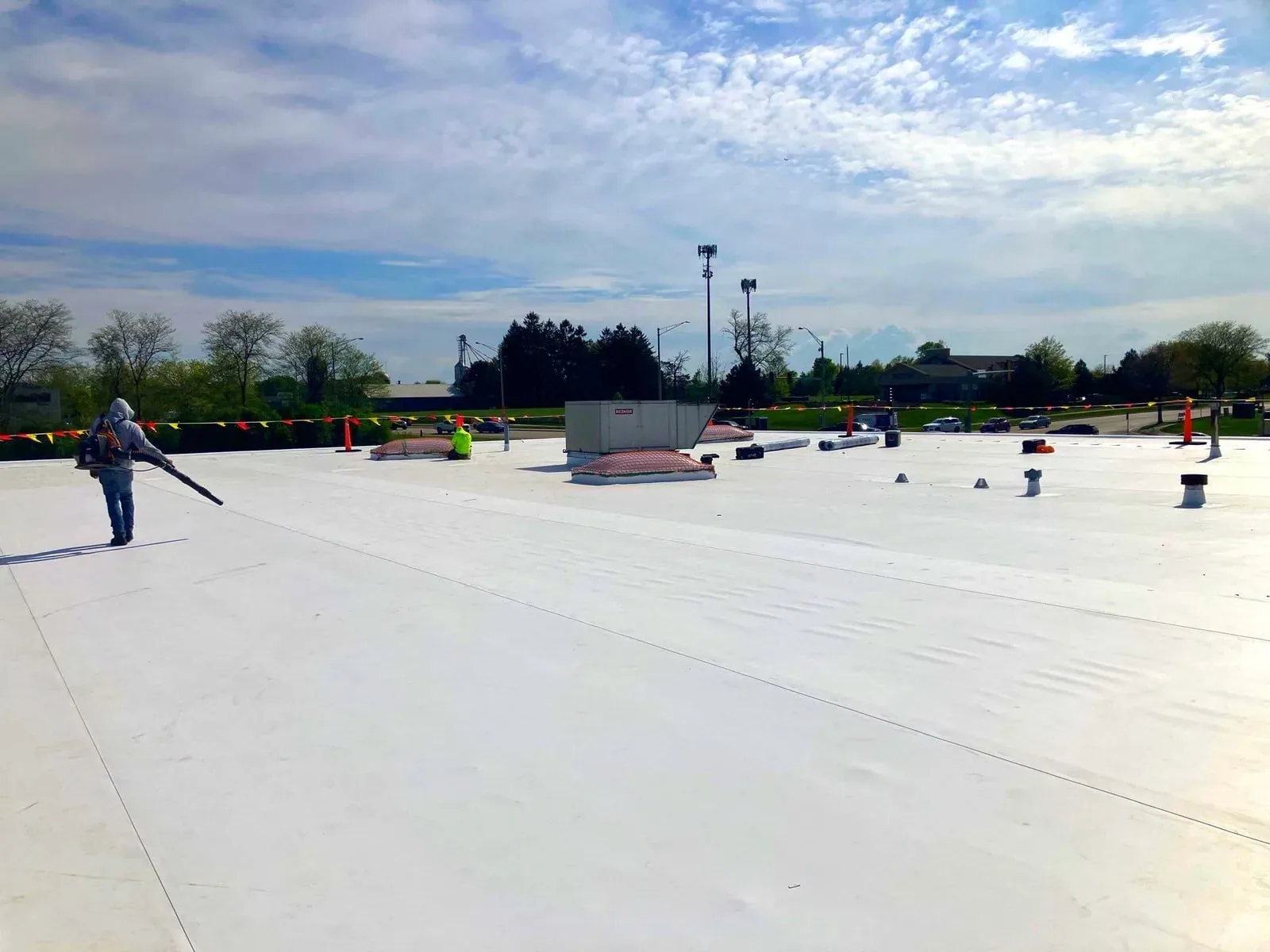
When moisture has spread, replacement is the sound answer. For a plant this often means a reflective single-ply such as TPO or PVC, or a metal retrofit where the structure suits it. PVC is often discussed for roofs that see grease or chemical exhaust, since the membrane resists many of those exposures. We explain the choice for your exhaust, not for roofs in general.
Schedule around shifts and shutdowns
Plants do not stop for a roofer, so we plan around them. Tear-off noise, dust and hot-work rules are matched to shift patterns, planned maintenance weeks and delivery windows. Material is staged where forklifts and trucks do not cross the work. If a production line has a sensitive step, we schedule the loudest or dustiest part of the roof away from it.
A plant may keep a short list of dates when the floor is quiet, such as a scheduled outage. We build the roof schedule to fit those dates, with temporary protection in place for any night when a section stays open. The Wichita Falls Business Park, at 525 acres, courts distributors, high-tech operations and manufacturers, and the open land around it gives companies space to expand. A roof plan that expects expansion should leave room for new penetrations and tie-ins.
Keep the roof on a program
The cheapest roof work is the work done early. A scheduled maintenance program clears drains, reseats loose flashing, reseals small seam splits and checks around new equipment after every service visit. Contractors who service rooftop units can scuff a membrane without knowing it, so we recommend a quick walk after any equipment change.
For owners with more than one building, the same record can be kept for the full set. It might be a warehouse in one park, a plant in another and an office block elsewhere. Many plants also run dock and storage buildings that look a lot like those of logistics operators, and those roofs get the same record. A shared record lets you plan capital spending by roof, instead of by surprise.
Insurers and general contractors also read the record. After a storm, a clear history of inspections and repairs helps an adjuster separate new damage from old wear, and a restoration contractor can see what the roof looked like before the event. That is worth more than any promise made after the fact, and it costs little to keep up.
Commercial Roofing Questions
Does exhaust from the process shorten a membrane's life?
It can. Heat, oil mist and chemical vapor reach the membrane near stacks and vents. We check those areas first and recommend a system that suits the exposure, which may be different from the rest of the roof.
Can we replace a plant roof without stopping production?
Usually in phases. We open one section at a time, close it each day, and plan noise and dust around sensitive operations. A full stop is sometimes cheaper, and we will lay out both paths.
What does the 1979 tornado have to do with my roof?
Only context. Industrial plants along the storm path were destroyed, so wind resistance matters locally. Your roof is judged on its own attachment, edge metal and condition, not on a storm from decades ago.
Should we recover over the old membrane or tear it off?
Recover only if the deck and insulation are dry and the existing sheet can still hold a bond. Tear off when moisture has spread. A moisture survey and a few cores usually settle it.
What helps before the first walk-through?
Send roof age, building layout, a list of wet-sensitive areas and any leak history. Photos of ceiling stains and a note on planned shutdown dates let us scope the first visit to your plant.
Who needs to approve roof work inside a plant?
Usually the plant manager, a safety lead and whoever owns capital spending. We write the scope so each of them finds their part quickly, including hot-work rules, access routes and a daily closing routine.