A distribution center never really closes, and that is the lesson its roof has to respect. Trucks arrive at all hours, product moves through every shift and the roof above it carries the weather alone. In Wichita Falls, TX, interstate and rail access make this kind of building a natural fit, and the roof becomes part of the operation. Step one is to learn when the building can tolerate a crew. Step two is the roof itself, from the dock edge inward.
Start With the Operation
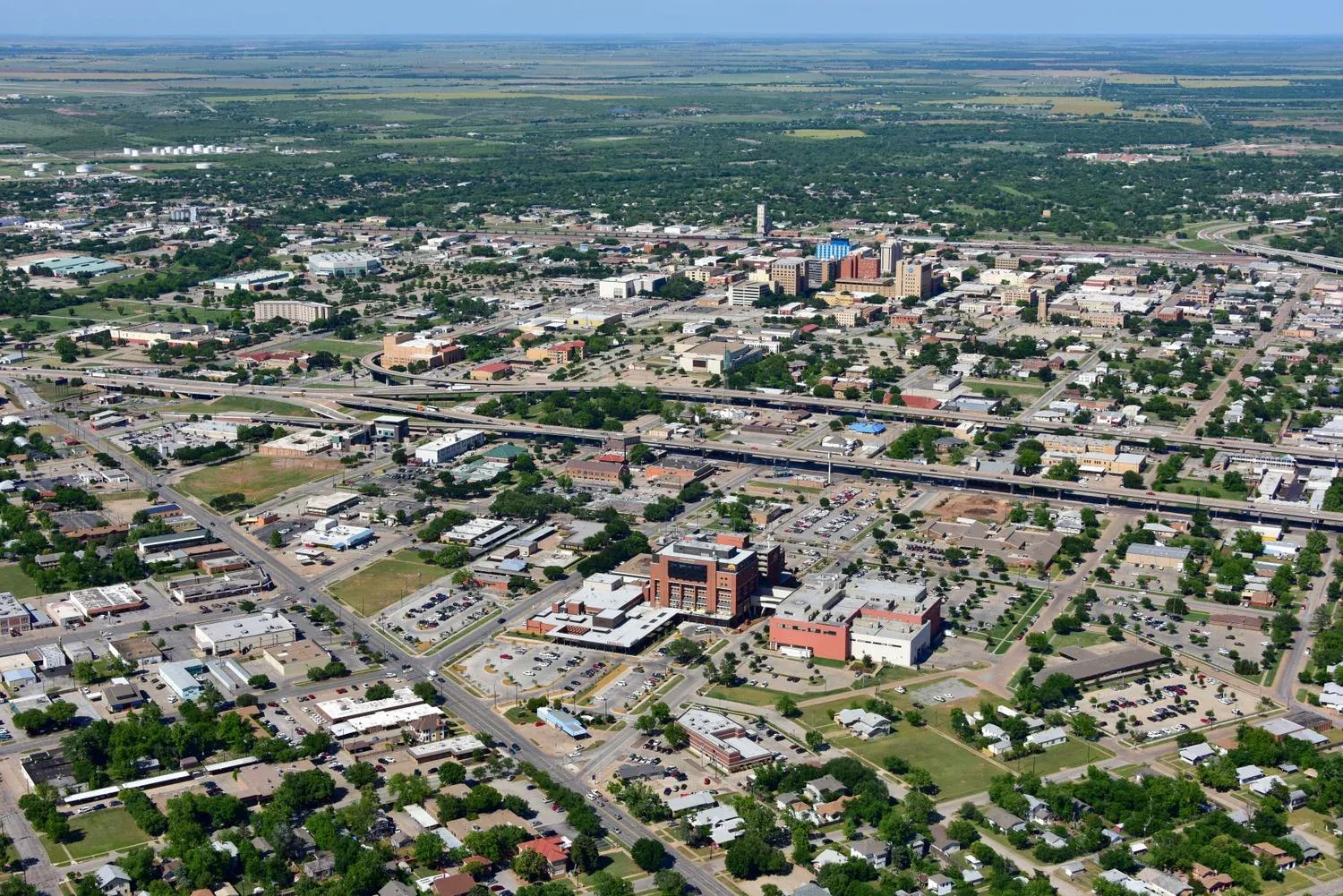
Wichita Falls is the western end of Interstate 44, and U.S. 287, 277, 281 and 82 also serve or pass through the city. Class I railroads serve the area for logistics and distribution, and the city promotes both the interstate and the rail for the Wichita Falls Business Park. Those links explain why a distributor might choose the area; the roof over any one building still gets read on its own.
What matters for the roof is the way the building runs. A fulfillment center may stage peak volume in a few weeks of the year. A regional hub may run overnight. Either way, the schedule sets the window for roof work, and the first meeting with the facility manager settles that window before a single material is ordered. We also ask which zones hold the most sensitive stock, because those zones go first in any repair plan. A manufacturing plant asks the same question about process lines, and the answer shapes the same schedule.
How the Roof Is Put Together
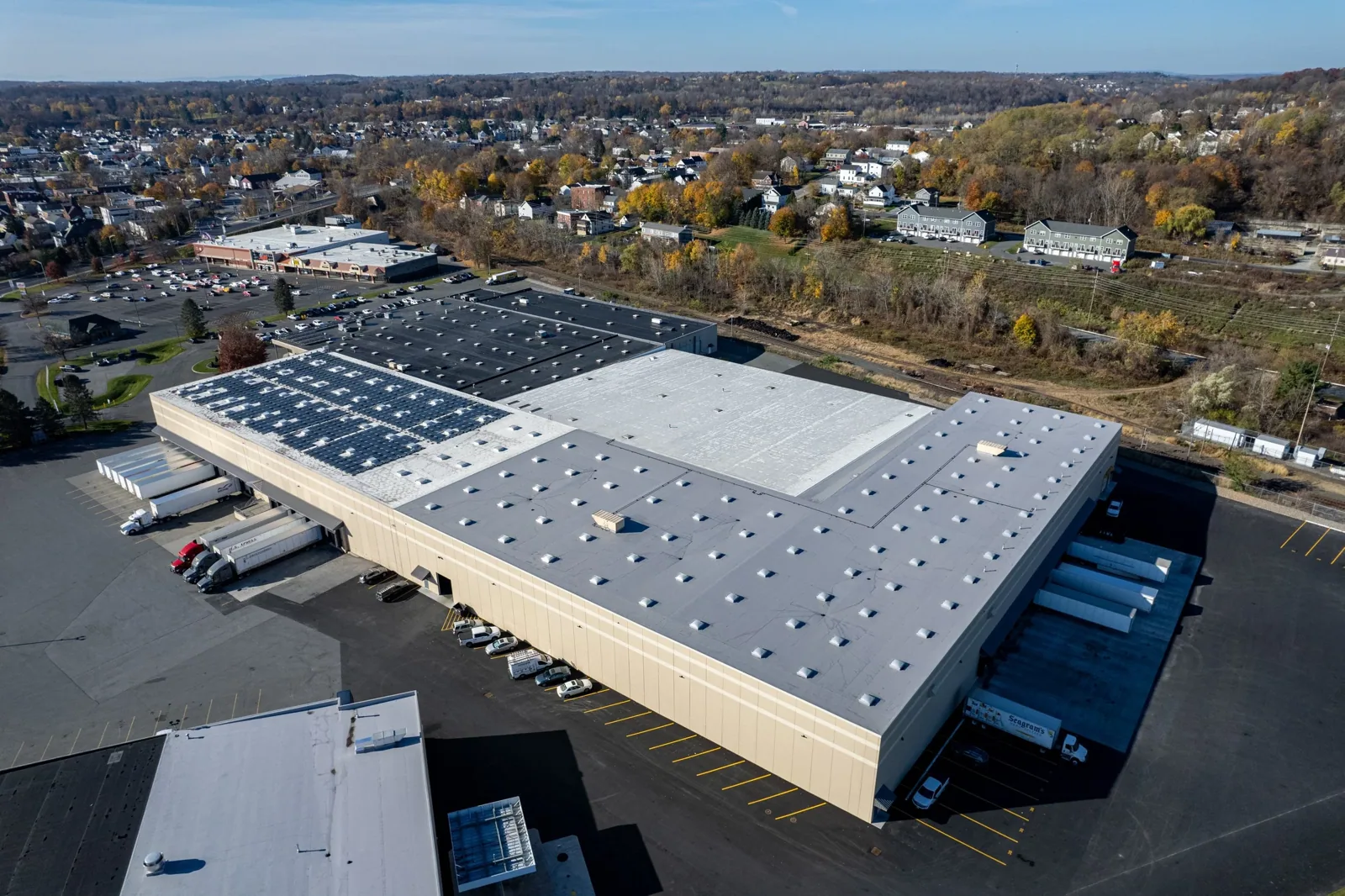
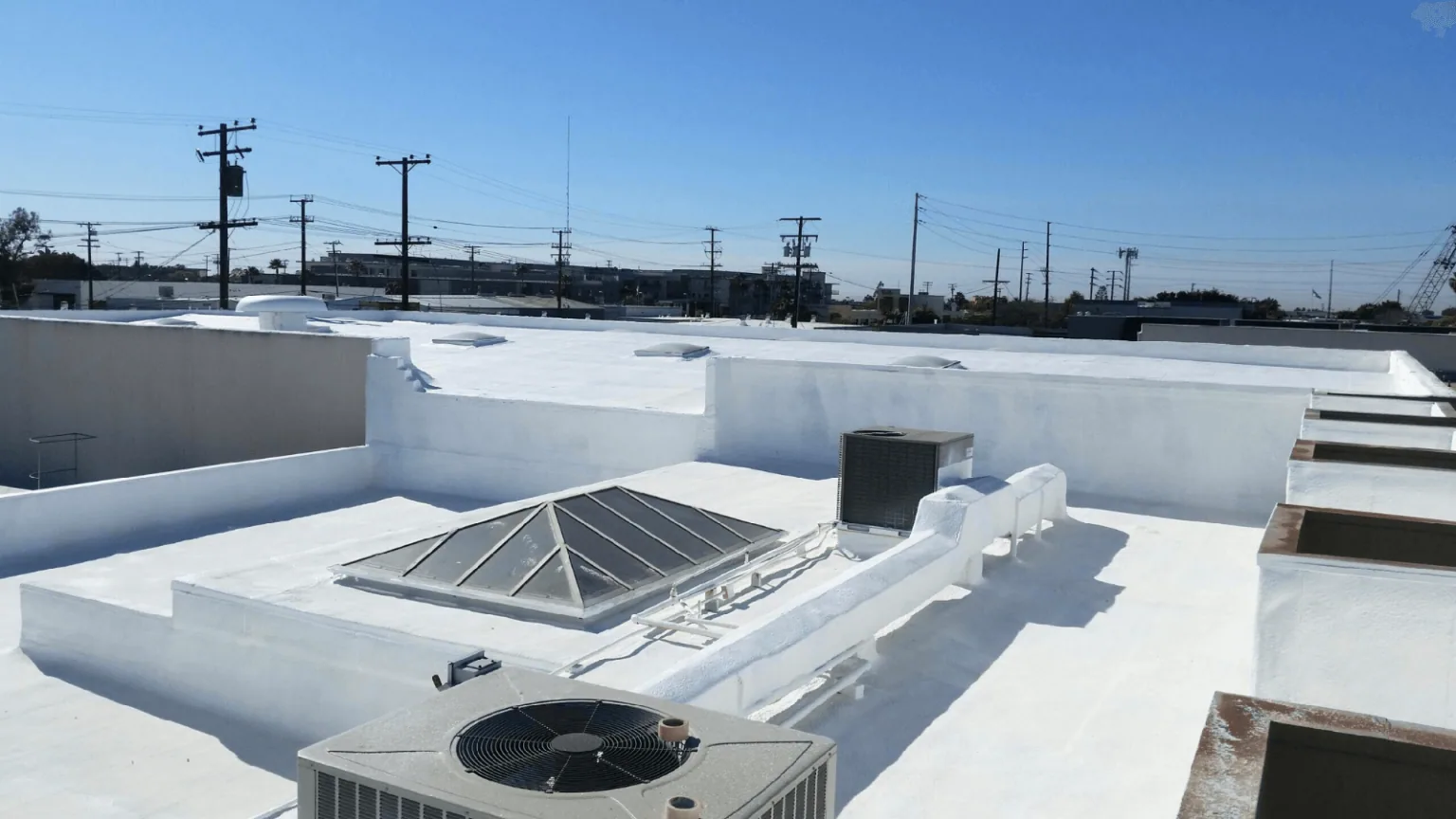
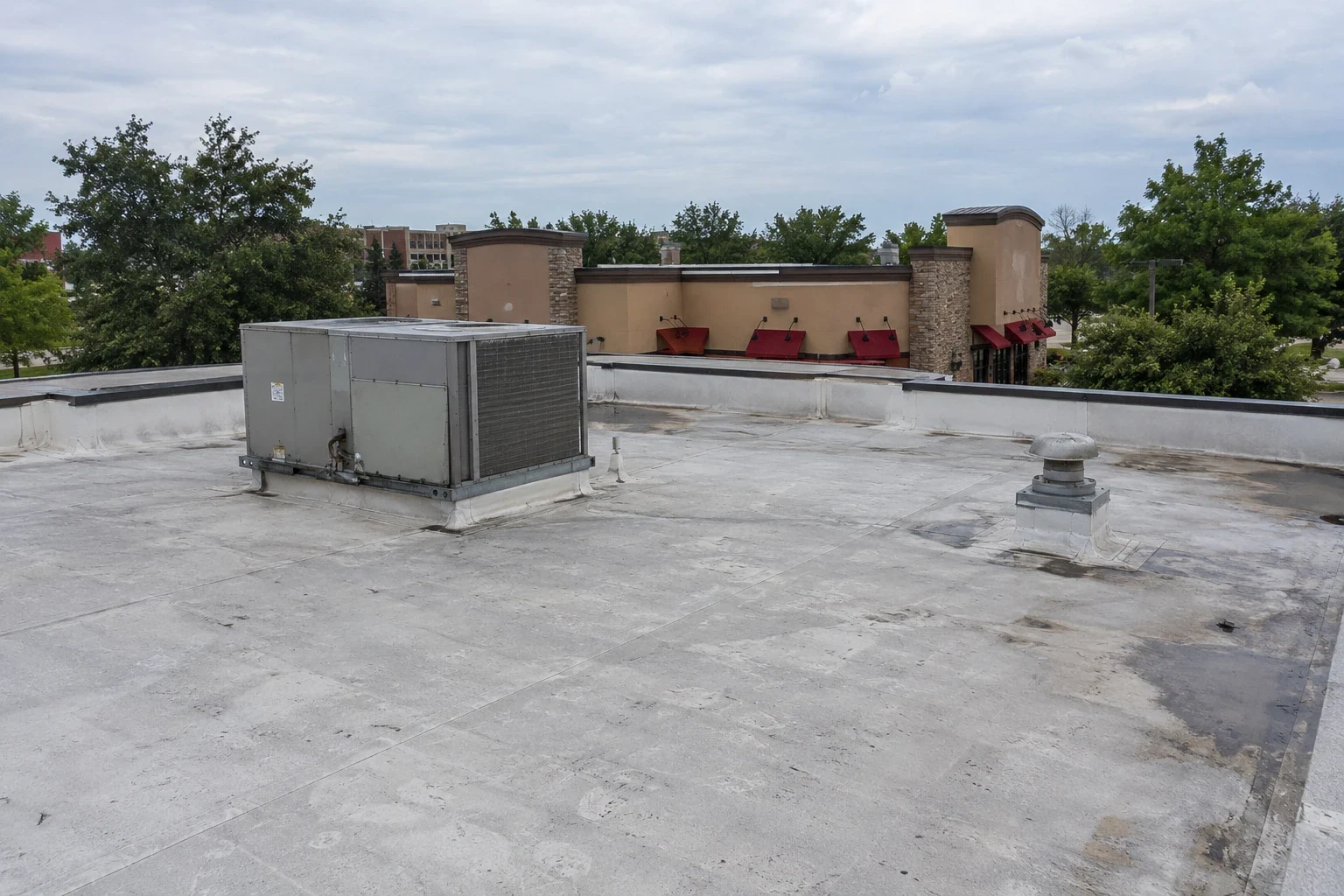
Most distribution roofs are low-slope assemblies: deck, insulation, cover board and a single-ply or bituminous membrane. A PVC or TPO sheet is common because large areas weld quickly. Sprinkler risers, skylights, smoke vents, exhaust fans and rooftop units interrupt the field, and each one is sealed by a boot or a curb flashing.
Docks add their own layer of risk. A loading-dock canopy or a roof that steps down over the dock apron has edge metal that takes wind and truck-driven debris. The wall-to-roof transition at the dock face is a flashing that must handle movement as the building shifts with temperature. Knowing which parts are present is the first step in reading the roof. We count them on the plan, because every one is a place where water can enter and every one has its own age. A roof with forty penetrations and a roof with four are different jobs, even when the field looks the same.
Where It Fails First
Distribution roofs often fail at details long before they fail in the field. Sprinkler riser boots crack. Smoke hatch curbs open at the corners. Expansion joints between roof sections lose their seal. Drains clog with debris blown from the yard. Because the field is so large, a small leak at one of these details can wet a wide band of insulation before anyone notices. Water travels along the deck and down a flute, so the drip may land in a different aisle from the opening. That is why we trace water before we patch anything.
Heat is the slow stress. Wichita Falls typically touches 100 degrees on about 28 days a year, and it became the first Texas city to log 100 such days in 2011. A dark membrane expands with each hot day and relaxes at night, and the cycling works at every seam and flashing. The ponding line, the dirt ring where a pool dried, shows where drainage fails to carry water away.
What to Look For on the Walk
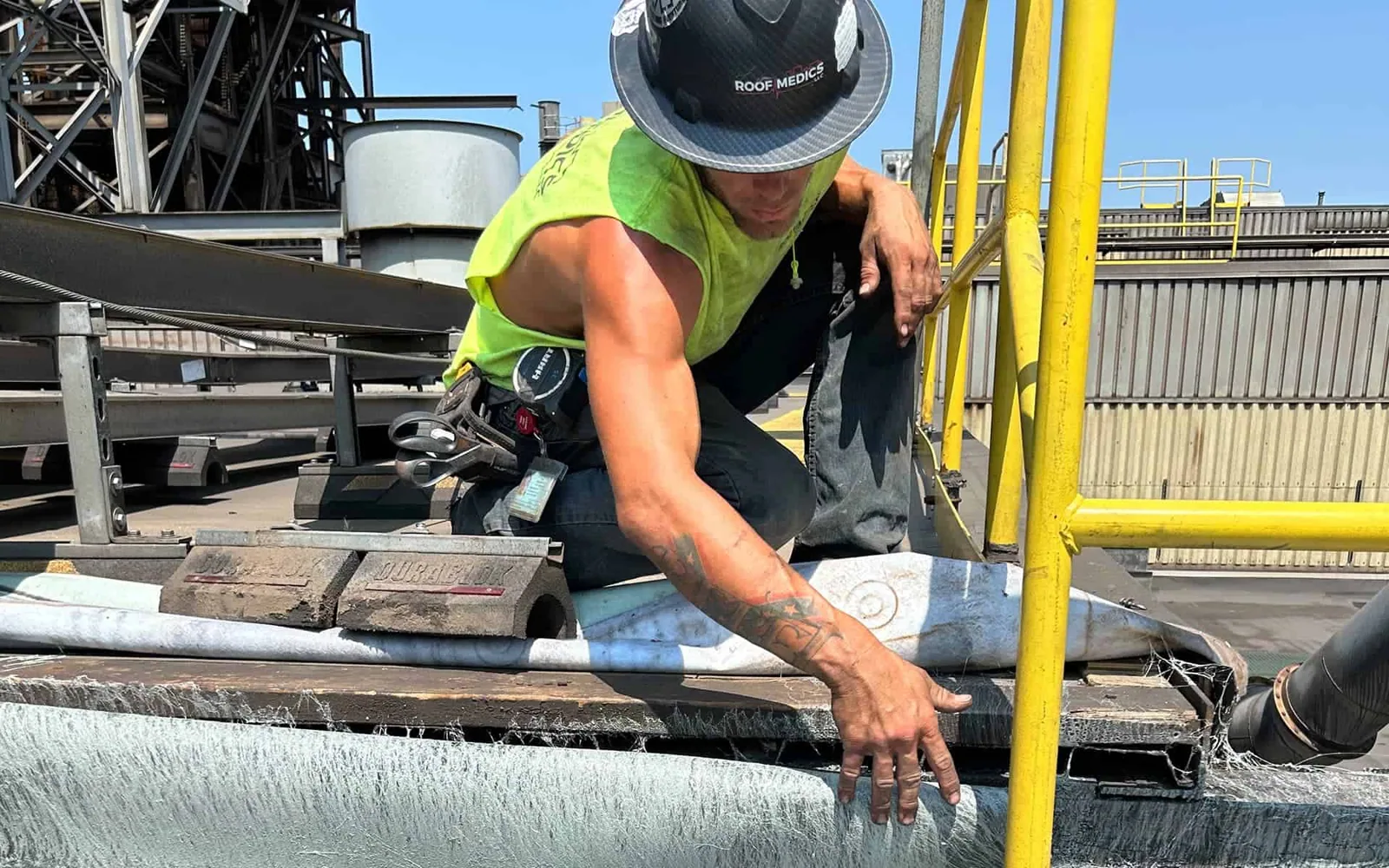
We walk the roof in order, starting at the dock edge and moving inward. Each finding is photographed and marked on a plan that the facility manager can keep.
- Dock-edge metal, canopy connections and wall flashing.
- Sprinkler risers, vents and hatches, with the boot or curb at each.
- Rooftop units and supports, with sealant and flashing height.
- Seams and laps, probed along the run for open edges.
- Drains and overflow, flushed to confirm flow, and ponding lines noted.
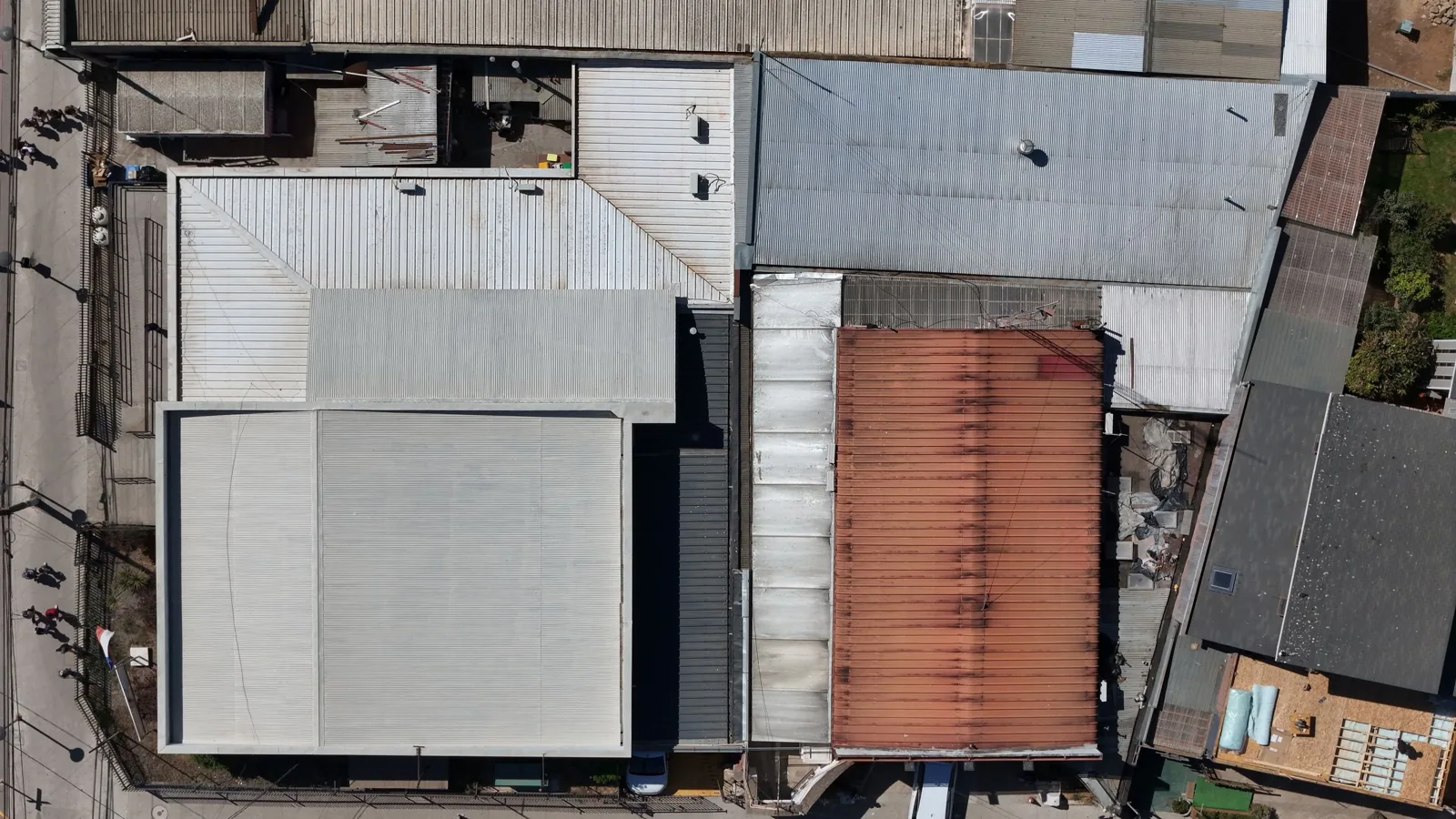
A drone roof inspection speeds the first look on a big roof and keeps crews off the surface until there is a reason to be there. The walk then confirms what the images show.
Repair or Replace
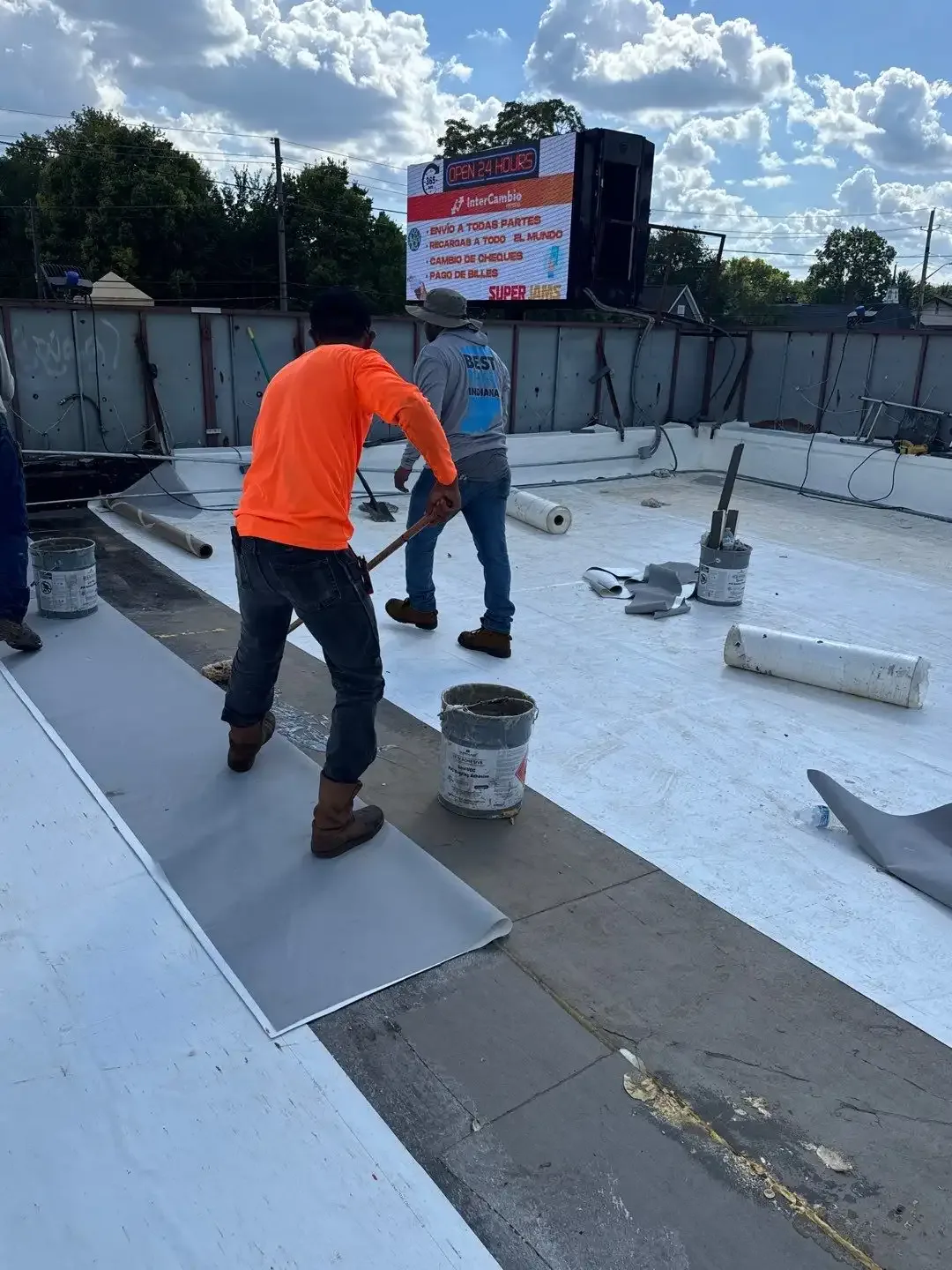
A simple test comes first. Is the layer underneath dry? If it is, repair the details, reset the edge metal and weld the seams. If a moisture scan and a core cut show wet insulation across wide zones, replacement or a section replacement is the better value. A recover fits a dry, sound roof and avoids tear-off.
Phasing matters more here than on most buildings. A replacement is cut into zones, and each zone is opened, rebuilt and closed in the same shift, so product below stays dry. Cost follows roof area, wet material, deck repair, access and edge details. We price the options side by side and note what each leaves behind. The simplest rule applies: fix what is wrong, and do not pay to replace what is dry and sound. Where insulation is wet only in bands near the docks, a targeted section replacement often costs far less than a full roof.
Timing and Access
Plan the roof around the calendar, not the other way around. Peak shipping, inventory counts and customer audits all limit when a crew can work. Hoisting and staging are scheduled away from truck lanes and dock doors, and roof access points are marked so drivers and walkers know where the crew is.
Hail can interrupt any plan. Iowa Park and Burkburnett were hit by baseball-size stones in April 1991, and Sheppard AFB by larger ones in 1993. History is not proof of damage on a roof, but it is a reason to keep a dated roof record. After a hail event, a hail damage check goes in the file. A warehouse roof with the same layers is handled the same way.
Commercial Roofing Questions
Can a distribution center keep running during a roof replacement?
Yes, with phasing. We open one zone at a time, close it in the same shift and keep staging away from docks and truck lanes. The facility manager approves the sequence first, and we hand over a plain-language schedule that dispatchers and dock supervisors can read at a glance.
What is the first sign of trouble on a fulfillment center roof?
Often a stain near a dock or a sprinkler riser, or a damp spot in the insulation. The stain shows where water landed. A walk and a scan find where it came in.
Do skylights and smoke vents leak more than the field?
They are common leak points because each has its own curb and sealant. We test each one with water before recommending a repair.
How do we protect racking and product during roof work?
Cover the area below, close in each zone daily and keep a drip-containment kit ready. We confirm the protection plan with the facility manager before opening any zone. Drip pans, plastic sheeting and a vacuum crew stay on site until the zone is closed in.
Should we record roof work for insurance or lenders?
Yes. Dated photographs by roof zone, a written scope and any moisture results go into a single file. It helps with claims, audits and sale due diligence.
What should a facility manager have ready?
The building address, the roof age if known, how the building runs and any leak history. From that we walk the roof and write down what we find, with a price for each item.