
Commercial Roofing Built Around the Building
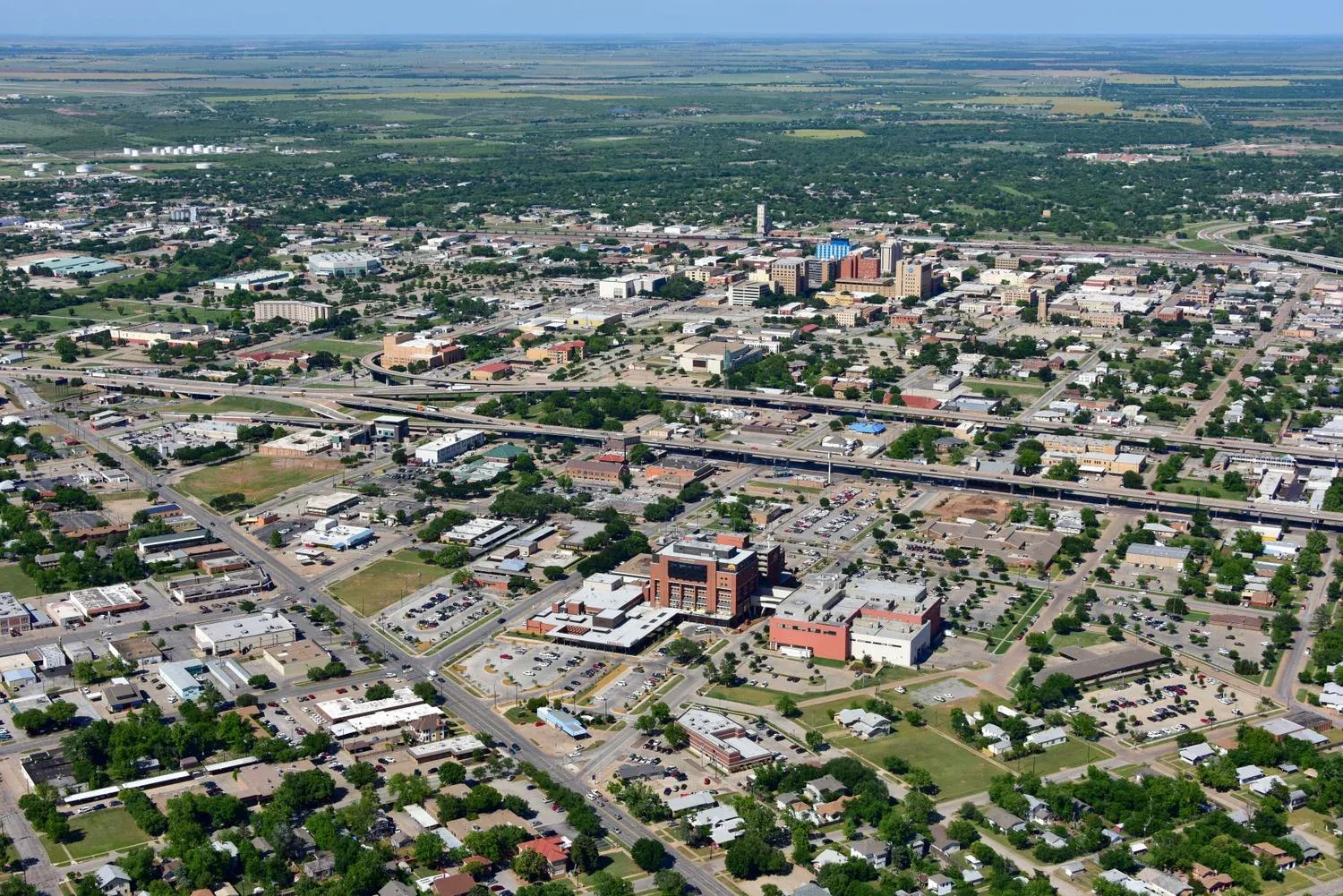
Start with the building. That is how Commercial Roofing Wichita Falls works. We repair, restore, recover, coat, inspect and replace low-slope and metal roofs on commercial buildings in Wichita Falls, TX and the towns around it. The first visit is a walk of the whole roof, in order, with photos and notes. The recommendation comes after, and it is tied to what the walk found.
An owner or manager is responsible for a building and a budget. They want a plain answer on whether the roof can be repaired, what leaving it alone will cost and how the work will fit around the business inside. Here is how we get to that answer.
What the work includes
Services run from commercial roof repair and leak tracing through inspections, drone and infrared moisture surveys and written condition reports with photos. We install and repair TPO, PVC, EPDM, KEE, modified bitumen, built-up, standing seam and retrofit metal, spray foam, and silicone and acrylic coating systems. We run preventive maintenance programs and document storm damage for insurance claims.
Many commercial buildings are occupied, so work is planned around tenants, operations and schedules. A school needs the noisy part done when classes are out. A clinic needs the sealed section kept dry and the access route clear. A warehouse needs the dock doors and the aisles protected. We write those limits into the scope before the crew arrives, because a good roof plan is also a good building plan.
Each scope states what is being repaired or replaced, in which sections, with which materials and in what order. The report uses plain labels, so a property manager, a lender and an adjuster can read the same page and reach the same conclusion. If something unexpected turns up under the surface, such as wet insulation beyond the marked area, the change is explained and priced before it proceeds.
How a roof visit runs
Step one is the perimeter: edge metal, wall flashings and coping. Step two is the penetrations and the drains. Step three is the field of the membrane and its seams. At each stop we look for the ponding line, a loose fastener, an open lap, an old patch and the place where two materials meet. Where a leak has been reported we add moisture readings, because wet insulation can sit under a dry surface for a long time.
One clean rule runs through the work: never repair over wet insulation. The photos and readings show where the wet area ends, and the repair is drawn inside that line.
Drainage gets its own step. We look at where water goes when it leaves the membrane: drains, scuppers, gutters and downspouts. A clogged scupper can hold water against a wall flashing for days, and a roof that looks fine in the sun can be failing at that one corner. What it means for you is a report that names the real cause, not just the visible stain.
Heat, hail and tornado-season wind
Summer in Wichita Falls brings around 28 days at 100 degrees in an ordinary year, and 2011 was the year the city logged 100 days at that mark or higher. A dark membrane expands and relaxes with every hot day, so seams and sealants carry the wear. Hail is the other test: the weather history lists baseball-size stones that fell on Iowa Park and Burkburnett in April 1991, stones bigger than baseballs at Sheppard AFB in March 1993 and golf-ball stones in Electra in March 1982. The April 1979 tornado swept the south and east of the city, while the April 1964 tornado heavily damaged downtown.
These events are history, not an inspection. They explain why we check for hail bruises, edge securement and flashing condition, and why we do it by walking the roof.
Wet seasons matter as well. A typical year brings about 27.9 inches of rain, and May 2015 was the wettest month on record at 17.00 inches, the kind of month that finds every weak flashing and every slow drain.
The buildings we roof
The Business Park, 525 acres laid out for distributors, high-tech operations and manufacturers, brings large warehouse roofs and plant roofs are part of the picture. Midwestern State University spreads 50 or more buildings over 255 acres off Taft Boulevard, and North Texas State Hospital has a 330-bed campus in the city. The work also reaches shopping centers and aviation buildings near Sheppard Air Force Base, which is about five miles north of downtown.
Each building type has its own first check. On a distribution building it is the long seams and the drains. On a campus it is the many small roofs and the additions where old meets new. On a hospital it is the sealed access and the infection-control plan. On a retail strip it is the shared deck above several tenants, where a leak in one suite can start in another.
What military work involves
Roof work on an installation follows its own rules: base access and escorts, badging and scheduling around mission operations, with roofing built to the Unified Facilities Criteria for roofing. A hangar, a maintenance building and a clinic each have different roof demands. Those rules shape the plan before a single panel is touched. Timing is another factor: a roof on a working installation is scheduled around training and flight operations, and the crew list is submitted ahead of time. The specifics come from the installation for each job.
Who we work for
We work for property management companies, healthcare systems, school districts, public agencies, logistics operators and general contractors. The same field work serves each of them, and the report is written for the person who has to decide. Emergency response runs around the clock, all week, holidays included, and the first move is always to stop the water and record what we find. That record then serves the insurance claim, the repair plan and the next budget, so one visit does three jobs.
Where we work
We work across the city's districts, from the Business Park to downtown, and in Burkburnett, Iowa Park and the towns beyond. Send the roof age, how the building is used and any leak you have seen, and the first walk follows that order. The answer you get back will list the findings by section, with photos, so you can see the same roof we saw. In the smaller towns around the city the routine is identical, with access and drive time confirmed before a crew is scheduled.
Questions from Wichita Falls Building Owners
What should an owner send first?
The roof age, the way the building is used and any leak history.
How is repair chosen over replacement?
The moisture map answers it: dry beyond one detail means a tight repair, spread moisture means a restoration or replacement conversation.
Does the work stop the business?
Work is phased around operations, and dry test areas are used before sections open.
Who gets the photo record?
Whoever you name: an owner, a manager, an adjuster or a lender.