A data center roof has one job above all others: keep water away from equipment that cannot get wet. A roof leak in an office is an inconvenience. A roof leak over a server hall is an outage. In Wichita Falls, TX, where hail, tornado-season wind and long, hot summers all test a roof, the plan starts with what is directly underneath each roof zone. Then it moves to the layers, the penetrations and the schedule that keeps the room running.
What the Building Needs
Critical facilities share a few traits. They hold equipment that is costly to replace and slow to restore. They run on a schedule that does not stop, and they carry mechanical systems, often on the roof, that must keep working. Backup power, cooling plant and fiber entries all create reasons to cut or load the roof. Each one adds weight, a hole or both. A plan that counts them early saves rework, because the cheapest time to put a curb in the right place is before the roof is built or re-covered.
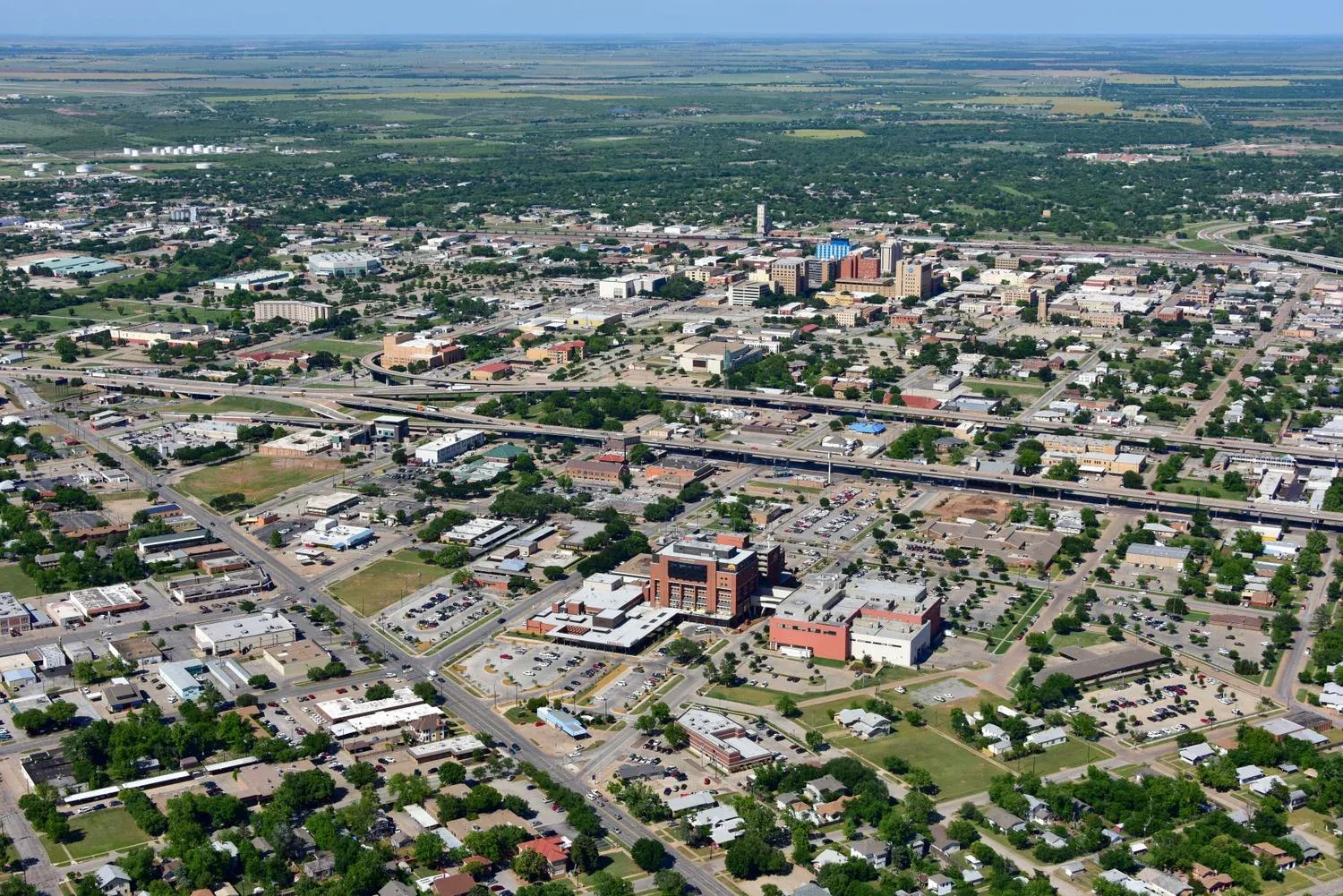
Business support services are among the area's clusters, and the Wichita Falls Business Park is aimed at distributors, high-tech operations and manufacturers across 525 acres. A critical facility can sit in any of those categories, so the method matters more than the address: map what sits below, then protect it in order.
Build the Roof for Fewer Holes
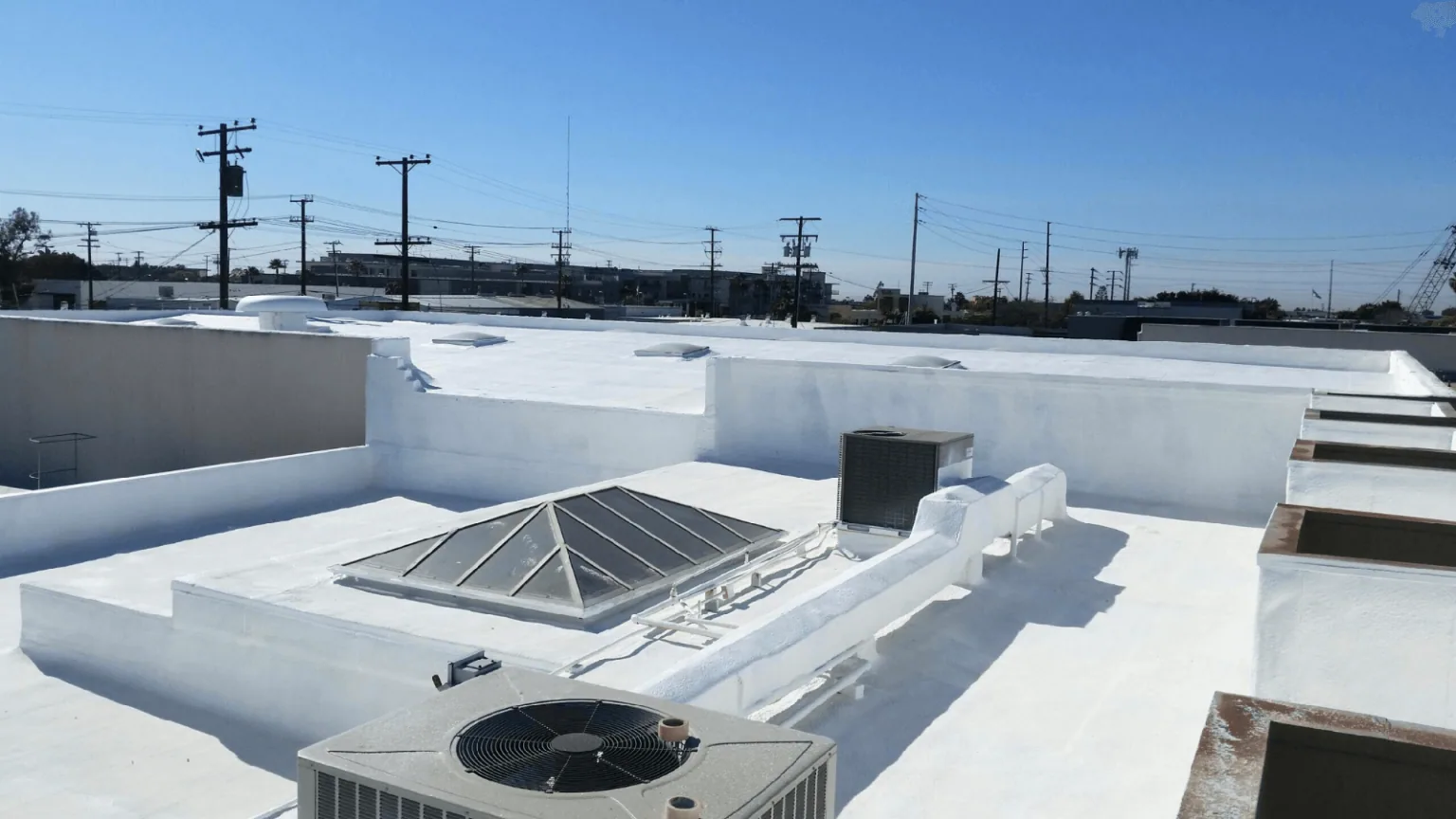
The safest roof for critical load has the fewest penetrations. Every pipe, conduit, curb and support is a hole sealed by a boot or flashing, and every seal ages. Where equipment must go on the roof, it belongs on raised supports with clear access, away from drains and seams. Cooling lines that cross the roof should do so in a few well-flashed places, not many.
The assembly itself is conventional: deck, vapor control, insulation, cover board and a durable membrane. A PVC or TPO sheet with welded seams suits a large, flat roof, and a heavy cover board protects the insulation from service traffic. Some owners add a second drainage path or a leak-detection layer. Those choices belong in the design, not in the repair. A repair crew can reduce risk, though, by sealing spare penetrations, retiring unused lines and moving equipment supports off seams. We list each of those opportunities on the walk.
Where It Fails First
Critical roofs fail at the details, like any other. A curb around a cooling unit settles. A conduit boot cracks. A drain collar loosens. The difference is the consequence. A slow leak that would stain a ceiling in an office reaches the equipment in a data hall, because the ceiling is not the last barrier. The room's own protection becomes the last line. That is why a critical roof gets inspected by zone, with the zones over the most sensitive rooms checked first and checked most often.
Heat and hail are the two regional stressors. Summer brings about 28 days a year at 100 degrees, so a dark sheet swells and relaxes on a long cycle. Sheppard AFB took stones larger than baseballs in March 1993, and the April 1991 baseball-size hail damaged Iowa Park and Burkburnett. That record is history, not a finding, but it is why a hail bruise check belongs in every critical roof's routine.
What to Check
We walk the roof with the floor plan beside us. Every zone above the data hall, the power room and the cooling plant gets the closest look.
- Penetrations over critical rooms, with the boot, collar and sealant at each.
- Equipment curbs and supports, checked for movement and for flashing height.
- Seams and laps, probed along their length, with extra care near drains.
- Drains, scuppers and overflow, flushed to prove flow, with ponding lines noted.
- Hail marks on the membrane and on equipment housings after any large storm.
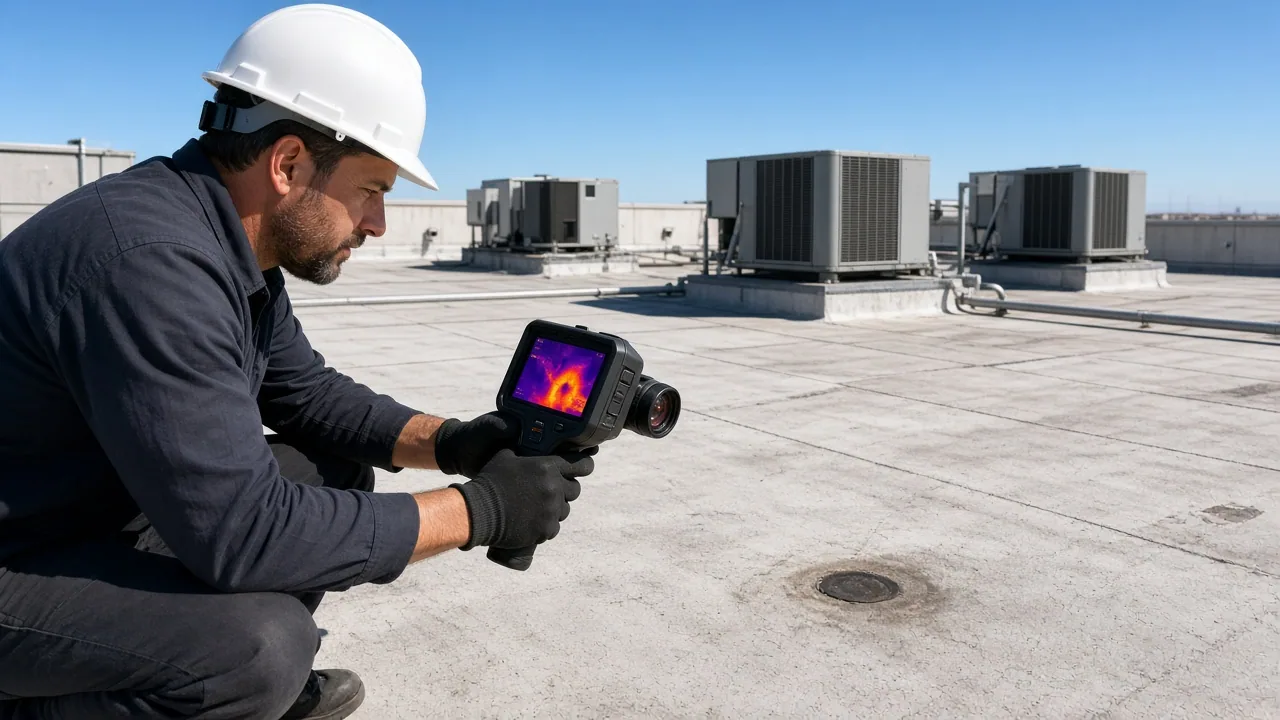
An infrared survey maps any wet insulation, and a core cut confirms it. The report ranks zones by what sits below, so the first repair always protects the room that matters most. It also records each penetration with a photograph and a date, which gives the facility team a baseline for every later visit.
Repair or Replace
A simple test applies. Is the layer underneath dry? If so, repair the details and keep the roof under watch. If wet insulation is found over critical space, move that zone to the front of the line and replace it in a planned phase. Waiting for a leak to show is not a plan for a room like this.
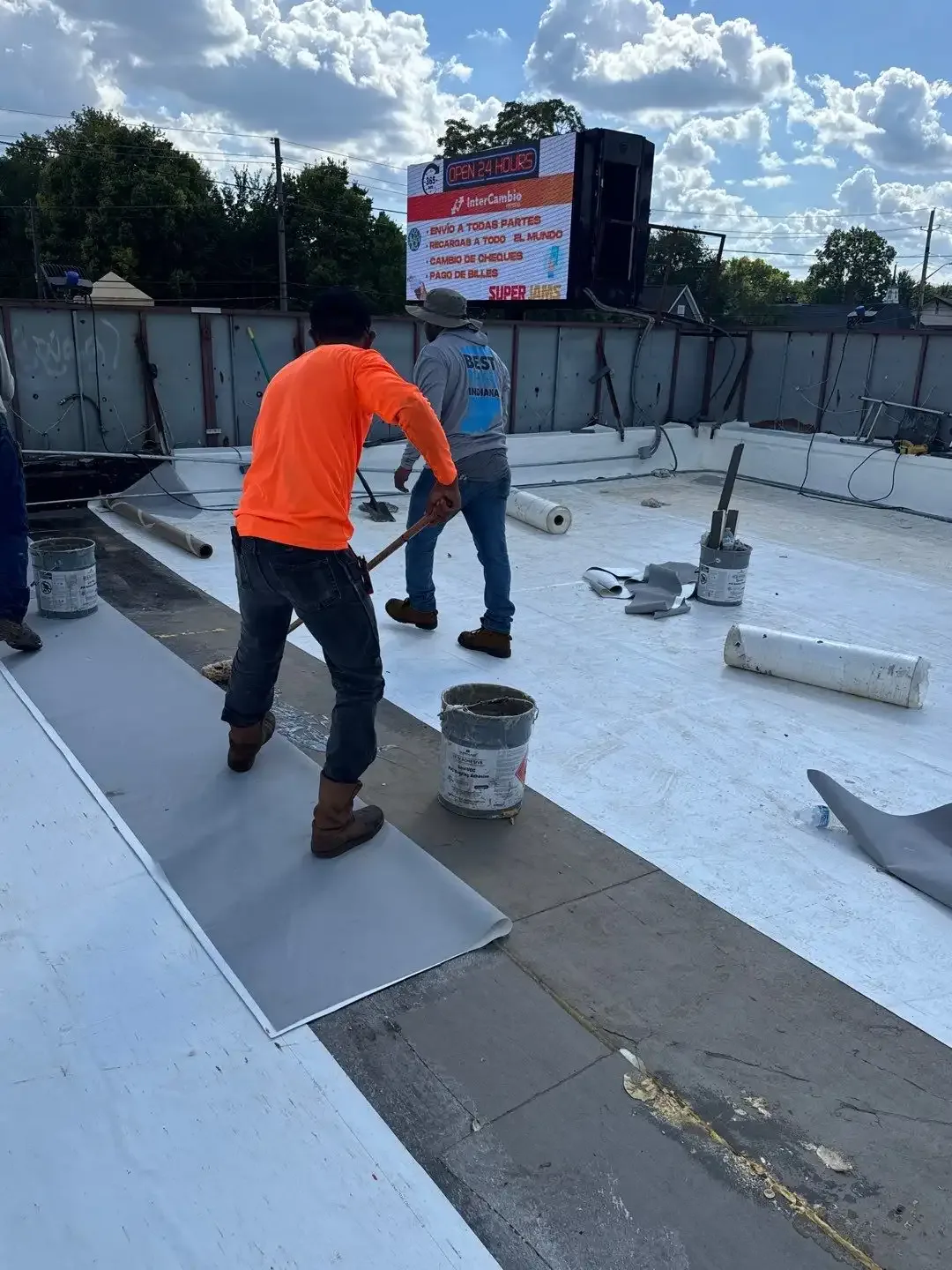
A replacement is planned in zones, with temporary protection over equipment and a way to verify dryness before each zone is closed. A recover may fit where insulation is dry, though weight limits and added layers need a careful check. Cost follows roof area, penetration count, protection measures and access. We price the choices side by side. For a critical roof, the cost of temporary protection, extra inspections and verification is part of the price, and it is shown as its own line so the owner sees what the safeguards cost.
Timing and Access
Roof work over a critical facility follows the facility's rules. Change windows, escort procedures and equipment restrictions all apply. We submit the roof plan early, name the crew, agree on the staging route and plan every opening so that no zone stays open overnight over live equipment.
Spring is the season to refresh the record. Hail and tornado risk rise from March, and the roof is best checked before then and again after any large storm. The tornado record here is long, and the April 1979 storm crossed the south and east of the city, so storm planning is not abstract. A dated file by roof zone helps with claims and audits. For related building types, an office building shares some of these details, and a hospital shares the 24-hour operating pressure.
Commercial Roofing Questions
What is the single best way to lower leak risk over a server hall?
Reduce penetrations and keep the roof dry and well drained. Fewer holes mean fewer seals to age. Regular walks and moisture scans catch problems before water reaches the room. A twice-yearly walk plus a scan after any large storm is a modest routine against the cost of one wet equipment row.
Can the roof be replaced while the facility stays live?
Usually, with zone-by-zone work, temporary protection over equipment and daily close-in. The facility's change process approves each step, and we provide a method statement, a crew list and a rollback plan in case weather interrupts a zone.
Should the roof have leak detection?
Some owners add it, especially over critical zones. It detects water early, but it does not stop it. The roof still needs to be sound.
How do we schedule around hail season?
Check the roof before March, after any large hail event and before summer. Fix small defects before the next storm window, and keep spare materials on hand for quick temporary repairs.
Who coordinates with the cooling contractor?
We do. Any work near cooling plant or roof piping is planned with the mechanical contractor, and the roof is sealed before they leave.
What should we send for a first walk?
The roof plans, a list of rooftop equipment, the critical zones below and any leak history. The first walk will answer a specific question.