Jolly, TX is a Clay County city of 172 residents at the 2020 census, established in 1890 and covering 0.98 square miles in the Wichita Falls metro. Every resident lives in a rural area, and students attend Henrietta ISD. The roofs we plan for in a town that size are small buildings with plain roofs: a metal shop, an equipment shed, a one-room office, a hall.

Plain roofs fail in plain ways. That is good news, because plain failures are easy to find. Step one is to look at the building and name what it does. Step two is to walk the roof and write down what is wrong.
Small Buildings, Plain Roofs
A small commercial building seldom has a roof full of equipment. It may have one vent, one pipe and an edge. Each of those is a place where water can enter, and with so few of them the cause of a leak is easier to isolate. We start at the highest point and work down the slope, checking each penetration and edge. Every finding goes onto a sketch with a photograph, so the owner can see exactly where the problem sits.
Because the roof is small, a repair often covers the whole problem. A new boot, a run of sealant and a handful of screws can end a leak that has stained a ceiling for years. We still probe for soft spots first, since cheap fixes only hold on a dry deck.
Metal Panels in Open Country
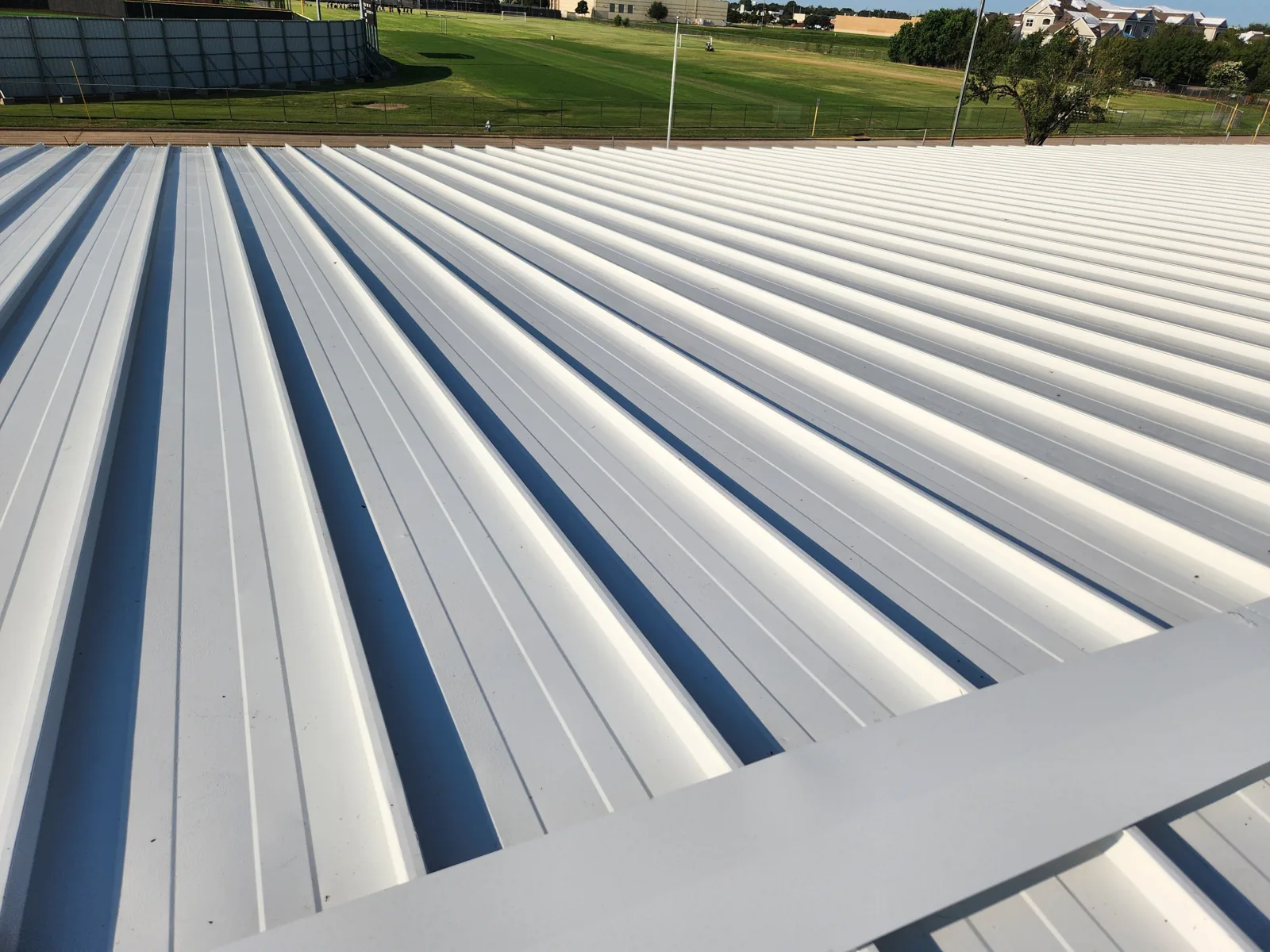
Open ground gives wind a long run at a roof. Metal panels take that load at their fasteners and edges. Screws back out as the metal moves, edge trim loosens, and a panel can start to flutter. We check every fastener line, press on the raised screws and replace failures with larger ones where the hole has worn.
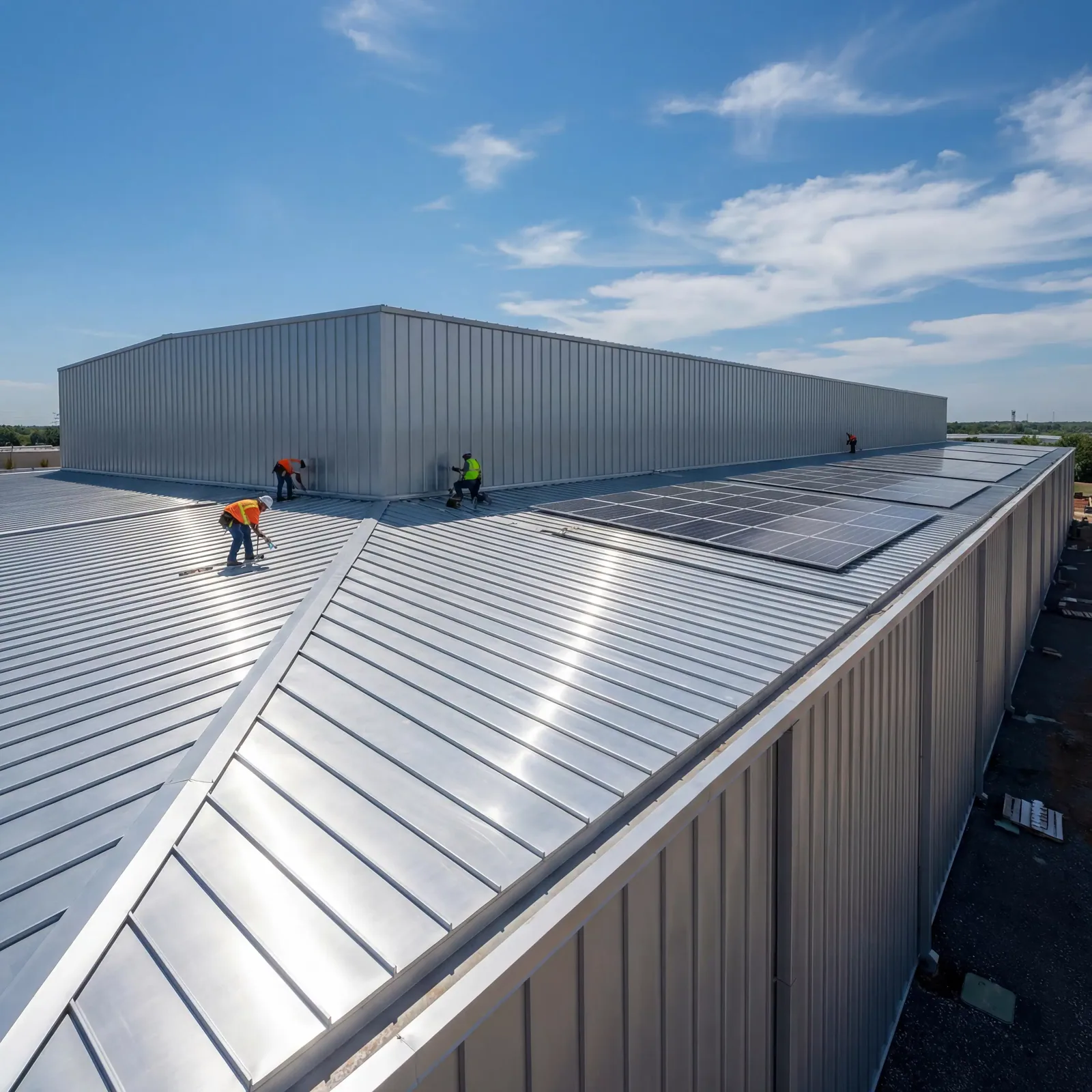
A standing seam roof relies on clips and seams instead of exposed screws, so we examine the clips, the seam closures and the trim. For an older roof that is tired, a metal roof retrofit can cover it without a full tear-off when the structure and the insulation allow.
Metal rusts where its coating is broken: at cut edges, at scratches left by tools, and where a dent holds water. A rust spot the size of a coin looks harmless. It spreads under the paint and eats toward the next panel.
The rule is short. Stop rust early. We wire-brush the area, treat it, prime it and seal it, and we photograph the repair so the next visit can compare. If rust has gone through the panel, that panel is replaced. A roof with rust on most of its panels usually needs a larger plan, and we say so plainly.
Wind and Tornado Season
An F5 tornado struck on April 3, 1964 and heavily damaged downtown Wichita Falls. That storm is history, and it says nothing about any roof in Jolly, yet it explains why edge metal, fasteners and flashing deserve attention before spring storms.
After a severe storm, we check for lifted edges, missing screws, bent trim and debris thrown onto the roof. A wind damage check takes a short walk and a few photographs, and it separates a cosmetic dent from a real opening.
Sun on Panels and Sealant
A typical Wichita Falls year includes about 102 days at 90 degrees or higher. Panels expand in that heat, and sealant at laps and penetrations dries and cracks. A bead that has pulled away from its metal is a leak waiting for rain.
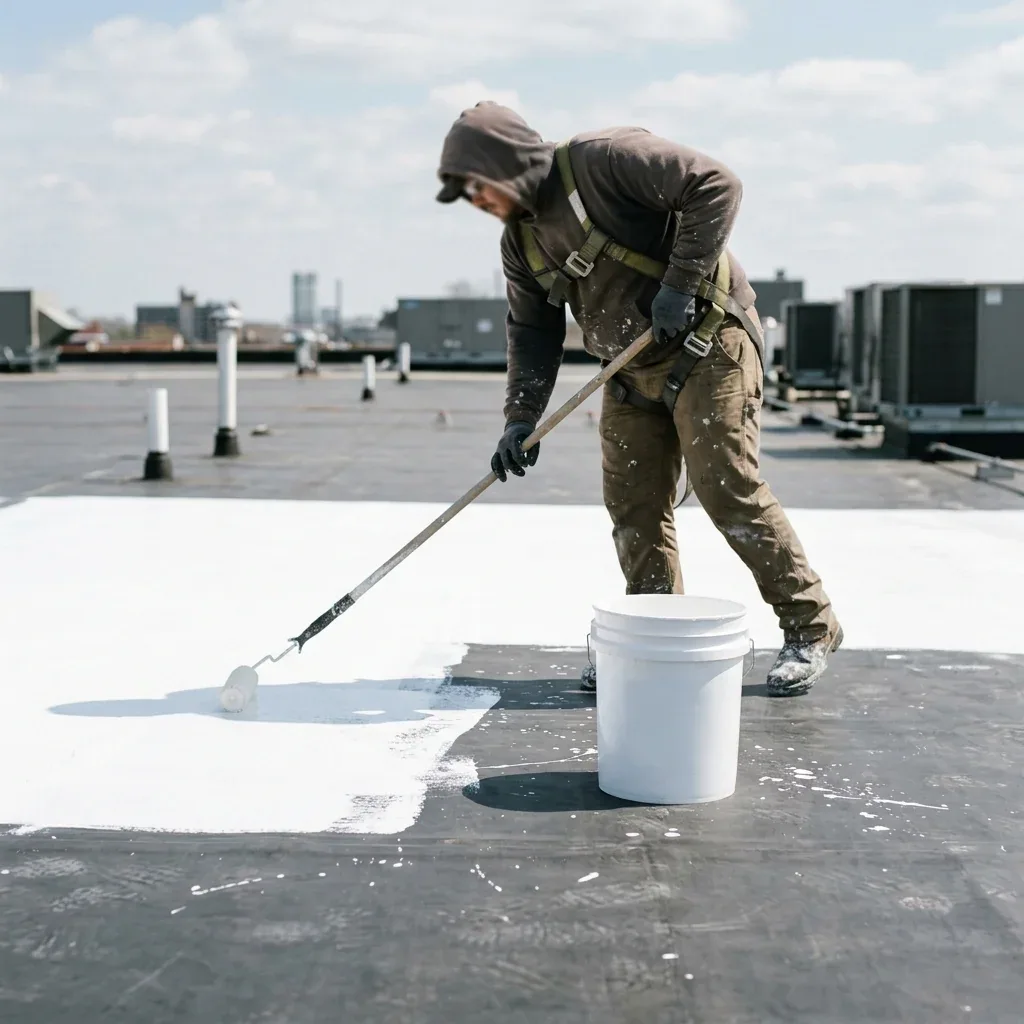
We cut out failed sealant, clean the surface and lay a new bead. Where a roof is sound but worn, a reflective coating can lower surface heat and extend its life. Coatings go on dry roofs only, and we test first.
Guide the Water Off a Small Roof
Small roofs often shed water through a gutter or over an open edge. If the gutter is full of leaves and grit, water spills behind it and rots the fascia, then the edge of the deck. A downspout that ends beside the wall soaks the foundation. We clear gutters, check the slope toward the downspout and look at the joints between sections.
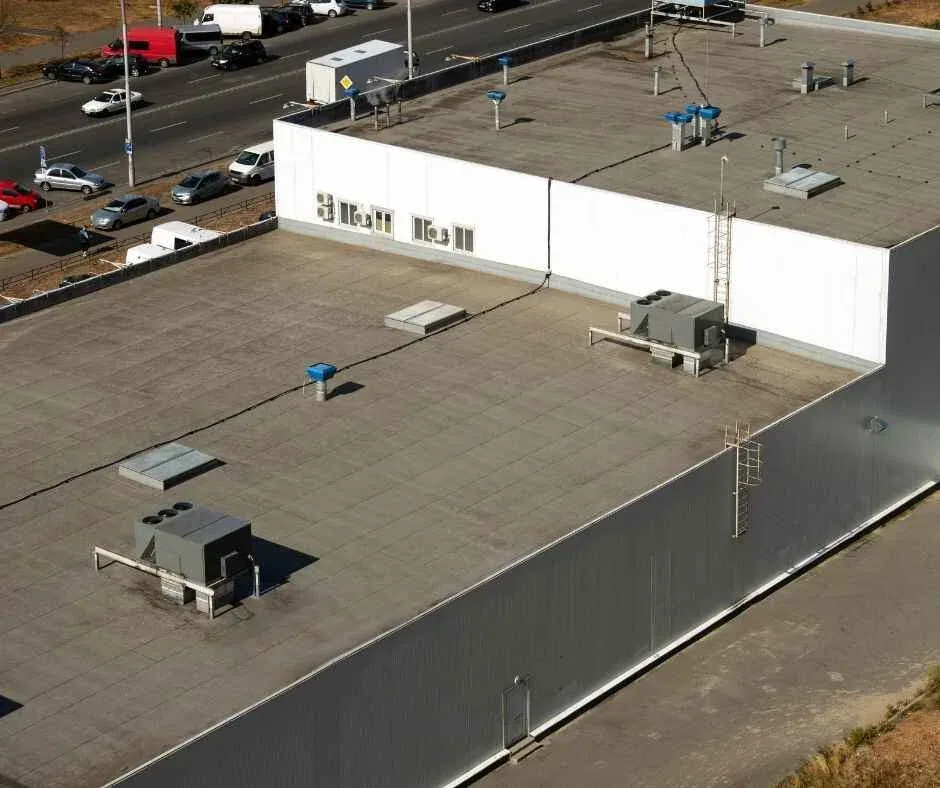
On a flat or low-slope roof, the question is where the water goes when it stops moving. A low spot that holds water after a storm leaves a ring of dirt, and we follow it back to its cause. The fix may be a cleaned outlet, an added scupper or a tapered correction. Our work on roof drains and scuppers covers each of those.
What We Photograph on the First Walk
The first walk follows a fixed order, so nothing is skipped and the report is easy to read.
- The edges and the trim, where wind lifts first.
- Every fastener line on metal, or every seam on a membrane.
- Each pipe, vent and unit, with a close photo of the flashing.
- The drains, gutters and downspouts.
- Any soft spot, stain or rust, marked on a sketch.
The list at the end ranks each finding by urgency. A building in Henrietta or Byers gets the same report, and a lender or insurer can read it without a visit.
Repair, Coat or Replace
A failed boot or loose screws calls for a repair. Surface wear on a sound roof calls for a coating. Wet insulation or rust across the roof calls for replacement. Price tracks roof size, deck condition and access. A rural site adds travel and delivery time, so we plan materials ahead and schedule the work to avoid return trips.
A roof nearing the end of its service life deserves a planned job, not a reaction to failure. Planning brings good weather, the right panels and time to warn neighbors, while an emergency takes whatever the sky allows and costs more.
Commercial Roofing Questions
Is a small roof cheaper to fix than a large one?
Usually, since there is less area and fewer details. The cost still follows the deck condition and access. A short walk tells us whether the repair is a morning job or a larger project.
How do I know if screws are backing out?
Raised heads, tiny rust rings or a row of stains down the ribs give it away. Press on a few. A loose one turns freely or sits above the panel. We replace failed screws with larger ones where the hole has worn.
Can rust be stopped on a metal roof?
Yes, when it is caught early. We brush it, treat it, prime it and seal it. Rust that has gone through a panel means the panel must be replaced.
Do I need to be on site for the roof walk?
No. Tell us the roof's age, the building's purpose and where it leaks. We walk the roof, photograph it and send a written report you can read on a phone.
Does a hail bruise show on a metal roof?
Often as a dent, though soft metals show more than hard ones. A dent that has broken the coating can rust. Dents on each slope are tallied inside test squares, and the tally goes in the report with photographs.
When should a rural building owner call after a storm?
As soon as the weather allows. Photograph what you can from the ground and call for a walk; staying off the roof yourself is safer. Early repair of a small opening costs far less than repair after the insulation is wet.