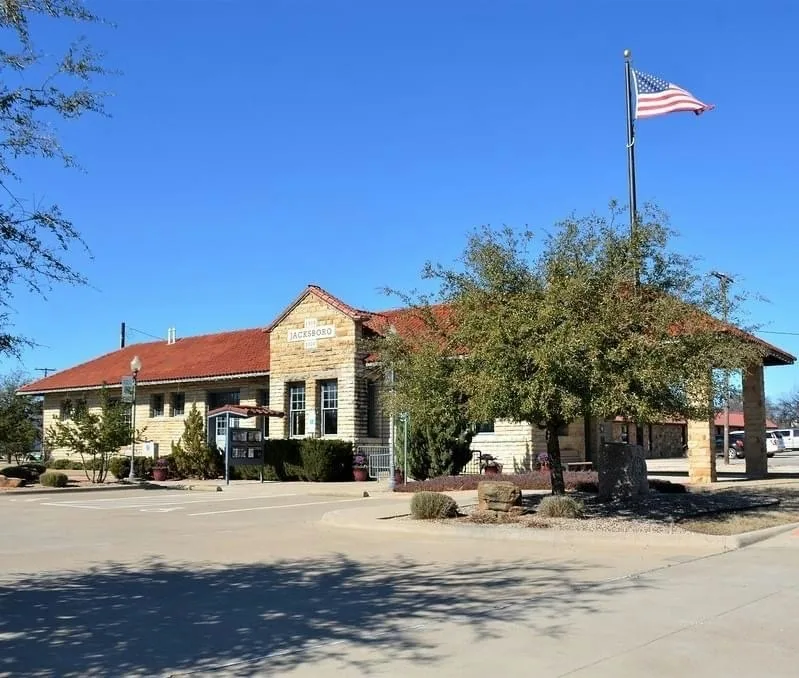
Byers ISD merged into Petrolia ISD after a May 2012 vote, and the town now counts 454 residents. A change like that is a good reminder that buildings change jobs. A structure built for one purpose may now hold storage, an office or nothing at all, and the roof does not care what is inside. It keeps shedding water, or it fails to. Byers sits in northern Clay County on State Highway 79, 22 miles northeast of Wichita Falls, TX.
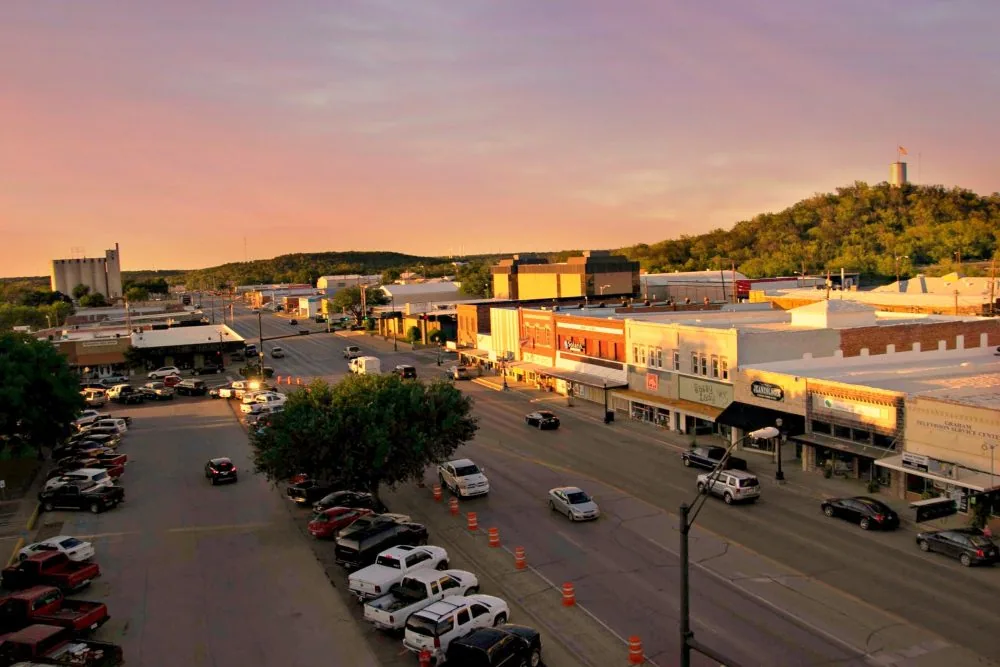
So we start with the building and its present use. Step one is what happens inside today. Step two is the roof age and past repairs. Step three is a walk across the whole surface, with photographs, so the next decision rests on what the roof will do.
When a Building Changes Its Job
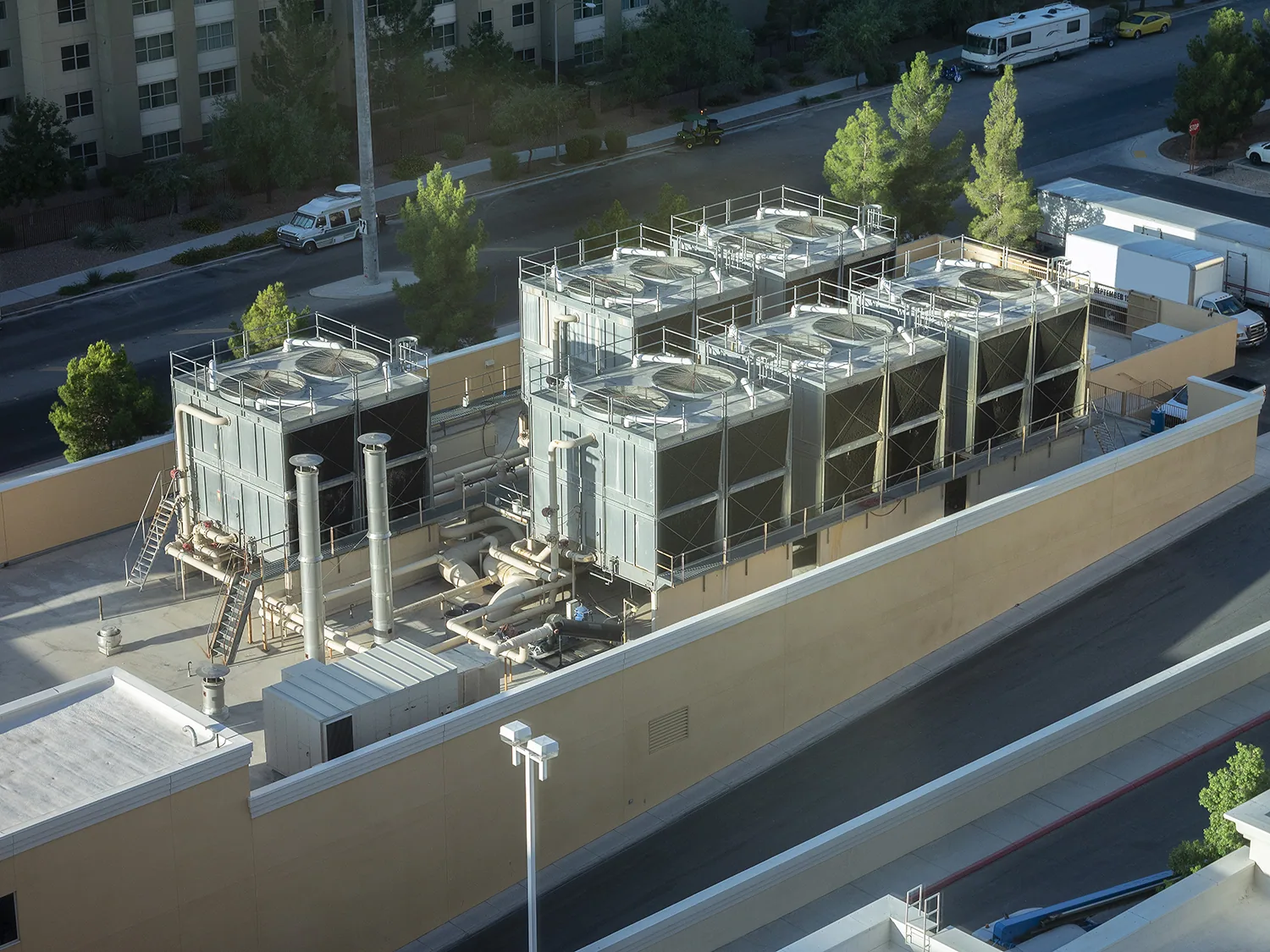
A building that has changed use may carry roof equipment that no longer serves anything. Old vents, abandoned curbs and capped pipes are all openings in the membrane. Each has flashing, and each flashing is a place where water can enter. If the equipment is unused, removing it and patching the roof is often cheaper than maintaining the flashing around it.
The reverse happens too. A new tenant brings new rooftop equipment, and each unit needs a proper curb and support so that the weight is carried by the structure and not by the membrane. We check how each unit sits, how the flashing is lapped and whether the unit has a drain pan that works.
Empty or lightly used space is its own concern. A slow leak over a room nobody enters can run for months, soak the insulation and stain the deck before anyone sees it. A scheduled look at the roof, even a brief one after a storm season, catches that kind of damage while it is still small.
Long Summers on a Low Roof
Wichita Falls, 22 miles away, runs about 28 days a year at 100 degrees, and its count hit 100 in 2011. A roof in Byers is under a similar summer sun. Dark membranes swell in the afternoon and relax at night, and repeated daily, that motion opens seams and pulls on flashing.
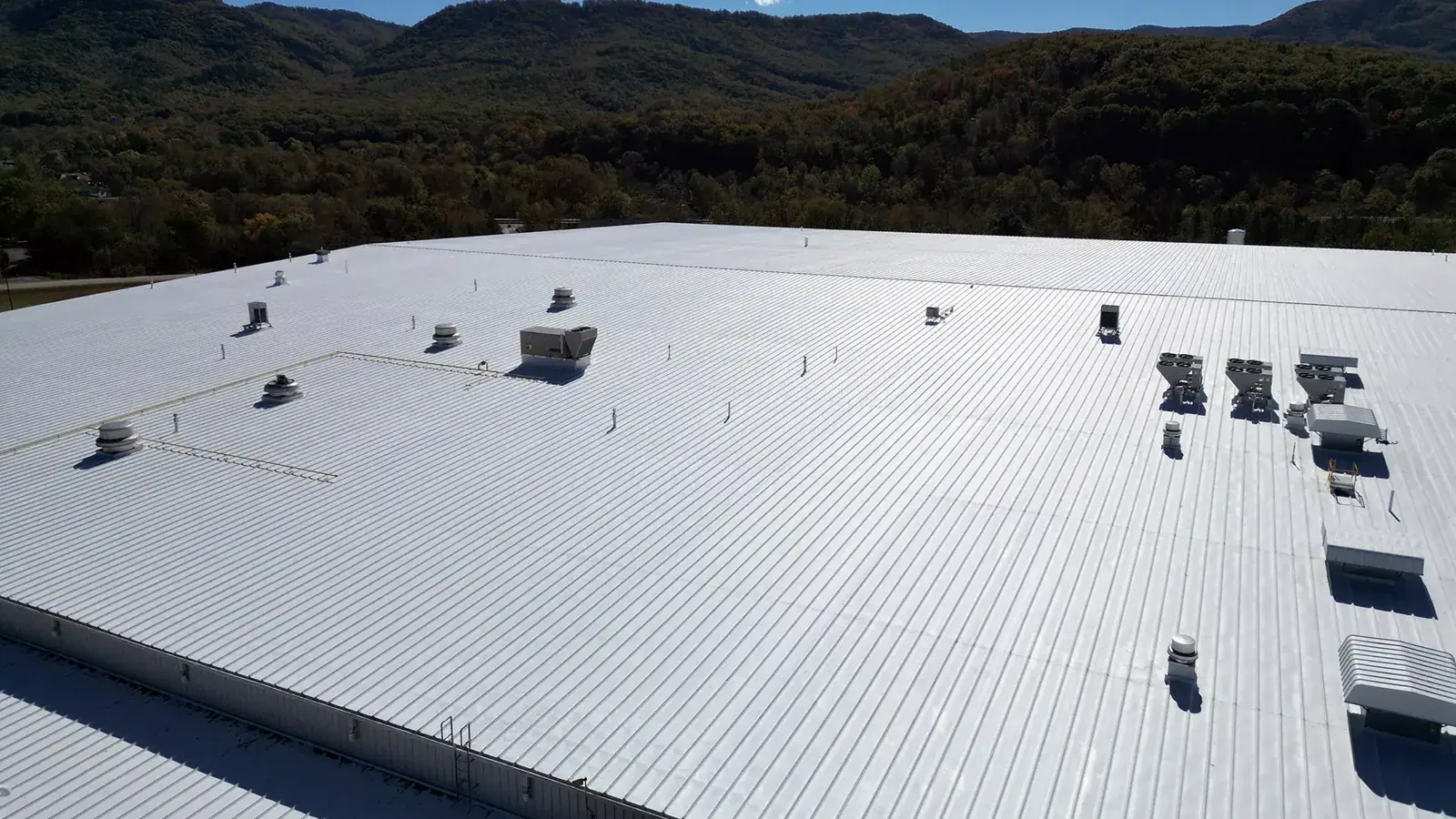
The effects show as a chalky surface, curled seam edges and cracked sealant. A restoration coating can add a fresh reflective surface over a sound roof and slow that cycle. It will not fix wet insulation or open seams, which is why the survey and the repairs come before the coating.
Hail Records Along the Route
The weather service records baseball-size stones coming down on Burkburnett and Iowa Park in April 1991, plus a hail event on March 13, 1982 that damaged an area from Electra to Burkburnett. Byers is not named in either record, so those storms stay as context and not as evidence about a roof here.
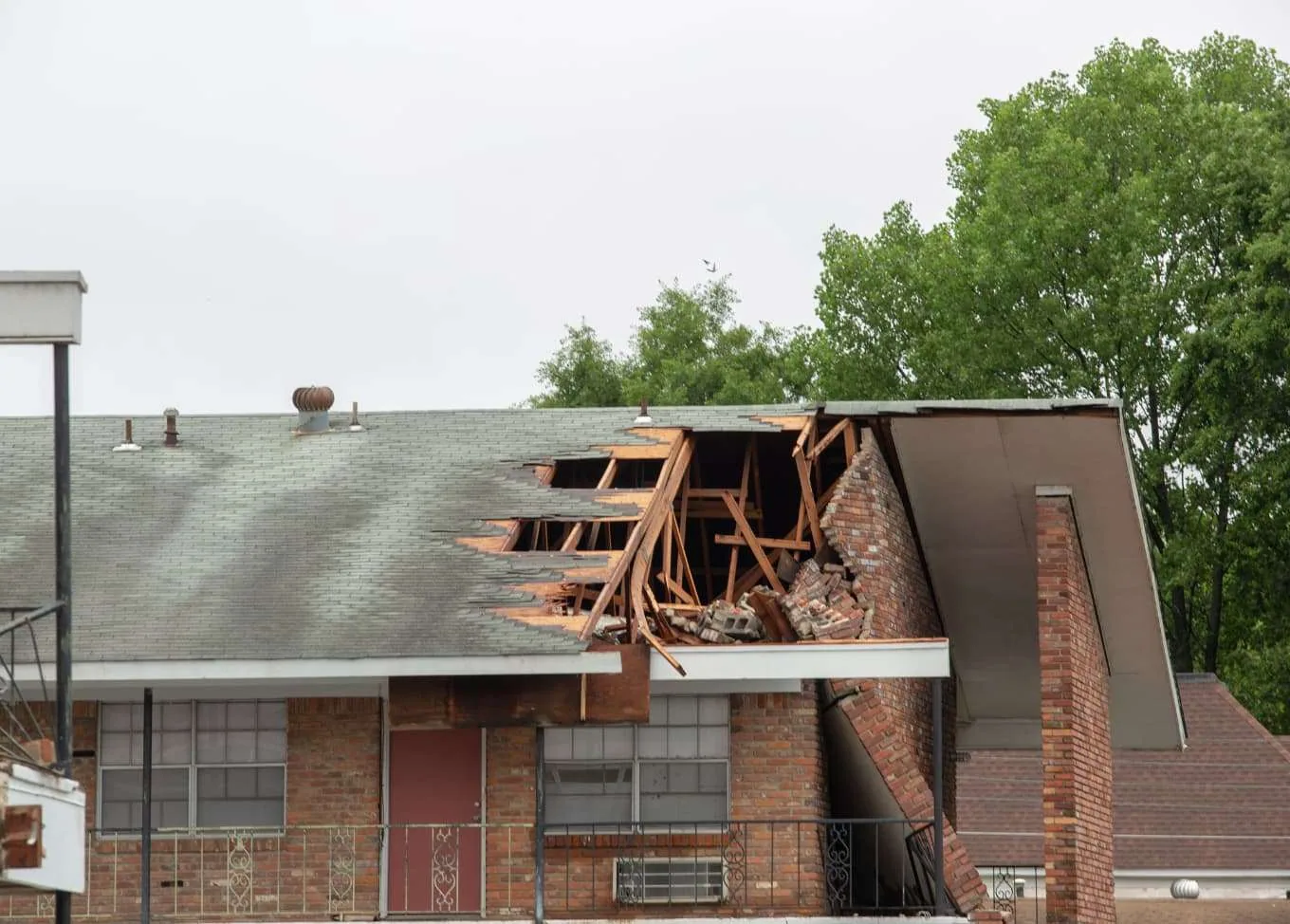
The roof itself provides the evidence. A hail bruise is a soft, dished spot in the membrane or the insulation under it, and it often sits unnoticed until the next hard rain. We probe, mark and photograph each spot. Then the report becomes the basis for a hail damage repair plan and, if you file, for the insurer.
What the Walk Covers
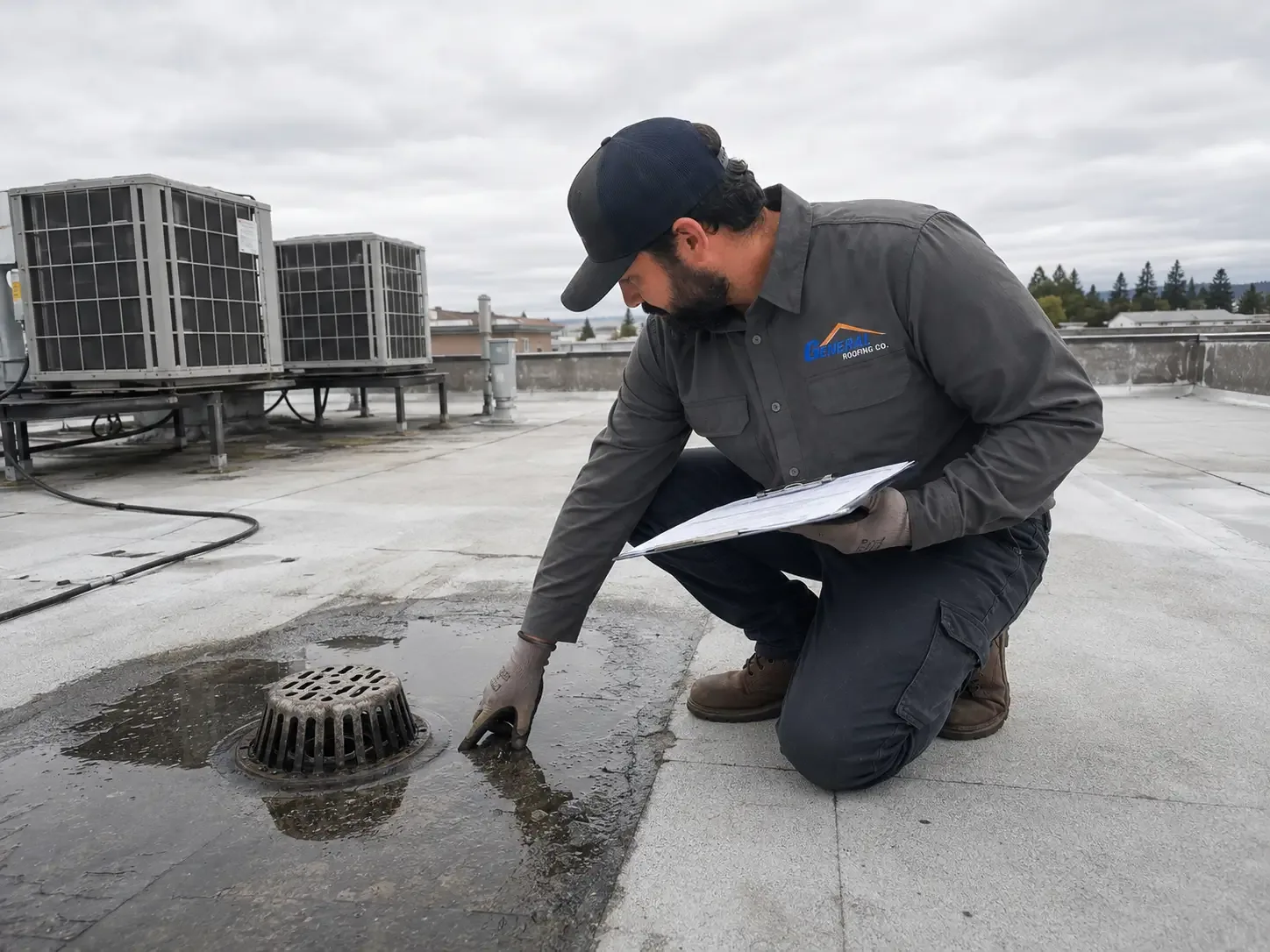
We begin at the perimeter, where wind and runoff do the most work, and check the edge metal and the fasteners behind it. Next come the penetrations, since each pipe, vent and unit is a hole with flashing around it. Then the seams and the field, which we press by hand and with a probe to find soft areas. Last are the drains, where a ponding line after rain shows how long water lingers.
On a metal roof the list changes to panel laps, fastener heads, ribs and sealant. A full roof inspection ends with photographs and a ranked list, so the owner sees the urgent items first and the watch items last.
Tracing a Leak Back to Its Opening
A stain on a ceiling shows where water landed. The opening is usually uphill from it, sometimes by a long way, because water runs along the deck and through the insulation before it drips. Step one is to find the nearest seam, drain or penetration above the stain. Step two is to take moisture readings. Step three is a small test cut if the readings suggest wet insulation.
A single failed seam is a small repair. A chain of failed seams needs more. Wet insulation over a broad area is the signal that patching has run its course, and the report says so with the readings attached. Our leak repair work follows the same order every time.
The Drive on State Highway 79
Highway 79 links Byers to Wichita Falls, and Petrolia uses the same highway on the opposite side of Wichita Falls, so we schedule each side as its own run. For Byers, we plan a single visit with the walk, the photographs and the written report as the deliverables.
For the work itself, we plan staging, delivery times and debris removal before the crew arrives. If the building has a gate or limited hours, tell us. Emergency calls run around the clock, and a temporary cover goes on first when water is entering. A building in Burkburnett can be added to the same day's route.
Repair, Recover or Replace
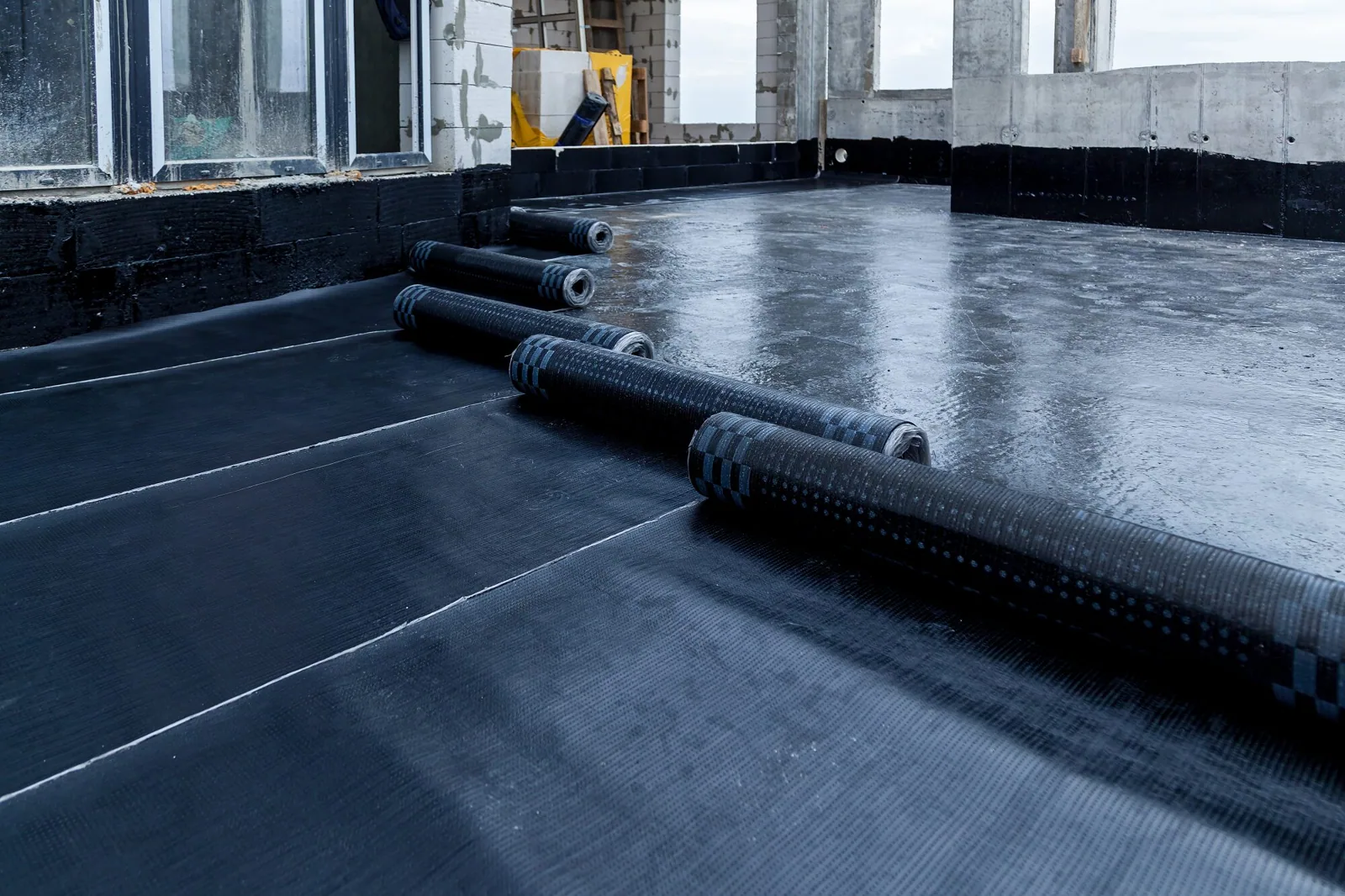
Small defects on a sound roof get a repair. A tired roof with dry insulation can sometimes take a recover or a coating. Wet insulation across a wide area means the wet material has to come out, and that is a replacement conversation.
Cost follows roof size, the amount of insulation to remove, the number of penetrations, the system chosen and how hard the roof is to reach. We write each option with its own scope and price, so you can compare line by line. If the building's future use is uncertain, a limited repair that keeps the roof dry is a legitimate choice, and we will say how many seasons we expect it to buy.
Commercial Roofing Questions
My building is not used the way it was built to be. Does that matter to the roof?
It matters where equipment has been added or removed. Unused curbs and vents still need flashing, and new units need proper support. We map every penetration and recommend what to keep, move or remove.
How far out do you go for a single building in Byers?
Byers is 22 miles northeast of Wichita Falls on State Highway 79, and we plan the first walk as one visit and send the report soon after.
Is a coating enough for a roof that has leaked before?
Only after the leaks are traced and fixed. A coating seals a sound surface, but it cannot dry wet insulation. The survey tells us which situation the roof is in. If the answer is replacement, the report says so with the readings that support it.
What can I do before the crew arrives to limit damage?
Move stock and equipment away from the drip, place a bucket if needed and photograph the stain. Tell us how long it has been there and whether it grows after rain. Do not climb onto a wet roof, because membranes are slick and edges are hard to see. We will give you steps by phone that fit the building.
Do you work on empty buildings?
Yes. An empty building still has a roof that sheds water, and an empty building can hide a slow leak for a long time because nobody is there to see it. We check it the same way.