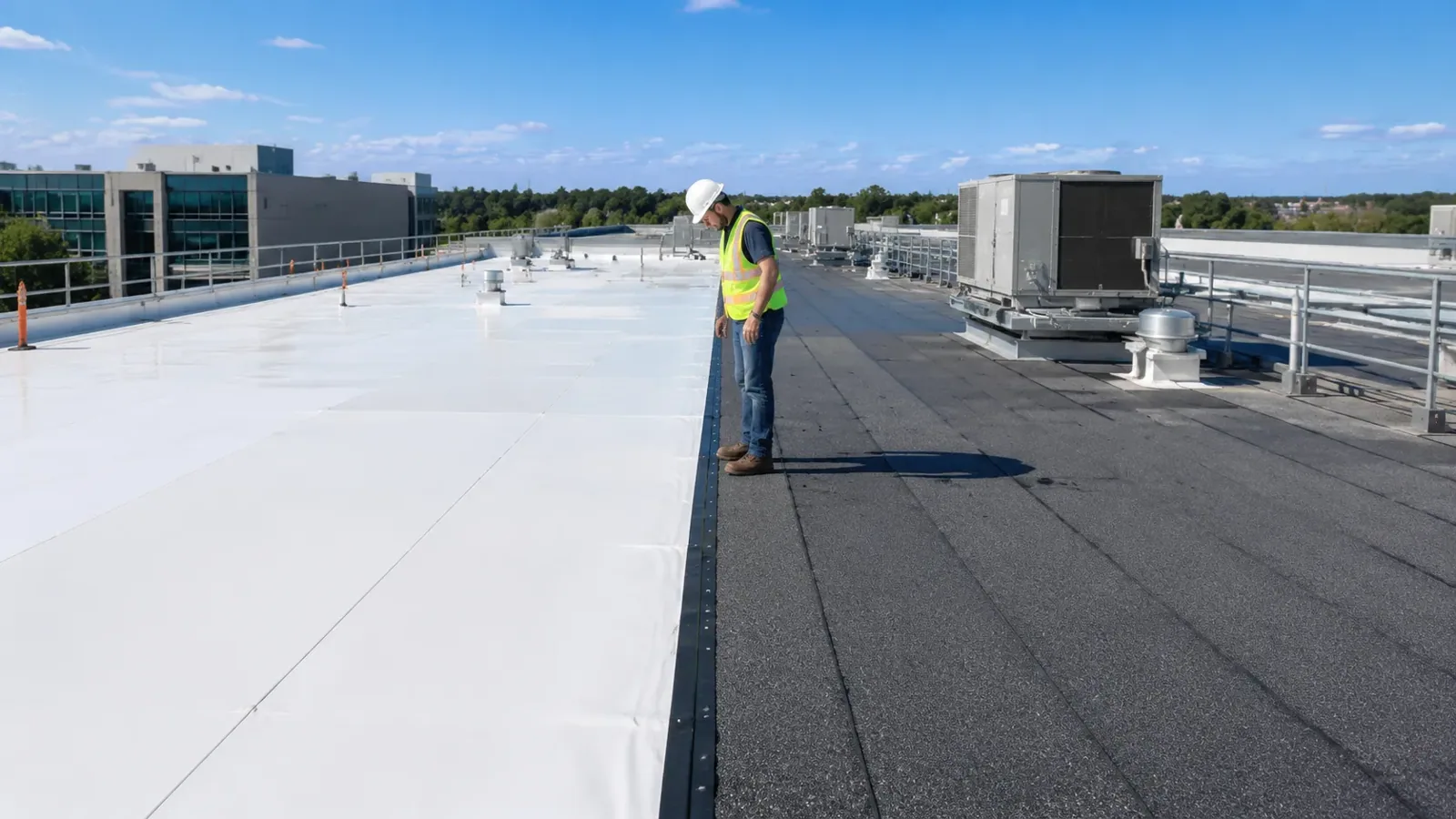
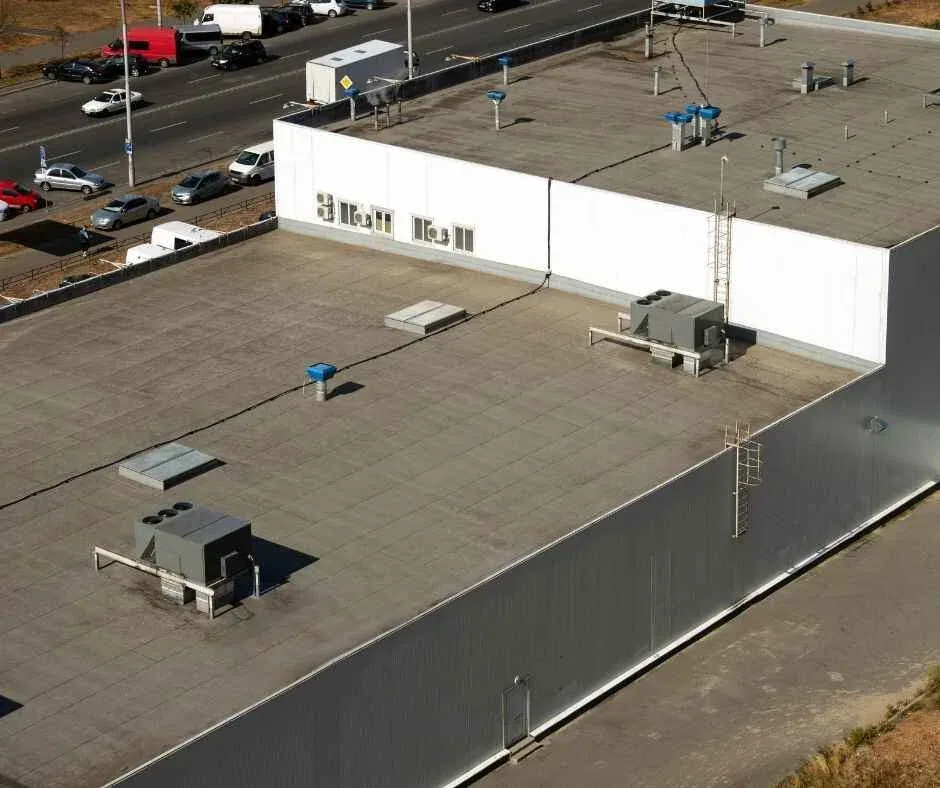
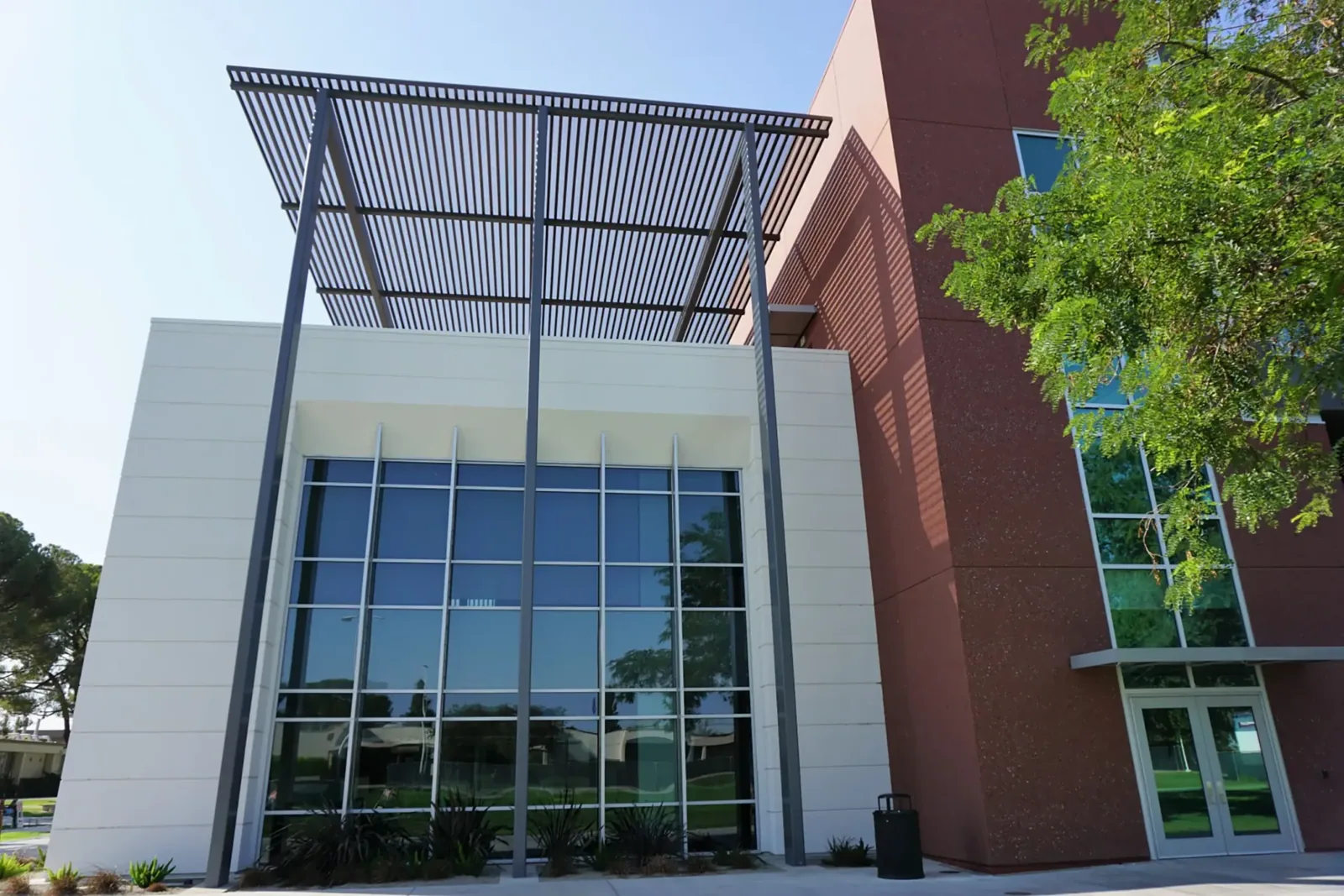
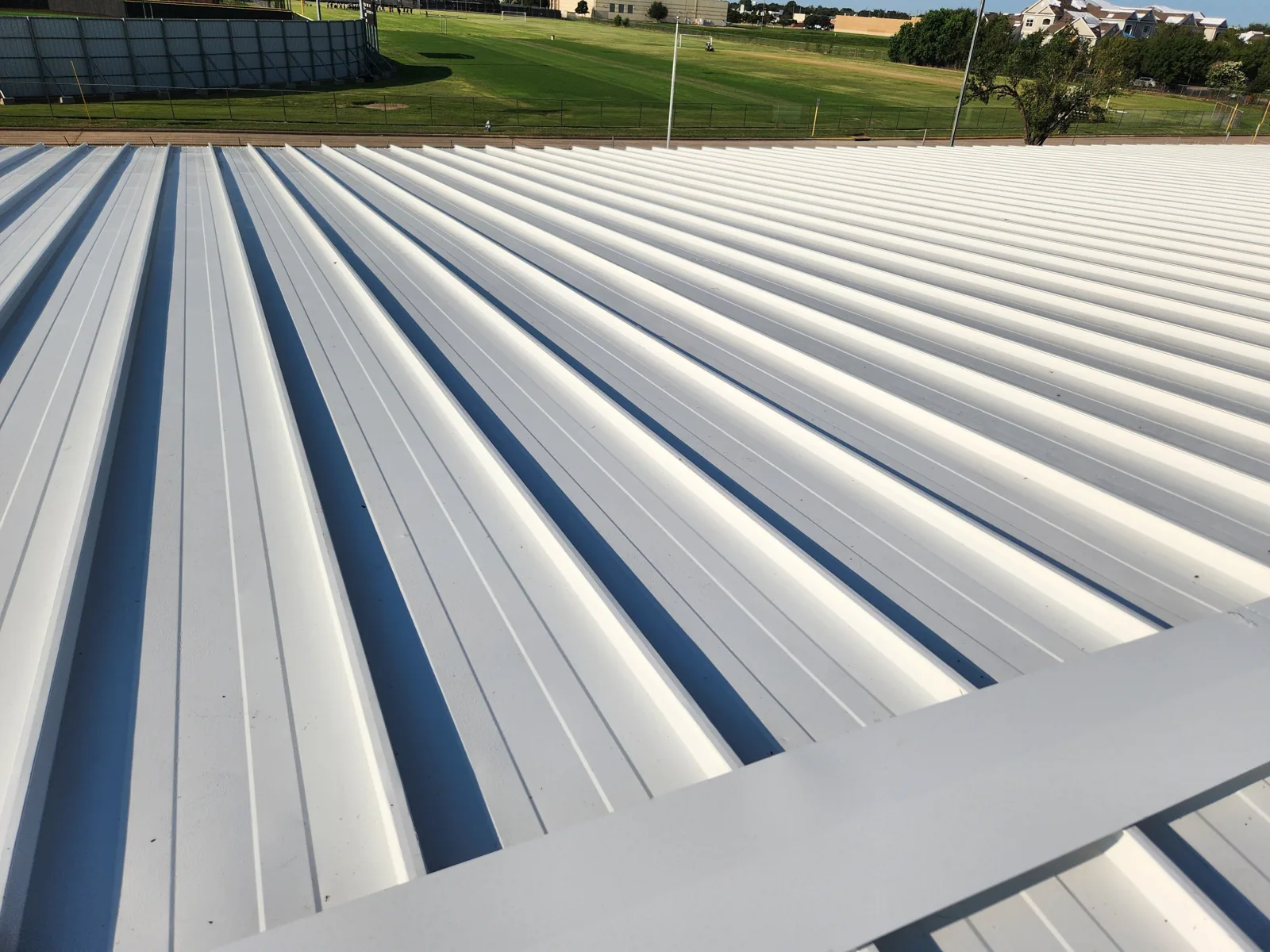
A school wing, a campus hall at Midwestern State University or a commercial building with a gently sloped roof may carry long metal panels with raised ribs. That is standing seam. The one thing an owner should understand is that its fasteners are hidden under the panels, so a leak is rarely at a screw, and almost always at a seam, a clip, a flashing or a penetration.
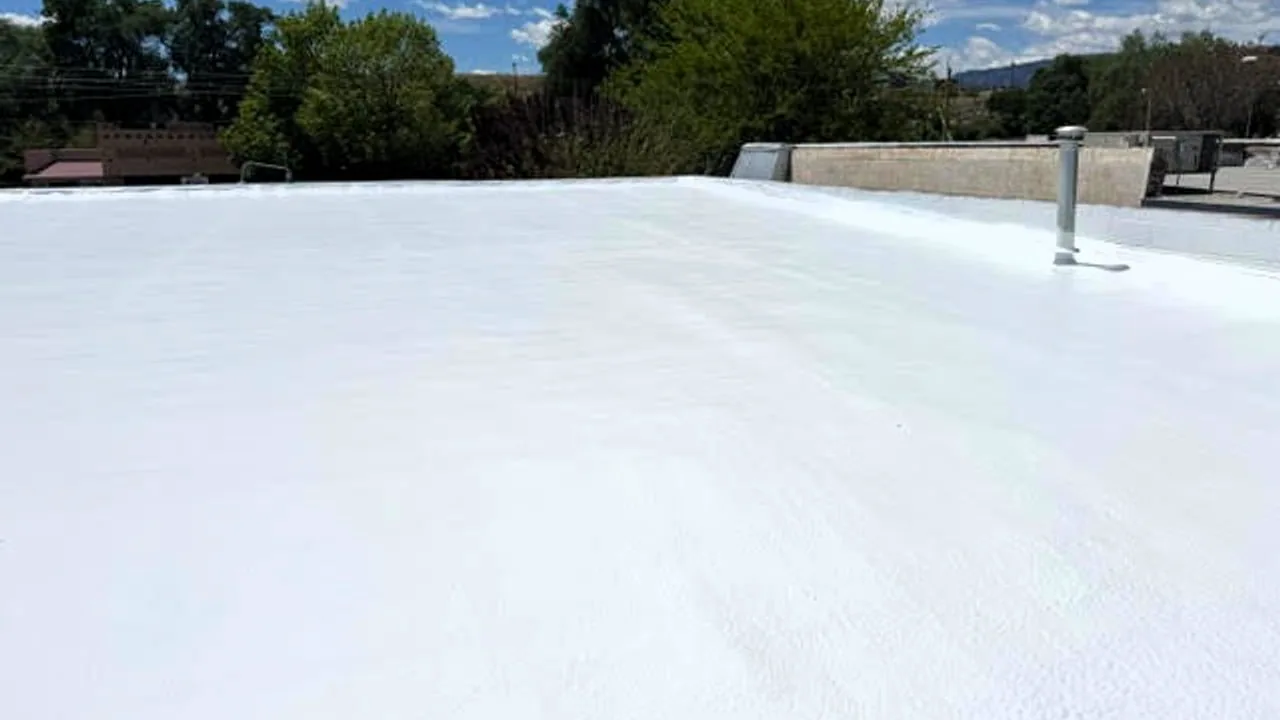
Standing seam is a metal roof system with vertical ribs where adjoining panels interlock. The panels are held by clips that let them slide as the metal heats and cools. The clips, the seams and the trims decide how it ages.
Know How It Goes Together
A standing seam roof has a structural deck or purlins, an underlayment or insulation layer and the metal panels. Clips are fastened to the structure at set spacing. Each panel snaps or is mechanically seamed onto the next one, and the clips ride in the seam.
The clip is the clever part. It holds the panel against wind but allows movement along the length. Without it, a long panel would buckle or tear itself loose on a hot day.
Panels come in many profiles and gauges, with factory-applied finishes. The seams can be snap-lock or mechanically folded. Folded seams are tighter and suit low slopes. Slope matters, because a metal roof sheds water best on a pitch and can leak at the seams if the slope is too flat. Where the existing roof is a flat membrane, a metal retrofit with a framed slope is possible, and it is compared with a modified bitumen or single-ply replacement on cost and service life.
Check Seams, Clips and End Laps
On a walk we look at the seams for gaps and for places where a panel has walked out of its clip. We check the end laps, where one panel overlaps the next up the slope, for sealant that has dried or cracked. We look at the ridge and at the eave, where panels end.
Fastener back-out is an exposed-fastener problem, but standing seam has its own version. A clip can loosen, or a screw at an end trim can work out. We press along the ribs and listen for clicks or rattles that say a clip has let go.
A simple test: run a hand along a seam. It should be straight and tight. A wavy or open seam has been under stress. Fix it before the next storm. We also check the underside where we can reach it, looking for daylight at seams, stains on insulation and rust at fastener points.
Count the Heat
A standing seam panel here meets about 28 days a year at 100 degrees, with a record high of 117, and it expands and contracts along its length with every swing. A long panel moves a visible amount over a day, and the clips and trims must let it.
Clips are designed for that. Trims and flashings must allow it too. A flashing fastened tight across the path of a moving panel will tear or leak. We check that the slip details are free and sealed.
What it means for you: a standing seam roof needs room to move. A fix that locks it in place trades one leak for another.
Plan for Hail and Dents
Hail has a long record here, and the stones that matter most for metal are the ones logged at Sheppard Air Force Base in March 1993, larger than baseballs, alongside the 1991 storm over Iowa Park and Burkburnett. None of it proves anything about a given roof. It does tell us to look for dents after a storm.
Metal dents without puncturing. Many dents are cosmetic. Some are not. A dent that has creased a seam or cracked the finish can let water in. We separate the two by checking whether the dent sits on a rib, a seam or a flat. The ones on seams and ribs matter most.
We photograph dents with a scale and mark each as cosmetic or functional. That sorting is the heart of a hail damage repair scope, and it keeps the owner from paying for work the roof does not need.
Plan for Wind and Penetrations
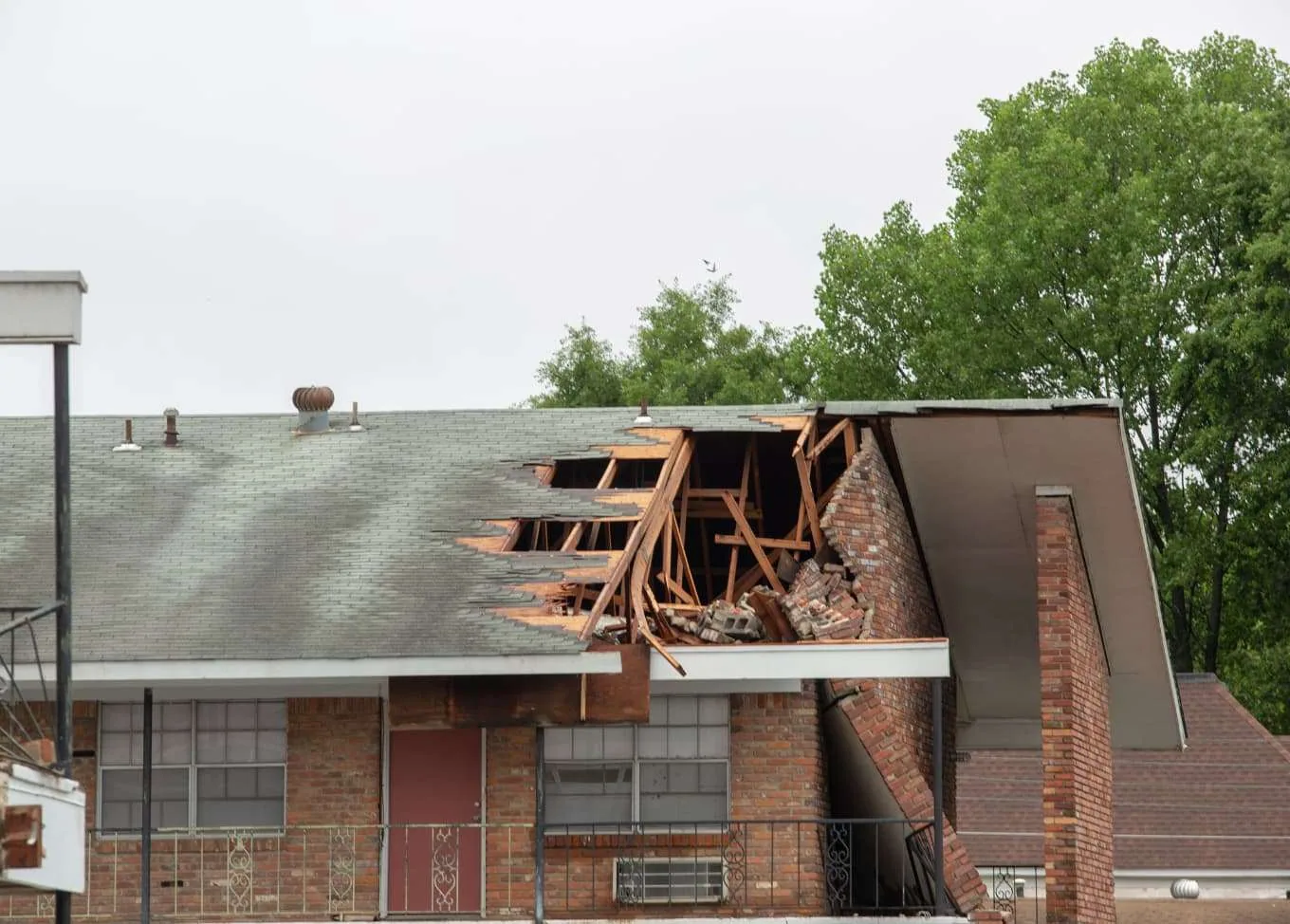
The F4 tornado of April 10, 1979 belongs to the city's wind record. It is history, not a forecast. Standing seam resists wind well when the clips are sound and the edges are secure, because the panels lock together. The edge trim and the first panels at corners take the strongest uplift.
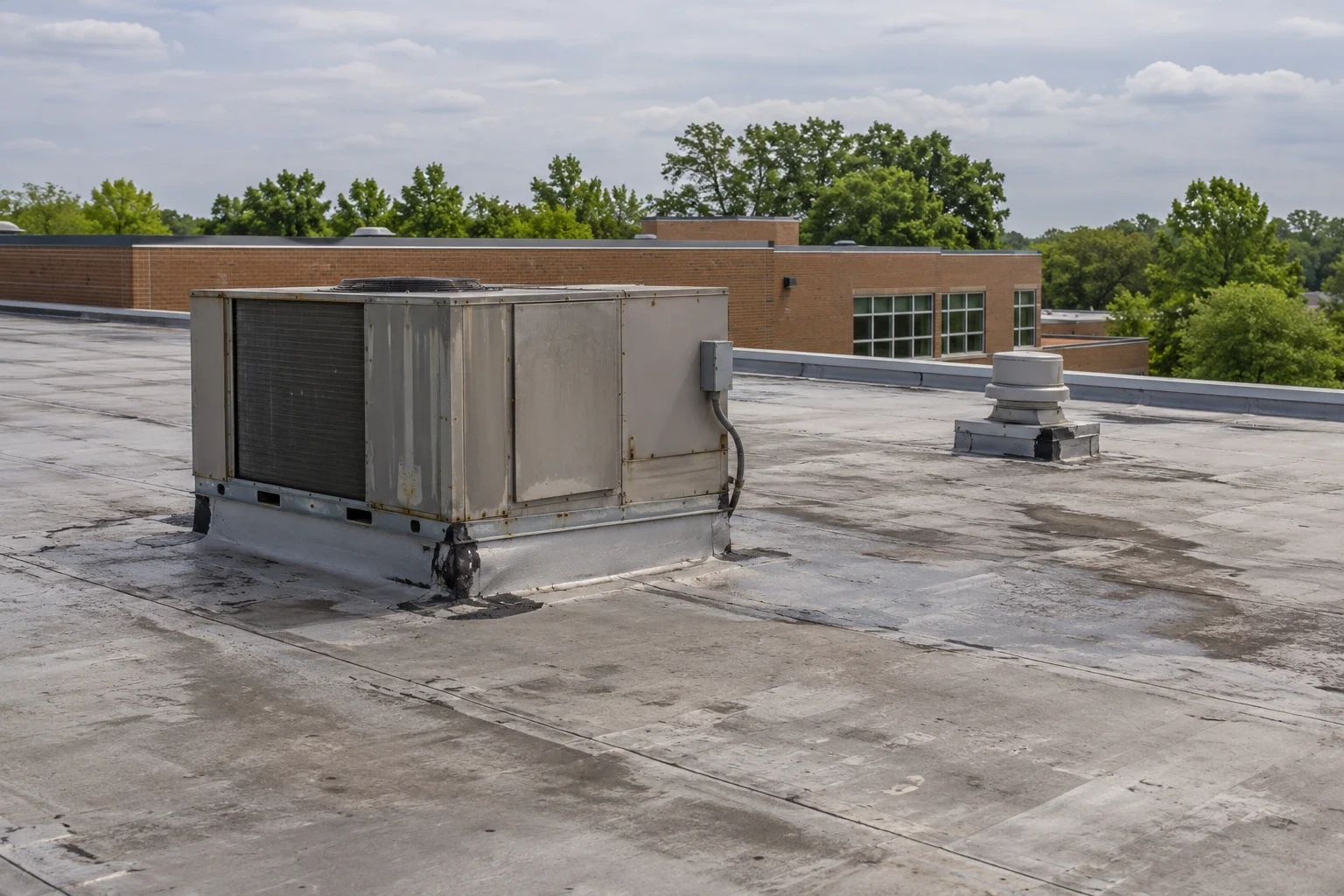
Penetrations are the other weak point. A pipe through a metal panel needs a boot or a curb flashed to the ribs. A rooftop unit needs a curb that fits the panel profile. These details are cut and sealed by hand, and they fail before the panels do. We probe every one, because a sealant joint on a metal rib is hand work that ages in the sun and cracks long before the panel does.
After a storm we walk the perimeter, check the trim and look for any panel lifted from its clips. A wind damage repair starts there.
Match Standing Seam to the Building
Standing seam suits buildings that want long life and low maintenance: schools, campus halls, offices and some industrial buildings. It suits roofs with enough slope to shed water well. It can be installed over an existing roof in some cases, which saves tear-off.
It costs more than many membranes up front. The trade is service life and fewer details to maintain. A school roof or a college roof with many years of expected service may justify it.
For an older exposed-fastener metal roof, a metal roof retrofit may be the better path than a full replacement. We test the structure, the insulation and the existing panels before we recommend either.
Repair, Replace and Take the Next Step
Standing seam repairs well. Seams are re-sealed, clips are replaced, trims are refastened, and damaged panels are swapped. A full replacement follows the commercial roof replacement sequence, with the clip pattern and the closeout record added. Because the fasteners are hidden, we photograph the clip pattern before the panels go on, so the next owner can see what is underneath.
Tell us how old the panels are and where the trims meet the walls, and the first walk starts at those joints. Buildings in the Taft Boulevard area, near the 255-acre Midwestern State campus, and in the Wichita Falls Business Park are walked from the trims inward.
Commercial Roofing Questions
Do standing seam roofs leak?
Rarely at the panel. They leak at seams, trims and penetrations. Those are the places we check, with a hose test at each suspect before any repair is priced.
Are hail dents a problem?
Many are cosmetic. Dents on seams and ribs, or with cracked finish, can leak. We sort them with photos and a scale, so an insurer or lender can read the same facts.
Can standing seam go over an old roof?
Sometimes. The structure and the existing roof must allow it. We test first.
Why do the panels need clips?
Clips let panels slide as they heat and cool, so they do not buckle or tear.
Can a standing seam roof be walked on?
Carefully. Step on the flat of the panel near a rib, never on the seam itself, and keep service traffic to marked paths. Scuffs and dents from boots are the quiet damage that adds up around rooftop units.