An apartment community is rarely one roof. It is a set of buildings, each with its own age, slope and leak history, and the roof plan has to treat them that way. A resident reports a stain; a property manager sees a work order; the roof sees months of small water movement. In Wichita Falls, TX, those roofs sit in a climate with hot summers and a record of damaging hail and tornadoes. Start by listing the buildings. Then read each roof on its own terms, in the order the leaks came in.
List Every Building First
Step one is a building-by-building inventory. Note each building's age if known, its roof shape, the number of units under it, any breezeways and the type of surface. A garden-style community may have a dozen buildings that look alike from the street and have roofs of very different ages, because replacement was done in phases or after storms. Mixed ages mean mixed futures, and a single average hides the worst building.
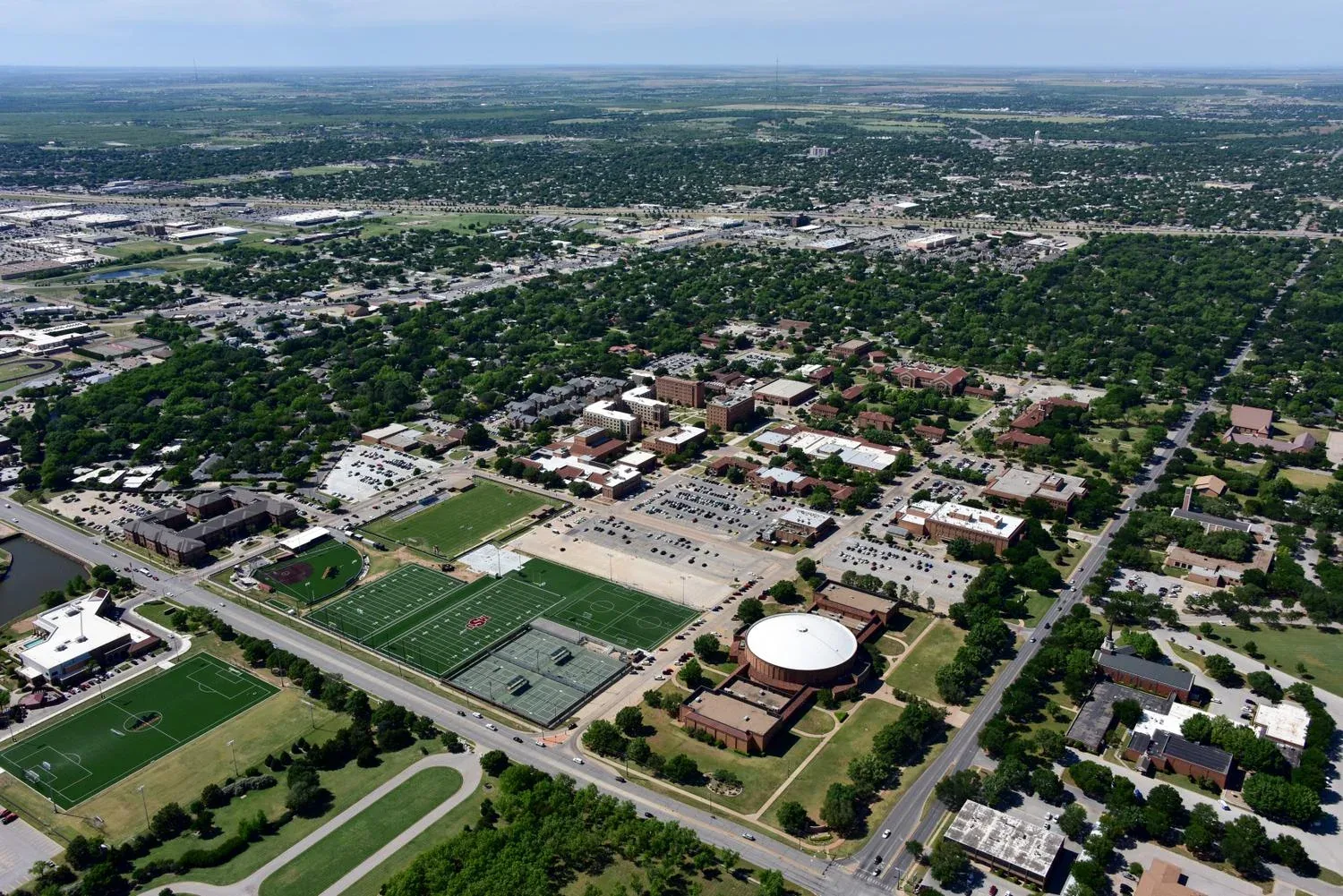
Apartments exist on the Midwestern State University campus too: the 255-acre campus off Taft Boulevard has 50 or more buildings, including residence halls and apartments, in the Taft Boulevard area. A site with many buildings is best managed as a program, with a ranked list of roofs and a plan that spreads cost over several budget years.
Pitched, Flat and the Spaces Between
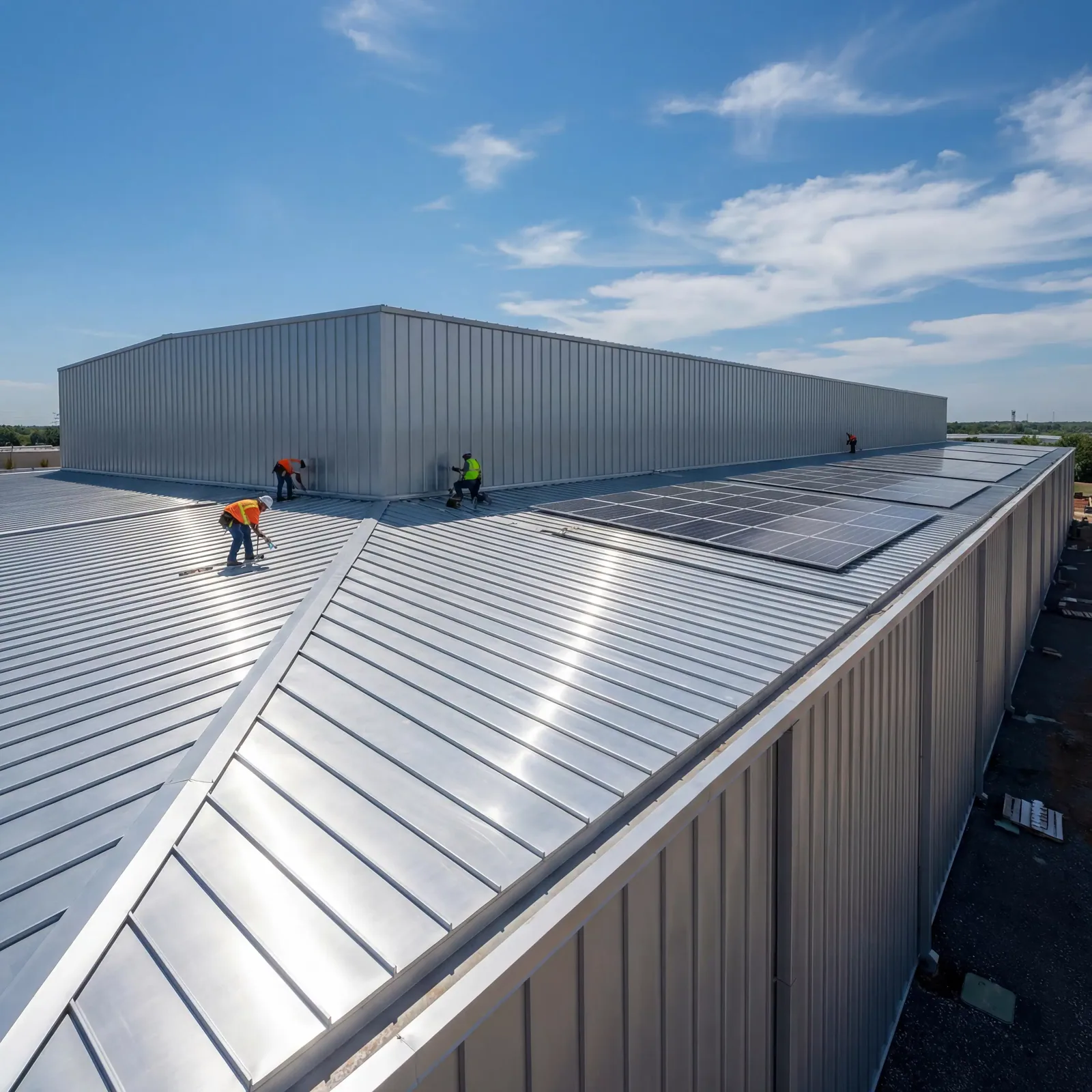
Multifamily buildings mix roof forms. A pitched roof with shingles or standing seam metal covers most of the unit area. Flat sections cover stairwells, breezeways, trash enclosures or entrance canopies, and those low-slope areas use a membrane such as TPO or modified bitumen. Mansard and parapet details add flashing where the pitched roof meets the flat one.
The places between the forms take the beating. A flat breezeway roof receives water from two pitched roofs and holds it in a valley. A wall that rises through a roof carries a counterflashing that can crack. The layer underneath matters as much as the surface, because water that gets under the shingles or the membrane travels along the deck and shows up in a unit that does not share a wall with the opening. We trace leaks down from the highest point.
Where Apartment Roofs Fail First
On pitched roofs, the first failures are ridges, valleys and the edges where wind lifts the covering. Hail bruises the surface and loosens granules, and heat dries out the material until it curls. On flat sections, seams and drains fail first, and a small pond is often the cause of a persistent ceiling stain.
Hail is the sharper risk across the wider area. Golf-ball-size hail fell in Electra for 15 minutes in March 1982, and baseball-size stones did extensive damage in Burkburnett and Iowa Park nine years later. A community in Burkburnett or any of the surrounding towns works under the same spring pattern. Shingle granules and soft metal show hail first, so a check after each spring storm is worth putting on the calendar before the storm arrives.
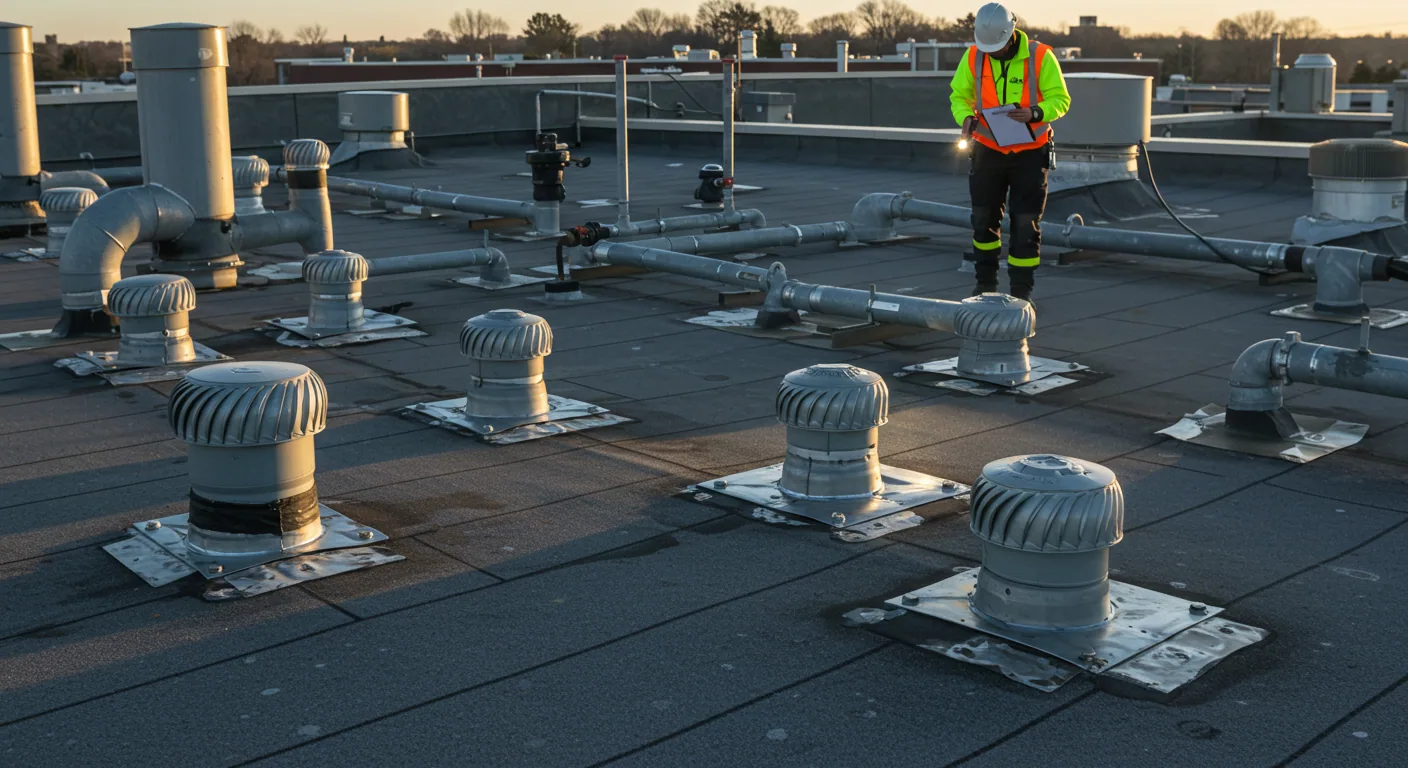
Penetrations add steady wear. Bathroom exhaust fans, plumbing vents, dryer vents and furnace flues all poke through the roof of an apartment building, and the number of them multiplies with the number of units. A failed penetration flashing is one of the cheapest leaks to fix and one of the most common to miss. Each boot is a small rubber or metal seal that ages in the sun. We check the full set on each building, and we count them, because a pattern in the failures suggests a batch of old boots on one roof.
What the Storm Record Means for a Site
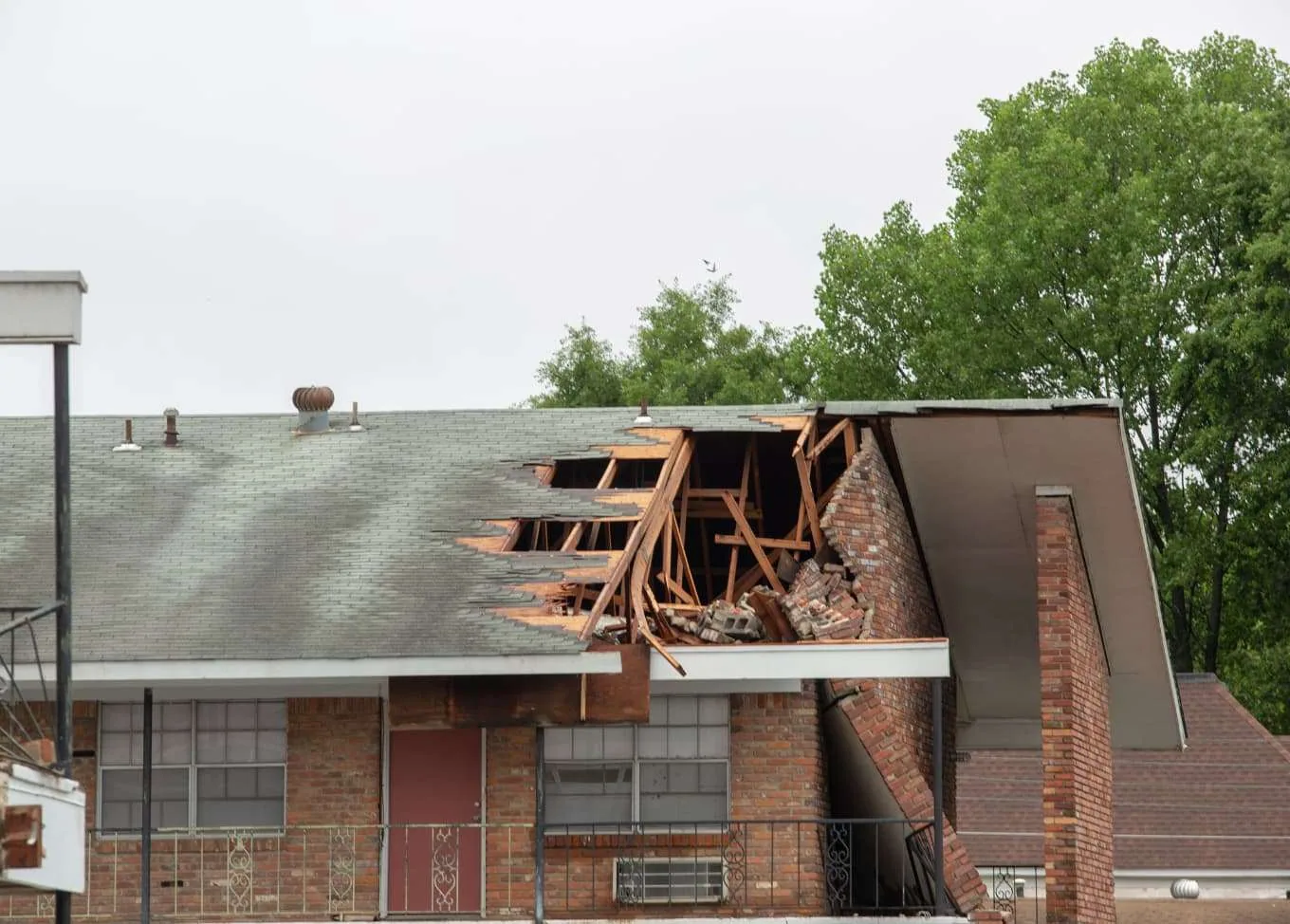
The April 1979 tornado destroyed over 3,000 homes and passed through Western Hills, Faith Village, Colonial Park, Southmoor and Sun Valley on the south and east sides of the city. In 1964 an F5 tornado struck downtown. An apartment community should have a plan for the next storm season. That means photographs of every roof now, and a list of what a post-storm walk will check.
History does not prove damage on any building today. What it supports is a routine: after hail or high wind, walk each roof, document the findings and file them together. A hail damage report with dated photos lets a property manager make an insurance claim on solid ground, and the paperwork stays in order across many buildings.
Repair, Recover or Replace
The rule for flat sections holds: repair a dry roof with failed details, recover a sound one, replace one that is wet beneath. For pitched roofs, a repair patches missing or lifted pieces, and a replacement strips the covering back to the deck. Which route is cheaper depends on the age, the number of repairs already made and the condition of the underlayment.
Property managers care about the budget cycle, so we price each building separately and rank them. A roof condition report sets each building in a ranked list with photos, which becomes the capital plan. Cost drivers are roof area, pitch, number of penetrations, tear-off layers, access around parked cars and landscaping, and the number of units a crew can work over at the same time.
Working Over Occupied Homes
Residents live under the work, so the plan starts with them. Notices go out ahead of time with dates, hours and the nature of the noise. Parking is cordoned near the staging area. Pets, children and open windows get attention. Crews start after most residents have left in the morning and stop early enough to close each building before dark. Balcony and walkway access is planned ahead, so residents know which days their door route changes, and the leasing office gets a daily note on what was finished and what comes next.
The same attention to people applies to a hotel or a senior living community, though the schedules differ. In an apartment community the work usually moves building by building, and each building is closed in before the crew moves on. A property management company can reuse the notice and the schedule for each building, which keeps the program consistent.
Commercial Roofing Questions
How do I know which building to reroof first?
Rank them by leak count, age and the condition of the layer under the surface. A walk and a few core cuts give the facts. The building with the most wet material goes first, because it damages the units below.
Can residents stay home during a reroof?
Usually, yes. Noise is the main burden, and a notice with dates helps. We protect walkways and parking, and we close each building before dark so the units stay dry overnight.
Why does a leak appear in a unit that is not under the opening?
Water runs along the deck, the framing and the insulation before it finds a place to drip. The stain shows where it came out, not where it went in. We trace upslope and confirm with a hose test.
Does hail always mean a new roof?
No. It depends on bruising, granule loss and the age of the covering. A grid inspection shows whether the damage is spread out or limited to a few slopes, and the report guides any claim.
What should a property manager send first?
A site plan with building numbers, the roof ages you know, a list of work orders by building and any storm dates. That makes the first visit answer a specific question.