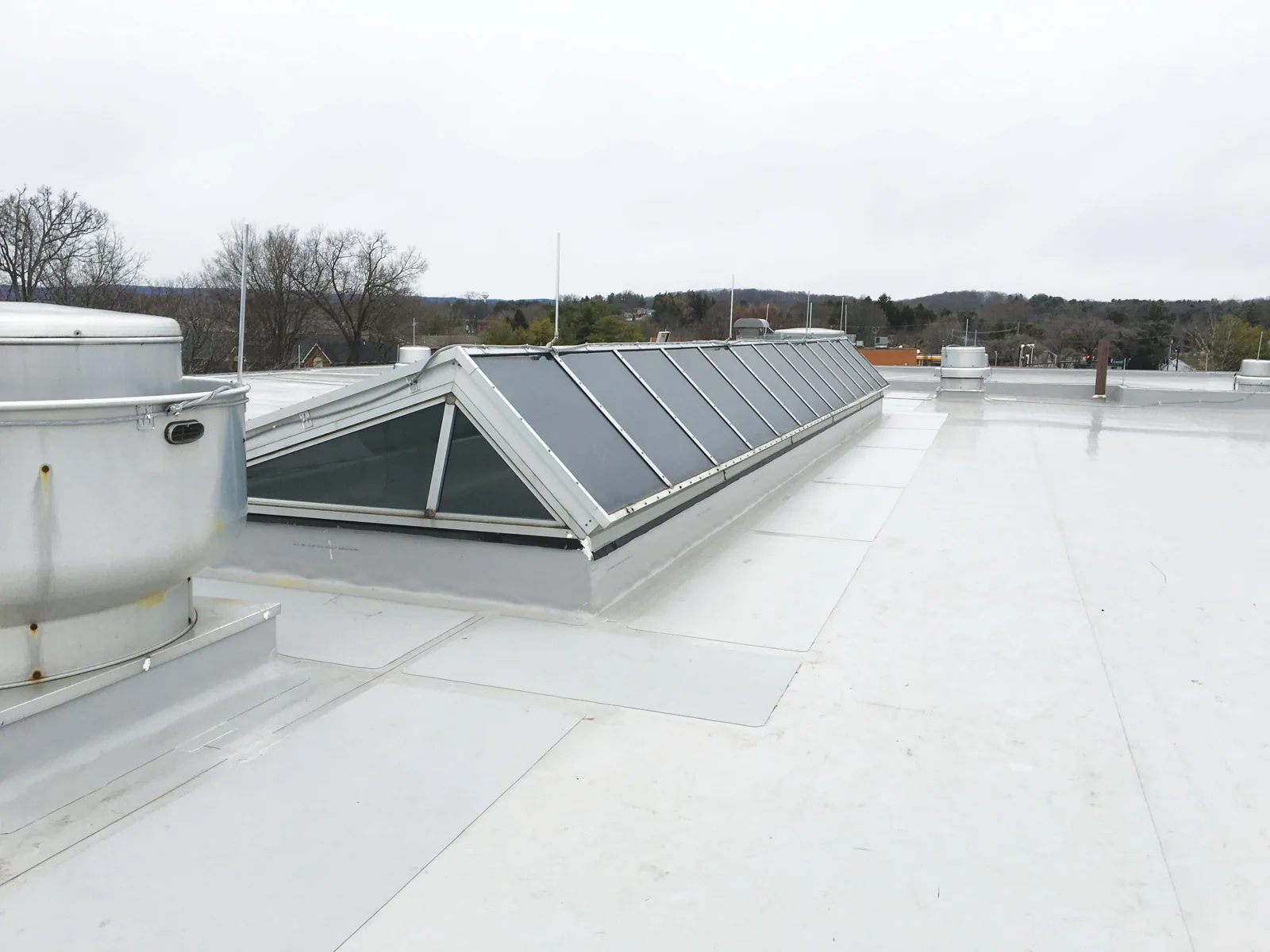
A report that says the roof is in fair condition has told the reader nothing. Fair compared with what, in which section, and doing what next? A useful roof condition report answers those three questions on every page, so an owner, a lender or a facility manager can make a decision without calling the person who wrote it.

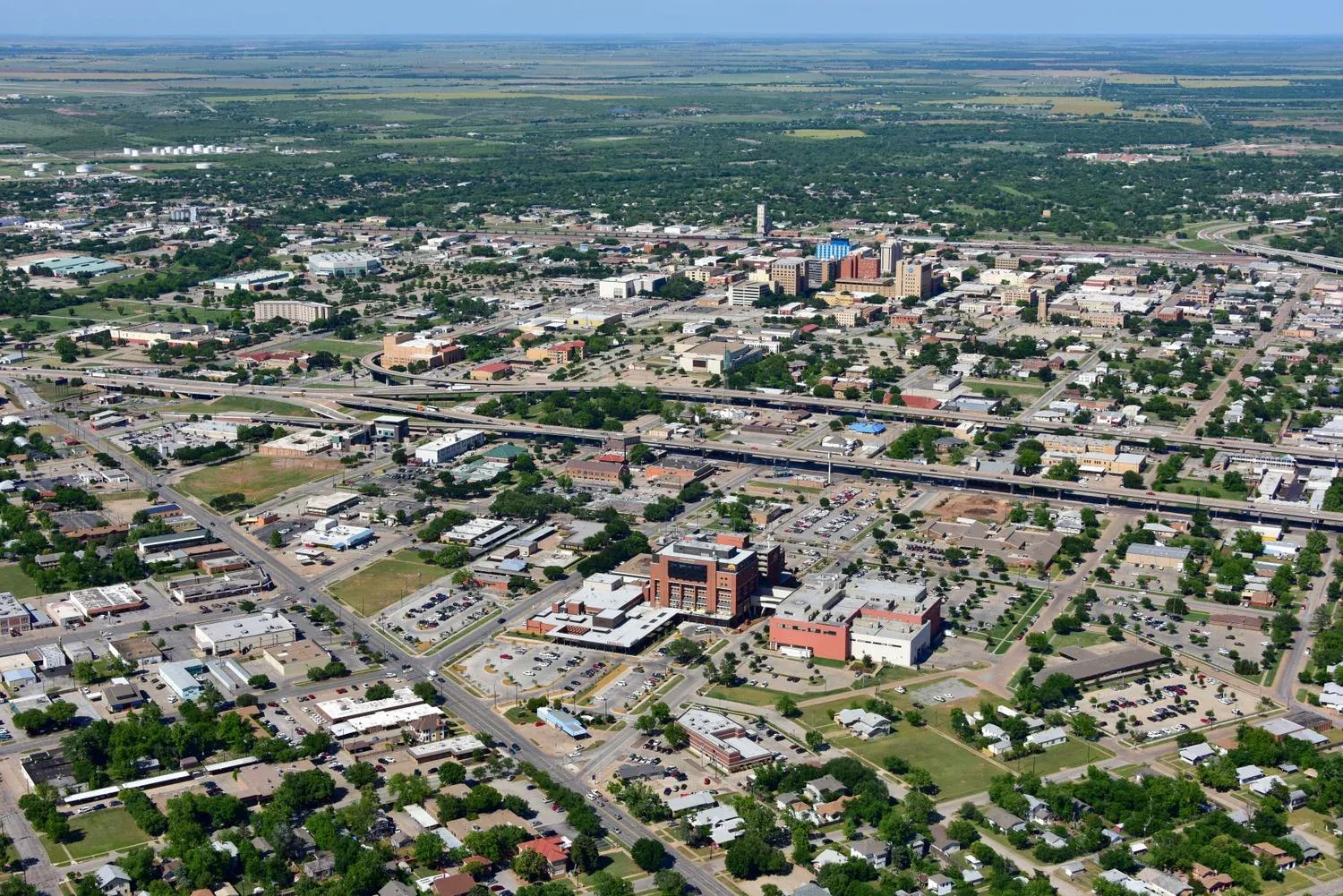
We write these reports for commercial buildings in Wichita Falls, TX. Each one starts with the building and ends with a ranked list of what to do, in what order and why.
What the report has to answer
Think of the report as an answer to four plain questions. What is on the roof? What shape is each part in? Where is water getting in or likely to? What should be done first? Everything else in the document supports one of those four.
The test is easy to apply. Hand the report to someone who has never seen the building. If they can find the oldest section, the worst section and the first repair, the report works. If they cannot, it needs another draft.
The same four questions work for every building type. A distribution warehouse in the Wichita Falls Business Park and a strip center on Kell Boulevard have different roofs, but the report asks the same things of both and gives each a ranked answer.
Step one: walk every section
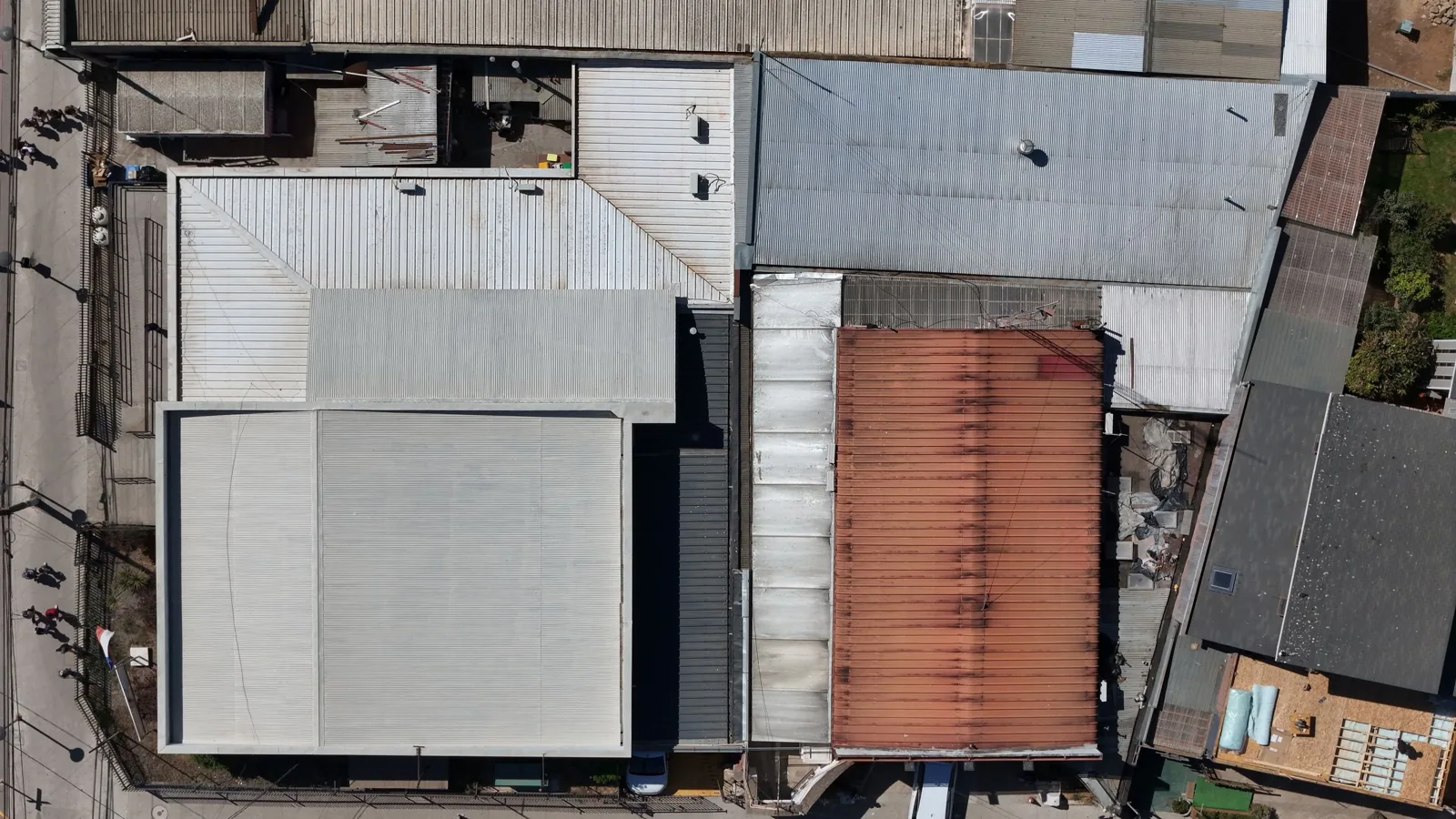
The walk is the foundation. We cover the field of the roof, the perimeter, every curb, every drain and every place where the roof meets a wall. We press along seams, probe soft spots, look for fasteners that have backed out and note the ponding line where water has stood after rain. A roof that is too tall or too fragile to walk is first reviewed with a drone roof inspection, and the close work follows once access is safe.
Walking is also where small clues turn up: a stained ceiling tile inside the closest bay, a sealant bead that has stretched, a patch from a previous repair that is already lifting. Each clue goes on the roof plan with a number.
Access is part of the walk. We note the roof hatch or ladder location, the safe path across the roof, the distance from the nearest drain to the lowest corner and any area where equipment blocks a clear view. Those notes save time on every later visit, because the next person walking the roof starts with the route already written down.
Step two: back up what the eye sees
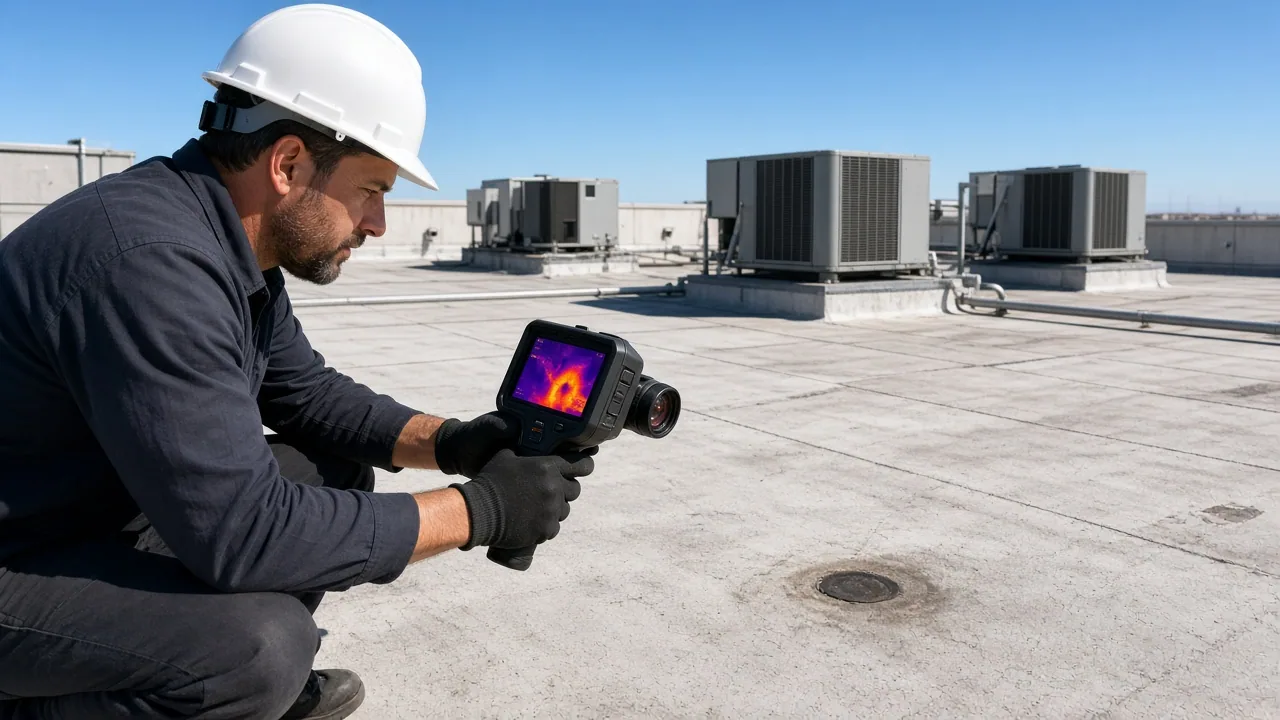
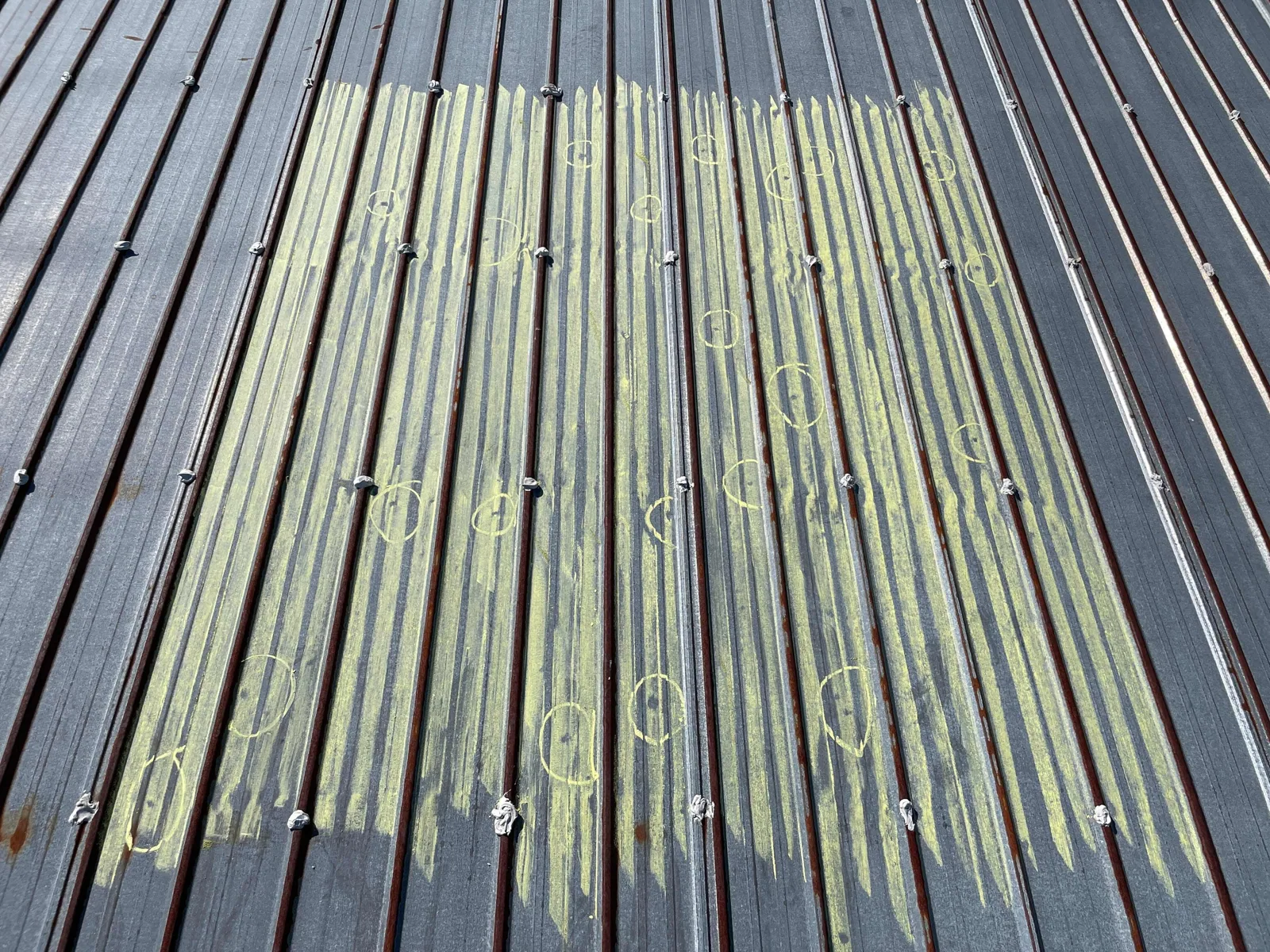
The eye is a start, not a conclusion. Moisture inside the roof does not show on the surface, so the report adds data. An infrared moisture survey maps wet insulation by its temperature, and test cuts confirm what the scan suggests. A core shows the layers, the thickness of the insulation and whether the deck is sound.
These tests carry weight in the report because they separate a local leak from a wet roof. A local leak is a repair. A wet roof is a larger decision about restoring or replacing a section. The report states which one applies and shows the evidence.
Drone images and infrared scans are filed beside the ground photographs, each labeled with the section number and the time of day it was taken, since a thermal scan only makes sense with the hour attached.
How to read the grades
Each section receives a grade in plain words, with a remaining-life range beside it. The range is not a promise. It is the best reading of the evidence, with its assumptions listed. Heat wears surfaces here, and a typical year puts about 28 days at 100 degrees on a roof, with 100 such days in 2011, so wear is part of every range, and the report says how much of it was seen.
Priority comes next. Items are ranked as urgent, planned or watch, and each carries a rough cost driver in words: access, area, details or materials. The report does not guess a number it cannot support. It names what the number will depend on.
Here is what it means for you. A grade of "watch" is not an alarm. It is a date on the calendar and a spot on the plan, with a reason. A grade of "urgent" is a section where water is likely to enter soon, and it comes with a temporary protection step if the permanent repair must wait.
What is in the document
A complete report usually contains these parts:
- A roof plan with numbered sections, drains, curbs and equipment.
- Dated photographs, each tied to a section and a location.
- Moisture readings and the locations of test cuts.
- A grade, a remaining-life range and a priority for each section.
- A short list of repairs to make now, with the reason for each.
- A line stating what the report could not see, such as a section blocked by equipment.
Some owners also ask for a one-page summary. We write one: the three biggest findings, the first repair and the date of the next recommended walk. The last line of the list matters. A report that names its limits is easier to trust than one that claims to have seen everything.
Using the report after a storm
A report taken before a storm is the best evidence that a storm changed something. Stones bigger than baseballs hit Sheppard AFB on March 29, 1993, and an F5 tornado did heavy damage downtown on April 3, 1964. Those events are history. They do not show damage on any roof today, but they explain why a dated before-and-after record carries weight with adjusters.
After a storm, we walk the same sections, compare them with the earlier photographs and mark what is new. That comparison supports roof insurance claim assistance and keeps a claim focused on what changed instead of on the whole roof.
Hail history in the region is long, and Iowa Park and Burkburnett took baseball-size stones in April 1991. A dated record taken before the next storm is the plainest way to show what the roof looked like first. The photographs are filed by section number, so an adjuster can open the file to the section in question without sorting through the rest of the roof.
Who uses the report
Owners use it to plan. A lender or buyer uses it to check a roof before a decision, and the same format supports due diligence roof surveys. A facility manager uses it to schedule repairs, and the roof asset management file keeps it current from one visit to the next. Buildings in downtown Wichita Falls and near the north Wichita Falls airport area use the same format, so reports from different parts of the city can be read side by side.
Commercial Roofing Questions
How long is a typical report?
Length follows the roof. A single-section building gets a short report. A multi-section campus gets a longer one, with a summary page up front.
Does the report include prices?
It includes cost drivers in words. A priced scope for the chosen repairs follows as a separate document.
Can I use it for insurance?
Yes. Dated photographs and section notes give an adjuster a clear record of what the roof looked like and what changed.
What if the roof cannot be walked?
A drone looks over the surface from a safe position, and the report notes the areas that still need a hands-on check.
How often should a new report be written?
Once a year is a common rhythm, plus one after any major storm. The record carries forward, so each report builds on the last.