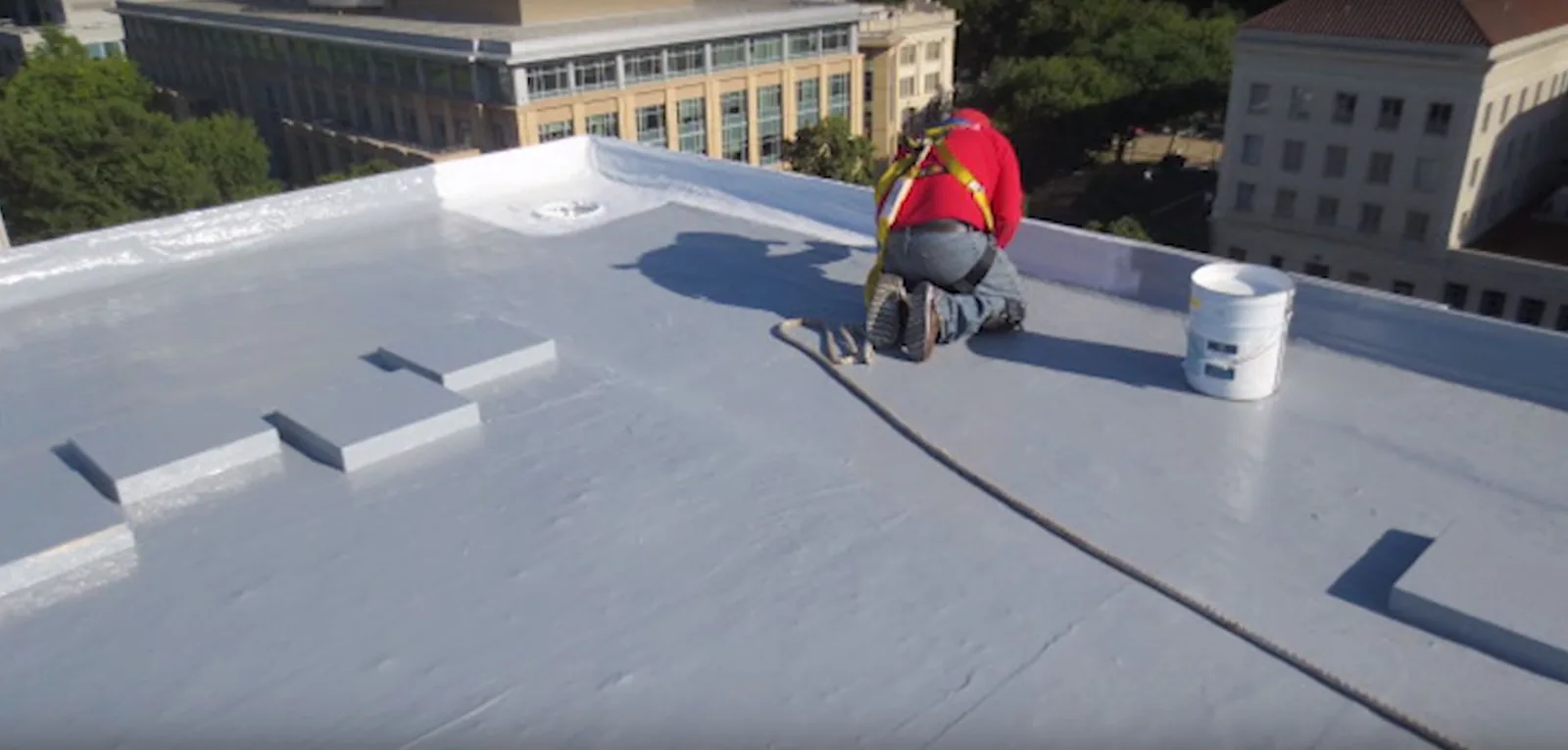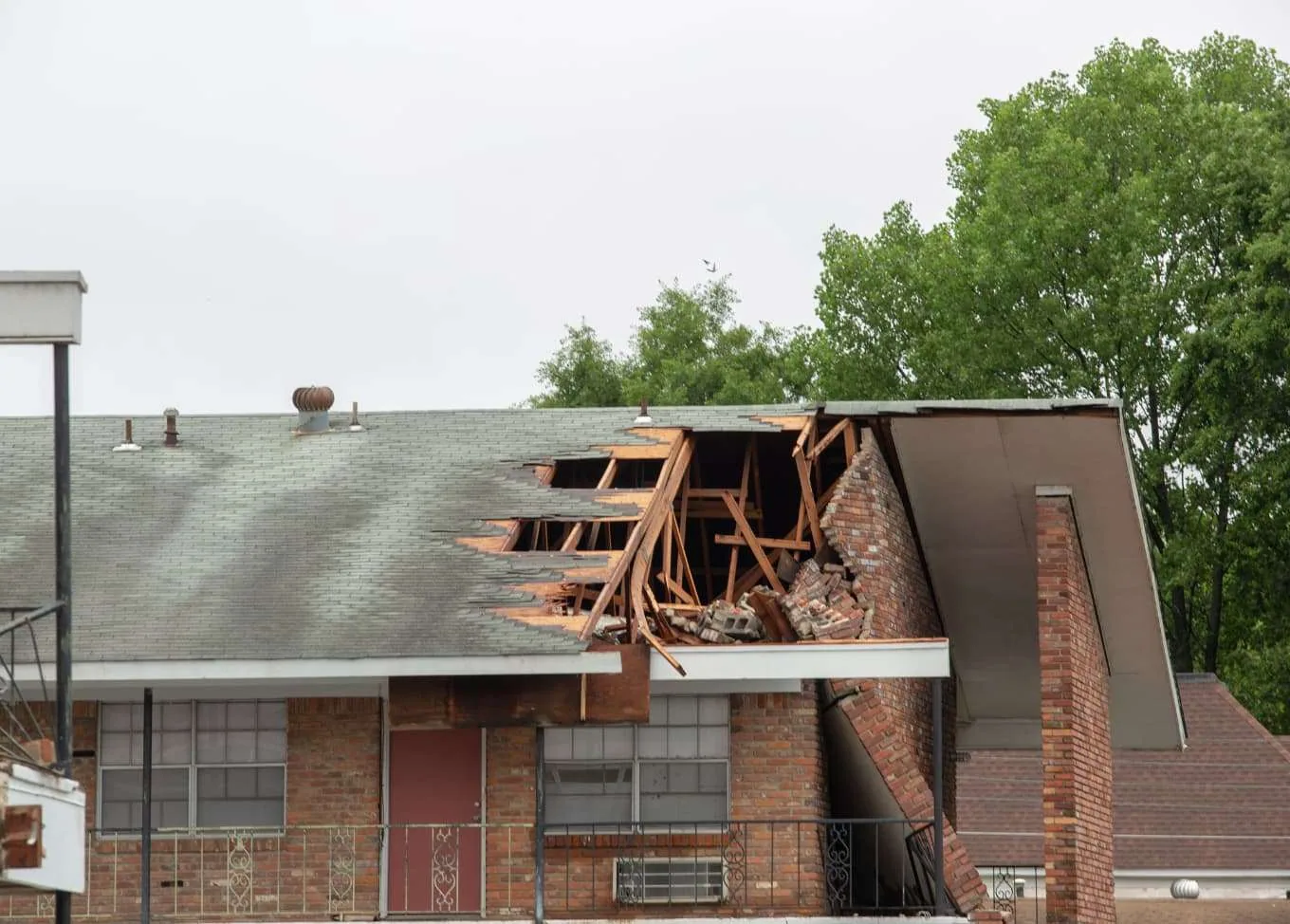
School roofs near Taft Boulevard need a work sequence that protects occupied rooms and service access. Versico manufactures commercial TPO, PVC and EPDM systems, each with its own seam and flashing methods. Commercial Roofing Wichita Falls serves commercial roofs in Wichita Falls, TX and starts with the building, identify the layers already there, and match the proposed work to the deck and operating schedule.
A membrane comparison is useful only after inspection. We check seams, drainage, curbs and moisture, then explain what can be repaired and what requires a new assembly. That gives a Versico roofing scope a boundary instead of a product label alone.
Know Which Sheet Is Installed
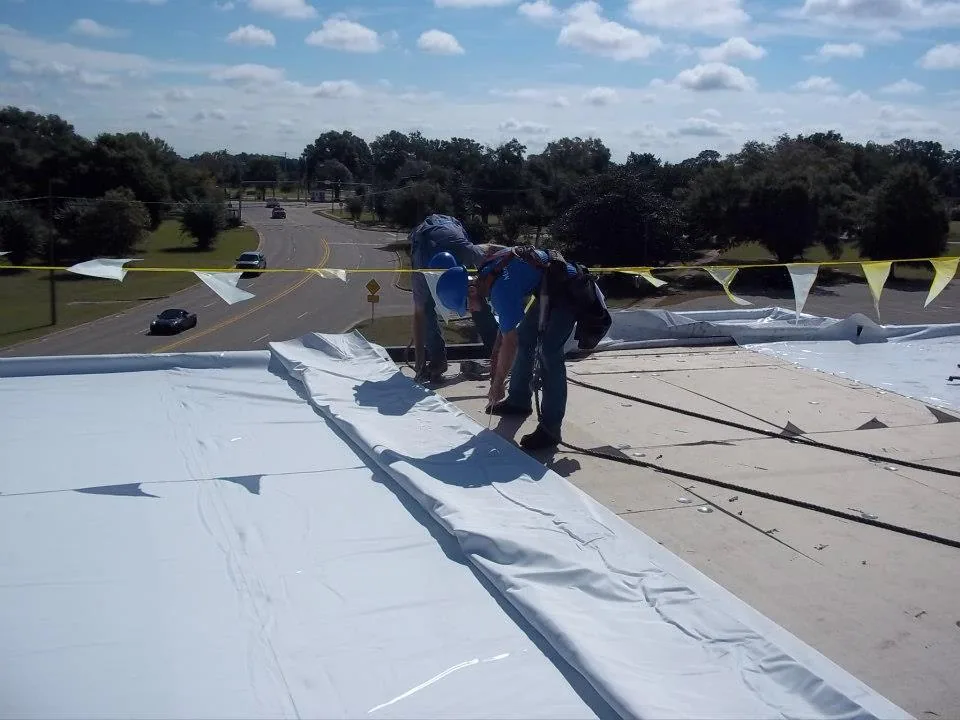
TPO and PVC are thermoplastic sheets whose seams are welded with heat. EPDM is a rubber membrane joined with compatible tape or adhesive. The repair method changes with the material. A patch that works on one membrane may not bond correctly to another, so we identify the existing system before ordering materials. Roof records help, but a roof walk and close look at a field sample settle the question.
Versico’s membrane options can be compared with a building’s use and roof geometry. Long field runs, many rooftop curbs, wall transitions and equipment paths each change layout. We review the Carlisle SynTec product family alongside the Duro-Last PVC system and consider how insulation and cover board will attach. The right assembly is the one that fits the deck, drainage and details already on the building.
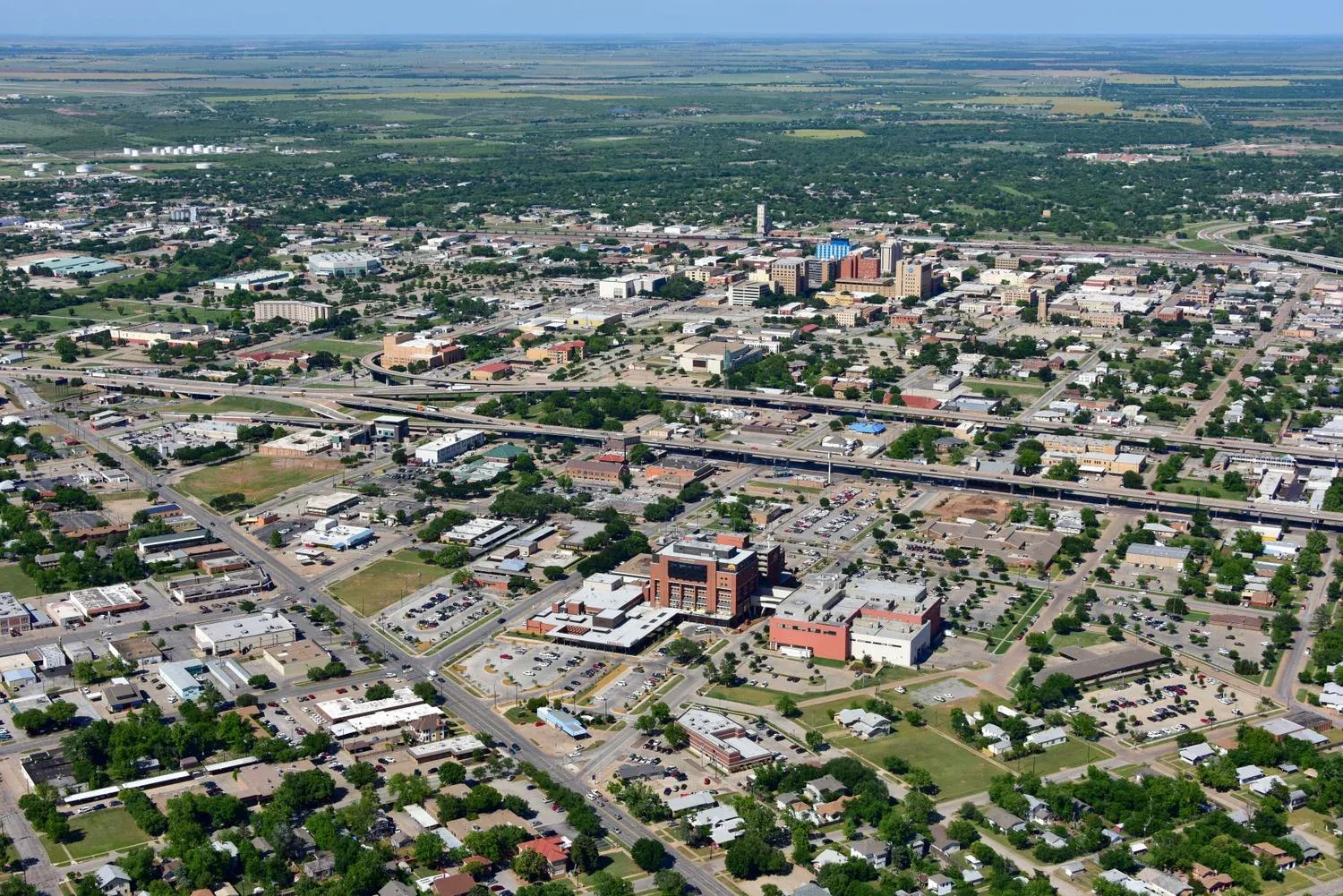
A roof at the Wichita Falls Business Park may serve distribution or manufacturing operations. Material staging and lift timing must leave loading areas usable. Along Taft Boulevard, Midwestern State University has a campus with residence halls, classrooms and athletic facilities, so roof work near those buildings may need a different access plan. The scope follows the property’s operation.
Treat Seams as Their Own Task
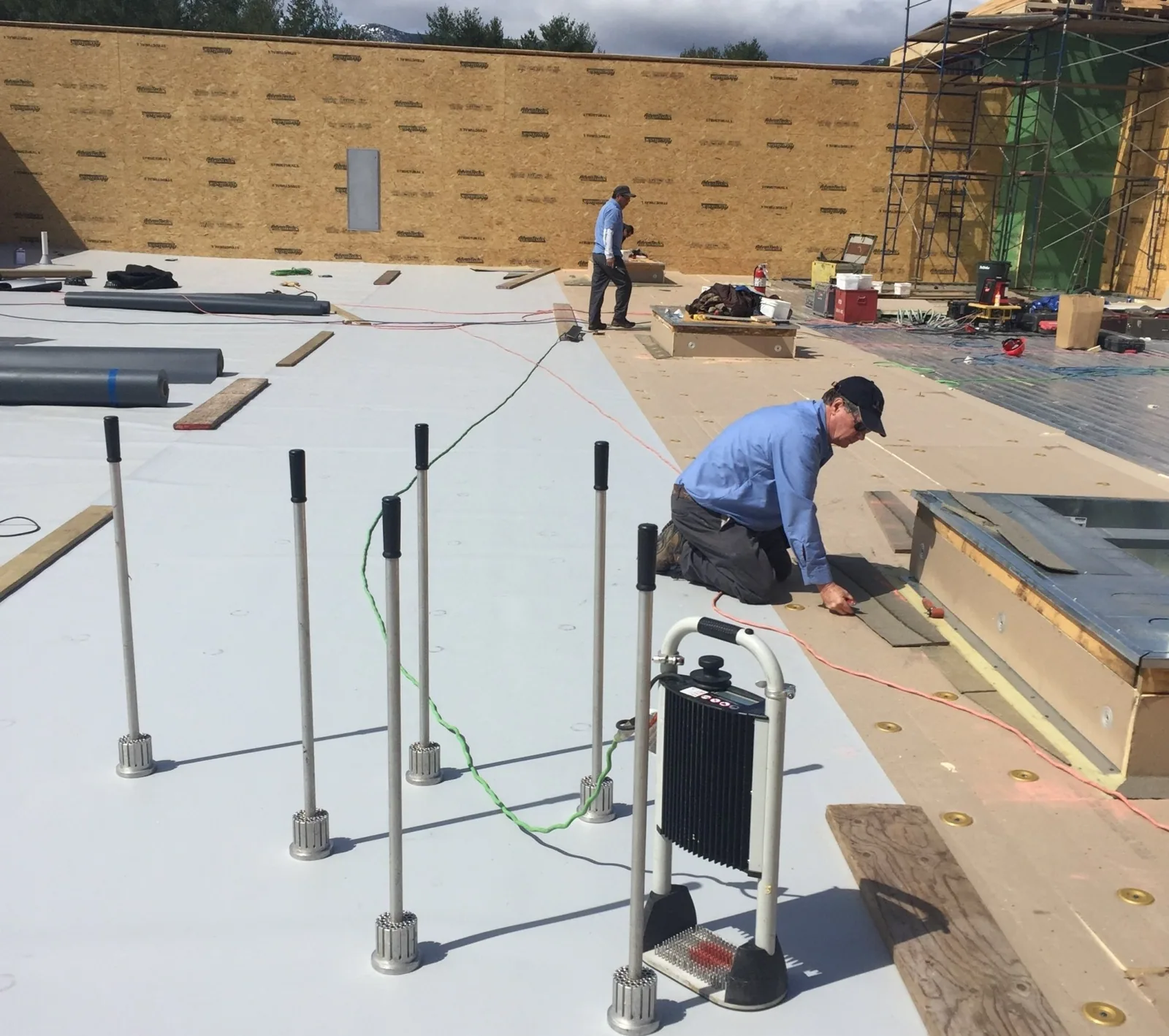
For TPO and PVC, a seam needs clean overlap, correct welder settings and steady pressure. We test the temperature and speed on sample material before the production weld, then probe the cooled seam along its length. A small opening at a lap end can let water travel under a sheet, so corners, patches and transitions receive a separate check.
EPDM work starts with surface preparation. Dust and moisture must be removed before primer, adhesive or seam tape is placed. The installer aligns the sheet before pressing the joint; a fold or trapped grit can leave a path beneath the patch. We use materials intended for that membrane and verify the patch edge after it is rolled. When a roof has multiple generations of repairs, we map each layer before adding another.
Local heat makes timing practical. A typical year here has about 28 days at 100 degrees, and 2011 recorded 100 of them. Those facts do not tell us whether a specific roof is sound. They do guide handling, seam work and the time a sheet can remain exposed while a crew moves across the field.
Find Water Before Closing the Roof
Water can enter at one detail and appear far away inside. We compare leak dates with rain and wind direction, mark ceiling stains, and trace a likely path to a drain, curb, wall or open lap. If the source remains uncertain, we probe the membrane and use moisture readings or core samples to see whether the insulation is wet. Test results set the repair limit.
A dry surface above wet board is not a complete repair. Saturated insulation can lose its shape and hold water against the deck. We remove only the area supported by inspection findings, check the substrate, and rebuild the layers before installing the new membrane. A hands-on roof inspection gives the owner photographs and a marked plan of the findings.
Local weather history keeps the walk focused. Hail larger than baseballs was recorded at Sheppard Air Force Base on March 29, 1993, while baseball-size hail also fell on Iowa Park and Burkburnett in 1991. History is not proof of damage at a property. After a current hail event, we check for cuts, bruises, dents and wet insulation, then document the result for a hail damage repair scope.
Resolve the Edge Details
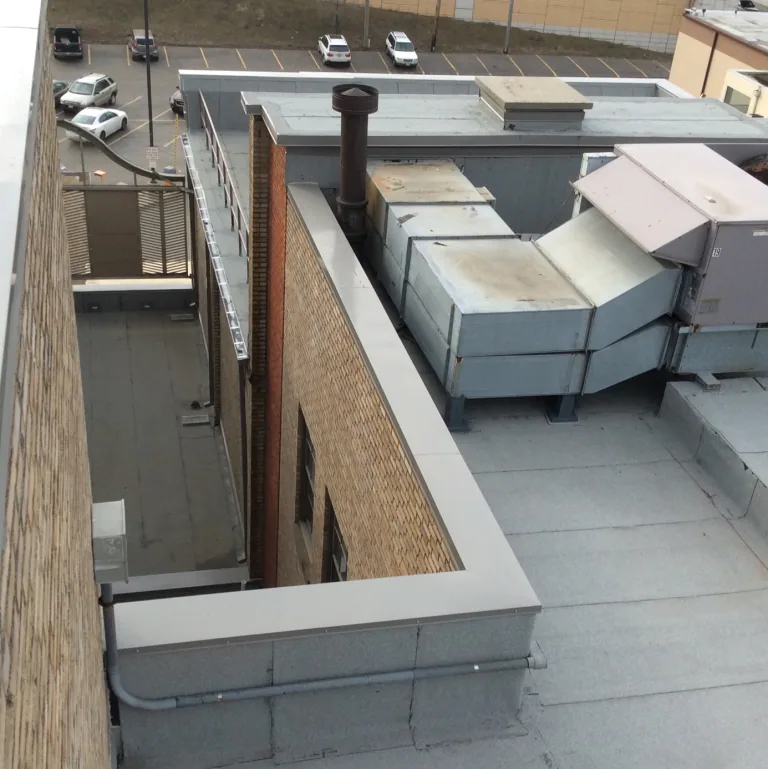
Field seams are only part of the assembly. At parapets, we check termination height and counterflashing. Around pipes and equipment, we inspect boots, curb corners, supports and the membrane’s bond. At the perimeter, we look at metal joints and fasteners where wind pressure can stress the roof. A loose edge can allow water under a membrane and can pull at adjacent seams.
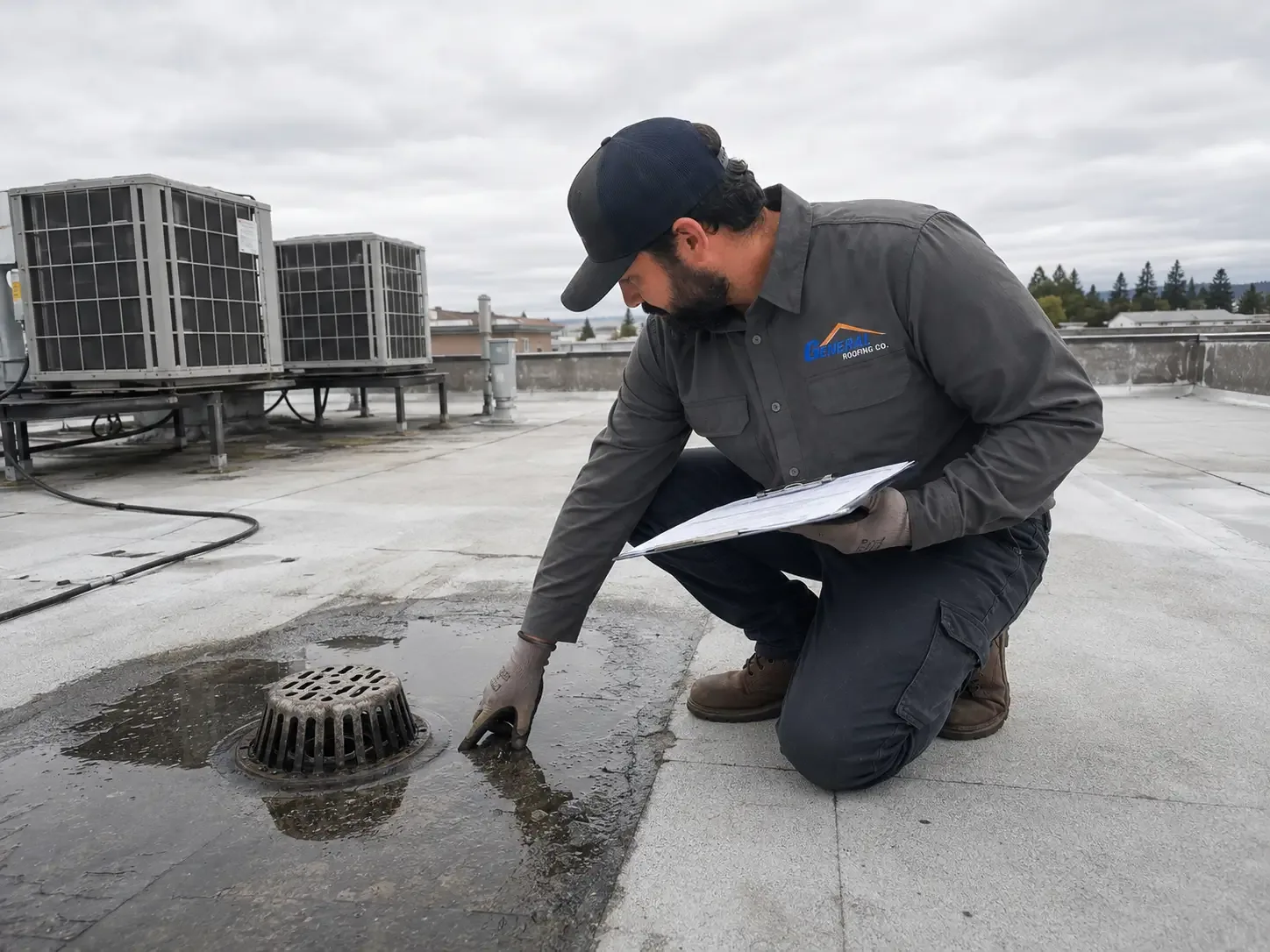
Drainage deserves a measured look. We clear the strainers, inspect the drain bowl and see whether the sump is lower than the surrounding field. Standing water can indicate a blocked outlet, an uneven board layout or deck movement. A new membrane will not correct a low spot by itself. We identify whether tapered insulation, drain work or a local repair belongs in the scope.
Owners managing several properties can compare each roof by membrane condition, wet area, edge details and repair history. A condition report puts those observations in one format and helps prioritize a repair against a replacement. It also gives the next service visit a starting point, rather than asking a new crew to reconstruct the last walk from memory.
Set the Repair Boundary
A single puncture or open flashing can support repair when the surrounding membrane remains sound. A recover may fit if the layers are dry, stable and compatible. Widespread moisture, loose attachment or a weak deck points toward removal. We show the evidence and scope limits.
Scope costs reflect the work under the membrane as well as the sheet on top. Tear-off, deck repairs, insulation, cover board, edge metal, equipment moves and roof access all affect labor and material. We list those items in a replacement scope so the owner can compare proposals on the same basis. The schedule shows areas that remain open, how each shift ends watertight, and what happens if wind or rain stops work.
For an occupied school, retail property or production building, work can be staged around access and daily activity. We coordinate lifts, material storage and noisy work with the site contact. If water is entering now, our emergency response runs around the clock; temporary protection comes first, and the permanent repair follows when the roof can be prepared correctly.
Record the Finished Assembly
We photograph the deck and insulation before covering them, then record the field seams, flashings and penetrations at closeout. A roof plan locates repairs and notes any condition left for later review. Those records help a manager compare the completed work with future inspections and answer whether a new stain is near an old detail.
Keep drains open, remove loose debris without cutting the sheet, and note new curb or conduit work. Service crews need a designated path. A scheduled maintenance visit checks laps, edges and drainage before an opening reaches the interior.
Give us the roof age, the building use and when leaks began; the walk covers the assembly, tests suspect areas and explains what the Versico system can do on your Wichita Falls building.
Commercial Roofing Questions
How do you identify a Versico membrane already on the roof?
We check roof records, markings and the sheet itself, then verify the seam type and repair materials. That prevents a patch from being chosen for the wrong membrane.
Can TPO and PVC use the same seam repair?
Both use heat-welded seams, but the sheet and flashing materials must match the system. We verify the membrane first and test the finished weld after it cools.
What if moisture is found under the sheet?
We map the wet area and check the deck before setting removal limits. The scope shows which insulation is replaced and how the new layers tie into sound material.
Will a new membrane correct ponding?
Not by itself. We inspect the drain, sump, slope and deck, then include any drainage correction with the membrane work if the roof needs it.
What do you need before scheduling an inspection?
Plan on giving us the building use, roof age, leak dates and access instructions. Existing plans or repair records help the first walk stay focused.