A warehouse roof, a retail roof and a school roof all need the same thing from a maintenance program: someone who walks them on a schedule and writes down what changed. The roof itself is quiet. It does not complain until water is in the ceiling. A roof that bakes through roughly 102 days a year at 90 degrees or higher loses small things first, a bead of sealant here, a loosened fastener there. A maintenance visit finds those small things while they cost an hour, not a week.
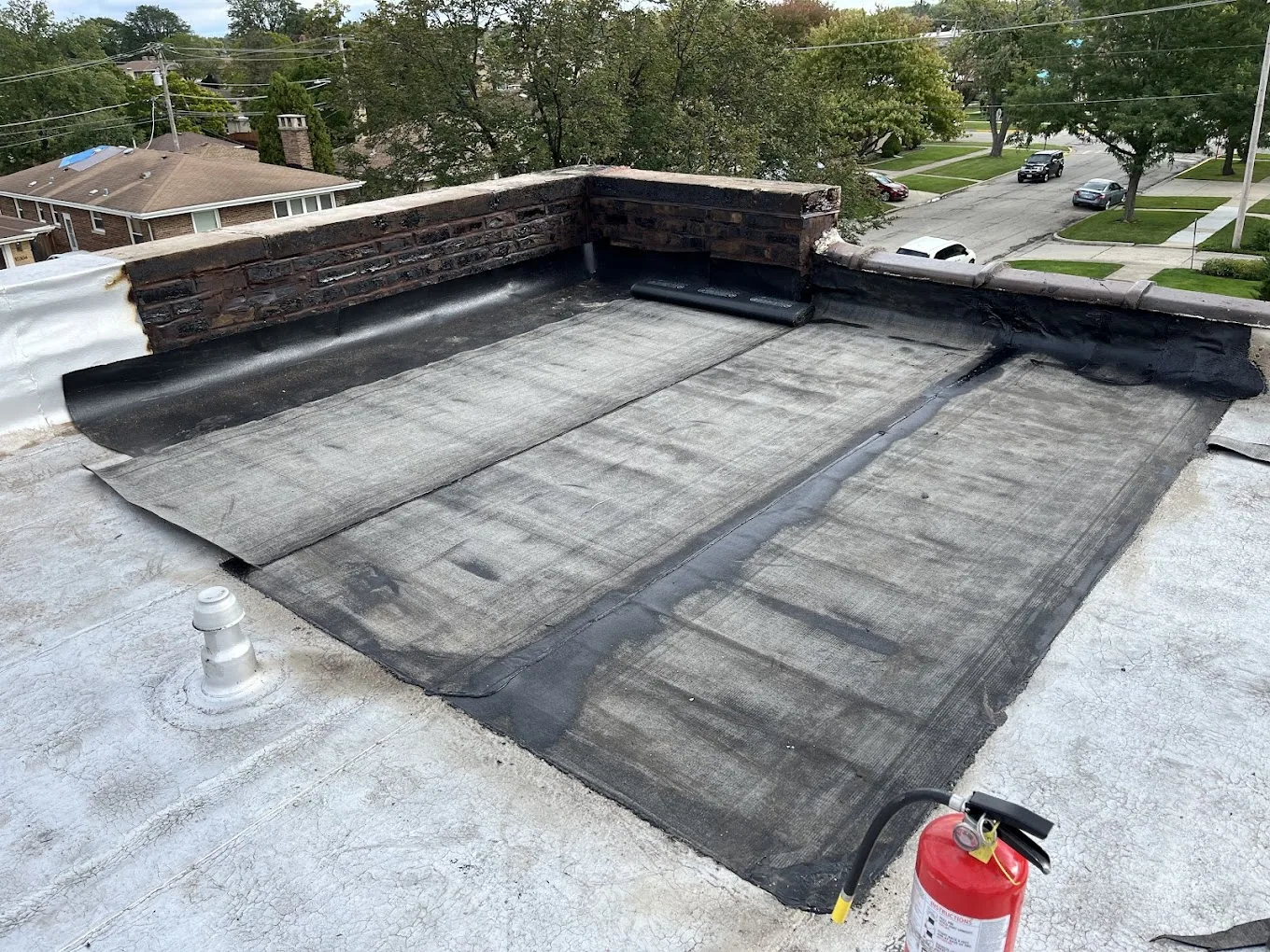
Here is the plan in plain steps. Walk the roof. Fix the small defects. Photograph everything. Write it down so the next visit starts where this one ended.
Start With the Building
The first visit is a baseline. We note the roof type, the approximate age, the number of layers where we can tell, the drainage layout and every unit, vent and skylight on the deck. We also ask what is under the roof. A cold storage room, an office suite and a stockroom load a roof differently, and a leak above one is far more costly than a leak above another.
The baseline becomes a roof drawing with photographs. It is the one document everything else is measured against. Later visits compare what we see with what the drawing says, so a new stain, a new wrinkle or a ponding line that has grown stands out right away.
Access is part of the baseline too. We note where the hatch or ladder is, whether the path to the roof crosses a tenant space and what time of day the building is quiet enough for a walk. Visits run on a schedule you can plan for, and the dates go on your calendar before the season starts.
What a Visit Covers
Every visit follows the same order. Drains, scuppers and gutters come first, because a clogged outlet turns a roof into a shallow pond and puts weight and water on every seam. Then edges and walls: coping, edge metal, counterflashing and base flashing. Then the penetrations and equipment curbs. Last, the open field of the membrane.
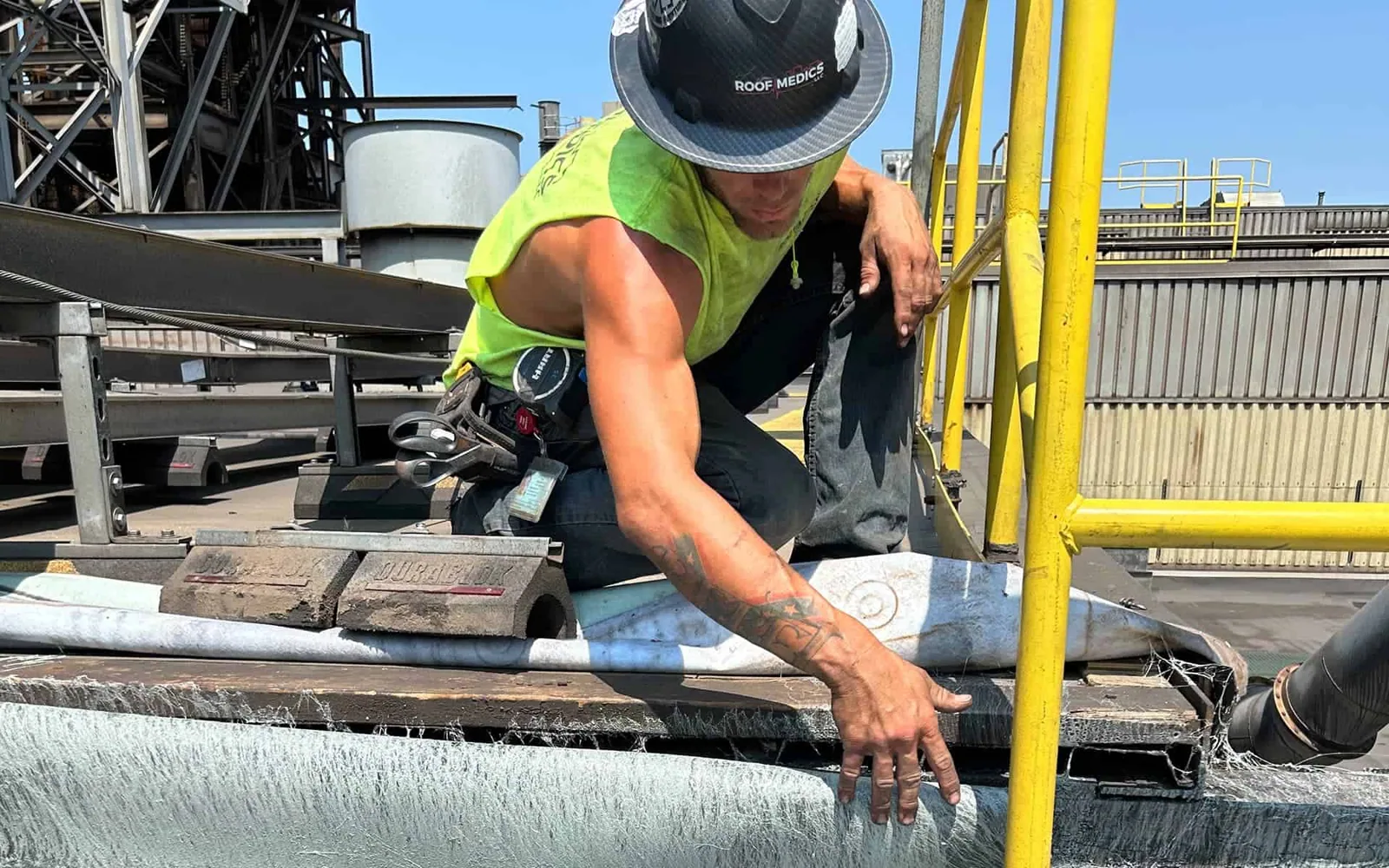
We clear debris, replace failed sealant, reseat loose fasteners, tighten termination bars and patch small punctures on the spot. A hail bruise is a soft spot you often cannot see from the ground, so we press, probe and mark each one, and we track it from visit to visit to see whether it is growing. Anything larger than a small repair goes on a written list with a price, never a vague warning.
Timing Around Heat and Storms
The thermometer topped out at 117 degrees on June 28, 1980, and the summer of 2011 stacked up a full 100 days at or above 100. Heat works on membranes by making them expand and relax every day, which tests seams and flashings. A visit in late spring finds what the previous year did and gets repairs done before summer.
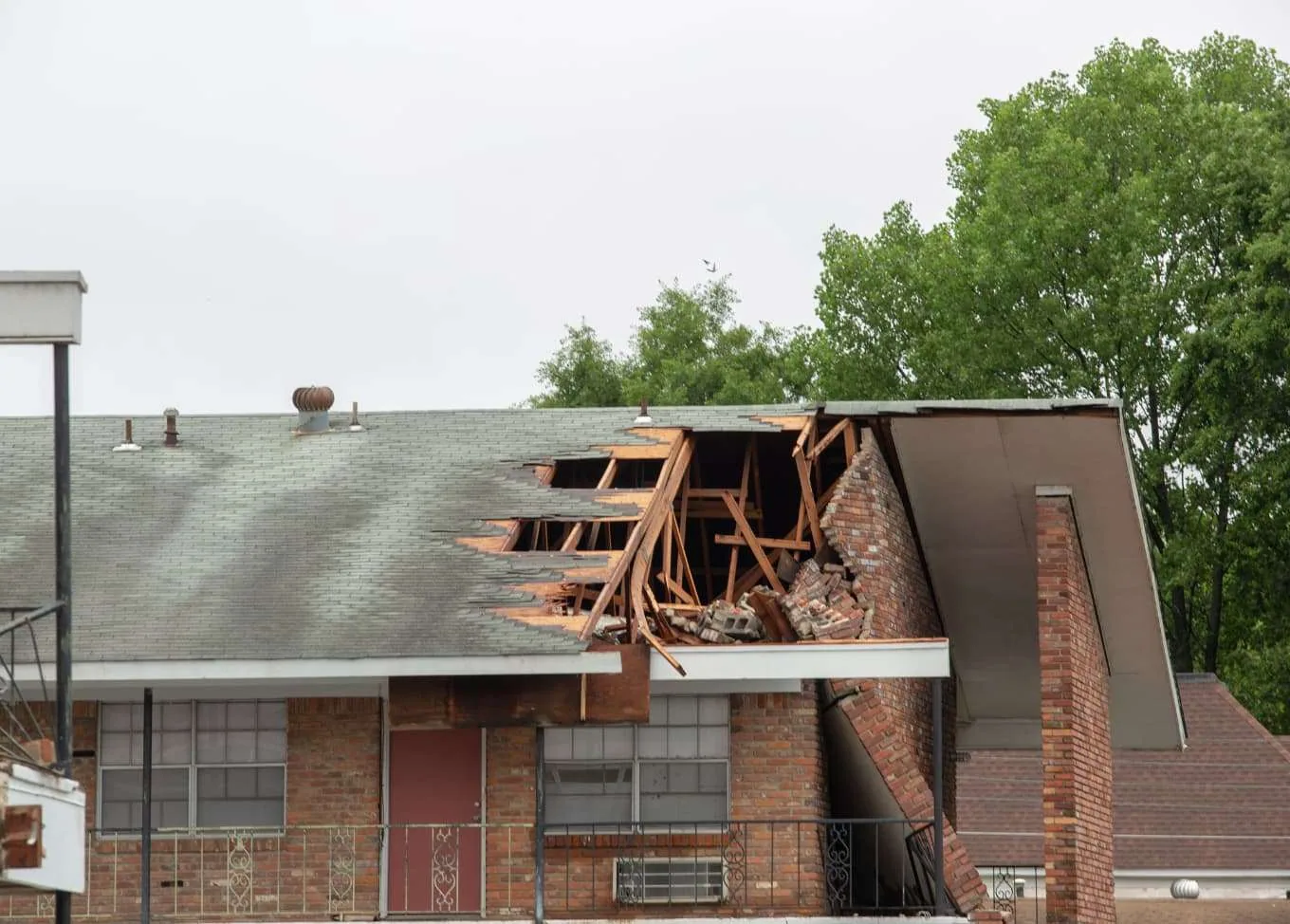
Hail is the other date on the calendar. The National Weather Service in Norman logged baseball-size hail that damaged Iowa Park and Burkburnett on April 2, 1991, and a quarter hour of golf-ball stones in Electra on March 13, 1982. Both fell in the spring storm season. A visit in late winter clears drains and fixes weak spots ahead of the season, and a visit after any hail event looks for bruising, split seams and dented metal. The storm damage assessment follows the same checklist with a claim file attached.
One clean rule governs the whole program: no roof goes through a hot summer or a spring storm line with a known open defect. If a visit finds a split seam, a lifted flashing or a missing fastener row, it is closed or covered with a temporary seal that day, and the permanent fix is booked.
Where Roofs Fail First
On a low-slope roof, the first failures are almost always at the edges and the details, not in the middle of the field. Sealant dries out. Pipe boots crack. Counterflashing pulls away from a wall. A fastener backs out and lifts the membrane above it. Each is a small job, and each lets water into the layer underneath.
Wet insulation is what turns a small job into a big one. Water that gets in at a flashing spreads sideways through the insulation, and the roof can hold it for months before a stain shows. When a visit finds a suspicious area, we recommend an infrared moisture survey to see how far it spread, and the next step depends on what the scan shows.
Gutters, downspouts and scuppers deserve their own look. A scupper packed with leaves and grit sends water over the wall edge or back across the roof, and a downspout that discharges against a wall wets the masonry. Both are cheap to clear and expensive to ignore.
Different Buildings, Different Schedules
Not every roof needs the same number of visits. A big, low-slope roof at the Wichita Falls Business Park, with few penetrations, can often be walked twice a year. A roof loaded with rooftop units, like those a retail building along the Kemp-Kell corridor may carry, usually wants more attention near the equipment, since technicians cross it all year.
Roofs over occupied space matter more than roofs over empty space. The same goes for roofs that cover things that cannot get wet. We set the schedule with the owner after the baseline walk. Older roofs get more visits, and roofs under warranty get visits that match what the warranty asks for, so the record supports a claim if one is ever needed.
Keeping the Record
After each visit you get a short written report: what we saw, what we fixed, what we recommend and the photographs behind each item. The record is cumulative. Over a few years, it shows how fast the roof is aging and when repair stops making sense, which is the information an owner needs for a budget.
That file supports a planned repair list, an insurance conversation after a storm and a decision between recover and replacement. It also protects the owner when a building is sold, since a buyer's inspector can read the roof's history rather than guess at it.
Commercial Roofing Questions
How many visits a year does a commercial roof need?
Most roofs do well with two: one before summer heat and one after the spring storm season. Older roofs, roofs with many penetrations and roofs over sensitive space get more. We set the number after the baseline walk.
Is a maintenance program worth it if the roof is new?
Yes. A new roof still collects debris, and its first year shows installation defects while they are easy to correct. Many manufacturer warranties also ask for upkeep, so keeping a record protects that coverage.
What do you fix during a visit and what goes on a list?
Small items get fixed on the spot: sealant, loose fasteners, pipe boots, small punctures and clogged drains. Anything larger goes on a written list with a price and a priority, and nothing starts without your approval.
Can maintenance extend the life of an old roof?
It can slow the decline. Clearing drains and fixing small leaks keeps water out of the insulation, which is what ends most roofs early. It cannot undo age, so we pair visits with a clear view of when replacement will make sense.
What happens after a hail storm?
We walk the roof for bruising, split seams, dented metal and displaced material, photograph each finding and mark it on the drawing. The record tells you whether to file a claim and gives an adjuster something specific to look at.