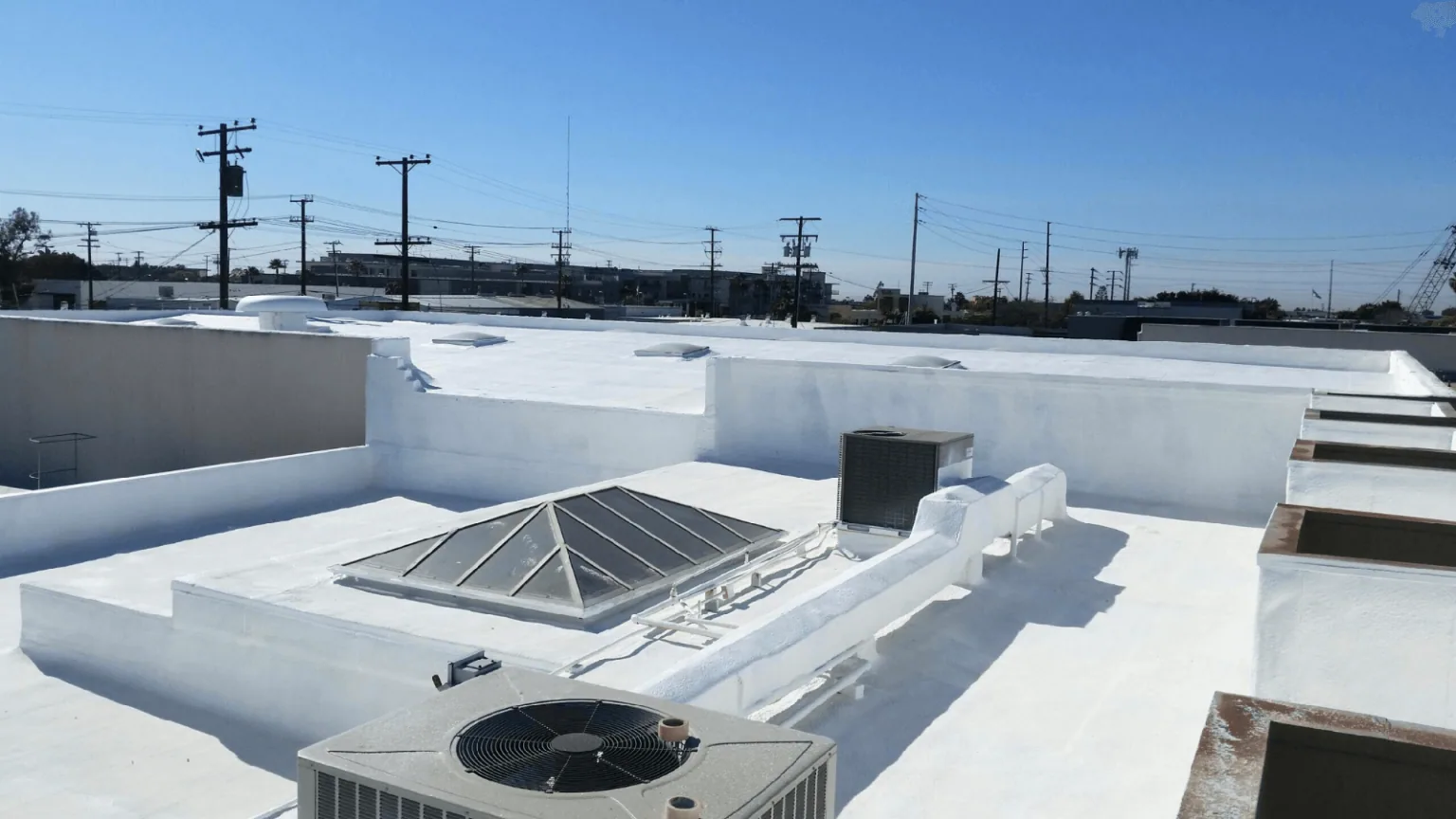
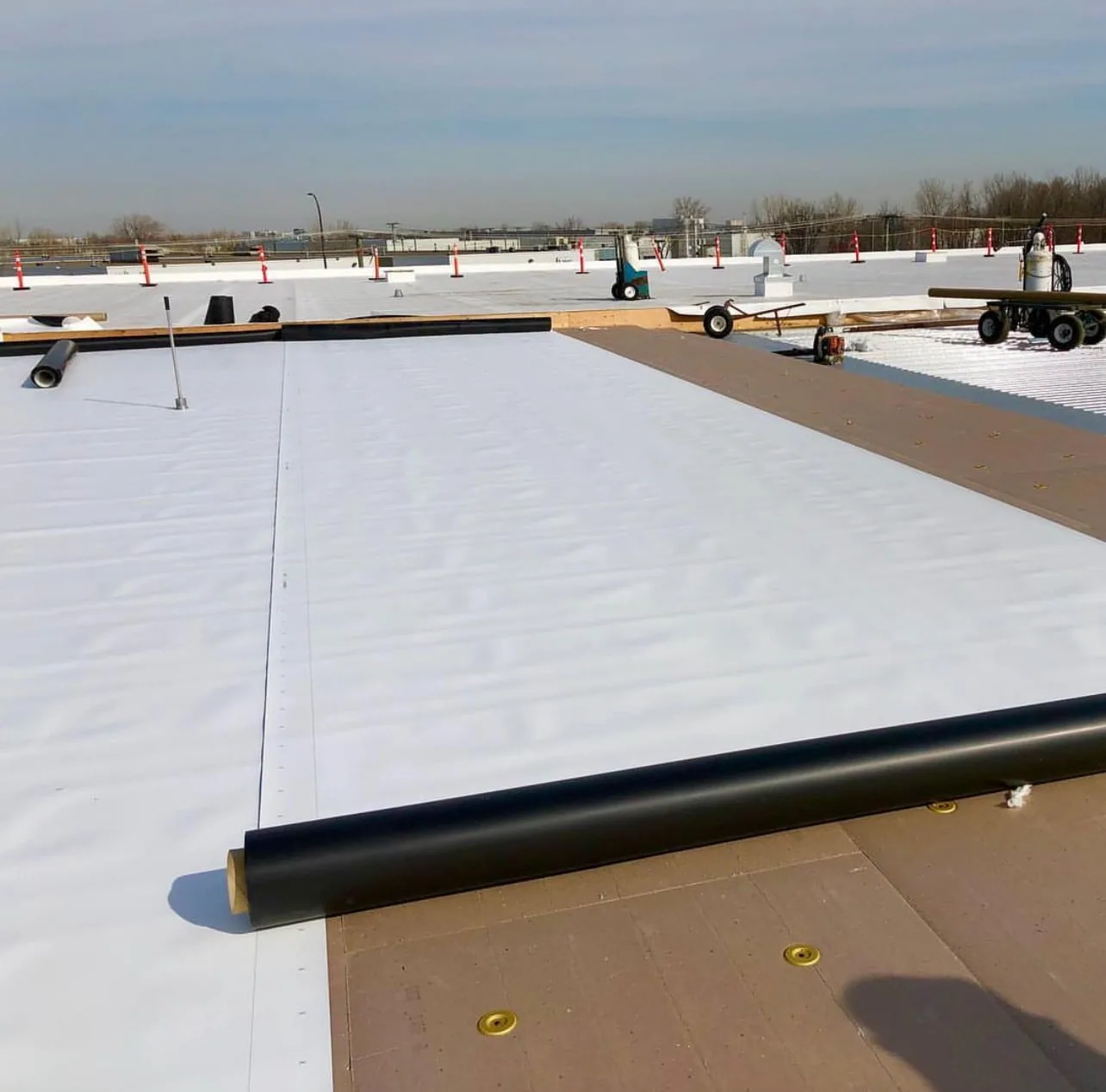
Storage and manufacturing roofs near the Wichita Falls Business Park often carry long membrane runs and active service paths. Duro-Last makes a custom-fabricated PVC roofing system, with details prepared for the building and field seams completed during installation. Commercial Roofing Wichita Falls repairs, replaces and maintains commercial roofs in Wichita Falls, TX. We inspect the existing assembly first, then determine what a Duro-Last scope would change at the deck, insulation and perimeter.
Prefabrication can reduce some field work, but it does not remove the need for sound substrate, accurate measurements or careful seam checks. We map the roof, identify equipment and drains, and confirm the condition of existing layers. That gives a Duro-Last system review a practical starting point rather than assuming the membrane alone solves the roof problem.
Measure Before Fabrication
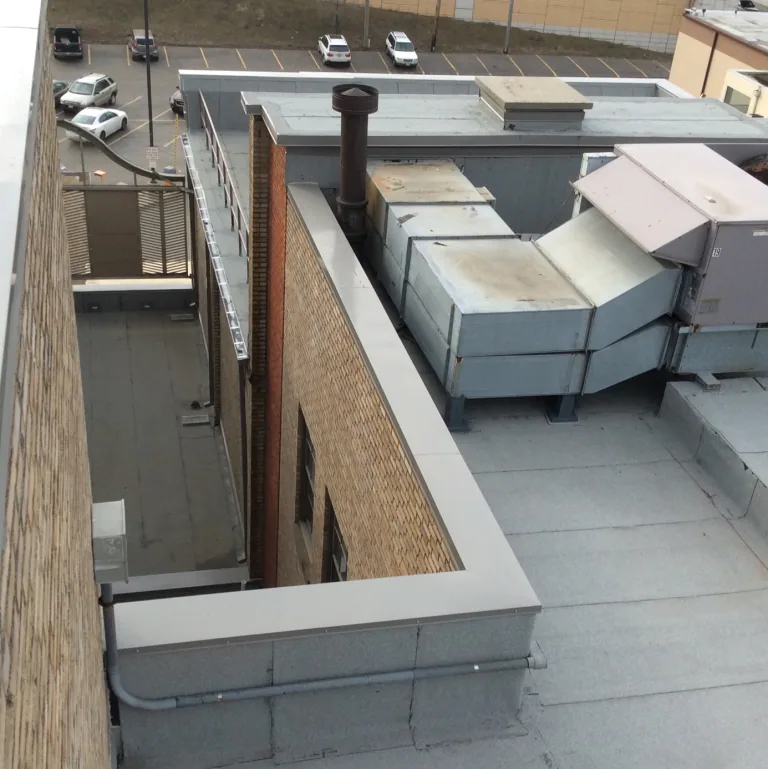
A custom membrane layout depends on roof dimensions, curbs, pipes, drains, parapets and changes in plane. We walk the roof and compare field measurements with available plans. An equipment change or an old curb left in place can alter the pattern, so we record each detail before the material is prepared. The closer the layout reflects the roof, the fewer field adjustments are needed.
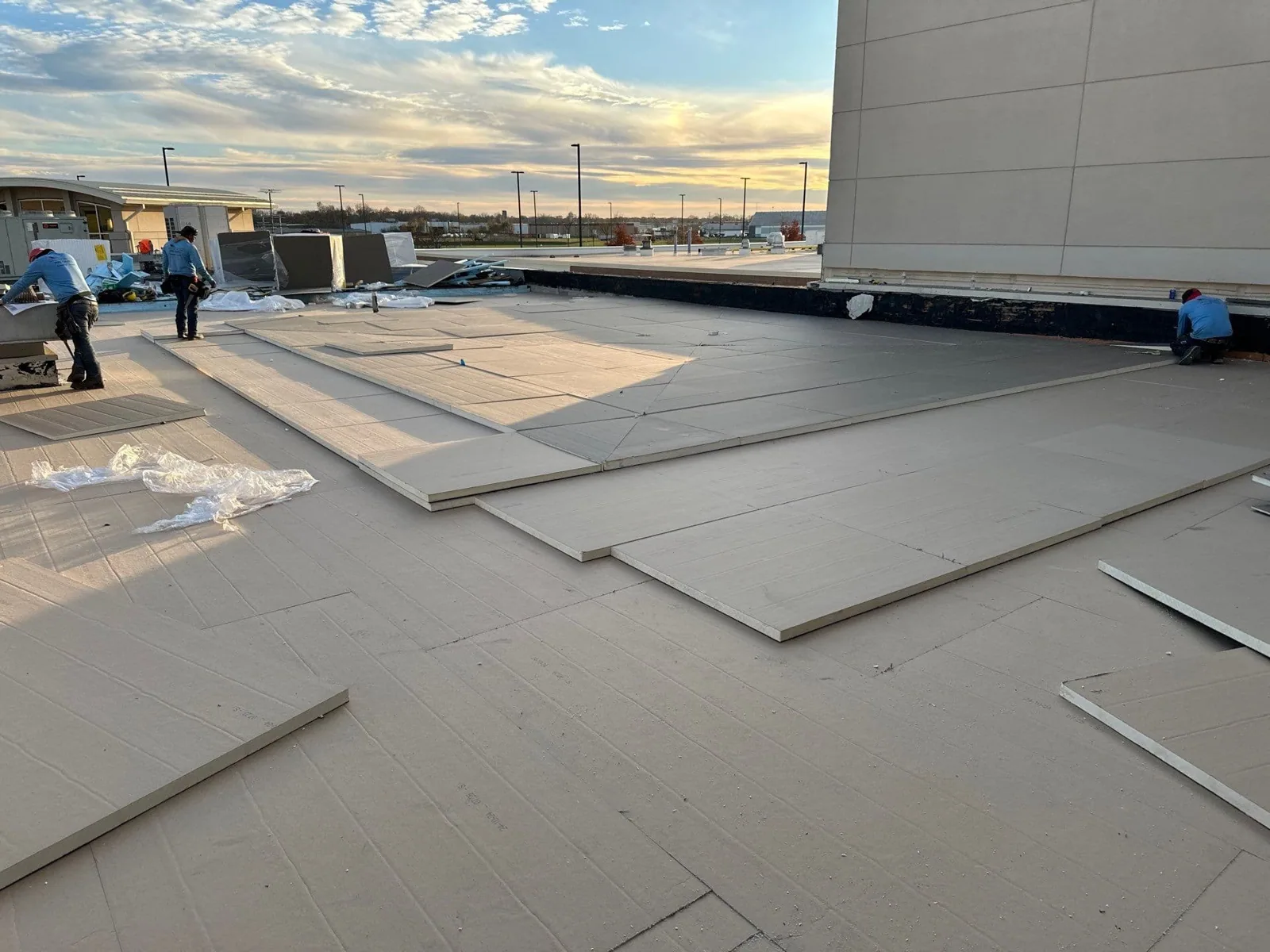
We also inspect what the new membrane will cover. A sound deck and dry insulation may support recover when the system requirements and drainage allow it. Wet board, weak attachment or deteriorated decking must be addressed first. Moisture readings and selective core cuts set those limits. The replacement scope lists removal, substrate repair, insulation and membrane work in sequence.
Duro-Last is a PVC system, so field seams are heat-welded. We prepare each overlap, test welder settings and probe the cooled bond. A factory-prepared detail still depends on a clean tie-in at the roof. For another product comparison, we can look at GAF commercial membranes or Versico systems against the same roof conditions and scope.
Close the Field Seams
Heat and pressure fuse PVC sheet at the lap. Dirt, moisture, a shifting hand or an incorrect setting can leave a channel under a seam. The crew tests the welder on sample material, adjusts speed and temperature, then checks the cooled weld with a probe. Corners, end laps and patches need a deliberate hand because several layers can meet in a small space.
Sun and air temperature change how a sheet handles during installation. Wichita Falls averages about 28 days at 100 degrees a year, and in 2011 the city recorded 100 such days. Those numbers describe the local climate, not an individual roof’s condition. They do make material handling and timing worth planning. We stage rolls in shade when possible and close each exposed area before leaving for the day.
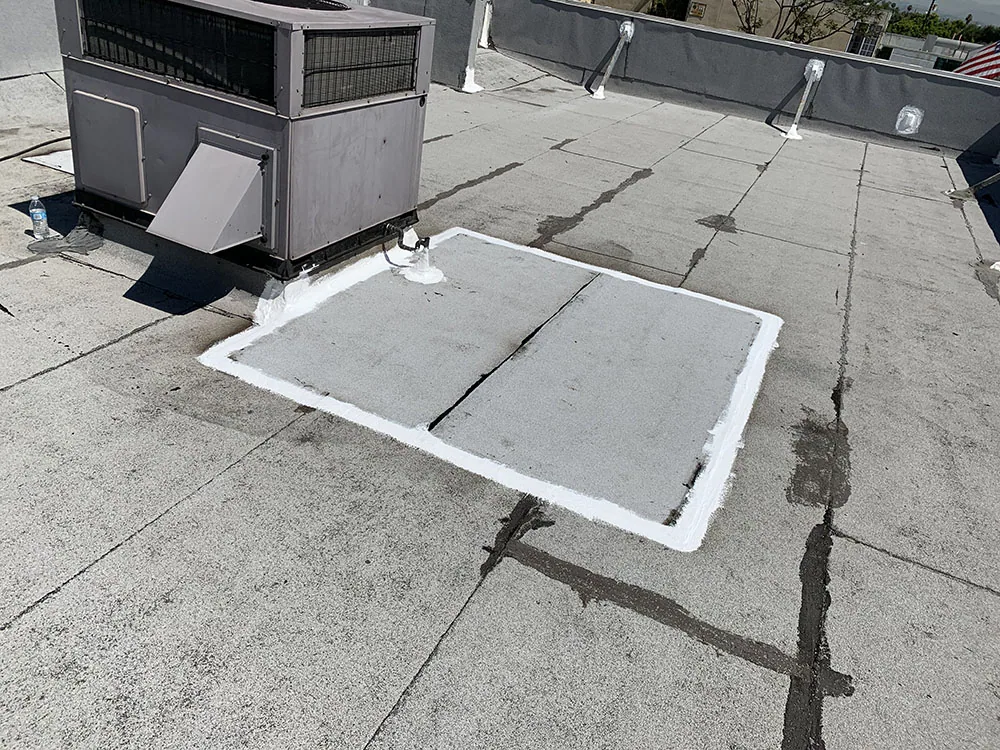
When a seam has opened, we check its full length and the insulation beneath it. A small visible gap may connect to a larger wet area. We mark the test points, take photos and repair back to sound material. That keeps the patch boundary tied to the actual condition rather than the stain inside the building.
Check Fabricated Details in Place
Prepared corners, pipe boots and curb details still need a correct fit. We check that the membrane reaches its termination height, sits without a fold, and bonds to the surrounding roof. A curb that is too low or a pipe that moves can stress the flashing even when the main field stays intact. We document those details before closing the seam.
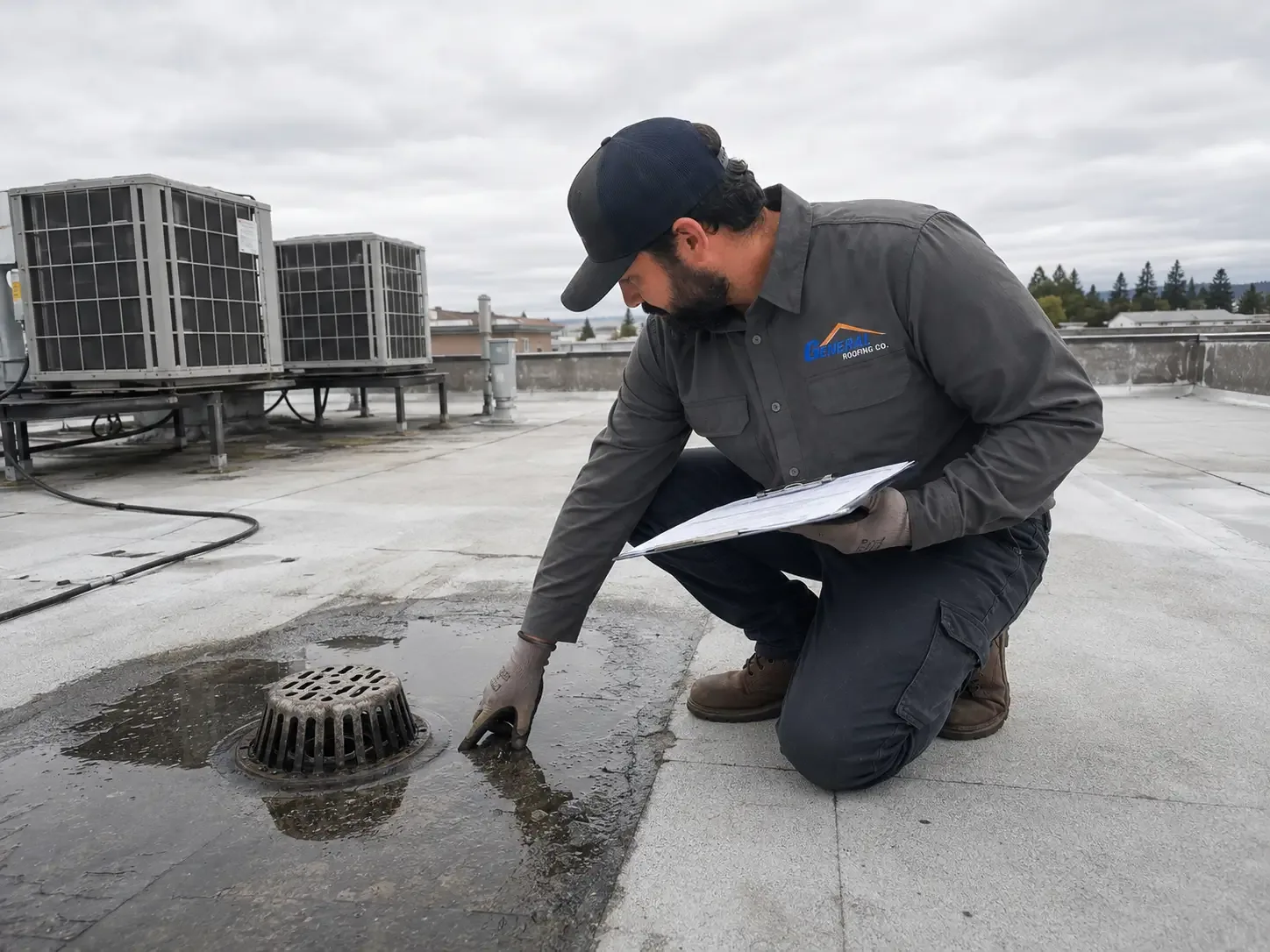
Drain bowls and edge metal deserve separate attention. Water must reach the outlet without stopping at a high sump. The bowl needs a sound flange, and the perimeter needs continuous attachment. We clear the drain, inspect the flange and check nearby membrane for splits or an old patch. If tapered insulation or metal repairs are required, they belong in the same scope.
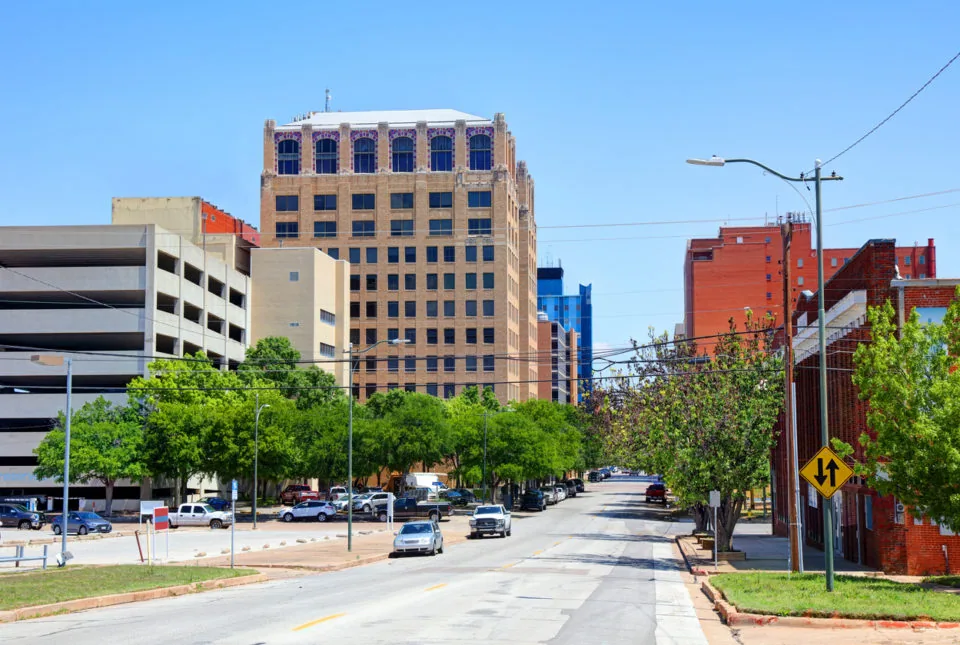
At the Wichita Falls Business Park, distributor and manufacturer operations may rely on loading access throughout the day. We coordinate material lifts and roof work with the building contact, keeping loading doors and service routes clear. Near Midwestern Parkway retail properties, customer entrances and delivery windows can shape a different work sequence.
Use Storm History as Context
Wichita Falls has a record of tornadoes and hail, but history alone cannot show what happened at a specific building. The 1979 tornado moved over the south and east of the city and destroyed more than one hundred commercial businesses. After a present wind event, we inspect perimeter attachment, corner metal, seams, curbs and rooftop equipment. We record what is on the roof now.
Hail can leave a bruise below a PVC surface or damage a metal edge. Reports from April 1991 put baseball-size hail on Iowa Park and Burkburnett, and a March 1993 report puts larger hail at Sheppard Air Force Base. Those reports are local context, not a diagnosis for another property. After current hail, we probe suspect areas, check the insulation and photograph each finding in a roof inspection.
When water is coming inside, our emergency response runs around the clock. We protect the building where conditions allow, note temporary measures and return to complete a compatible repair. For a claim or facility record, the photos show the roof condition, interior leak location and repair boundary together.
Choose Repair, Recover or Replacement
An isolated puncture or flashing failure can be repaired when the surrounding membrane and insulation are sound. Recover may fit a stable, dry assembly if drainage and system requirements permit another layer. Broad moisture, loose attachment or weak decking changes the answer toward removal. We explain the inspection evidence behind the choice and show where the scope begins and ends.
Cost follows that scope. Tear-off and disposal, deck repairs, insulation thickness, cover board, edge metal, drains, equipment moves and access all affect labor and materials. A written proposal separates those items and explains the daily dry-in plan. This helps a facility manager compare two options without overlooking the work underneath the membrane.
The local schedule matters too. Around Sikes Senter and the Midwestern Parkway corridor, retail operations may need doors and deliveries kept open. At industrial buildings, loading schedules can limit lift windows. We divide the roof into sections, coordinate noisy work, and protect exposed areas before each shift ends. A maintenance visit after closeout checks seams and details while they are easy to reach.
Keep a Clear Closeout
We photograph the deck, insulation and membrane before covering them, then record field seams, flashings, drains and penetrations at completion. The roof plan marks repaired and remaining areas. A dated record helps the next manager understand what was changed and gives a future inspection points to revisit.
Keep drains free of debris, protect the membrane from sharp tools, and route service traffic along walk paths. New equipment needs a properly flashed curb. If a tenant reports a stain, note when it appeared and what the weather was. Those details help us trace the water route without opening unaffected areas.
Share the roof age, the building use and the leak history, and we will inspect the existing assembly, verify the details and explain whether a Duro-Last repair or new system fits the Wichita Falls building.
Commercial Roofing Questions
Does factory fabrication eliminate field seams?
No. Prepared details can limit some on-roof work, but field sheets still need welded joints and careful tie-ins at walls, curbs and drains. We probe the finished seams.
Can Duro-Last go over my current membrane?
The deck, existing layers, moisture and drainage decide whether a recover is feasible. We inspect and test first, then define what stays and what must be removed.
How do you check a PVC weld?
We test the welder on sample sheet, adjust for conditions and probe the seam after it cools. Corners and end laps receive a separate check.
Will a new PVC system fix standing water?
Not by itself. We check the drain bowl, sump and slope, then include drainage correction if the roof needs it.
What should I send before an inspection?
Send roof age, building use, leak dates and prior repair notes. Plans and access instructions help us prepare the first walk.