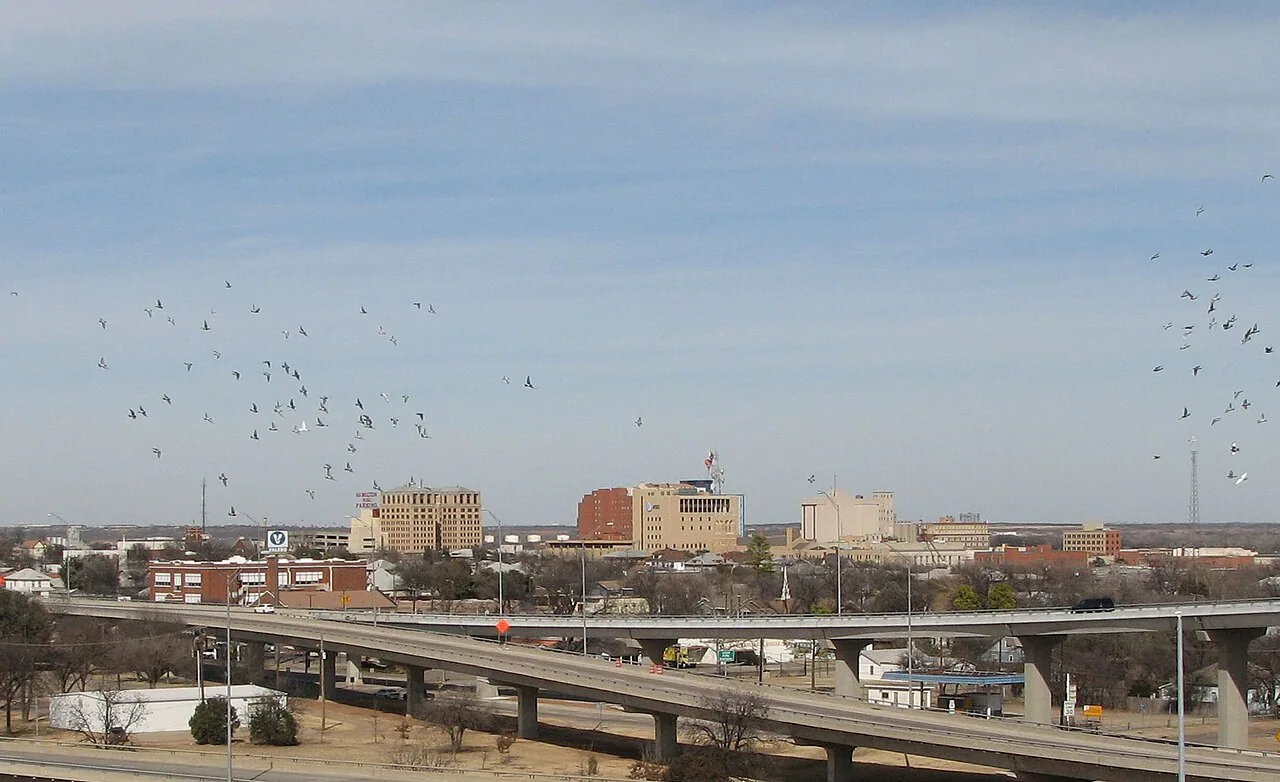
Retail roofs along Kemp Boulevard can have several transitions, drains and equipment curbs to keep watertight. Soprema makes commercial roofing materials that include modified bitumen sheets and liquid-applied systems for selected details. Commercial Roofing Wichita Falls takes the commercial roofs of Wichita Falls, TX one at a time, inspecting the existing roof and the substrate first, then choosing the scope that fits the building rather than starting with a product label.
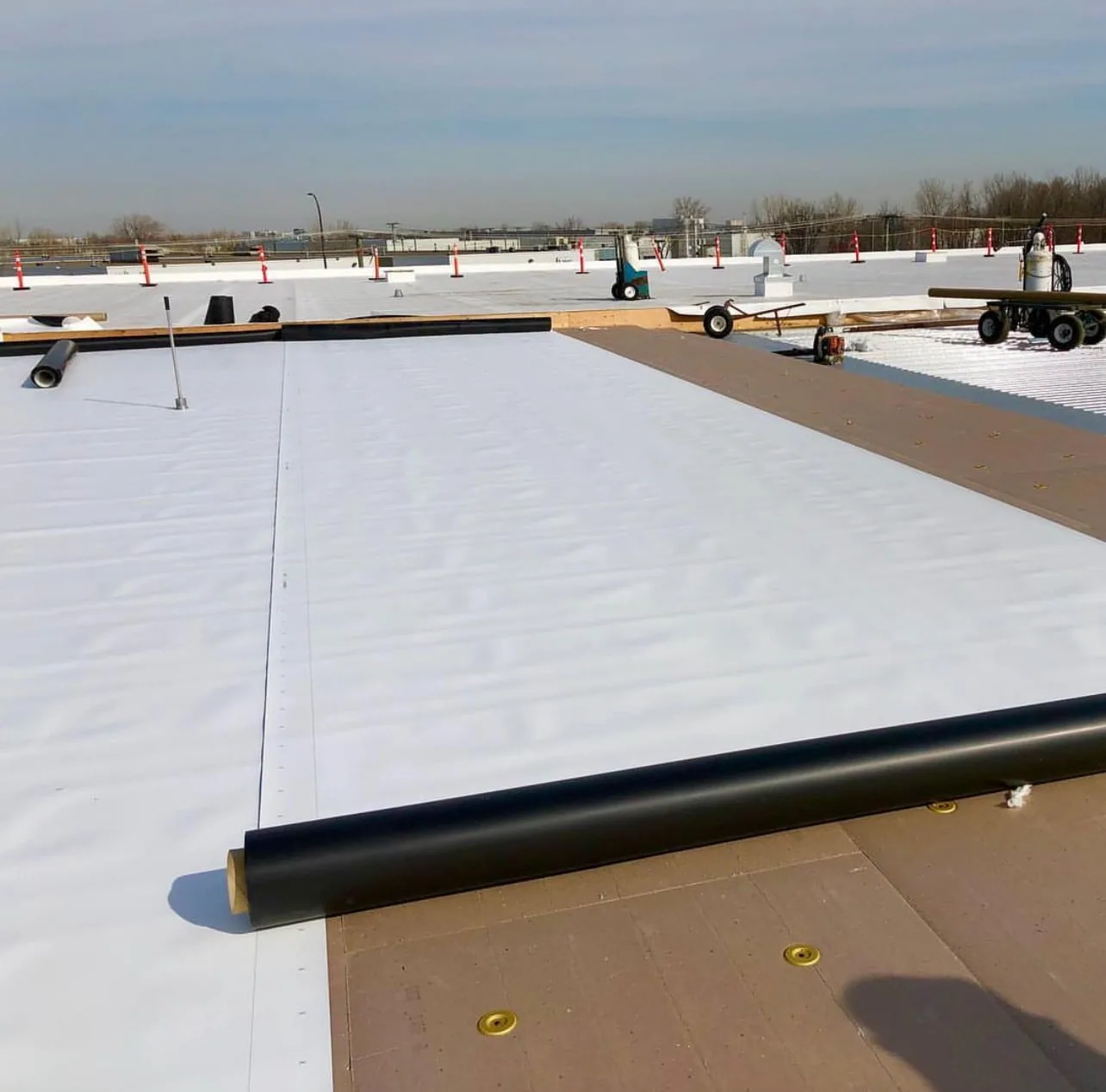
A Soprema assembly can involve more than one layer and application method. We identify what is already installed, check for trapped moisture, and map the transitions that need a compatible tie-in. The Soprema system review then answers practical questions: what stays, what comes off, and how the next layer meets drains, walls and equipment.
Build the Base Before the Cap
Modified bitumen uses reinforced asphalt sheets in a layered roof assembly. The cap sheet protects the surface, while base sheets and insulation below provide support and continuity. Depending on the chosen materials and approved method, layers may be adhered, mechanically attached or applied with heat. We follow system requirements and protect surrounding materials during installation.
Before choosing a repair or new build-up, we inspect the deck, insulation and existing layers. A core can show whether board is damp or the deck has deteriorated. If the base is sound, a recover may be considered when the assembly and drainage allow it. Broad wet areas or weak decking call for removal. We connect that finding to a replacement scope that lists tear-off, substrate work and new layers separately.
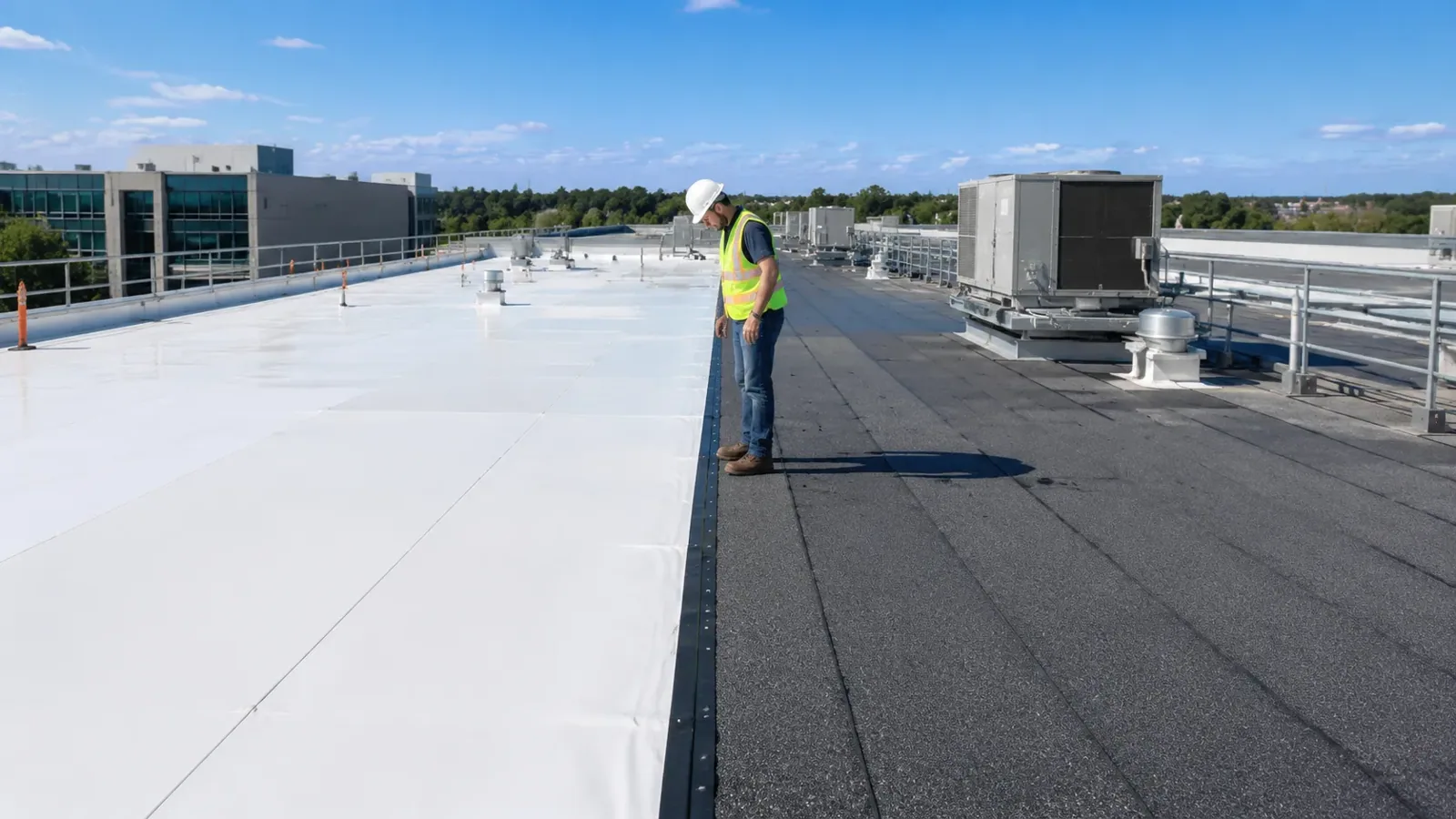
Owners comparing modified bitumen with a membrane should look at the full roof. Seams, field transitions, roof traffic, insulation and drainage all change maintenance and repair needs. A modified bitumen assembly has a different surface and repair method from TPO or EPDM. We compare them with Carlisle SynTec and GAF commercial systems using the roof plan.
Use Liquid Details with Care
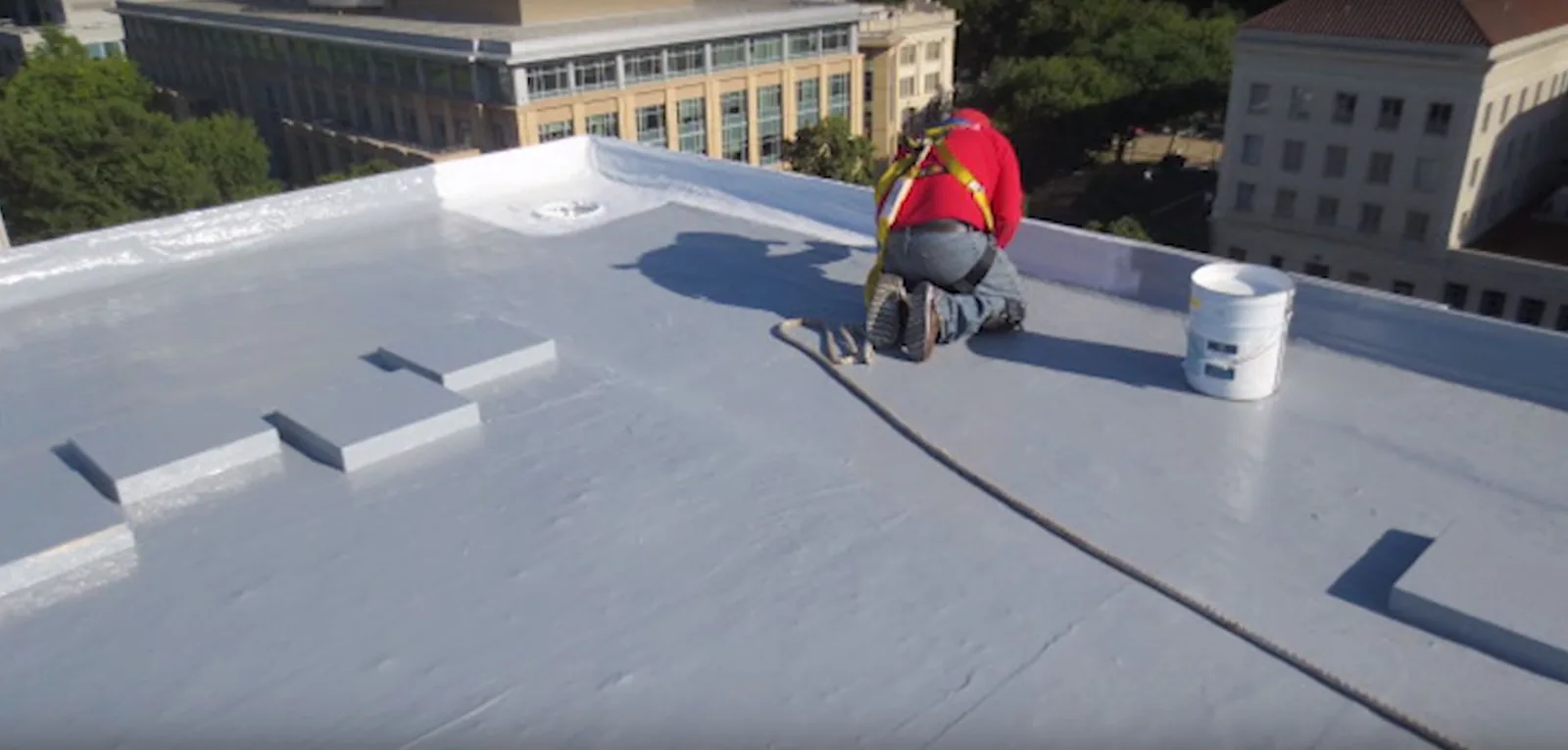
Soprema also offers liquid-applied products for flashing and restoration uses. A liquid material can follow irregular transitions, but it depends on a clean, dry and properly prepared surface. We check adhesion, compatibility, reinforcement and the area’s exposure before specifying it. Coating over loose material, trapped moisture or a failing seam hides a defect instead of correcting it.
At a pipe, curb or wall transition, we remove loose material and prepare the substrate to the system instructions. Reinforcement may be needed at movement points. The cured layer must be continuous, with enough material at corners and terminations. We document the boundary and check that runoff will not carry debris onto the wet application.
A liquid system is not a universal answer for an old roof. We test adhesion, inspect the membrane and determine whether wet insulation or deck damage must be removed first. If the surface qualifies for restoration, we compare a silicone coating or other compatible treatment on the evidence. The repair still needs good drainage and sound perimeter details.
Read Seams and Water Paths
Water usually enters where roof materials meet: at a wall, a drain bowl, a curb or a sheet lap. We trace the interior stain toward those details and check for punctures, open joints, displaced metal and soft insulation. A ponding line can point to a low area that keeps water against the seam. We photograph findings, mark locations and test suspect layers before writing the work limits.
Heat affects asphalt and sealants over time. A typical Wichita Falls year offers about 28 days at 100 degrees, and the city recorded 100 such days in 2011. It does make surface condition and application timing worth checking. We look for brittle areas, open laps and flashing that has pulled away, then recommend compatible repair materials.
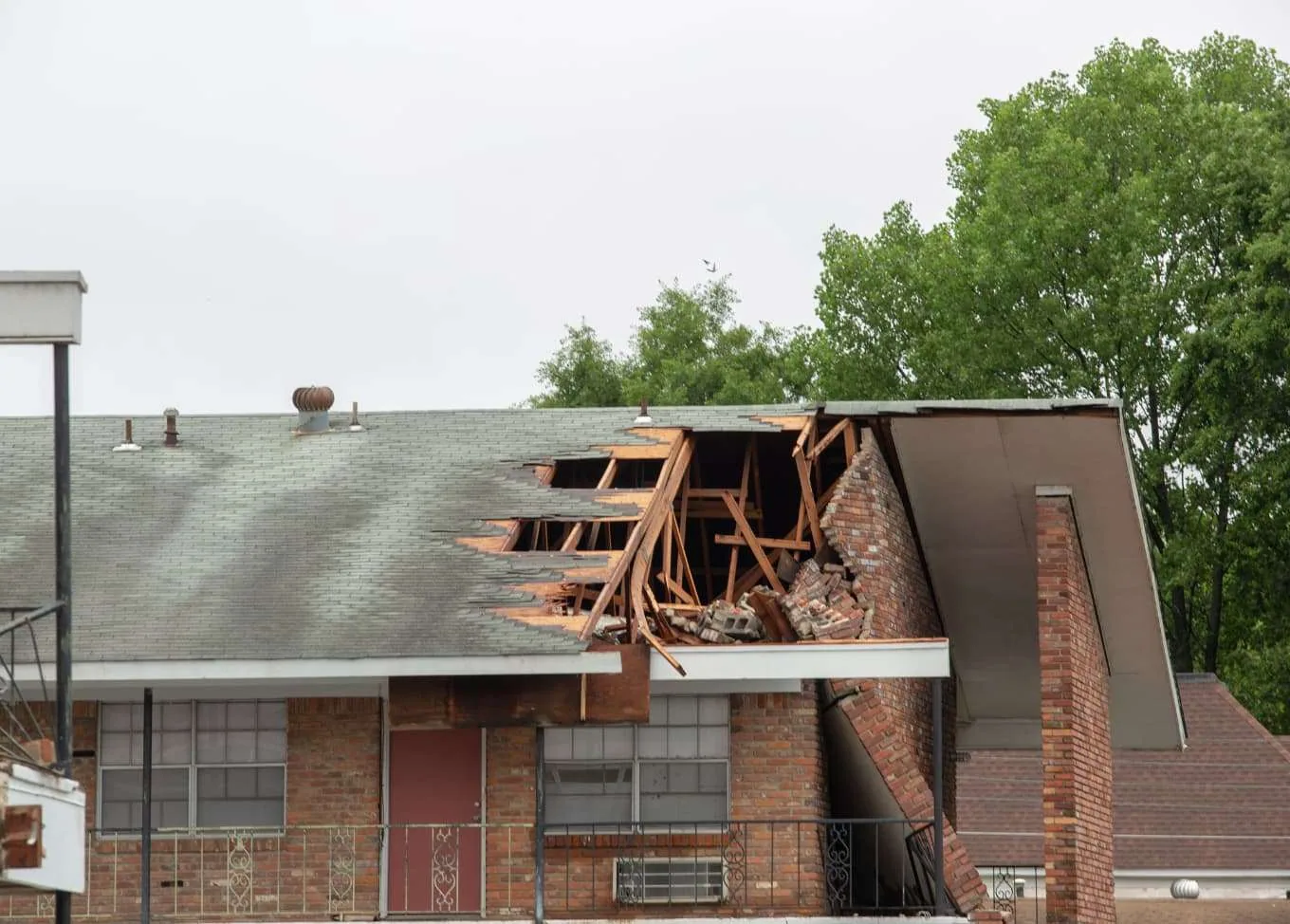
Hail damage can be less visible than a dent. Baseball-size hail hit Iowa Park and Burkburnett in 1991. That event belongs to those places and that date; it does not show what happened to a specific building. After a current storm, we inspect for punctures, bruised layers and wet insulation, then use the hail damage assessment to set the repair boundary.
Coordinate the Work Area
Modified bitumen work needs a clear material and application plan. We stage rolls, primers, adhesives or heating equipment so the crew can finish each area and leave it protected. The method depends on the selected assembly and weather. We do not leave a roof open while waiting for a later layer; the daily sequence accounts for dry-in before materials are removed.
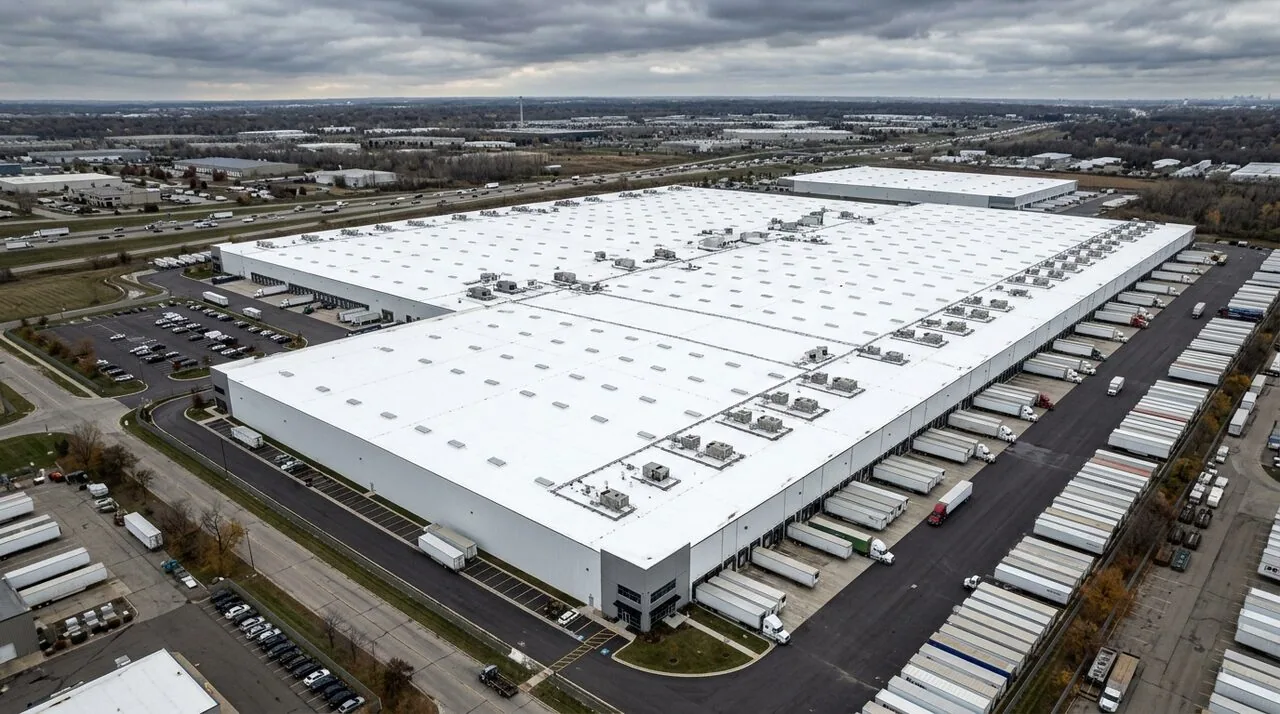
Along the Kemp and Kell corridor, retail buildings may need customer doors and delivery routes kept open. We coordinate lifts and noisy work with the site contact, divide the roof into manageable sections, and protect rooftop equipment from dust and debris. If water is already entering, our emergency response runs around the clock. Temporary protection keeps the interior safer while we prepare a permanent repair.
For a single leak, our leak repair visit traces the water path and documents the source. A wider condition survey can show whether the defect is isolated or part of a larger pattern. Each finding goes on the roof plan so the owner can compare a targeted repair with broader replacement.
Compare Repair and Replacement
Repair fits a local defect when the surrounding membrane, insulation and deck remain sound. A recover may work when existing layers are dry and stable and the new assembly permits another layer. Replacement becomes more likely when moisture is widespread, seams are failing across the field, or the deck needs significant work. We explain the evidence behind the choice and define the area each option covers.
Cost follows the work boundary. Tear-off and disposal, deck repair, insulation, cover board, metal edges, drains, penetrations and access each affect the estimate. A written scope lists those elements and shows how the crew will keep the building dry between shifts. This also helps a manager plan around production, retail or school hours.
A dated report makes the comparison useful later. We record photographs, test results, repairs and maintenance items, then place them in a roof condition report. That record supports capital planning without implying that a roof needs replacement before the inspection proves it.
Keep the Next Visit Simple
At closeout, the owner should know what assembly was installed, where repairs were made and which details need watching. We photograph the substrate and insulation before covering them, then record the completed seams and flashings. A roof plan marks drains, penetrations and repair limits. The next inspection has a clear starting point.
Keep drains open and remove debris without cutting the membrane or coating. Have equipment contractors use walk paths and protect the roof around new curbs. A maintenance program can check seams, drains and flashing on a schedule, while the building contact can report a new stain as soon as it appears.
Tell us the roof age, the building use and when water first showed. We will inspect the layers, test uncertain areas and explain whether a Soprema repair or new assembly fits the Wichita Falls roof.
Commercial Roofing Questions
Can modified bitumen be installed over an existing roof?
We check the deck, moisture, drainage and number of existing layers. If the assembly permits a recover and the base is sound, we explain the preparation; otherwise the scope defines removal.
When does a liquid-applied flashing make sense?
It may suit an irregular detail when the substrate is clean, compatible and dry. We check adhesion and movement, then specify reinforcement and thickness for the transition.
Will a coating fix a roof with wet insulation?
No. We locate moisture and remove damaged layers before considering a surface restoration. Coating a wet assembly can leave the underlying cause in place.
How do you decide between a patch and replacement?
The membrane condition, wet area and deck set the boundary. We document the findings and explain whether a local repair, recover or tear-off fits the roof.
What helps before an inspection?
Roof age, building use, leak dates and any prior repair notes, plus a roof plan and access instructions to prepare the walk.