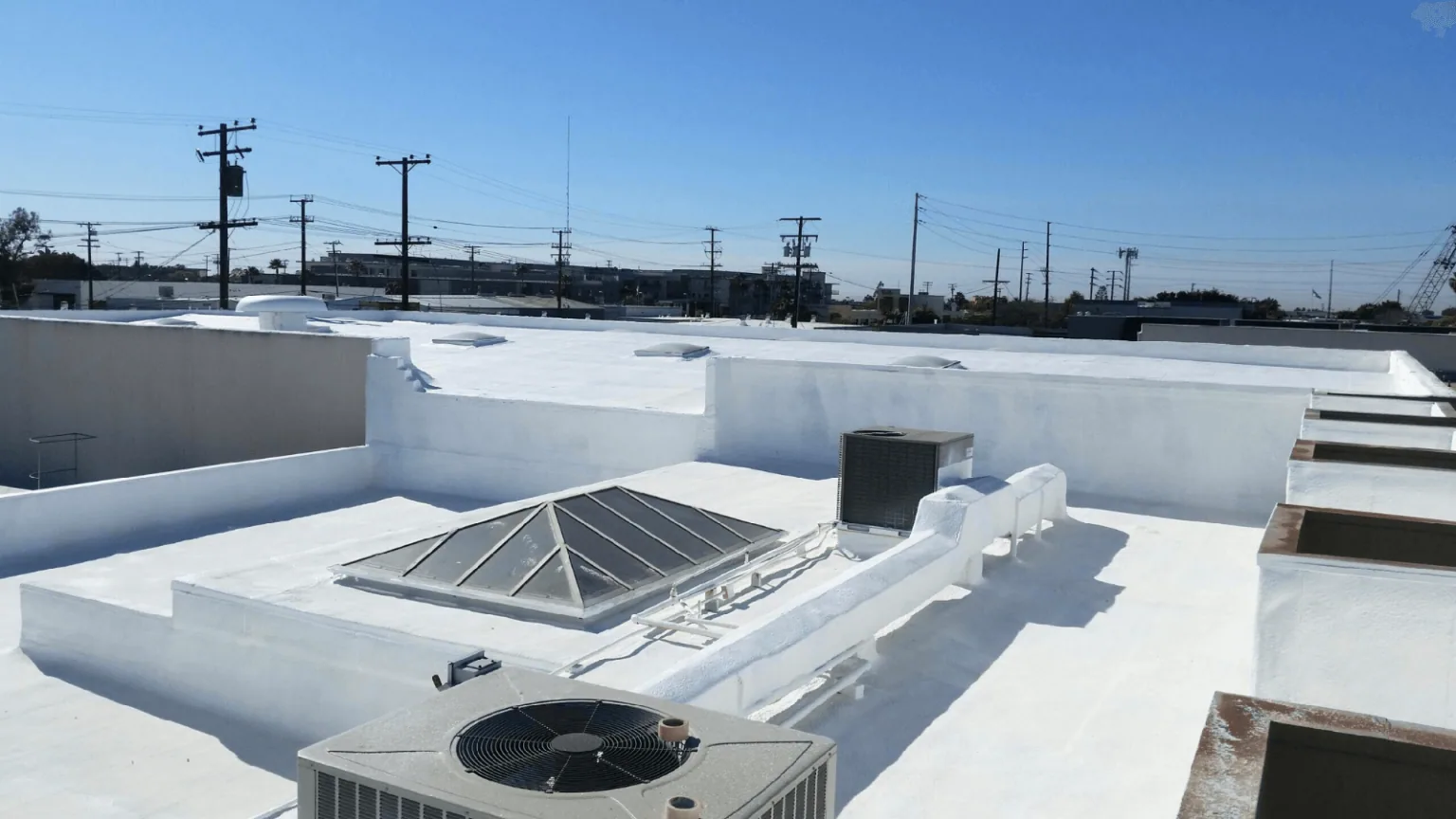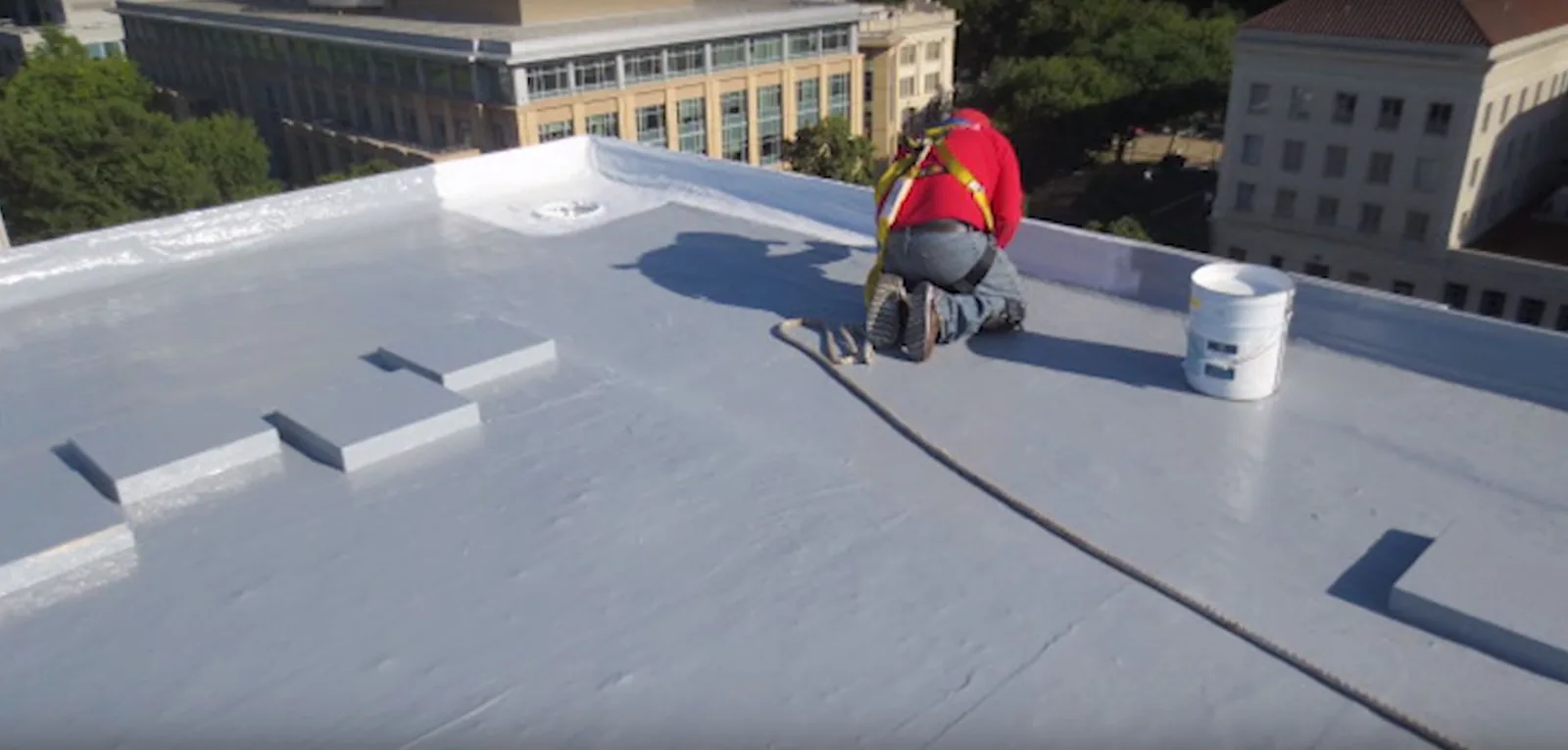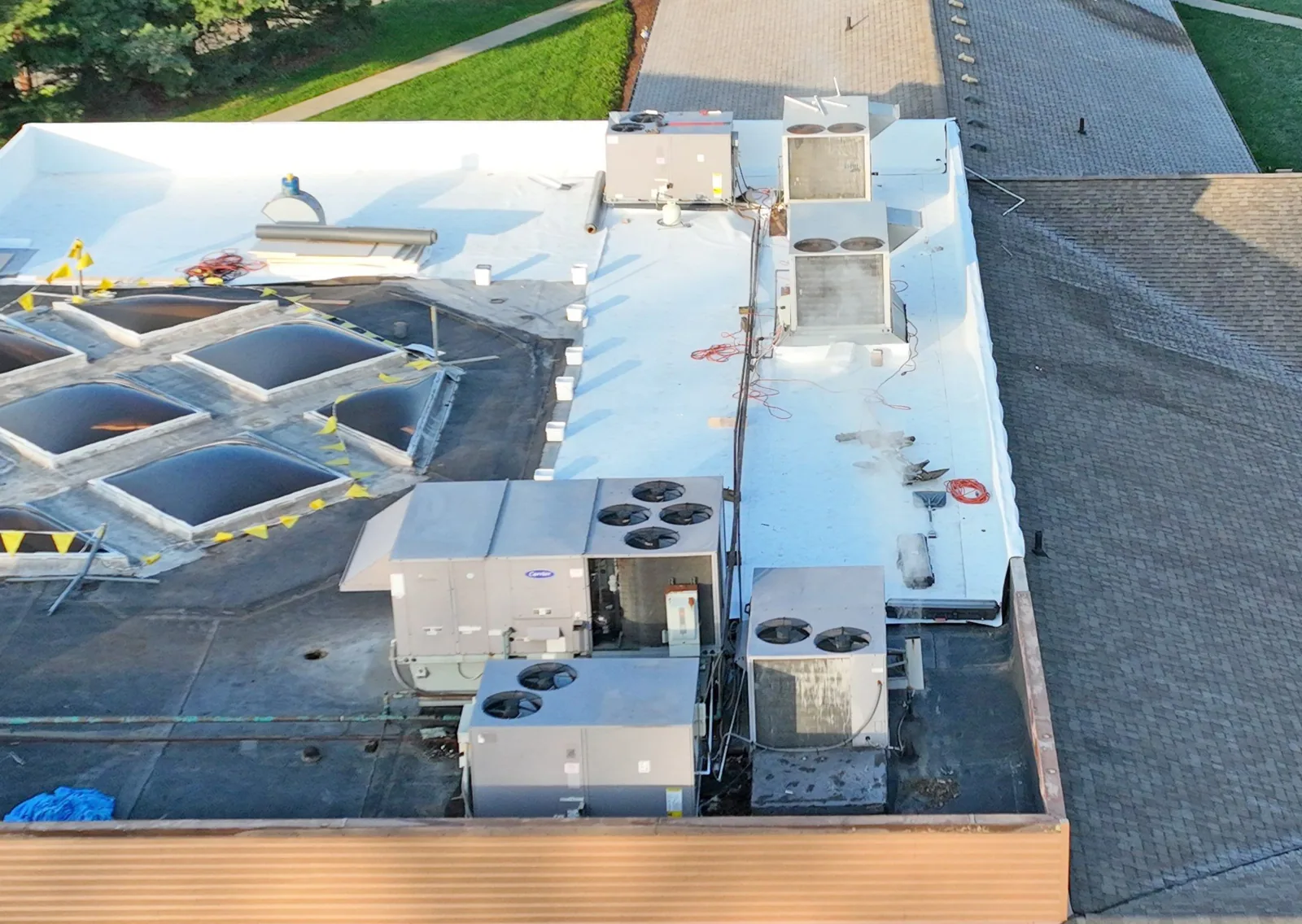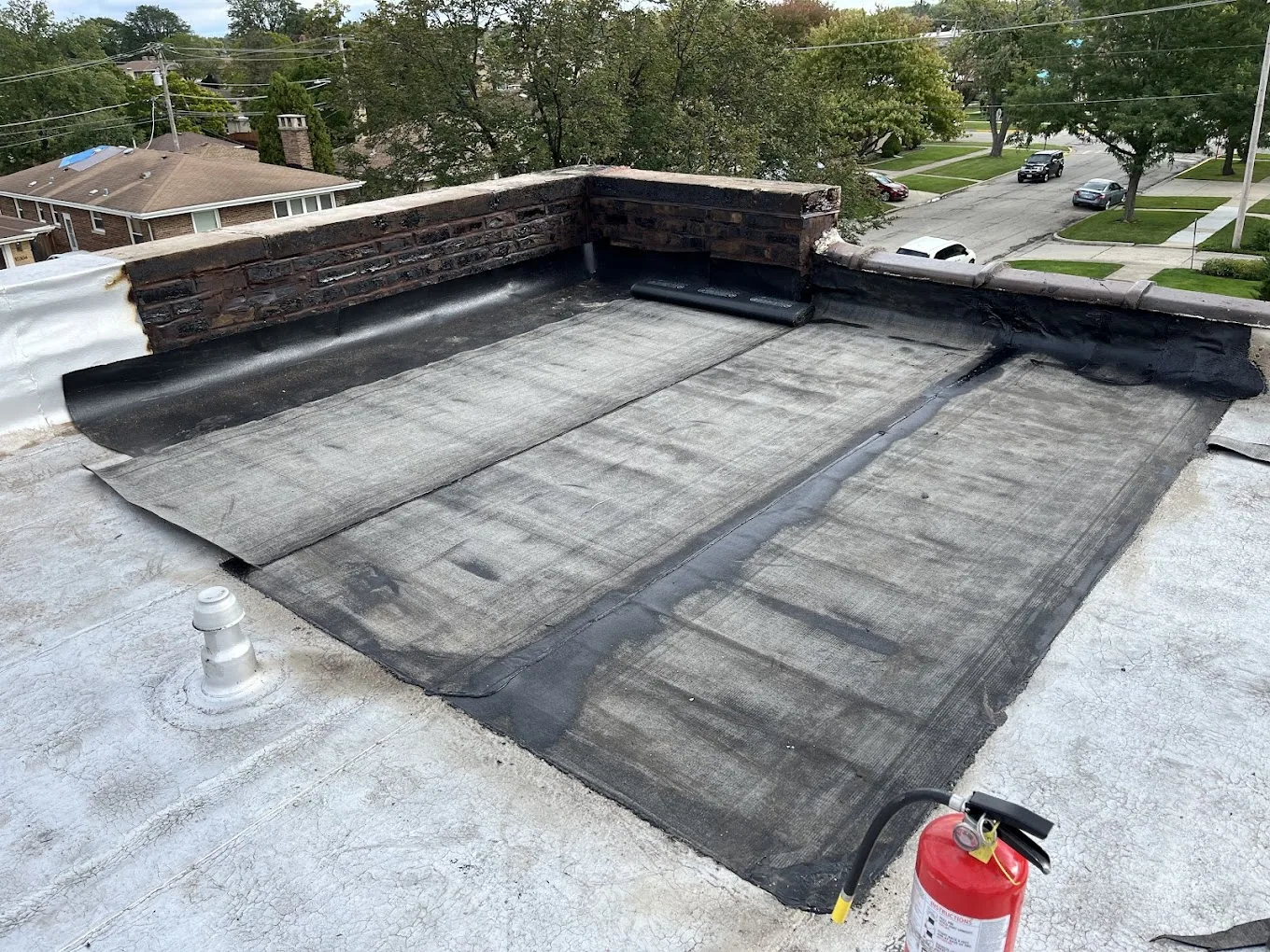
A retail roof on Midwestern Parkway and a distribution roof at the Wichita Falls Business Park ask different questions of the same membrane. GAF commercial systems include single-ply TPO and PVC, plus modified bitumen and built-up assemblies; the right choice starts with the deck, drainage and what the building does. Commercial Roofing Wichita Falls installs, repairs and maintains these systems in Wichita Falls, TX. We first read the roof that is there, then match the proposed work to its layers and operating demands.
That order matters. A product name does not tell us whether an existing roof can be recovered, whether insulation is wet, or whether a curb is too low. We document those conditions before we price an assembly. A GAF commercial roofing review is useful when the owner wants a product-specific scope, but the roof still decides the details.
Choose the Assembly First
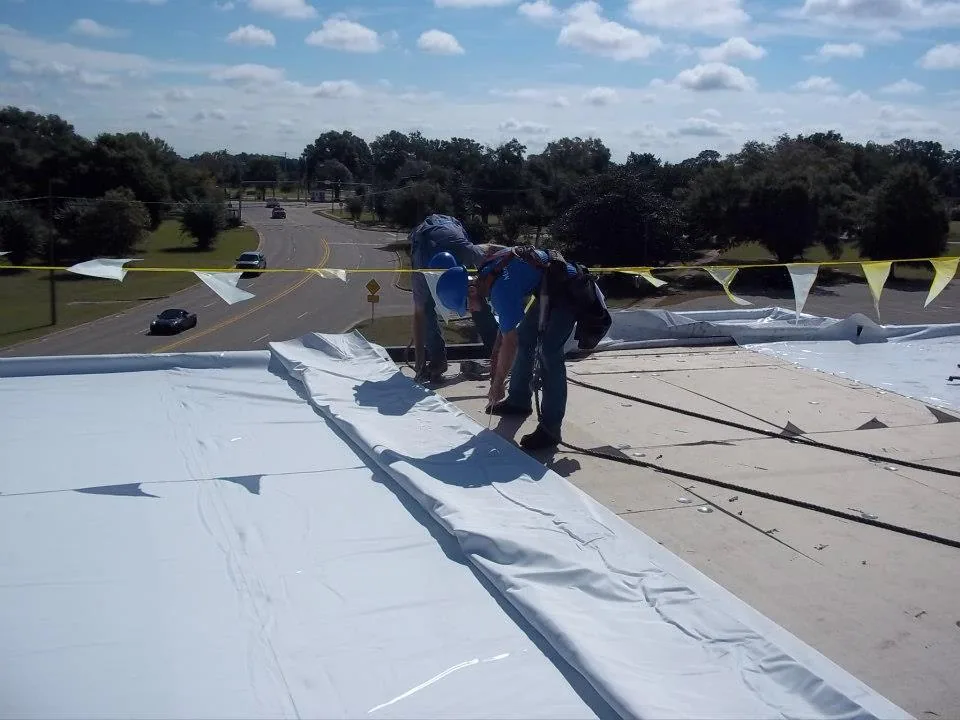
GAF EverGuard TPO is a thermoplastic membrane with heat-welded seams. EverGuard PVC is another welded sheet option, while modified bitumen and built-up roofing use layered asphalt-based construction. Each family handles seams, repairs and rooftop traffic differently. We check the deck, existing membrane, insulation, slope and edge conditions before we compare them. A membrane choice without that survey can leave the leak path or weak layer untouched.
Start with the building. Long warehouse runs may suit single-ply, while a roof with many transitions needs careful detailing. Existing layers affect whether a recover is feasible. If the deck is deteriorated or moisture is widespread, replacement may be sounder. We compare that path with a commercial roof replacement scope.
System compatibility comes next. We identify what is already on the roof, check how new insulation and cover board can attach, and verify that flashings, fasteners and edge metal work together. For owners comparing a membrane with a different assembly, the Carlisle SynTec product families and Johns Manville commercial membranes offer useful comparisons.
Welds Need a Clean Start
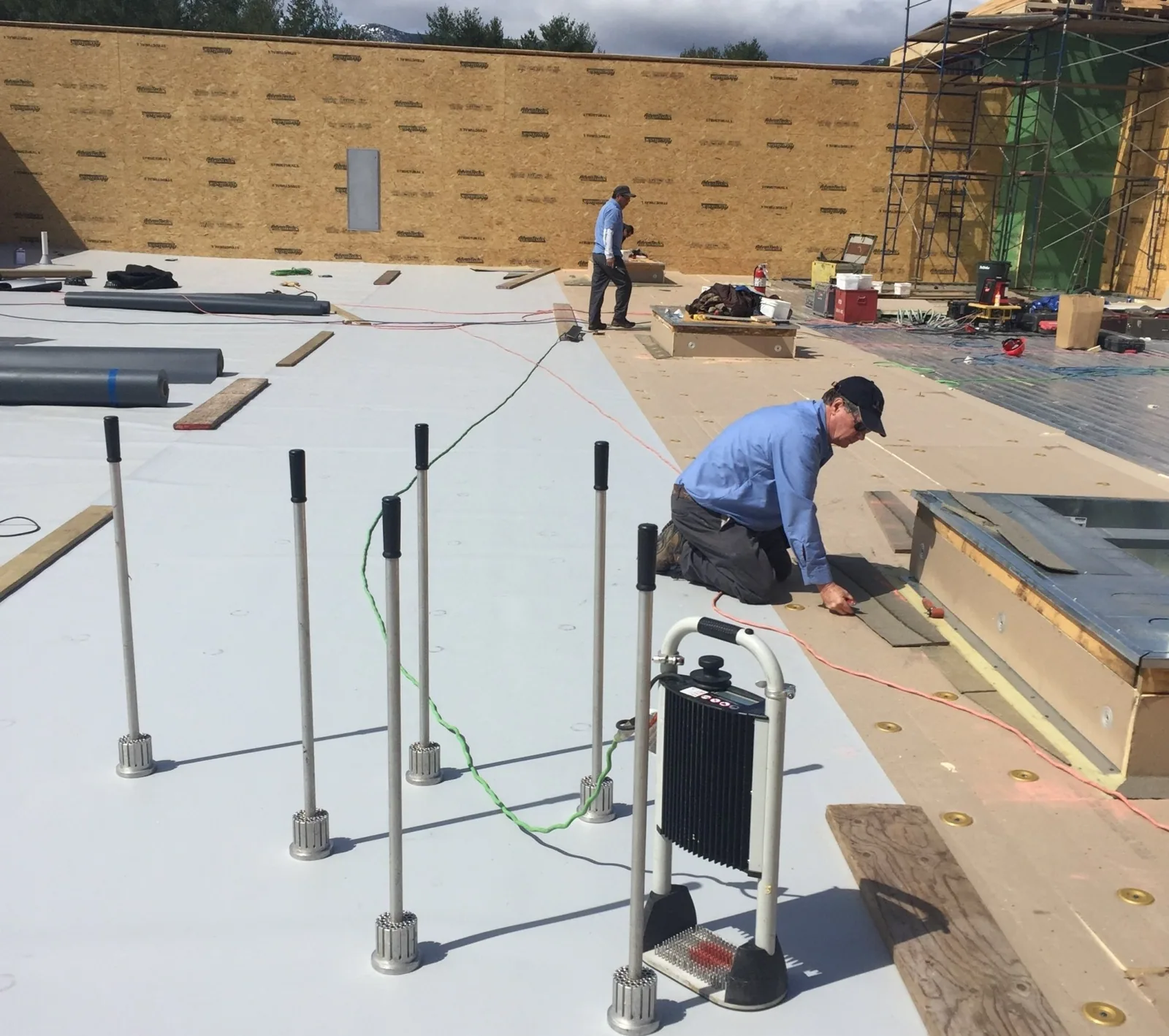
A TPO or PVC seam is made by heating the overlapping sheets and pressing them together. Dirt, moisture, uneven pressure or a poorly tuned welder can leave a channel that looks closed but is not bonded throughout. Our installer tests the equipment on a scrap piece, adjusts for the day’s conditions, and probes the cooled seam. Corners and end laps receive separate attention because their geometry changes the weld.
Heat is part of the local picture. A typical Wichita Falls year counts about 28 days at 100 degrees, and the 2011 season recorded 100 such days. That history does not prove a roof has failed. It does make material movement and work timing worth planning: sheets expand in direct sun, adhesives have temperature limits, and exposed seams need inspection as the roof cycles.
At a unit or parapet, flashing can fail while the field seam stays sound. We check terminations, corners, boots and curb height before cutting a broad section. A targeted commercial roof repair may be enough; where water moved below the sheet, we map the wet area first.
Look Under the Sheet
A dry-looking surface can cover wet insulation. We use a moisture meter, infrared survey or carefully placed core cuts to determine whether water is trapped beneath the membrane. A soft spot underfoot, a ceiling stain, or an area that stays damp after neighboring sections dry gives us a place to test. We record each result on a roof plan so replacement limits follow evidence rather than a guess.
Insulation and cover board influence energy performance and durability. Their thickness and attachment must suit the deck and assembly. A cover board gives the membrane a more stable surface for service traffic, but it cannot make a weak deck sound. We remove unsound material, correct the substrate, secure the layers, then close the membrane and flashings.
Owners managing several roofs can use the same inspection categories across buildings. A dated roof condition report identifies active leaks, moisture, seam condition and deferred work. That makes a repair list easier to compare with replacement planning, especially when one roof can be kept in service while another needs a full tear-off.
Wind and Hail Change the Walk
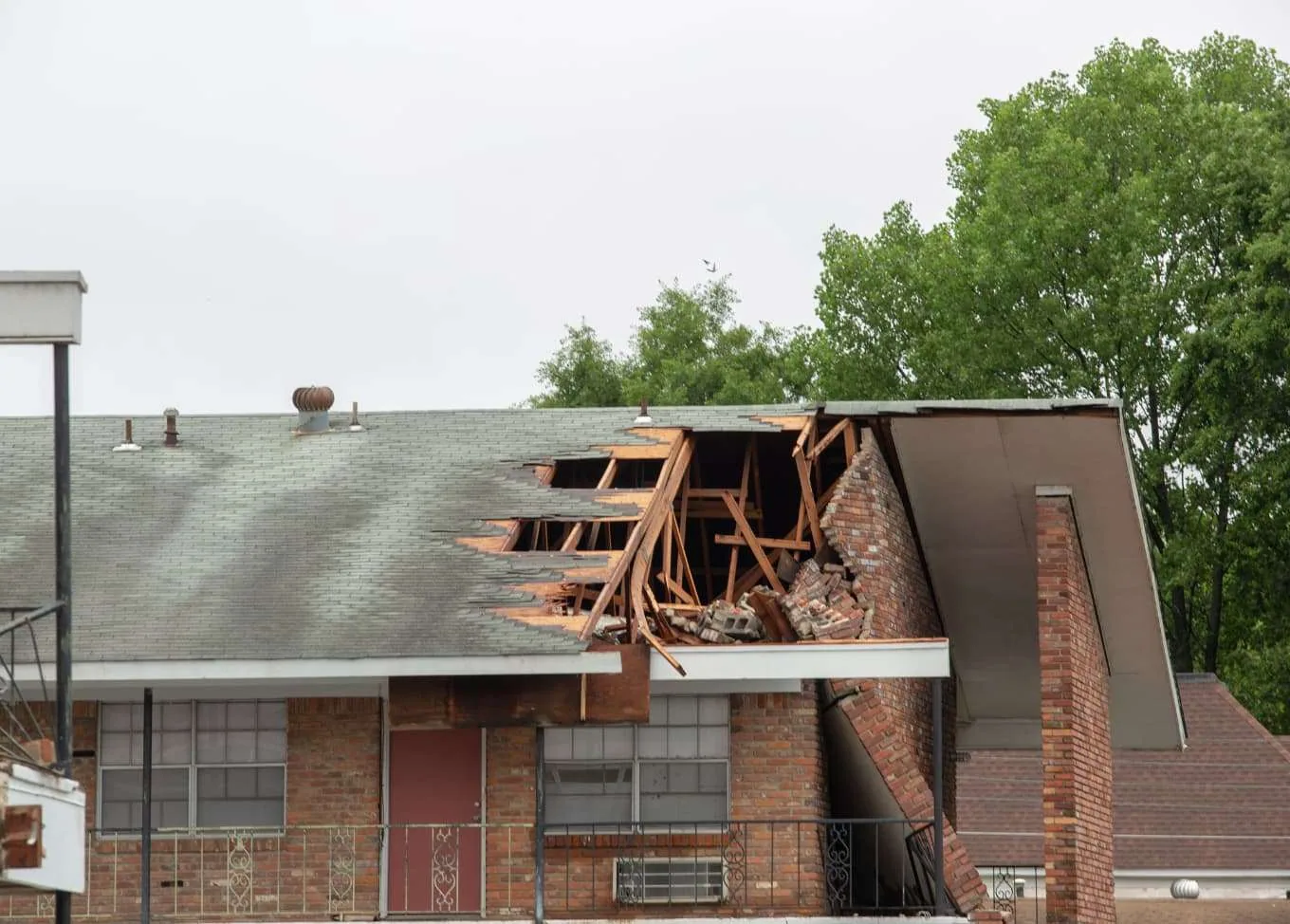
Wichita Falls has a record of severe weather, but a historical event is a reason to inspect, not a diagnosis. The April 1979 tornado passed over the southern and eastern parts of the city, where it destroyed more than one hundred commercial businesses. We do not infer damage at a particular property from that path. After a current storm, we check corners, perimeter metal, rooftop equipment, membrane punctures and displaced flashing, then photograph each item for a repair scope.
Hail calls for another set of checks. A surface mark may be cosmetic, while a bruise can weaken the membrane or insulation. The hail damage assessment records dents and splits separately from age wear. Along the Midwestern Parkway retail corridor, occupied stores need clear customer and delivery routes. Near Sheppard Air Force Base, we confirm entry and staging limits before material lifts.
Temporary protection can stop active water while a permanent scope is prepared. We mark the temporary measure, identify any wet insulation, and return when the surface and weather allow a durable repair. Around Sikes Senter and the broader corridor, the building’s current use and roof access plan matter more than its history. The roof gets checked one area at a time.
Repair, Recover or Replace
Three conditions usually settle the choice: the membrane’s remaining integrity, the amount of wet insulation and the state of the deck. A localized cut or failed flashing can support repair. A sound existing assembly may qualify for a recover if the system requirements, drainage and code conditions permit it. Widespread moisture, weak attachment or deteriorated decking pushes the discussion toward tear-off and replacement.
Cost follows those conditions: tear-off, disposal, deck repair, insulation, cover board, edge details, equipment relocation and access. We list them in the scope for a fair comparison. A coating is not a substitute for correcting saturated layers or open seams; if restoration is a candidate, we assess it separately through a roof coating restoration inspection.
Timing also depends on building operations. A warehouse may need staged work around loading doors. Retail work needs clear routes for customers and deliveries. We plan material lifts, noise, temporary exposure and end-of-day dry-in around the facility schedule. When leaks are active, our around-the-clock emergency roof response can address immediate protection while the permanent scope is developed.
Keep the Record Useful
After repair, the record shows what was removed, what stayed and how the new work meets the old roof. We photograph the substrate, insulation, seams, perimeter and penetrations, then note maintenance items for the next walk.
Routine care is straightforward. Keep drains and scuppers open, remove debris without damaging the membrane, watch for new equipment penetrations, and report changes in interior staining. Service crews use designated paths and keep tools off the sheet. A preventive maintenance program schedules checks and catches loose boots early.
Bring us the age of the roof, how the building is used and any leak dates, and we will walk the assembly, test suspect areas and explain whether repair, recover or replacement fits the evidence at your building.
Commercial Roofing Questions
Can a GAF membrane go over my existing roof?
We start with the deck, moisture readings and existing layers. After checking attachment, drainage and system compatibility, we confirm whether a recover meets the assembly requirements or removal is needed.
How do you know a welded seam is sound?
After the weld cools, we probe the seam and check it along its length. Corners and end laps get their own look because they are harder to weld evenly.
Does hail mean the membrane must be replaced?
A hail mark alone does not settle the scope. We inspect the surface and underlying layers, document any functional damage, and separate repairable areas from widespread deterioration.
What should I send before the first visit?
Send the building use, approximate roof age, leak dates and any prior repair notes. Roof plans or warranty documents help us prepare a focused walk.
Can the work happen while the building stays open?
Often, with staging. We divide the roof into work areas, protect exposed sections before leaving, and coordinate lifts, access paths and noisy work around your operation.