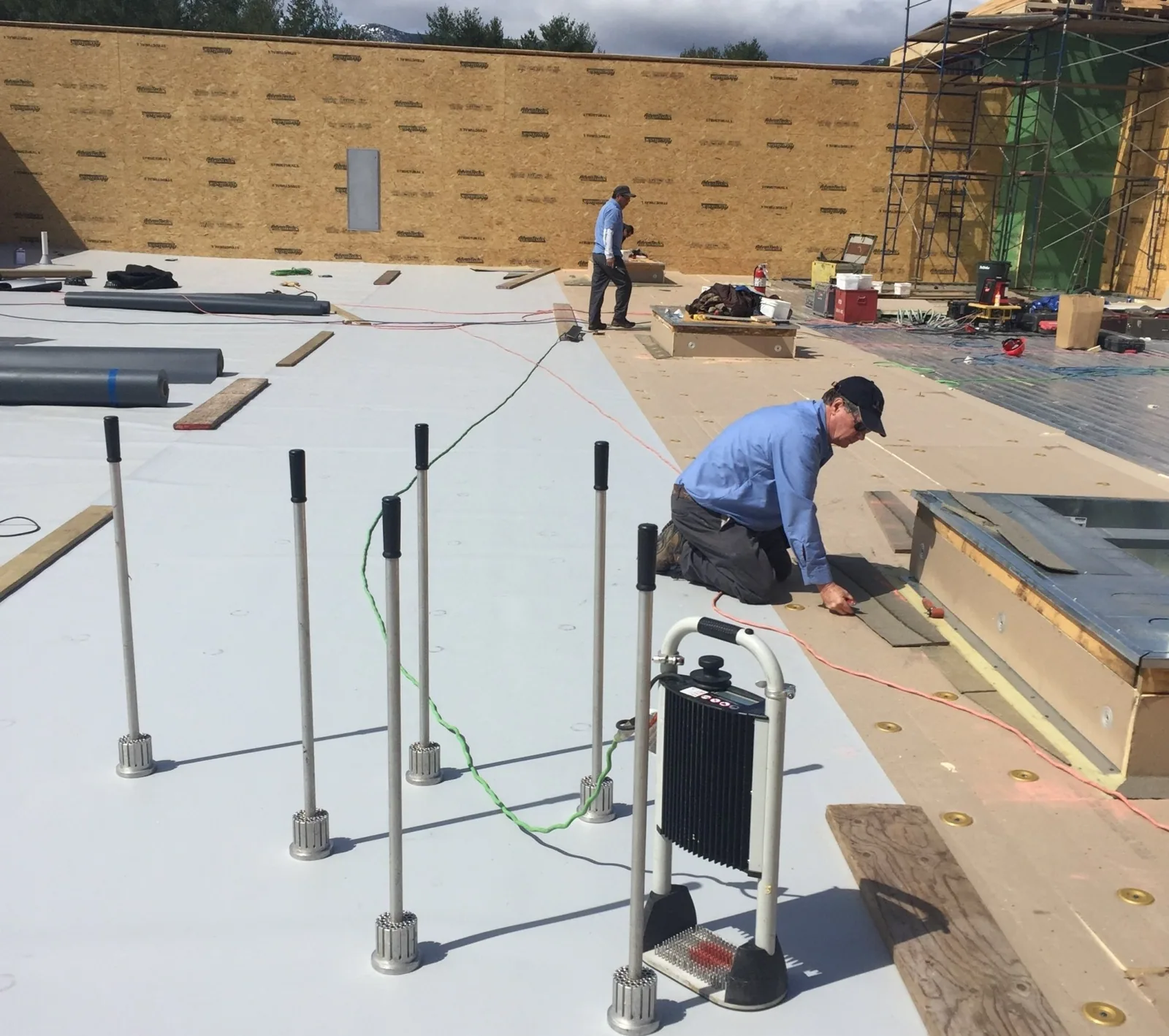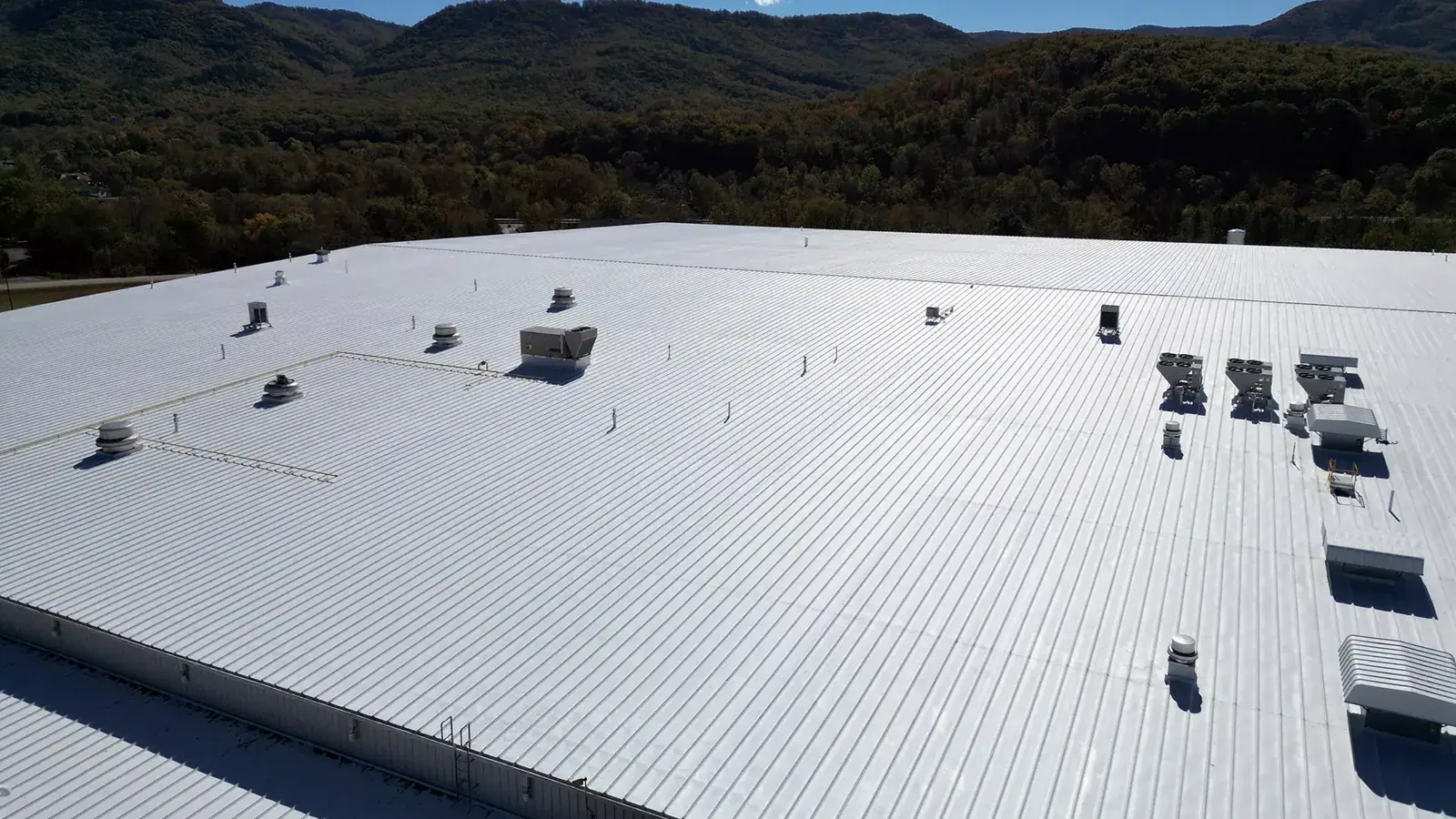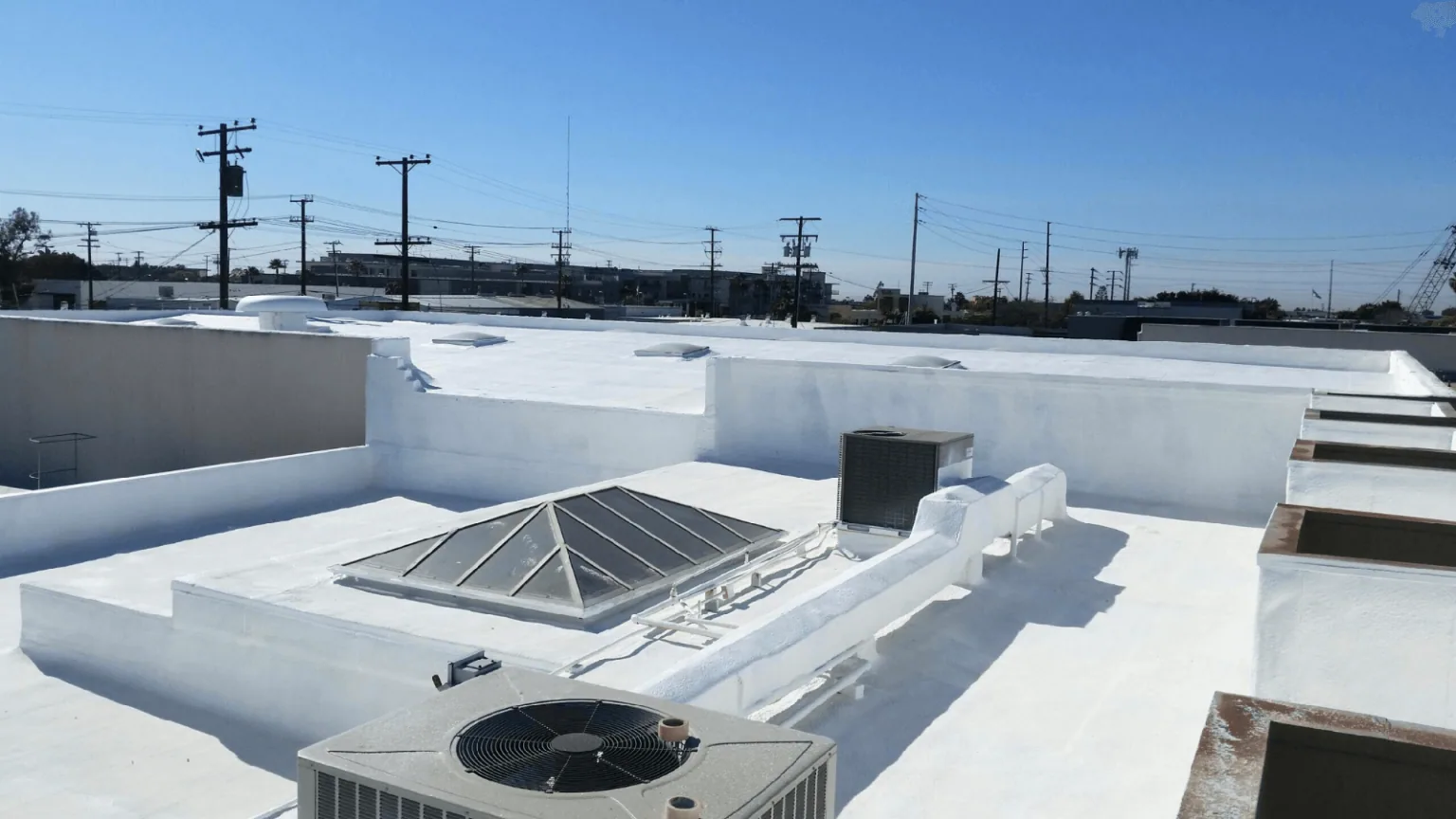
Money spent on a roof that is about to be gone is money lost, and that is where capital planning begins. Before any budget line is written, the owner needs to know how long the building will be used, what each section of the roof can still do and what happens if the work waits a year. Those three answers sort the roofs into repair, restore and replace, and they turn a nervous annual guess into a plan.
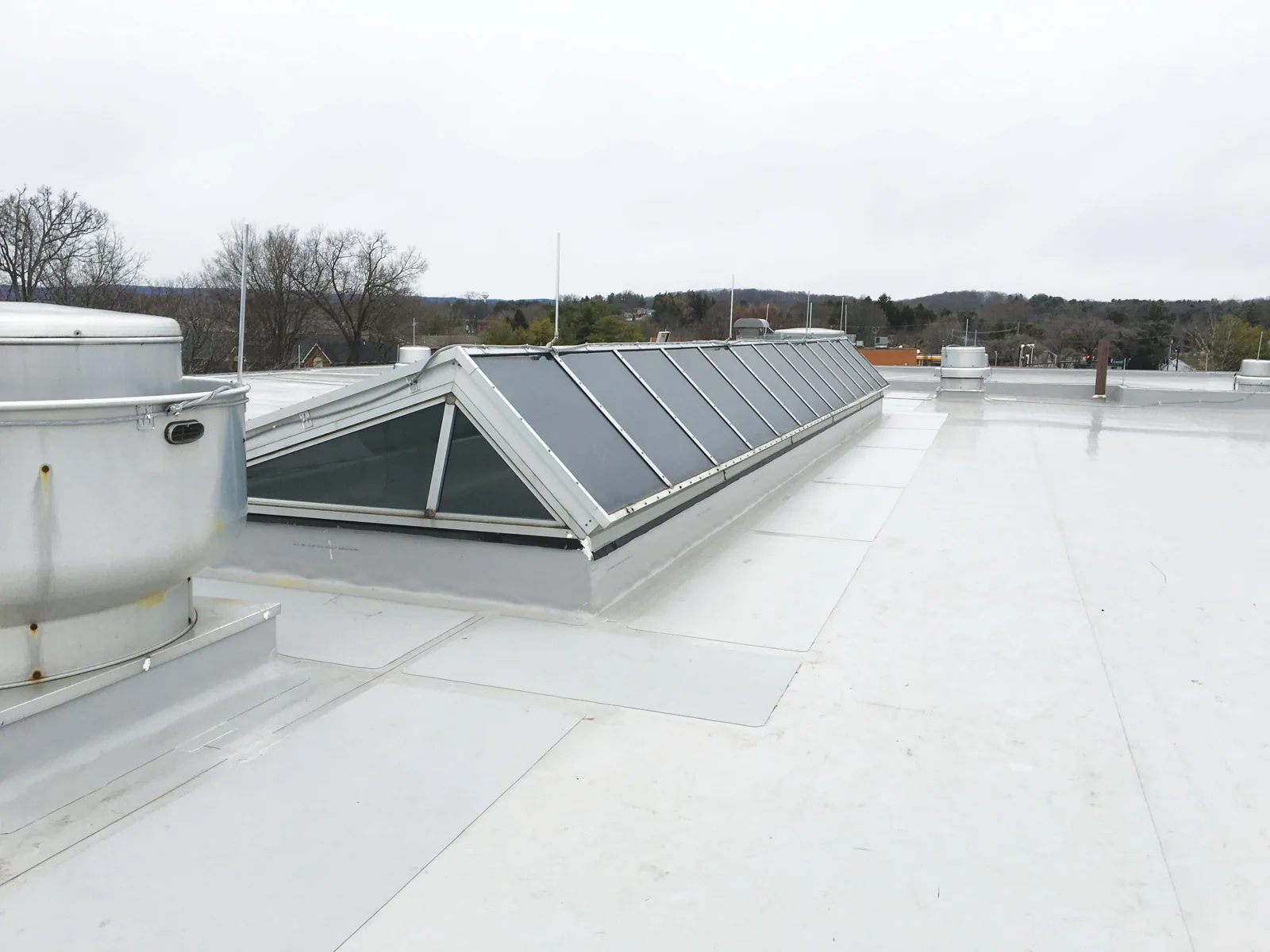
We build these plans for commercial owners in Wichita Falls, TX. The starting point is always the building, not the calendar.
The question behind the budget
A budget asks a plain question: how much should be set aside, and when? A roof cannot answer that by age alone. Two roofs installed in the same year can sit in very different states, because one drains well and one holds water, one has a shaded north side and one bakes all day, one was walked by a service technician every spring and one was never visited.
So the plan looks at condition first and age second. Condition comes from a walk, the written findings of a roof condition report, photographs, moisture readings and test cuts. Age enters only as a check on the evidence.
Step one: sort the roof into sections
Most commercial roofs are not one roof. They are several sections laid at different times, joined at walls and steps. A warehouse may have an original field and two additions. A strip center may have one section replaced after a storm and the rest left alone. We number each section and grade it on its own, the same way a roof asset management file does.
This matters for money, because a replacement budget for the whole building may be far larger than the work the roof needs now. If one section is failing and the other three are sound, the plan replaces one and watches three.
Large low-slope roofs show this clearly. The Wichita Falls Business Park, 525 acres aimed at distributors and manufacturers, suggests large low-slope roofs with several sections, and a roof that large rarely ages as one piece. A campus is similar. Midwestern State University spreads 50 or more buildings across 255 acres off Taft Boulevard, and the sections on each building are graded separately before any dollars are assigned.
Step two: estimate remaining life with evidence
Remaining life is a range, not a date. We build the range from what the roof shows: seam condition, surface cracking, fastener back-out, the ponding line and what an infrared moisture survey finds in the insulation. A dry section with a worn surface may have years left and suit a coating. A wet section has less life than its surface suggests, because water in the insulation shortens the whole assembly.
Heat is part of the arithmetic. The city hits 100 degrees on roughly 28 days a year, and 2011 brought 100 of them. Every one of those days works the membrane. The range reflects that, and it is stated with its assumptions so the owner can see what moved the number.
Step three: set the horizon
The horizon is how long the owner expects to keep the building. It changes the answer more than any other input. Sikes Senter is a public example: the single-story enclosed mall, about 670,000 square feet, opened in 1974, the city bought the property in October 2025, and demolition has been discussed beginning near the end of 2027. On any building with a horizon that short, a full replacement would be money spent on a roof that cannot finish its life. A repair-only plan would be the sensible one.
The opposite case is a building held for decades. There, a restoration or a replacement can be spread across years and chosen for long service. For a retail owner along the Midwestern Parkway retail corridor, the horizon often follows the lease terms.
Repair, restore or replace
Here is one clean rule. Repair what is local, restore what is sound but tired, and replace what is wet or failed. Each choice has a cost driver. Repair cost follows the number of details and the access. Restoration, such as a roof coating restoration, follows the area and the surface preparation. Replacement, whether a full commercial roof replacement or a roof recover over a dry roof, follows the system chosen, the insulation, the drainage changes and the access for tear-off.
Putting these side by side for each section shows where money buys the most roof life. It also shows where it does not.
Step four is to write each choice as a line with a year beside it. "Section 3, restore, year two. Section 5, replace, year four, recheck in year one." That plain format is what a finance team can approve, and it is what a lender can read.
Storm history in the plan
History belongs in the plan as context, not as a verdict on any roof. Baseball-size stones hit Iowa Park and Burkburnett hard in April 1991, and Electra had a quarter hour of golf-ball hail in March 1982. The F4 tornado of April 10, 1979 ran across the south and east sides of the city. None of that proves damage on a given roof today, which is why the plan asks for evidence from each roof.
What it does is set a reserve habit. A plan that holds a line for storm repair, and that photographs each roof every year, lets an owner tell a new hail bruise from old wear when a hail damage roof repair or an insurance review comes up.
Spreading the work across years
Large campuses show the sorting clearly. North Texas State Hospital's Wichita Falls campus, a 330-bed facility that opened in the 1920s, is slated for a new hospital building behind the existing structures, with $425 million set aside by the Texas Legislature in 2023. A campus with a building from the 1920s and a new one planned has buildings of very different ages, and roof planning starts by asking what is under each. A school or government building works through the same sorting each budget cycle.
For a private owner, the same method sets the order: urgent sections first, restorable sections next, and long-life sections last. The schedule also follows the weather. Spring brings tornado-season wind and hail, summer brings heat, and the wettest month on record, May 2015 at 17.00 inches, is a reminder that drainage work belongs ahead of the wet season.
Commercial Roofing Questions
How far ahead should a roof plan look?
Five years is a common planning window, and the range should extend beyond it for any section likely to fail inside it. The horizon of the building sets the limit.
Is a recover cheaper than a tear-off?
Often, yes, when the old roof is dry and the deck can carry the new layer. A moisture survey and test cuts confirm both before a recover is proposed.
What if the budget is smaller than the plan?
The plan is reordered, not abandoned. Urgent sections go first, and the rest are watched with a dated recheck.
Does a coating count as capital or maintenance?
That depends on the owner's accounting rules. We describe the work and the life range, and the owner's accountant assigns it.
Can the plan change after a storm?
It can. A storm entry in the record can move a section up the list, and the plan is updated with the new photographs.