A public building has a roof, a budget year and a governing body, and the roof decision has to work for all three. The facility manager sees leaks, the council or commissioners see a line item, and the public sees a building that either works or does not. In Wichita Falls, TX, the city of Wichita Falls employs about 1,217 people, which ranks fifth among local employers, and its offices, shops and service buildings all sit under roofs that need a plan. Start by sorting the buildings by use. Then match each roof to the way the money will move.
Sort the Buildings by Use
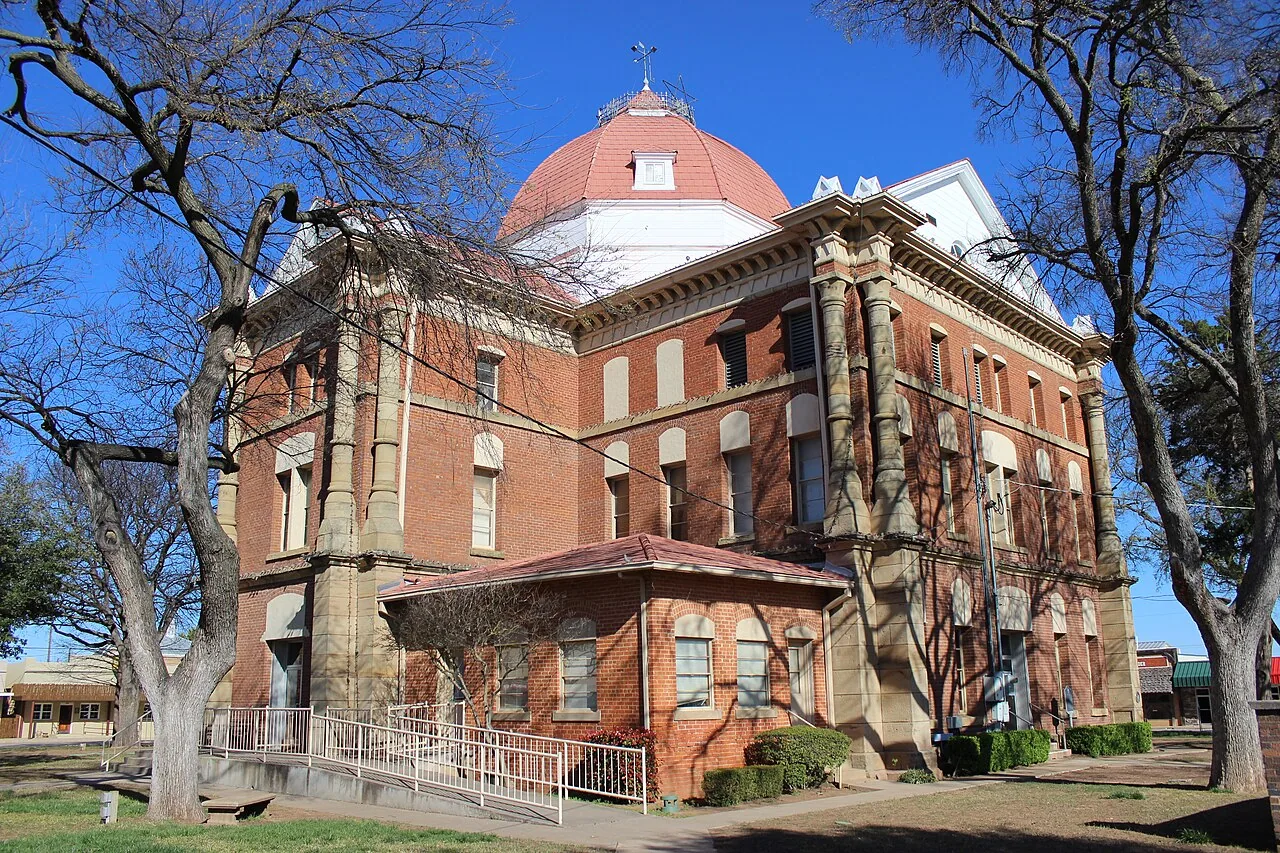
Government property is a mix. Wichita Falls is the Wichita County seat, and a public portfolio typically holds offices, courtrooms and records rooms alongside fire stations, maintenance shops, libraries and recreation buildings. Henrietta is the Clay County seat and Archer City is the Archer County seat, and each county seat carries its own public buildings.
Each building type puts a different demand on the roof. An office or courtroom cannot take a drip near records or equipment. A maintenance shop or vehicle bay has tall doors and a large, open roof span. A fire station must stay ready at all hours. A library holds irreplaceable material. We list the buildings in the portfolio, label each by use, and note which ones the public enters daily.
What the Roofs Are Made Of
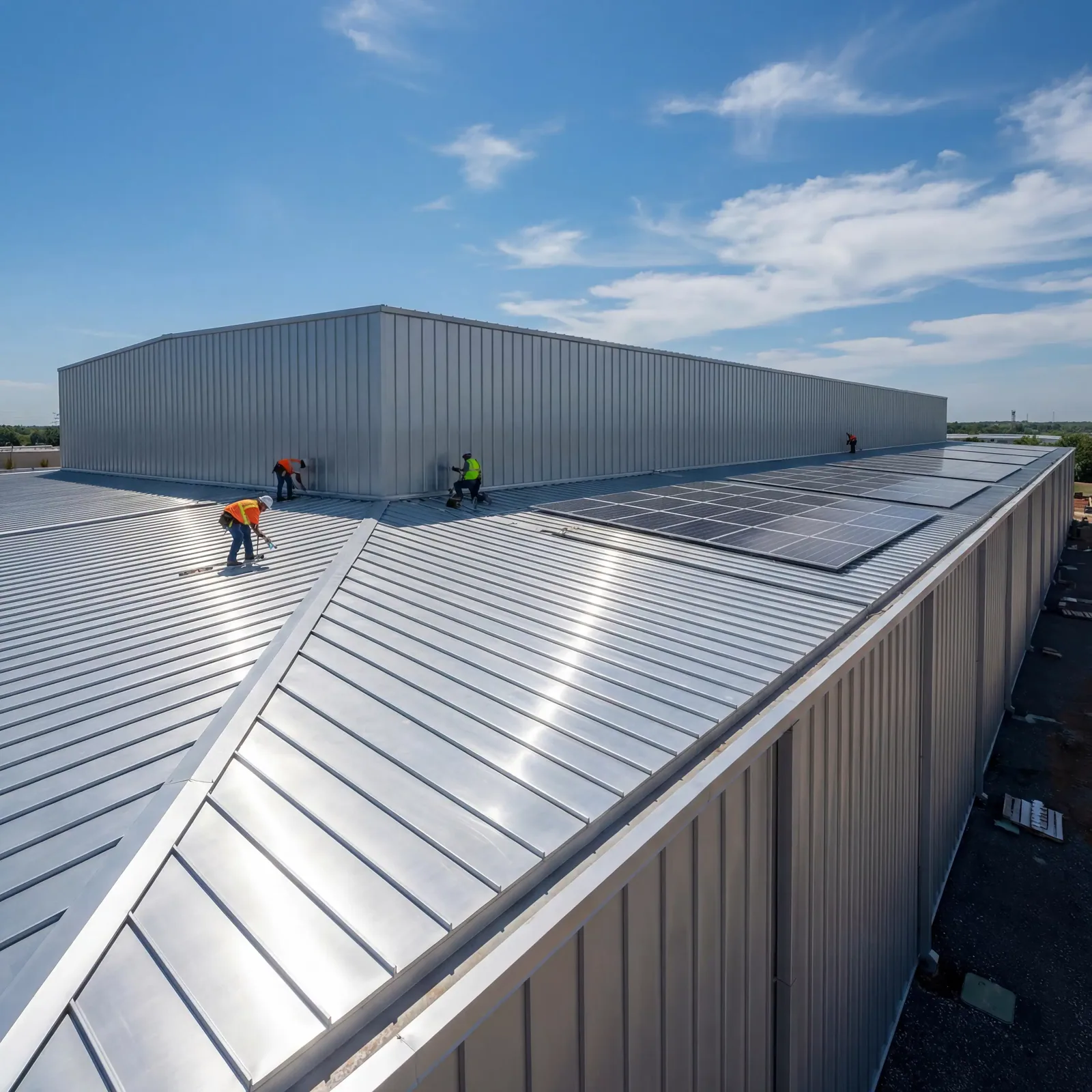
Public buildings range widely in age. Older courthouses and city halls may have a flat roof behind a parapet, a built-up or modified bitumen system, or a pitched roof with masonry details, though the age and type of any given building must be confirmed on the roof. Newer service buildings often carry standing seam metal or a single-ply membrane over steel.
The layer underneath matters because public buildings are held for decades. A roof that has been patched many times may have wet insulation beneath, and the surface will not say so. We use moisture scans and a small number of core cuts to find out. The result is a clear picture of how much of the roof is still doing its job, which is what a board needs before it commits funds.
What Fails in a Public Building
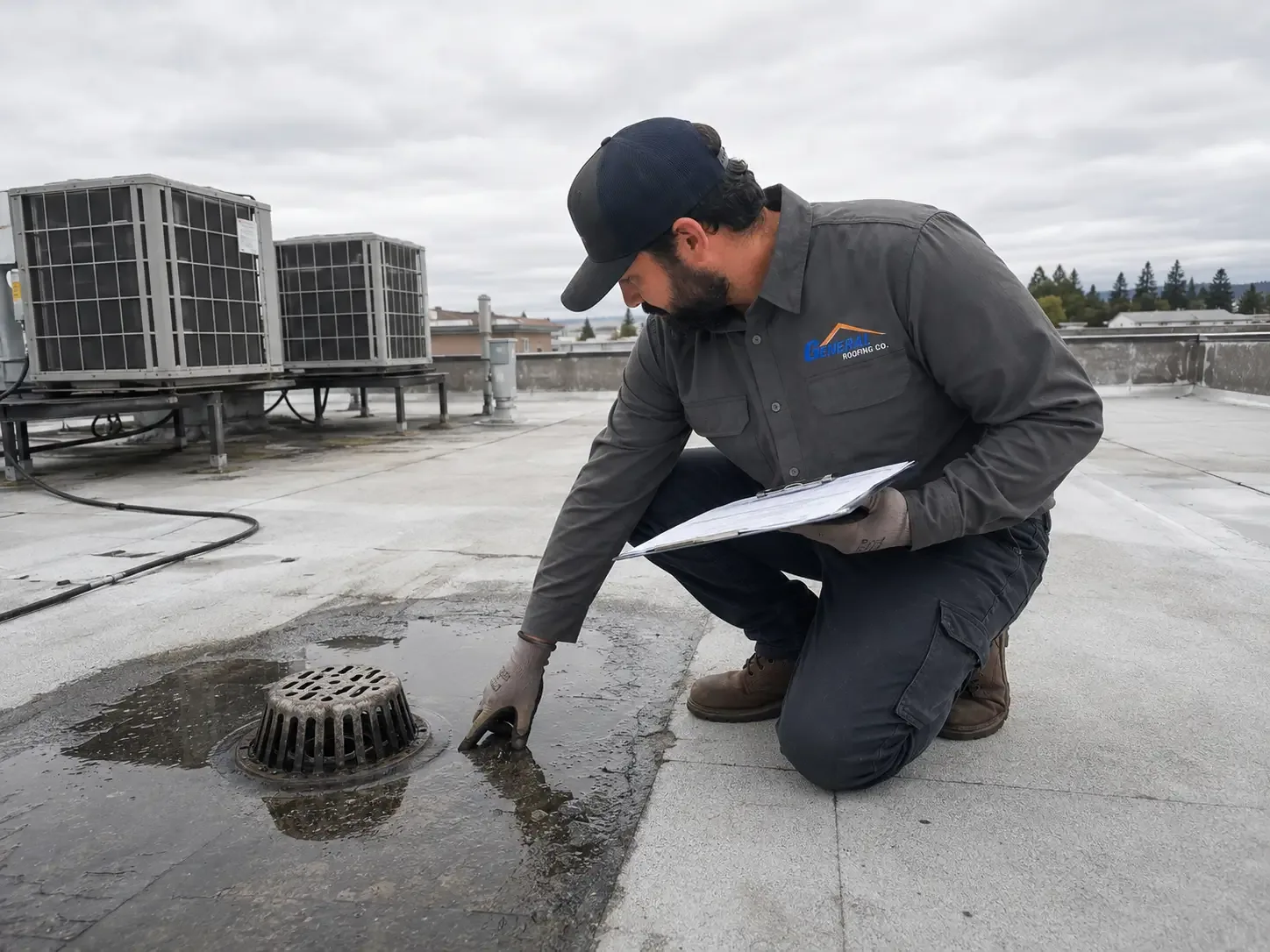
In a facility with limited maintenance staff, drains and gutters are the first to fail. Leaves, debris and trash build up, water stands, and old flashings absorb it. The second failure is the one nobody sees: a rooftop unit installed by a different trade crew, with a curb that was never sealed to the membrane properly.
Hail and wind add to that wear. Sheppard Air Force Base took hail larger than baseballs on March 29, 1993, and Burkburnett and Iowa Park were struck two years earlier. Neither event is a diagnosis of any roof now. After any new storm, the facility team walks the roofs, photographs findings and sends them in. A commercial roof inspection on a set schedule gives the board a record of how each roof is aging, which helps in budget hearings and in any later claim.
Maintenance shops and vehicle bays deserve a separate look. Their roofs are often wide metal spans with long runs of fasteners and tall overhead doors, and the door headers are places where wind-driven rain gets in. Exhaust fans over bays and welding areas add penetrations that old sealant cannot hold for long. We check each bay door header and each fan curb by hand, and we record the findings by building number so the facility team can find them again.
Keeping Critical Buildings Dry
Some public buildings cannot close. A fire station, a dispatch room, a records room and an emergency shelter must stay dry and usable even when a roof is failing. For those buildings, a plan is written before any leak: where the water goes, who moves the equipment, who calls us and what temporary cover is available.
Our emergency response runs at any hour, holidays included. A temporary cover buys time while a permanent repair goes through the approval process. That gap between a leak and a purchase order is where public buildings get hurt. A standing list of approved repair steps and spending limits keeps the gap short, and it keeps records, evidence and equipment from being damaged while a decision waits. Where a building also serves as a shelter, the roof gets first priority in the plan.
Repair, Recover or Replace on a Public Budget
Public money goes furthest when replacement is limited to what is wet beneath. Dry insulation with failed details calls for repair. Where the base is dry and sound, a recover saves tear-off cost, and a roof wet over a wide area needs full replacement, scheduled sooner rather than later so less insulation is damaged.
Public budgets reward clarity. We write each roof as its own item, with the area, the proposed work, the options and the reasons, in plain terms that a council member can follow, and we can present it at a work session or a budget meeting if the board asks. Cost drivers are area, access, the amount of wet material, the number of penetrations, and the complexity of tie-ins to adjacent roofs. The scope is written so it can be put out for comparison, with the same line items for every bidder.
Procurement, Records and Access
Public work follows its own steps. There may be quotes, bids, cooperative purchasing, board approvals and insurance requirements. The paperwork matters as much as the roof, so we keep dated photographs, written findings and a clear scope that can be attached to a public file. Records need to be easy to retrieve, because open-records requests and audits can come years later.
Access is planned like any occupied building. Courthouses and offices have security screening, and visitors cannot wander into a work zone. A school and a church have their own calendars, while a city building follows public hours. A written schedule and a single point of contact are standard for public agencies, and we supply both before the first day. If an inspector or an insurance adjuster needs to walk the roof, we coordinate the visit and bring the photographs so the facility manager is not left to explain the findings alone.
Commercial Roofing Questions
How does a board compare bids for a roof it cannot see?
Ask every bidder to price the same line items: area, tear-off, insulation, edge metal and details. A moisture scan report gives all bidders the same facts to work from.
What happens if a leak starts before funds are approved?
A temporary cover stops the water while the approval proceeds. We document the opening with photographs so the permanent repair can be scoped and justified without delay.
Can one roof program cover many buildings?
Yes. We rank each roof by condition, age and use, then price the work in phases. The board can fund the worst roofs first and plan the others across several budget years.
Do court and records buildings need special handling?
They need extra protection. Records rooms and equipment get covers before any cut opens, and the work is scheduled to avoid hearings and public hours.
What should a facilities director send first?
A list of buildings with their uses, the roof ages you know, past leak reports and any approved vendor requirements. That lets the first visit answer a specific question.