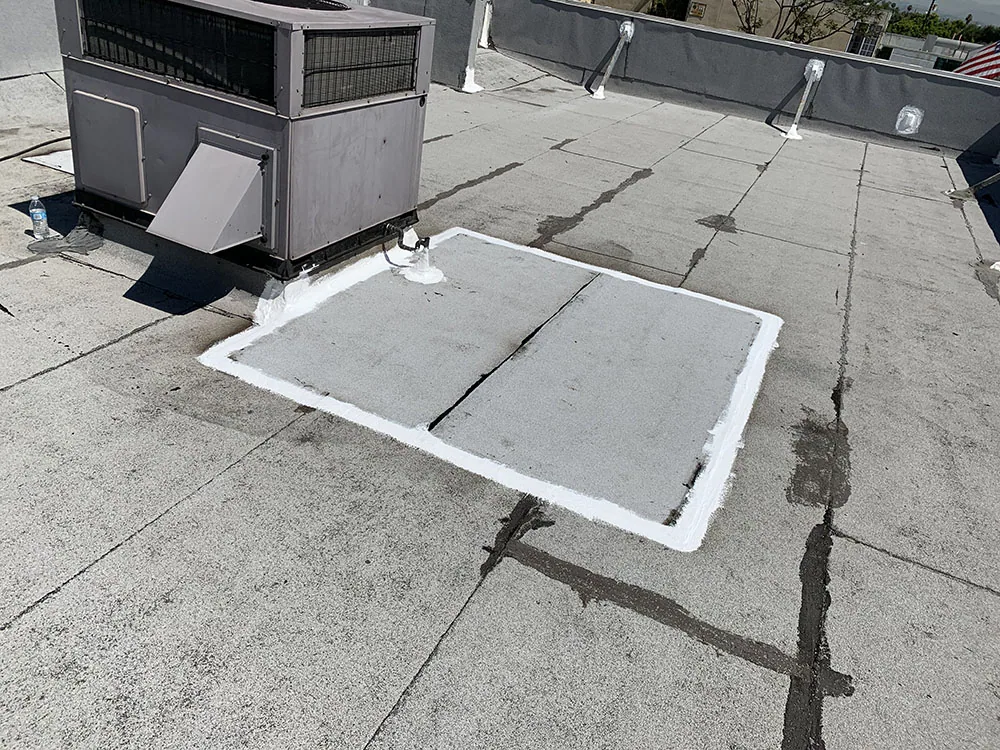
A roof with no file behind it costs more every year, and the reason is simple. Nobody can say what was repaired, what was tested or what the roof looked like the last time someone climbed up. Roof asset management fixes that. It treats the roof as a building component with a history, a condition and a job left to do, and it records all three in one place. Here is the one clean rule: if a repair is not written down with a location and a date, it did not happen.
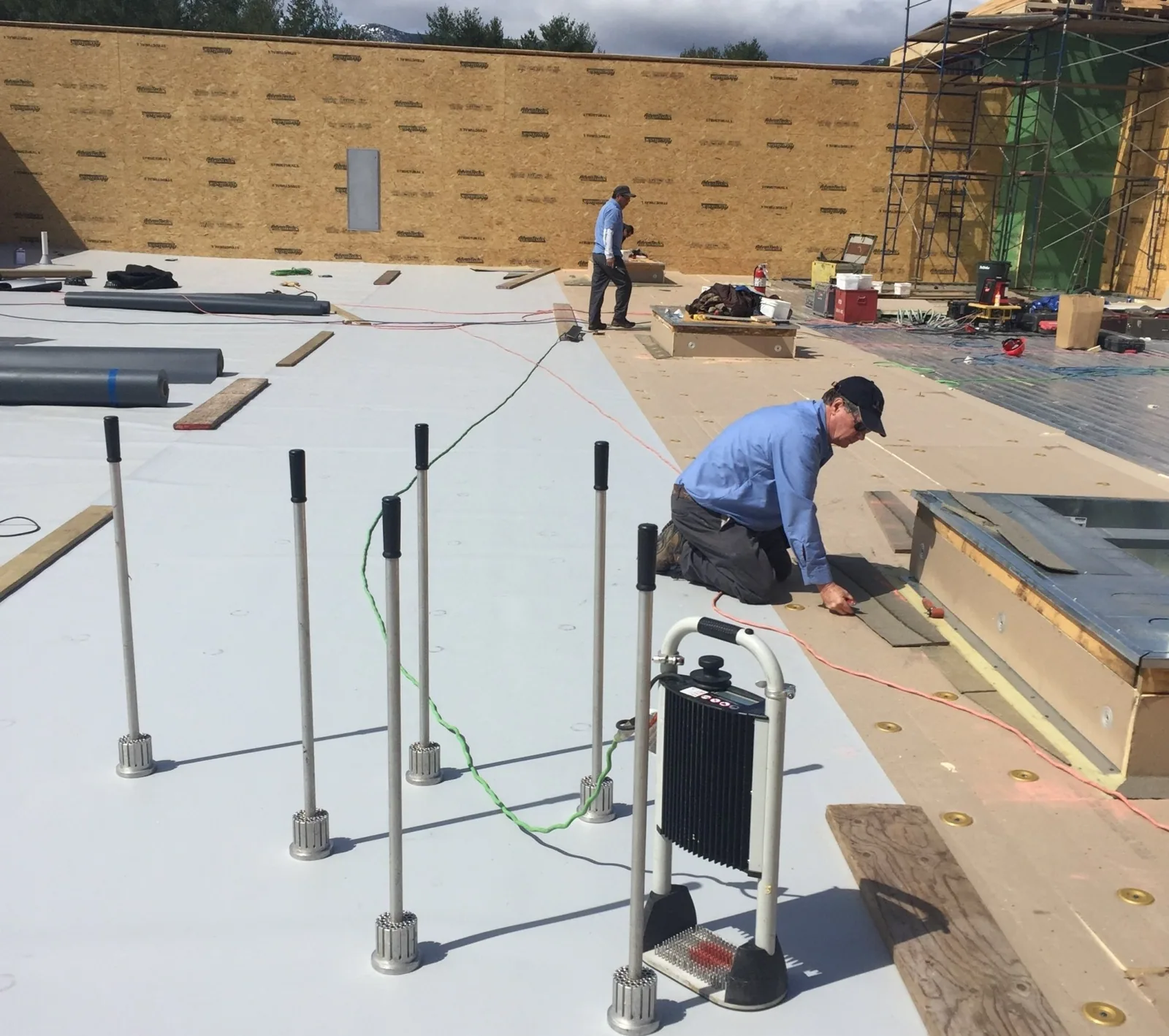
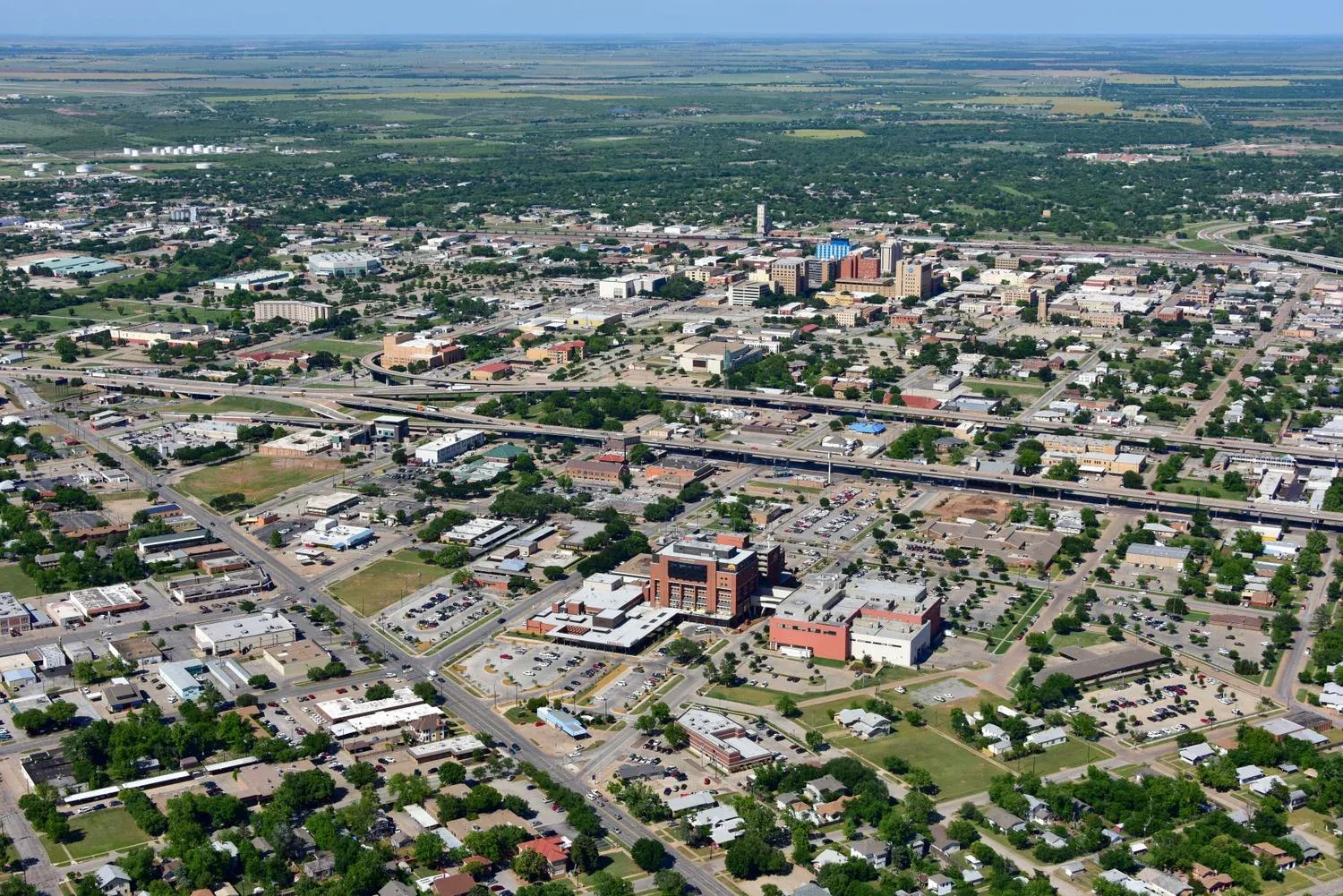
We keep these records for commercial owners in Wichita Falls, TX. The goal is a file that the next manager can read without calling anyone.
What a roof record is
A roof record has three parts. The first is a plan of the roof: sections, drains, penetrations, equipment and the places where one roof meets another. The second is a condition grade for each section, backed by photographs. The third is a log of every visit, repair, test and leak report, each tied to a spot on the plan.
Put together, those parts answer the questions an owner actually asks. Where did the last leak come from? Which section is closest to the end of its life? What did the repair three summers ago involve? Without the record, each answer starts with a guess. With it, each answer starts with a page.
The record also changes who does the remembering. Managers move, contractors change and tenants turn over. A roof with a record keeps its memory in the file instead of in one person's head, and that is what makes it an asset instead of a recurring surprise.
Step one: draw the roof
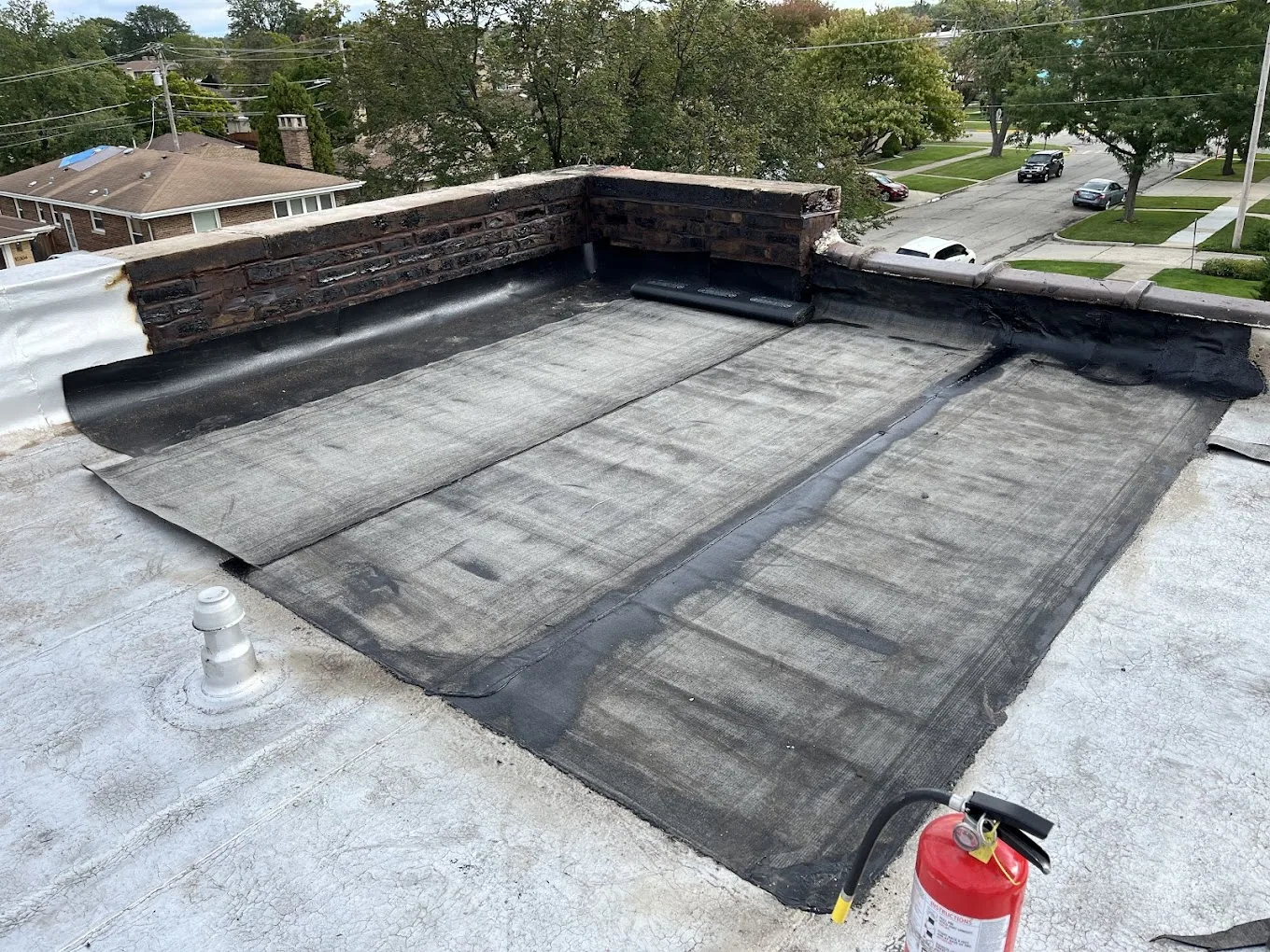
Start with the building and draw what is on top of it. On a large low-slope roof, the drawing shows every rooftop unit curb, every drain, every skylight and every wall where the membrane turns up. Large low-slope warehouse and plant roofs are what the Wichita Falls Business Park, at 525 acres and aimed at distributors and manufacturers, points to. On a roof that size, the plan is the only way to say "the northwest drain" and have everyone agree on which one.
We walk the roof, mark each feature and number the sections. If no original drawings exist, the plan comes from the walk. Owners of buildings in the Wichita Falls Business Park can start here, because a large roof with no drawing is the hardest to discuss.
Step two: grade each section
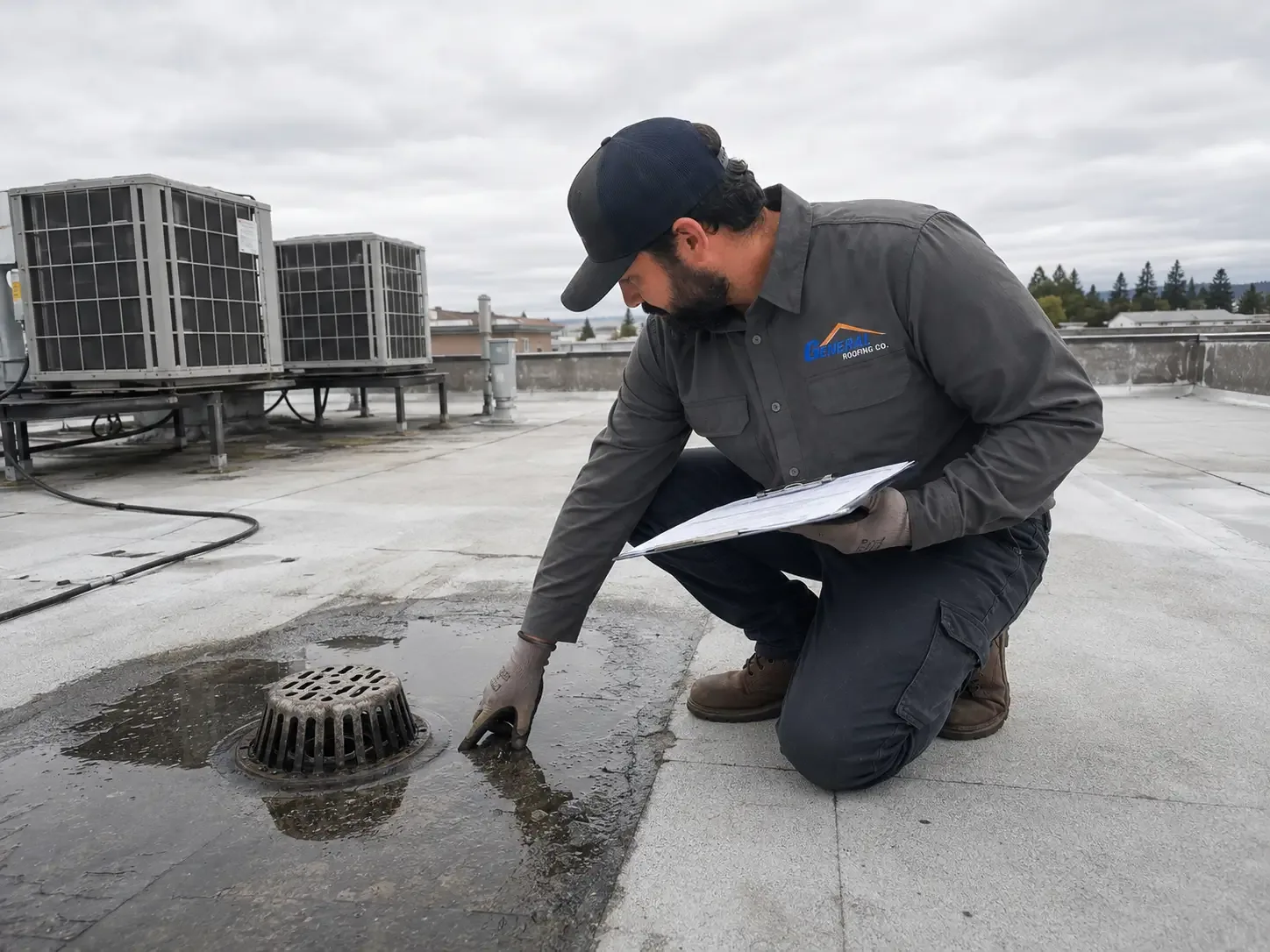
Every section gets a grade. We use plain words: sound, watch or repair. The grade comes from a simple test repeated on each section. We look at the seams, press along the flashing, check the surface for cracking or granule loss, and mark the ponding line where water has stood after rain. Fasteners that have backed out are counted. Soft spots underfoot are probed.
The photographs go with the grade. Two years from now, the same corner is photographed again from the same spot, and the difference shows what changed. A commercial roof inspection supplies the first set of grades, and the full written findings follow the format of a roof condition report.
Grades are not a score out of ten. They are a decision tool. A "sound" section needs only its scheduled visit. A "watch" section has a known weak point, such as a seam with a small open edge or a drain bowl that holds a skim of water, and it gets a closer look each season. A "repair" section has a condition that will let water in, and it gets a scope. Three words are easy to explain to a tenant, a lender or a board.
What goes in the log and the photographs
The log is short on purpose. Each entry takes a few lines and covers the same points every time:
- The date and the person who walked the roof.
- The section number and what was seen there.
- Any moisture reading, test cut or core, with its location.
- The repair made, the material used and a photograph of the finished work.
- What the next visit should check.
That last line is the one that gets skipped, and it is the most useful. A note that says "recheck the north seam after the first heavy rain" turns a repair into a plan.
A good photograph answers a question later. It shows a wide shot to locate the spot, a close shot of the detail and something in the frame for scale, such as a tape or a gloved hand. Each file name carries the section number and the date. The camera angle is the same on every visit, so a hairline crack photographed in spring can be compared with the same crack in fall.
We also photograph the layer underneath whenever a test cut is made. Insulation color, deck condition and the thickness of each layer go into the record, because the next owner will want to know what is under the membrane before planning a recover or a replacement.
Why Wichita Falls needs the habit
Heat does the slow work here. In an average year the city sees roughly 28 days at 100 degrees, and 2011 made it the first Texas city to count 100 days that hot. A dark membrane expands and relaxes with every one of those days, and the log shows which seams and flashings are tiring first.
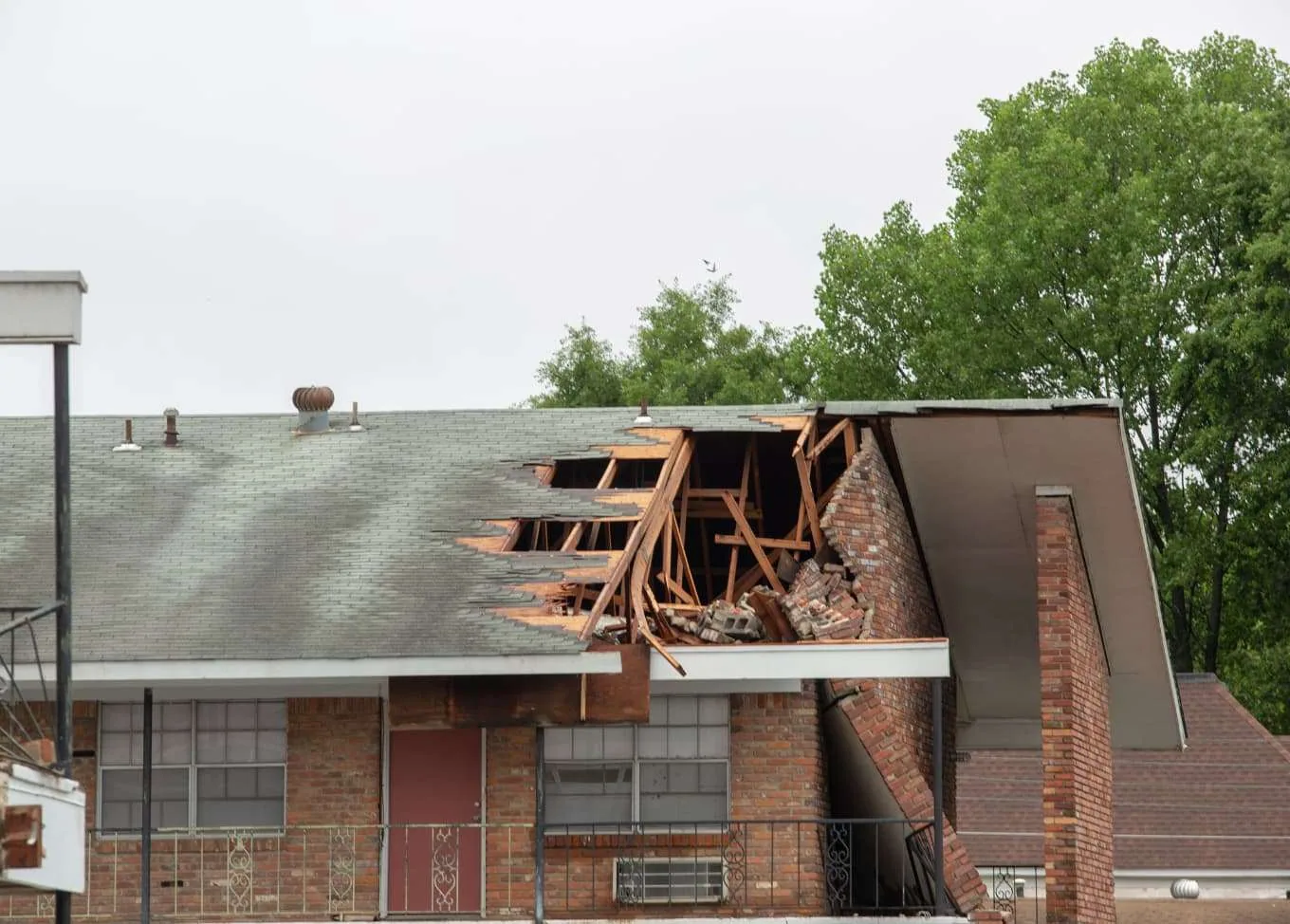
Hail and tornadoes are the sudden part. Hail as big as baseballs hit Iowa Park and Burkburnett in April 1991, and the tornado of April 10, 1979 tore a path eight miles long through the city's south and east. Those events are history, not an inspection of your roof. A record lets you separate a storm bruise from slow wear, which matters for any hail damage roof repair that follows.
Repair, watch or replace
Once sections are graded, decisions get easier. A sound section stays on the maintenance schedule. A watch section is photographed more often and sealed at weak points. A repair section gets a scope, and a section that has failed repeatedly goes into a replacement plan. Small fixes are handled through commercial roof repair, and a regular preventive maintenance visit keeps the log current.
The same grades feed roof capital planning, because a budget built on graded sections is a budget built on evidence.
Here is what it means for you. When the roof is graded and logged, the answer to "should we fix it or replace it" stops being an argument. It becomes a comparison of sections, dates and photographs that any owner can follow.
One record for several buildings
An owner with a retail building on Kell Boulevard and another along Midwestern Parkway does not need two systems. The format is the same for both: a plan, grades and a log. Only the roofs differ. Retail along the Kemp-Kell corridor and the Midwestern Parkway retail corridor can be compared side by side, so the owner sees which roof needs money first.
Commercial Roofing Questions
What if the roof has no drawings?
We build the plan from a walk of the roof. Sections, drains and equipment are measured and numbered, and the plan becomes the base for every later visit.
How often is the record updated?
After every walk, repair and leak report. A scheduled visit each spring and fall means the file never goes a full season without a new entry.
Does the record replace inspections?
No. Inspections feed it. The record holds the results, so each inspection builds on the last one.
Who can read it?
The owner, the property manager and anyone the owner chooses to share it with, such as a lender or insurer.
Can a small building use this?
Yes. A single-section roof gets a short plan and a short log. The method scales down as easily as it scales up.
What does it cost to start?
The first walk is the main effort. Cost drivers are the size of the roof, the number of sections and whether test cuts are needed. A written scope names each before work begins.