One owner, one program, many roofs. That is the idea behind a multi-site roof program, and the lesson is simple: the buildings differ, so the program cannot treat them alike. A small retail strip, a distribution warehouse and a medical office may sit on one owner's balance sheet in Wichita Falls, TX, yet each ages differently, takes weather differently and tolerates a repair schedule differently.
Start with the building. Then group the buildings, set an order for the work, and keep one record that the owner can read in a single sitting. We walk every roof, write one report format that covers them all, and turn the findings into a plan that spreads cost across seasons instead of landing in one bad month. Emergency response stays available at all hours for the day a roof fails ahead of the plan.
Sort the roofs first
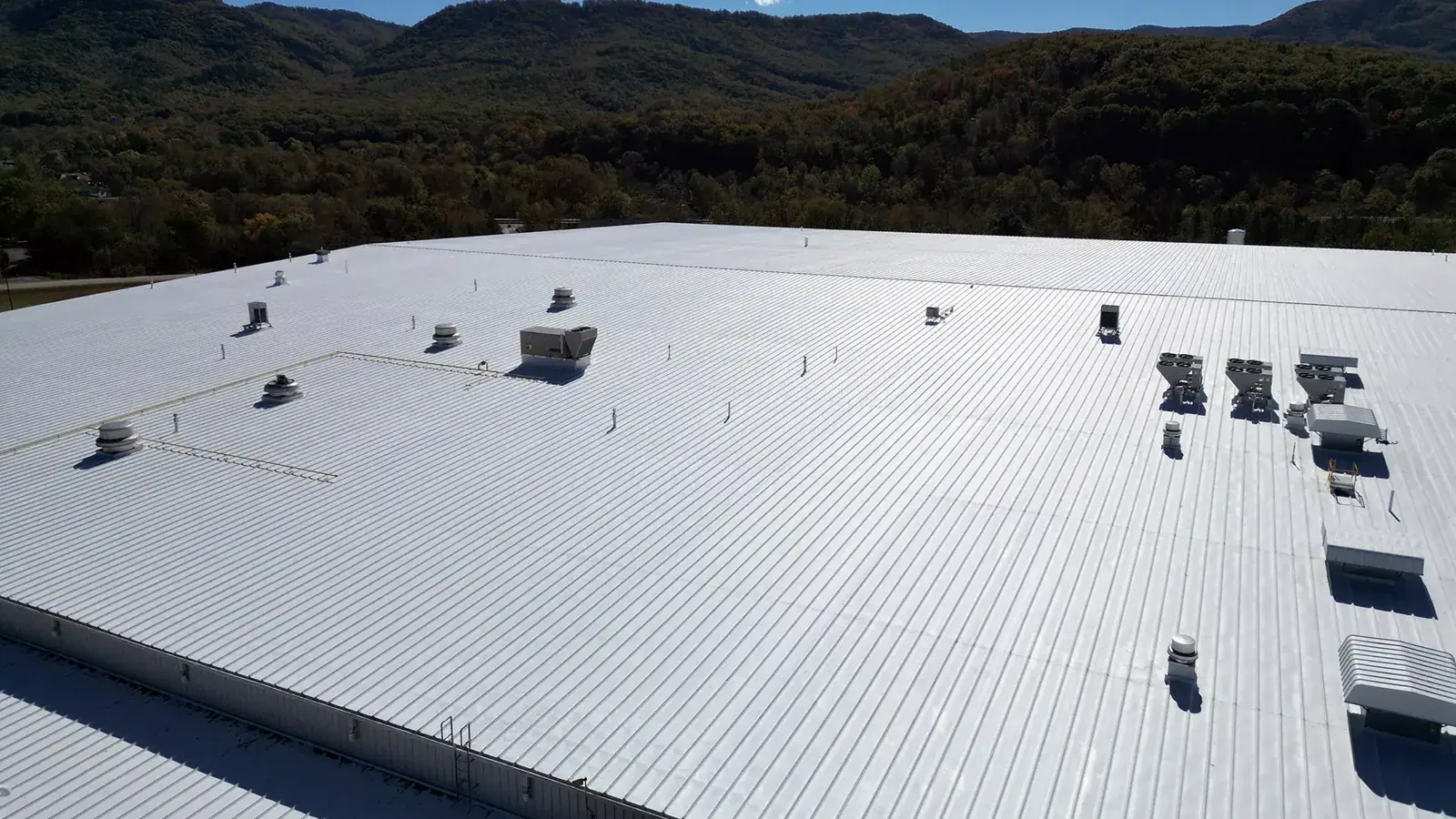
Before any work is priced, the roofs need to be sorted. We group them by system type, by age if the owner has records, by use and by how much a leak would cost the business. A membrane roof over a computer room matters more than the same membrane over a storage bay, even if the two look alike from the parking lot.
A simple test helps. Ask what happens inside the building on the day water gets in. If the answer is lost inventory, closed exam rooms or a shut-down line, that roof moves up the list. If the answer is a bucket in a corridor, it can wait a season. The ranking is not about the roof's age alone. It is about what the roof protects.
This sorting is also where the owner learns which buildings share a failure pattern. Three buildings with the same membrane and the same open seams will usually want the same repair, which can be bought once and applied three times.
What the first walk covers
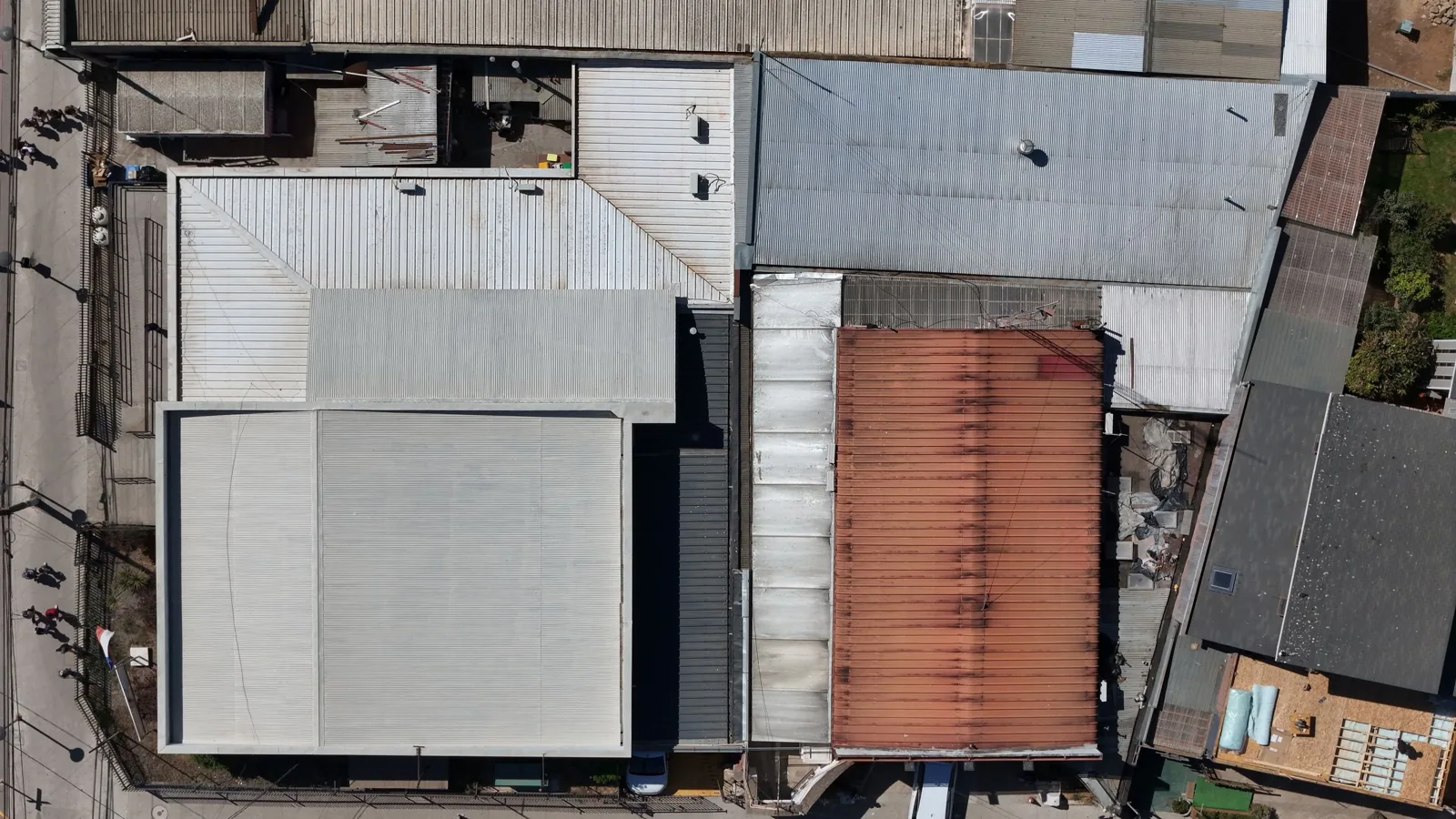
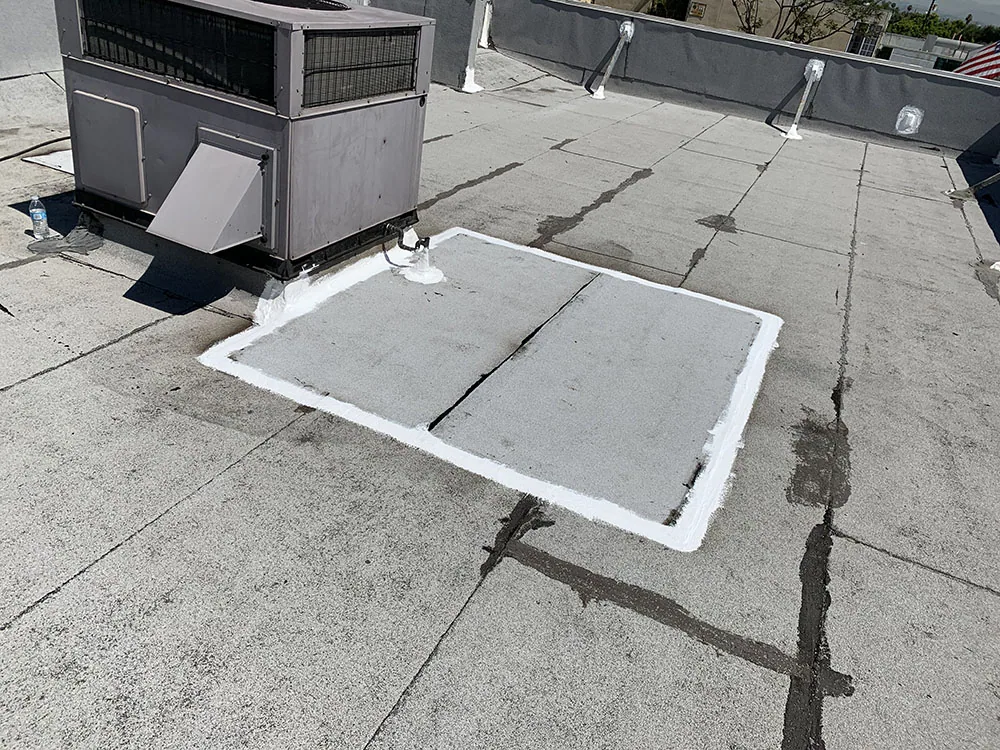
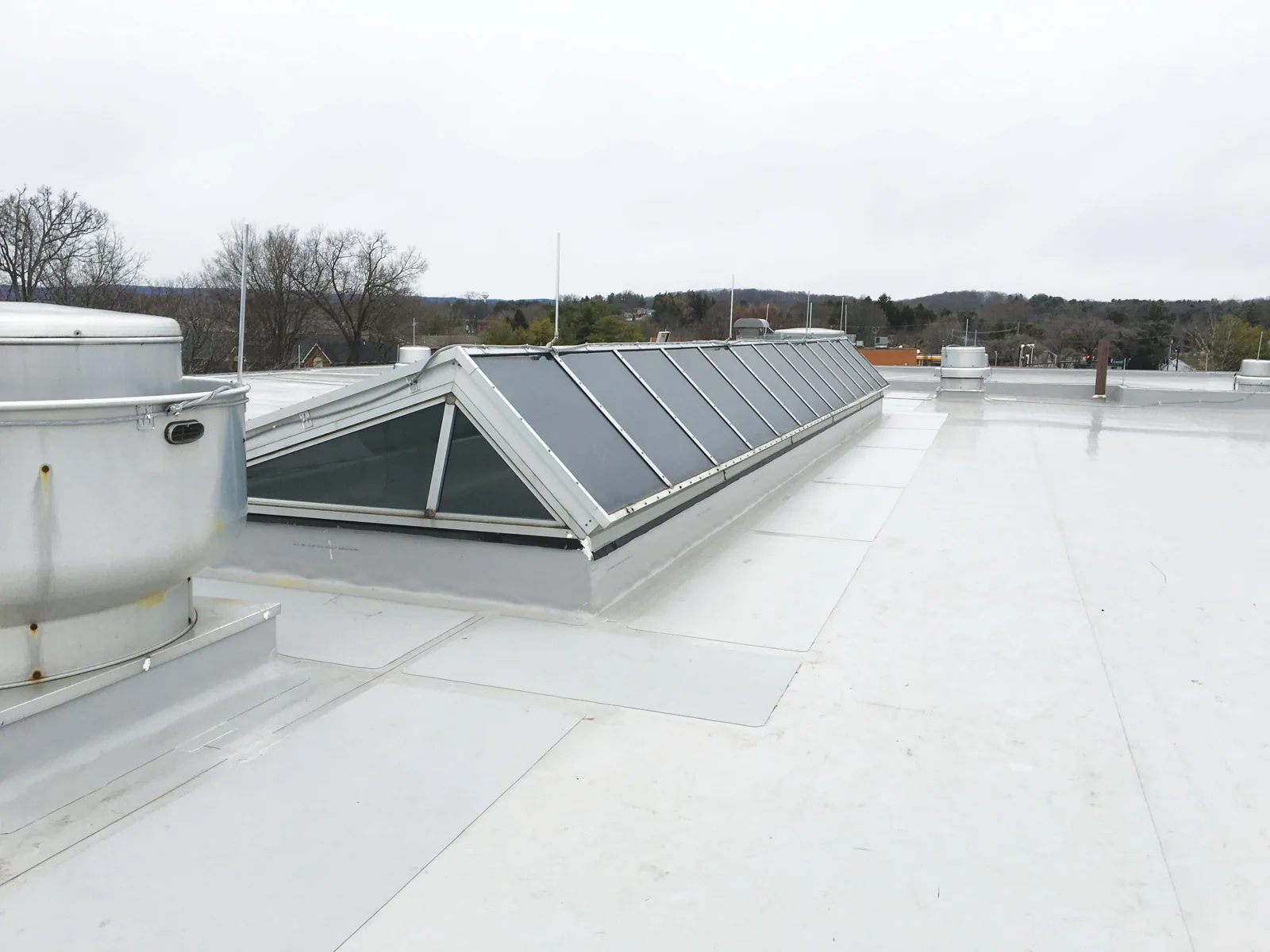
Every roof gets the same walk. We start at the perimeter, check the edge metal and wall flashings, then move to penetrations, drains and the field of the membrane. We note ponding lines, fastener back-out on mechanically attached systems, open laps and old patches. Where the roof is too steep, too fragile or too high to walk safely, a drone roof inspection fills the gap.
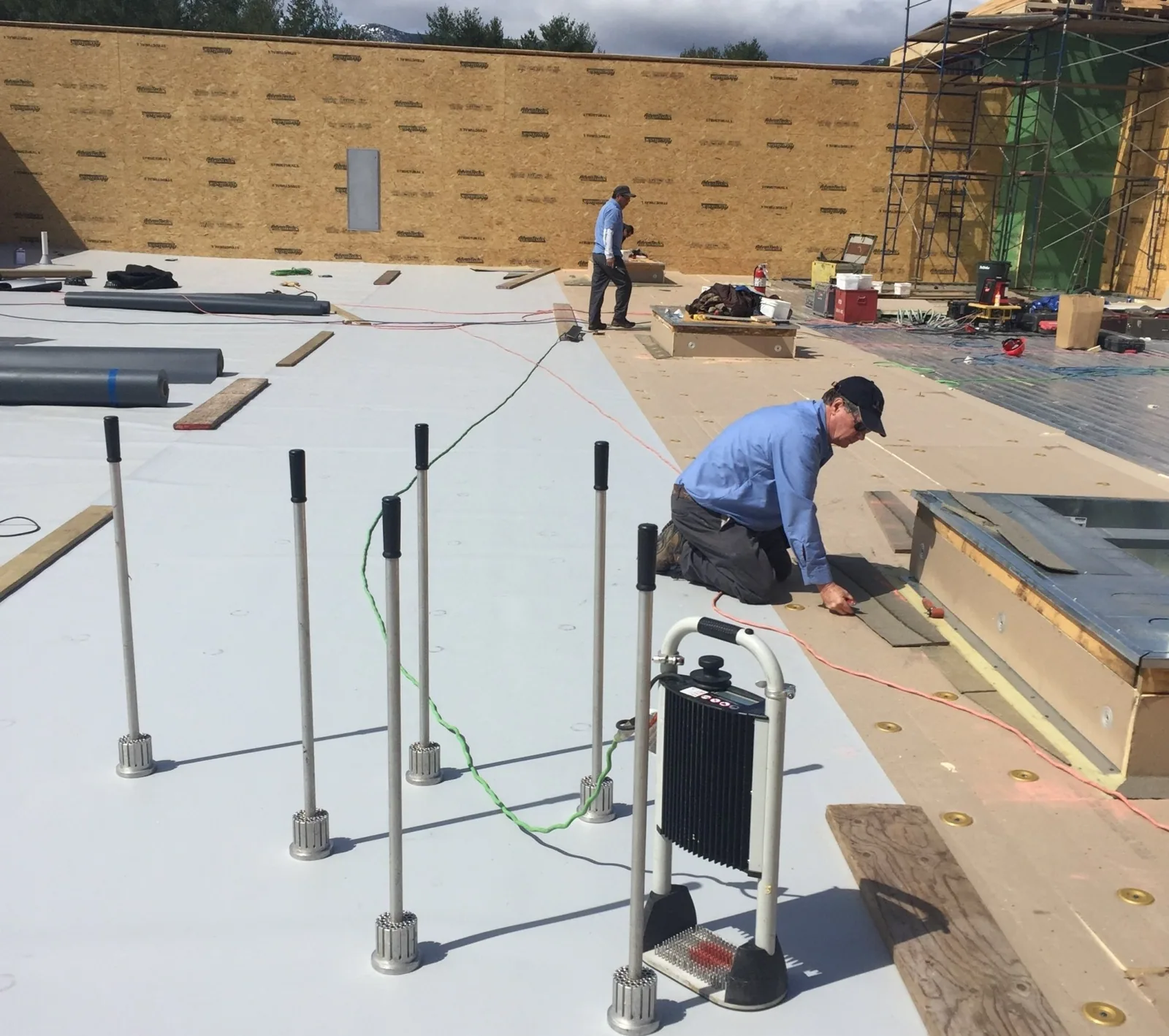
Moisture is the layer underneath. A wet insulation board can sit under a dry-looking surface for a long time, so on roofs with a leak history we add moisture readings before we rank anything. The result goes into a roof condition report for each building, written in the same format so the owner can compare one roof to the next without translating.
Heat and hail do not hit every roof alike
Heat wears slowly. In Wichita Falls the thermometer passes 100 degrees on about four weeks of a typical year, and 2011 made the city the first in Texas to count 100 such days. A dark membrane in that heat expands and relaxes daily, and the strain lands first on seams, flashings and sealants. A program should plan for that wear on every roof, with the south and west exposures usually showing it first.
Hail is different. It is local and uneven. The National Weather Service records baseball-size hail damaging Iowa Park and Burkburnett in April 1991, and golf-ball hail in Electra in March 1982. Those events are history, not proof of damage on any roof today. What they tell a program manager is that hail checks belong in the plan: after a severe report, we press and probe the membrane for a hail bruise, and we do it on the roofs that were exposed, not on the whole portfolio.
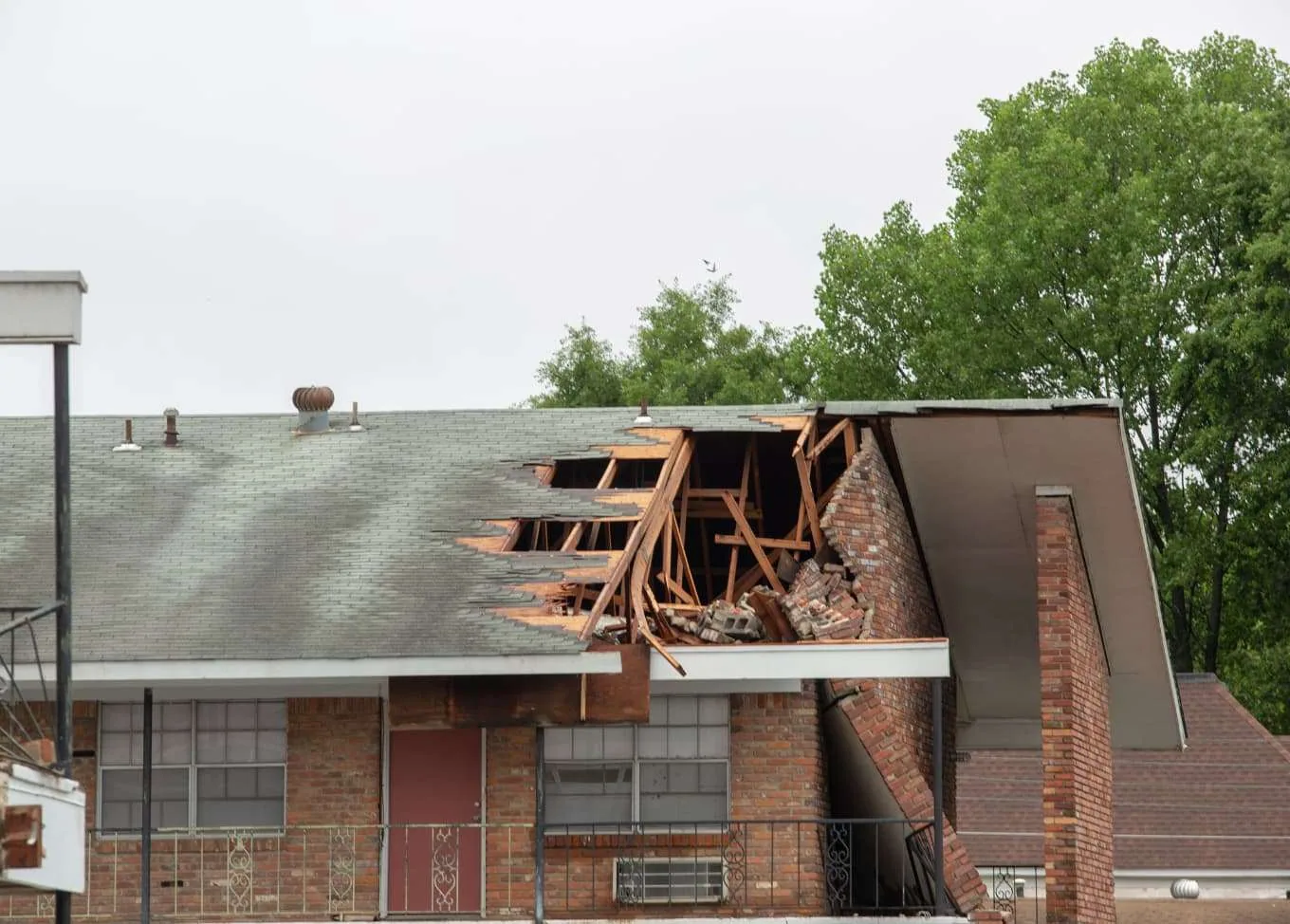
The 1979 tornado ran across the city's south and east sides. That is why a program also lists which buildings stand in the open, with large exposed edges, and which are sheltered. Edge securement gets a closer look on the exposed ones, and metal edges and copings are checked for loose fasteners before the spring wind season. A building with a wide parapet and long unsupported coping runs asks different questions than a low box with a short perimeter, and the program records the answer for each.
Set the order of work
Now the ordering. We sort the findings into three buckets: fix now, plan for the next year and watch. Fix now means active leaks, open seams and failed flashings that will get worse. Plan means roofs near the end of their service life where replacement or a coating restoration should be budgeted. Watch means roofs in fair shape that only need a look after each season.
The one clean rule is to repair what stops damage first and replace what cannot be repaired economically second. Then we spread the work so that no single quarter carries all of the cost. The owner's roof capital planning file takes our ranking as its input, and the budget follows the building, not the other way around.
Keep the small work on a schedule
Between large projects, a program lives on preventive roof maintenance. That means clearing drains and scuppers, re-sealing small laps, tightening loose fasteners and checking walk paths where rooftop units draw service traffic. The visits are short and the notes are brief, but they catch the debris, the cracked sealant and the loose coping that would otherwise grow into a leak.
For a portfolio that spans Wichita Falls and nearby towns such as Burkburnett and Iowa Park, the visits are routed by area so one crew can cover several buildings in a day. We time the heaviest visits to the end of spring, ahead of the hottest months, and again after the storm season.
What the owner sees
The owner should never have to piece the program together. Each building gets a page with its roof plan, photos, condition grade, open items and next step. A cover sheet ranks all of them. When a lender, insurer or buyer asks about a roof, the owner can hand over a clean file.
This is where property management companies and retail and restaurant chains get the most from the program. They manage many sites with few people, and a single, consistent record saves hours every quarter. It also lets a manager spot a pattern, such as the same drain failing on three buildings, that a one-off repair order would hide.
Step by step, the record grows. After each visit we add the date, the photos, what was found and what was done. After a year, the owner can see which roofs stayed quiet, which needed repeated attention and which are costing more in repairs than a replacement would. That comparison is what turns a list of buildings into a plan, and it gathers in one place what is usually scattered across invoices and inboxes.
Commercial Roofing Questions
How many roofs does a program need?
Two or more is enough to benefit. The value comes from one format, one schedule and one record, and that works for a pair of buildings as well as for a larger set.
Do all roofs get the same price per square foot?
No. System type, access, rooftop equipment, drainage and the condition of the insulation all change the cost. We price each roof on its own scope, then show the totals side by side.
What if one building is sold?
The roof file for that building moves with the sale. A current report and photos give the buyer a clear starting point, and the program continues for the rest.
Can the program cover leaks that happen between visits?
Yes. A leak call is handled as it comes in, and what we find goes into that building's record. Repeated leaks in one area then change the ranking for the next planning cycle.
Where do I send the building list?
Send the addresses, the roof ages if known, the building uses and any leak history. That is enough for a first walk-through to answer a specific question.