A solar array is expected to outlast several roofing cycles, and that single fact shapes everything about a solar-ready roof. If the roof under the array wears out in eight years, the panels must come off, wait and go back on. The one thing an owner should understand is that the roof is the foundation, and a foundation is chosen first.
Start with the building. A big low-slope warehouse in the Wichita Falls Business Park has the open area an array wants. A campus building at Midwestern State University may carry a different roof, different loads and different access. Here is how we walk a roof in order before anyone fastens a rail to it.
Check the Age and the Layers First
Step one is remaining life. We read the membrane, the seams and the flashings and ask how many years the roof can still serve. If the answer is shorter than the array's expected life, the better plan is to replace or restore the roof first, then install the array on a fresh surface.
Step two is moisture, and it is easy to underrate. An infrared scan and a few core cuts show whether the insulation under the array is dry. Wet board under a panel field is a hidden cost, because it cannot be reached without lifting the array.
The test is simple. If the roof would pass an inspection for another full roofing cycle, it is solar-ready. If not, fix it now. A roof capital plan that lines up roof work and solar work saves a second mobilization. Where the roof fails the test, a commercial roof replacement before the array is the cleaner path, because the new roof and the array start the same clock.
Test What the Deck Can Carry
Panels, racking and ballast add weight. Wind adds uplift. The structure has to carry both. A structural engineer confirms the capacity, and the roofer supplies the facts: deck type, insulation thickness, existing loads and any sag.
A building that was designed with spare capacity may take ballasted racks. One that was not may need attached mounts, which means penetrations. A deck that has rusted or deflected needs repair first. We look at the deck from below where we can reach it, and we mark any rust, sag or crushed insulation on the roof plan the engineer receives, so the structural opinion rests on what is actually there.
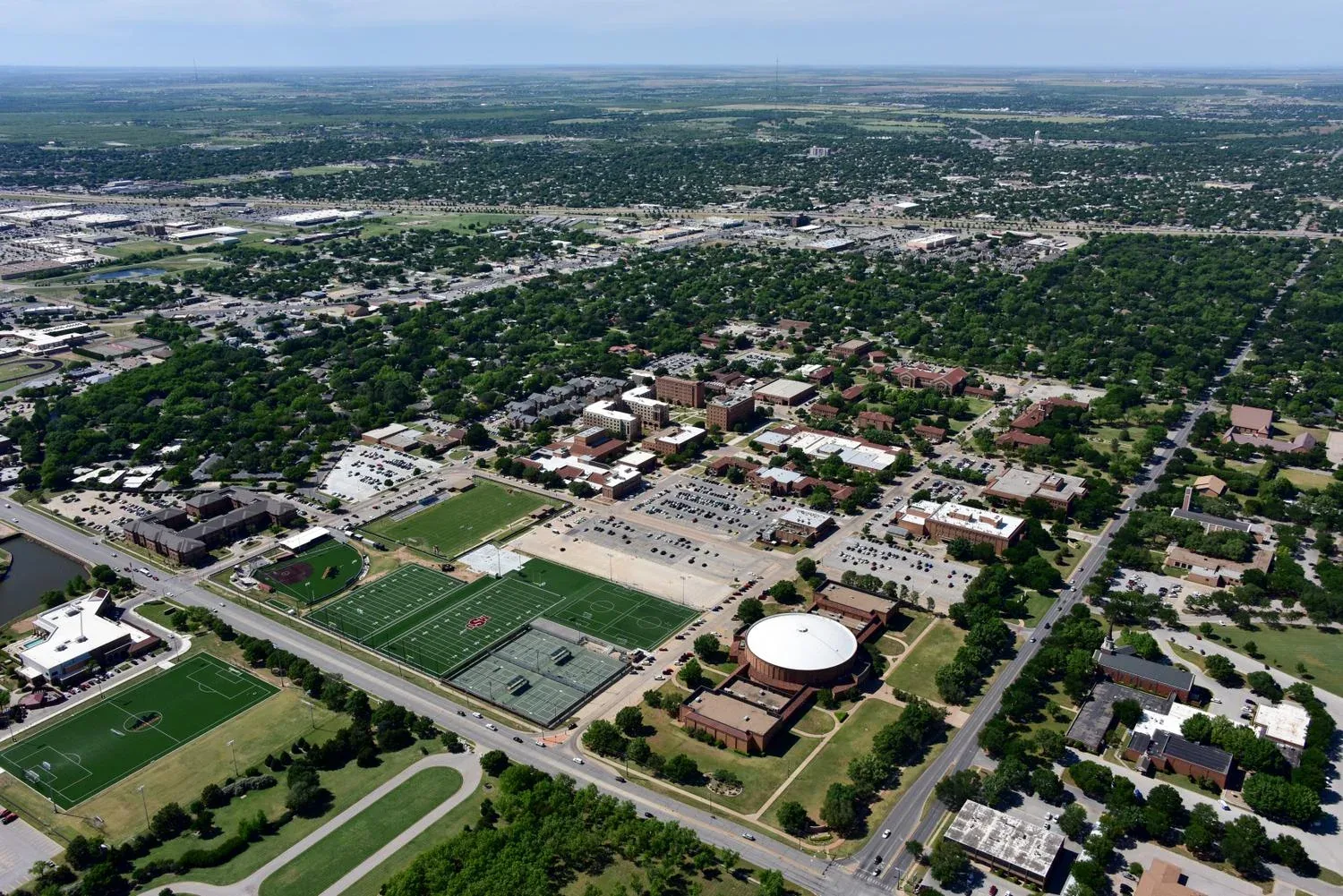
The 255-acre Midwestern State campus off Taft Boulevard has 50 or more buildings and a Bridwell Activities Center finished in 2022, and no two roofs should be assumed alike. The same goes for any building in the Taft Boulevard area.
We ask for the original drawings when they exist. They show the design loads, the deck type and the framing. If the drawings are gone, the engineer measures what is visible, and the answer leans toward the safer choice.
Choose How the Mounts Attach
There are two broad ways. Ballasted systems sit on the roof and hold with weight, so they cut no holes but add load. Attached systems bolt through the roof to the structure, so they add little weight but need flashing at every point.
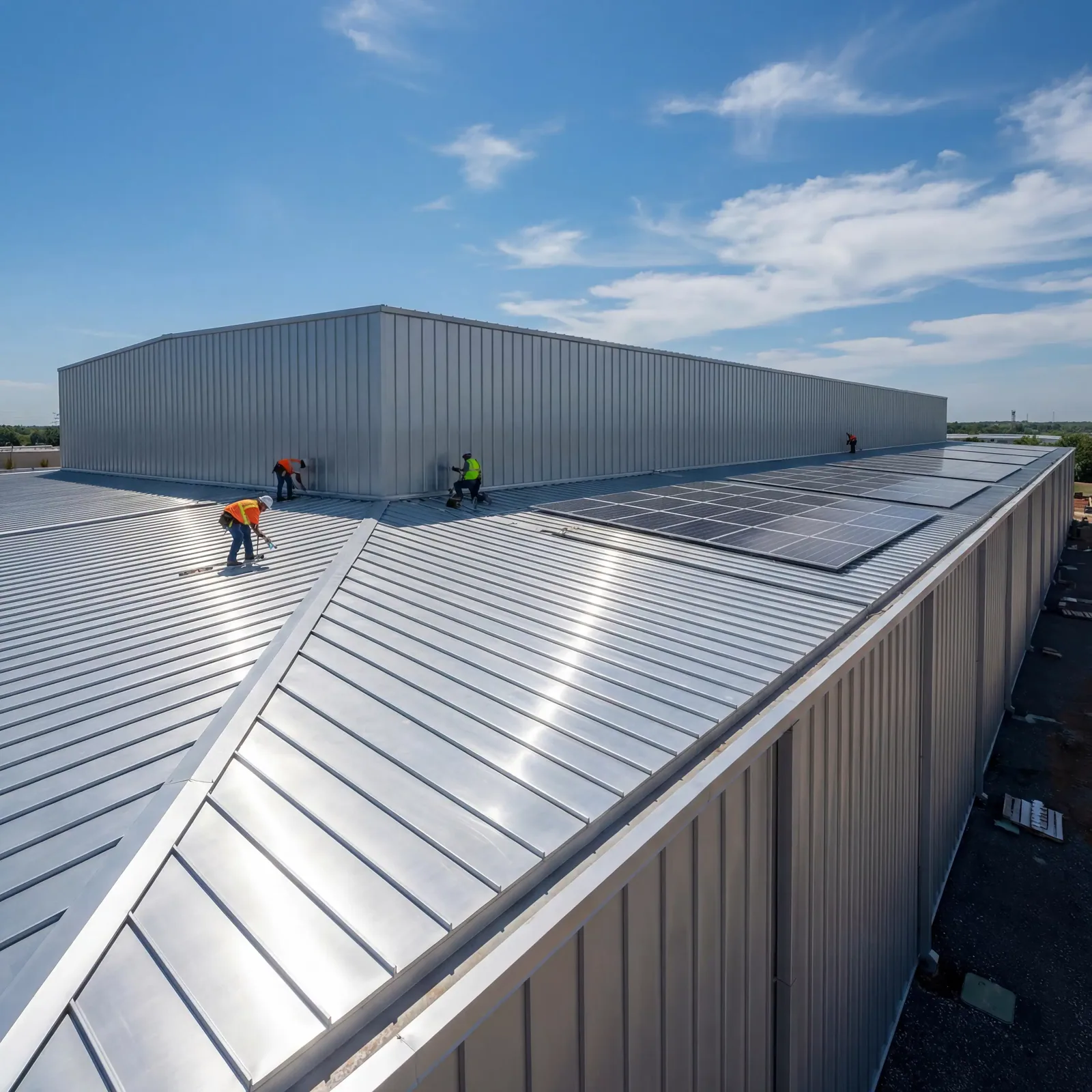
On a standing seam metal roof, clamps grip the seams and avoid holes. On a single-ply membrane, each attached mount is a curb or a flashed penetration that must be sealed and checked. On a built-up or modified roof, mounts need pads and flashing suited to the surface.
Each attached point is a place a leak can start. We specify the flashing, supervise the install and photograph every point. The roofer and the solar crew work from one plan, so no mount lands on a seam or a drain. Pitch pockets and sealant alone are not a plan for a mount; each one gets a flashing that can be inspected and, if it ever fails, replaced without moving the rack.
Leave Drains, Seams and Walkways Open
A solar field can block water. Panels create shadows of dry roof and lines where water runs off the edge. Racks can dam a path to a drain. We map the drains first and keep a clear path from every low point to its outlet.
Access matters. Roofers need to reach flashings, seams and drains after the array is up, and inspectors need paths too. Walkways and setbacks serve those needs and the fire service's need for clear roof edges. Layouts should leave room to reach every curb and every drain and scupper without stepping on a panel.
Penetrations by the solar crew count. Conduit and wiring runs should be supported on pads, not laid on the membrane. Cable trays that cross a seam or a drain line need a raised support so water passes under.
Plan for Hail and Wind
Hail has hit this area before; the 1991 stones that fell on Iowa Park and Burkburnett and the larger ones that struck Sheppard Air Force Base in 1993 are the reminder. Those dates say nothing about this array, but they do mean the panels and the roof get inspected after a storm, and that the roof under the array should be ready for a hail damage check.
Wind and tornado season add uplift. Arrays and ballast have to be designed for it, and the roof edge, the zone with the highest uplift, needs special care. Summer heat adds its own stress, with a record high of 117 degrees. Seams and sealants under panels age in that heat and are hard to reach, so we look at them closely before the array goes up and again at the first yearly check.
Keep the Records Straight and Take the Next Step
Document the roof before the array goes up: dated photos, moisture readings, a plan of drains and seams. After install, add photos of each mount and a plan of the final layout. A roof warranty review checks what the roof manufacturer requires before any work, so a mount does not void coverage by accident. The review also lists who must be notified before work starts and what inspection the manufacturer expects afterward.
Tell us the array size you have in mind and when the roof was last repaired. The first walk tells you whether the roof is ready or what it needs first. A large industrial roof near the Business Park begins as a warehouse roof assessment.
Commercial Roofing Questions
Can I put solar on a roof that is ten years old?
Maybe. Remaining life and moisture decide it. We inspect and tell you, and if the roof has less life than the array, we say so and show the dates.
Do ballasted arrays avoid leaks?
They avoid mount holes. They add weight and can trap debris or dam water, so the structure and drains still need checks. Ballast blocks also hide the membrane under them, so the surface is inspected before they go down.
Who flashes the mounts?
We recommend the roofer, working to the solar contractor's plan, so one party is responsible for the seal.
What happens if the roof needs repair under the array?
Panels have to be lifted. That costs time and money, which is why the roof is checked first. The cost of lifting and resetting an array is part of the price of delay.
Does a solar array change the roof warranty?
It can. The roof manufacturer sets the rules for penetrations and added loads, and some require notice before work starts. We read the warranty first and write the mount details to it, so the array and the coverage can coexist.