Warranty paper is only as useful as the roof it describes and the file behind it. A manufacturer's warranty is a set of conditions, and coverage depends on whether the roof still matches those conditions on the day a leak appears. A coverage dispute can turn less on whether a membrane failed than on whether the owner can show the roof was maintained, repaired and changed the way the paper says.

We help commercial owners in Wichita Falls, TX read the terms, line them up with the roof and keep the records that coverage questions turn on. The part we keep in order is the owner's side of the file.
What a warranty really covers
Start with what the document says, not what it is called. Some warranties cover materials only. Others add labor for repair of defects. Some are limited by dollar amounts, by square footage, by the type of weather event or by the way the roof is used. Many carry a list of exclusions, and many are tied to the original installer or to a particular repair method.
Here is one clean rule: read the exclusions first. They tell you what the paper will never do, and that sets realistic expectations for the rest.
Next, check the dates. A warranty has a start date, an end date and sometimes a step-down in coverage partway through. Put the dates on a calendar. The calendar is where owners catch the quiet deadlines, such as an inspection due in the third year or a notice window that closes thirty days after damage.
Finally, check who holds the right to enforce it. Some warranties pass to a new owner automatically. Others need a transfer request, a fee or a new inspection before the buyer is covered. A sale is the moment this gets missed.
Step one: find the paper
The warranty may be hard to find. It may sit in a closing binder, a past manager's files or a lender's package. We help trace it. The cover page names the system, the manufacturer, the installer and the date. If the original cannot be found, the roof can still be identified from the walk, the layers and any labels on the membrane, and the manufacturer's records can often be requested with that information.
On a large roof in the Wichita Falls Business Park or any older property, rebuilding the file from the roof itself may be the only route.
Step two: match the roof to the paper
The roof must still look like the roof in the warranty. We walk it and compare it with the document: same system, same sections, same equipment. Have additions been made? Have units been moved or curbs added? Has a section been patched with a material the manufacturer does not list? Any mismatch goes into a short note with a photograph.
A mismatch does not always mean lost coverage. It means a question to put to the manufacturer before a leak makes it urgent. Asking early costs little. Asking after a loss costs more.
The match also covers the surface. Warranties on coated roofs, single-ply roofs and metal roofs describe different conditions, and the walk checks the ones that apply: seam width and condition, fastener pattern, coating thickness readings where the paper requires them and the state of the drains. Each is recorded in a form that can be sent to the issuer without translation.
Step three: follow the conditions
Most warranties carry duties for the owner. Common ones are listed here, though your document governs:
- Keep the roof clean and the drains clear.
- Schedule inspections or maintenance at the interval the paper names.
- Notify the manufacturer or installer within the stated window after damage.
- Use only approved contractors or methods for roof penetrations and repairs.
- Keep records of all work done on the roof.
A preventive roof maintenance visit covers the first two items and produces the photographs and notes for the last one. The written findings from a roof condition report go into the same file that roof asset management keeps current.
Heat, hail and wind in the fine print
Weather terms deserve a slow read in Wichita Falls. The record high is 117 degrees, set on June 28, 1980, a typical year brings about 28 days at 100, and 2011 brought 100 of them. A document that excludes damage from named events, or sets limits for hail size or wind speed, needs to be read against those facts. Hail history includes golf-ball stones that piled up in Electra in March 1982, with damage that ran as far as Burkburnett.
None of that predicts what will happen to your roof. It tells you why the weather clauses matter and why photographs of the roof before any storm are worth keeping. After one, a hail damage roof repair is easier to document when the file already shows the surface.
When a leak appears
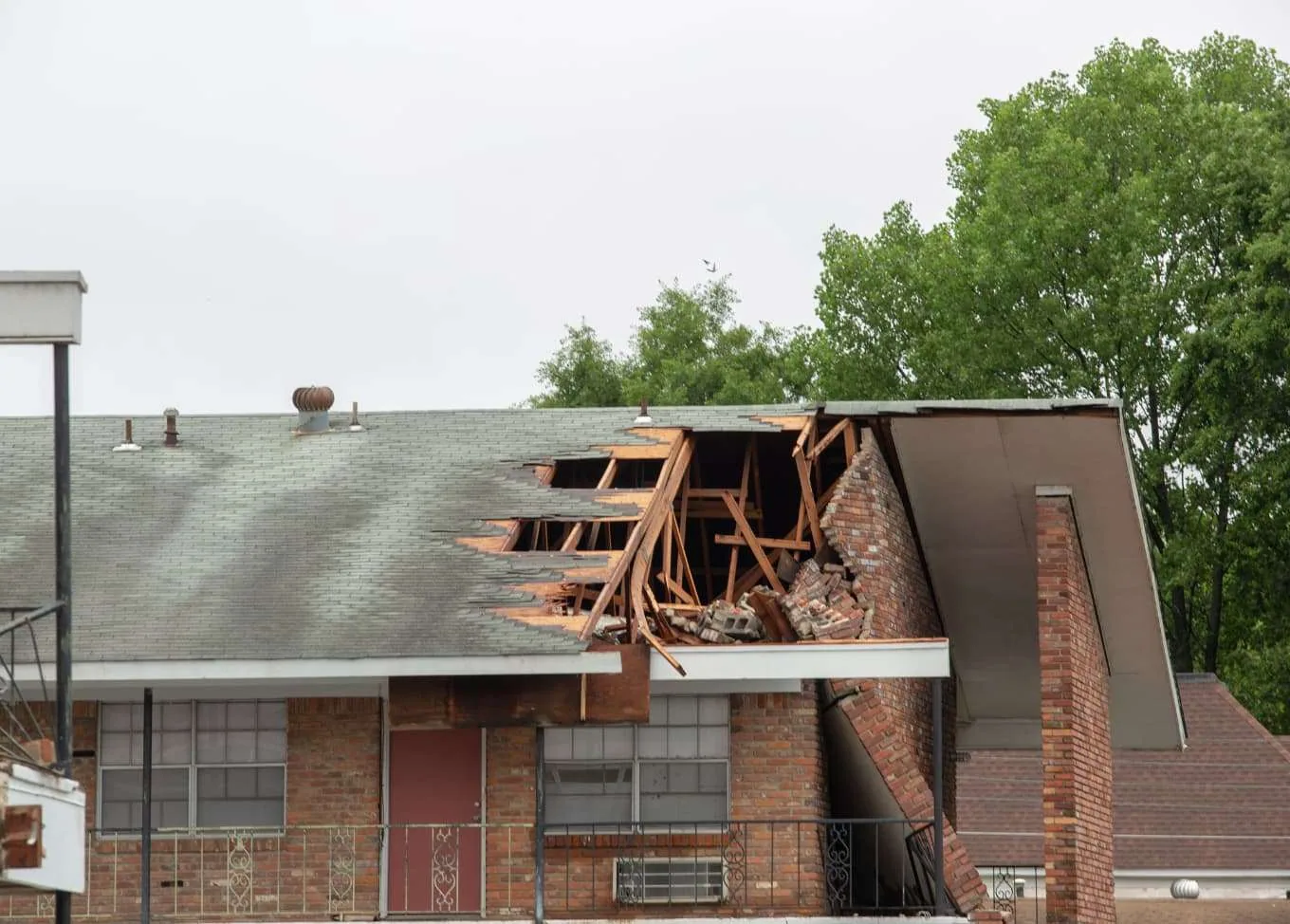
Step one is to protect the building. Step two is to document the leak before anything is changed. We photograph the interior stain and the roof area above it, note the date, and trace the water path. Then we help decide whether the cause looks like a defect, an installation problem, a storm or wear. That decision determines who is asked to respond.
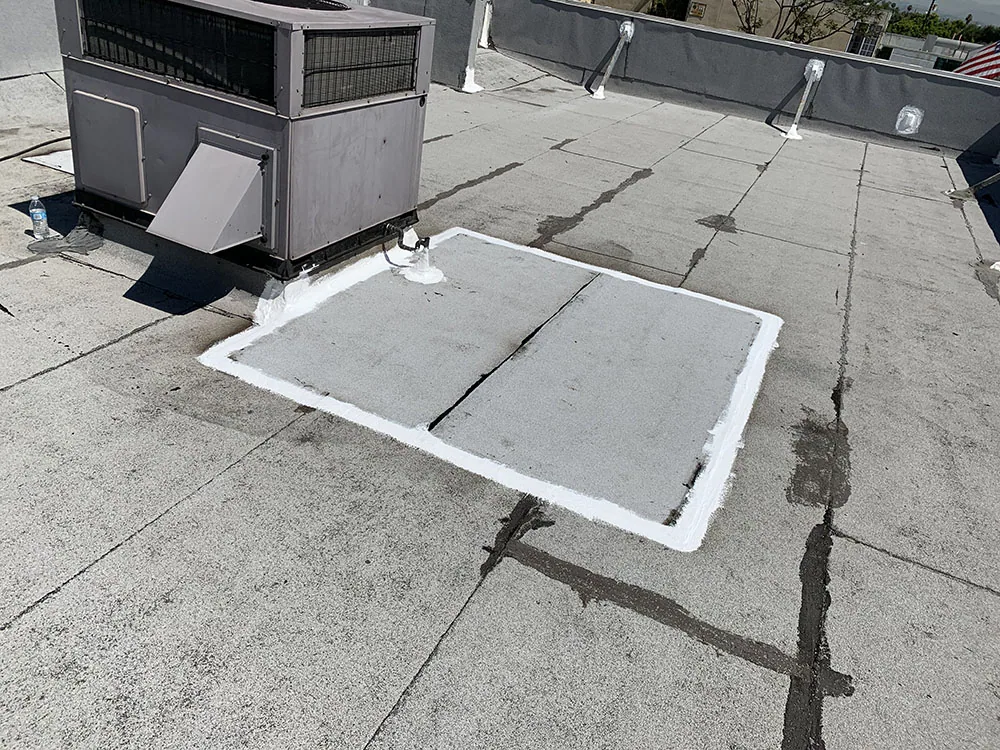
Do not let anyone patch the spot first without recording it. A well-meant repair by someone outside the warranty terms can complicate the claim. Our commercial roof leak repair work starts with the record and keeps temporary protection separate from the permanent fix.
Timing matters because most notice windows are short and some start the day the owner could reasonably have known of the damage. We keep the notice letter simple: the date, the location, the photographs and a statement of what was seen. It goes out the same week.
Equipment, additions and later repairs
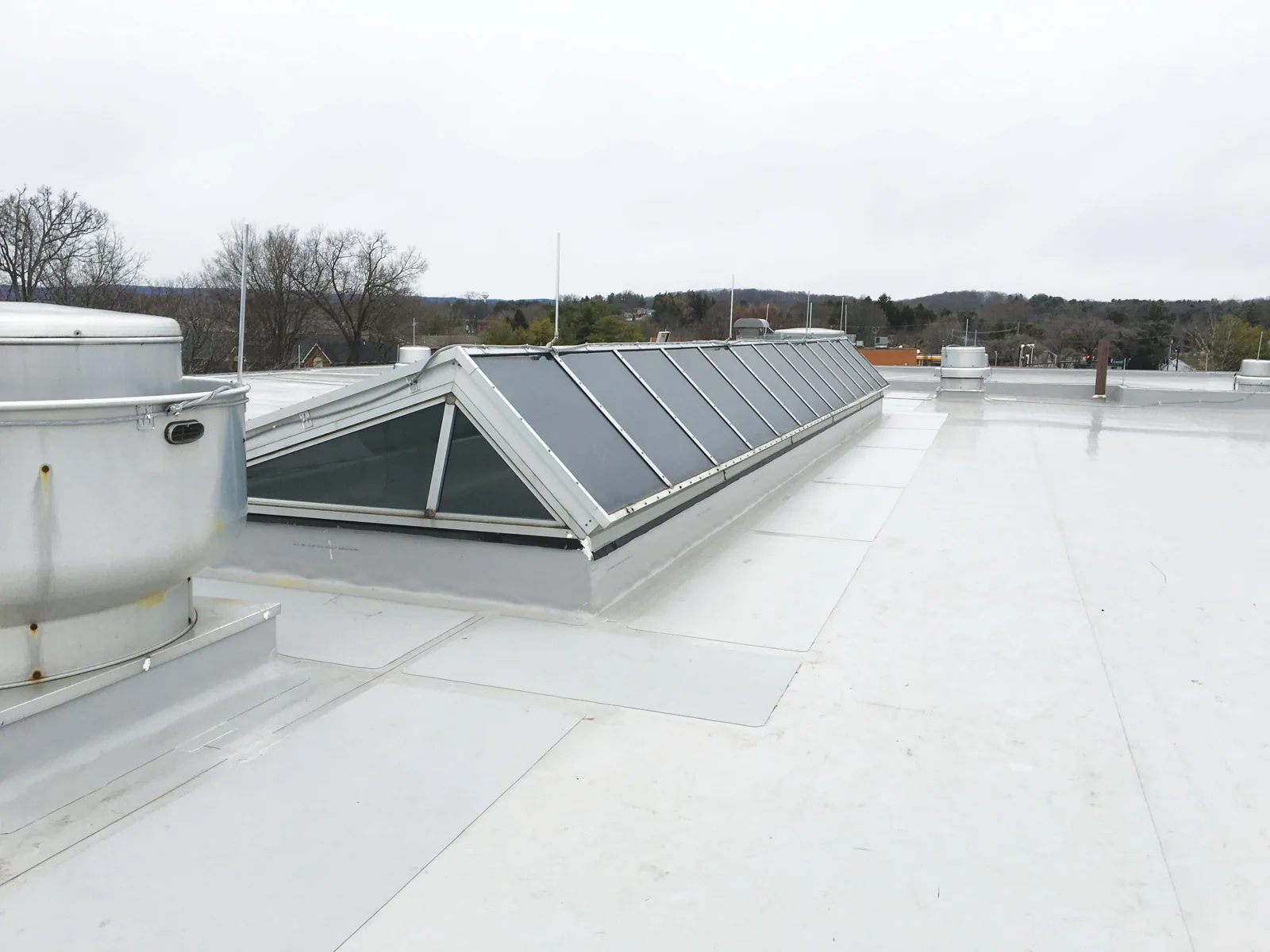
Roofs change after the warranty starts. New rooftop units arrive, antennas are mounted, a skylight is added. Each change makes new holes and new flashings. The paper may require the manufacturer's approval or an approved installer for penetrations. We list every change in the log with a date and a photograph, and we flag equipment curbs and supports for review before work starts. The result is a warranty file that matches the roof as it is, not as it was on day one.
Later repairs get the same treatment. A patch is logged with its location, the material and who made it. When the file is complete, a facility manager can answer "what was done and by whom" in a minute, and a buyer can see the roof's story without a long walk-through.
Commercial Roofing Questions
Does every repair need the manufacturer's approval?
Not always. The document says which repairs, and which materials, are allowed. We read it before work begins and note the answer in the file.
What if the warranty paper is lost?
We identify the roof from a walk and the layers, then help you ask the manufacturer or installer for a copy. Missing paper slows a claim but does not end the question.
Can maintenance records help a claim?
Dated visits and photographs show the owner kept up with the duties the paper lists, which is often the first thing a manufacturer asks to see.
Do rooftop units affect coverage?
New curbs and penetrations change the roof, and some warranties require approval for them. We list each unit in the file with its date.
Who decides if a claim is covered?
The party that issued the warranty decides. We supply photographs, notes and a clear account of what the roof shows.