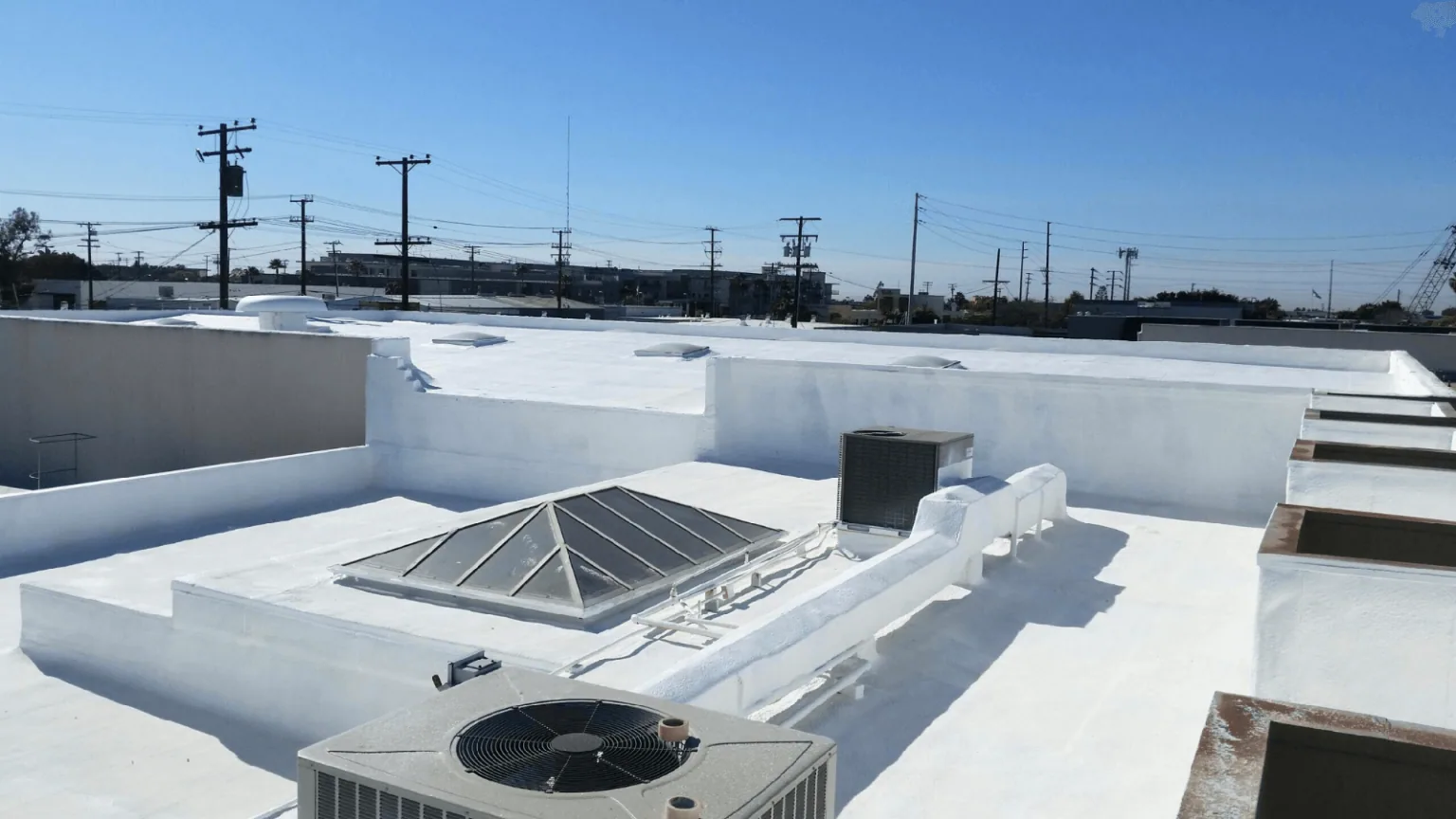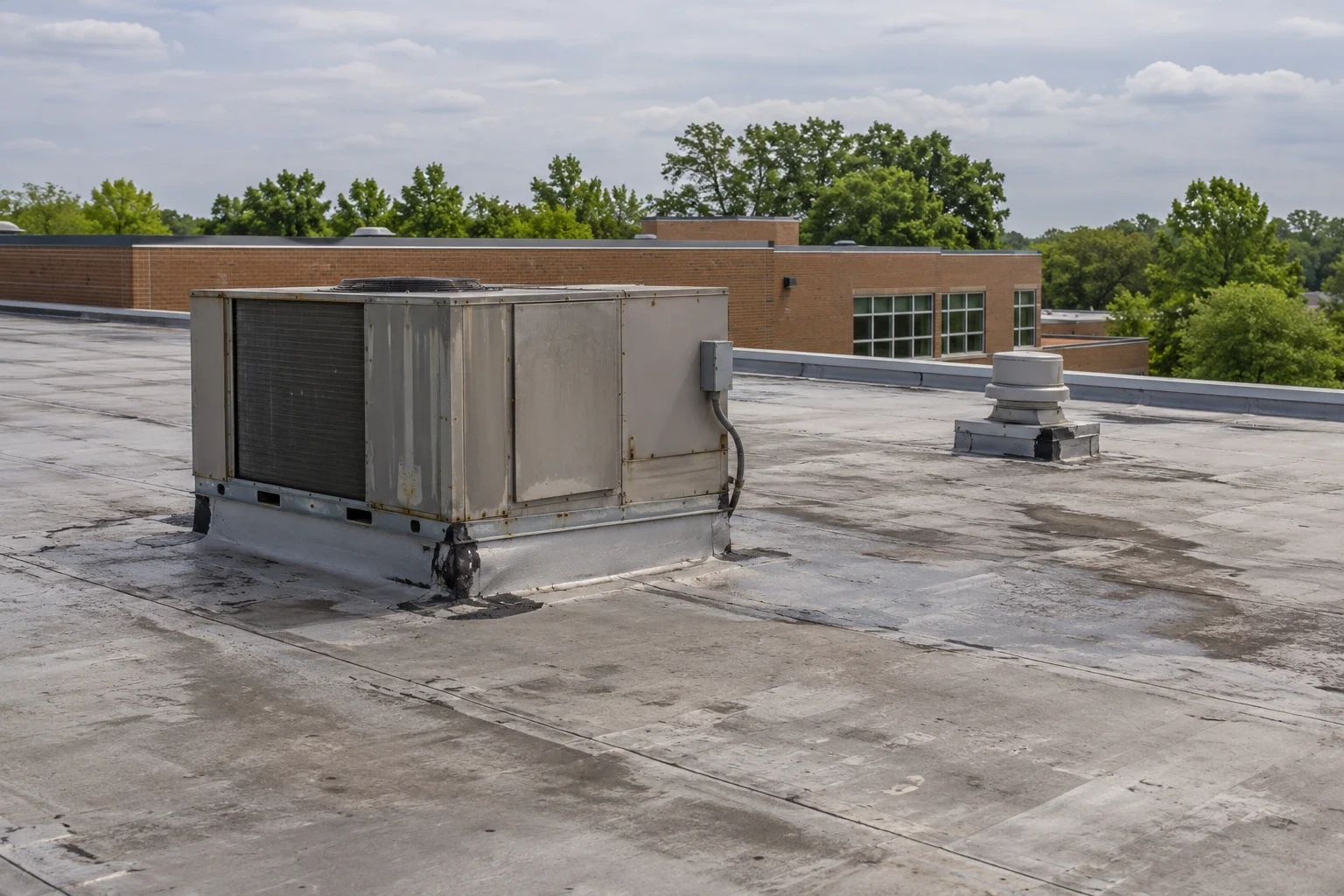
A campus is a collection of roofs with different ages, different uses and one shared calendar. That is the lesson for any college or university in Wichita Falls, TX. A residence hall, a lecture building and an athletic venue each ask something different of the roof above them, and each has a window when work can happen. Start with an inventory. Then walk each roof in the same order and rank the results by what is underneath and when the building is empty.
Know the Campus
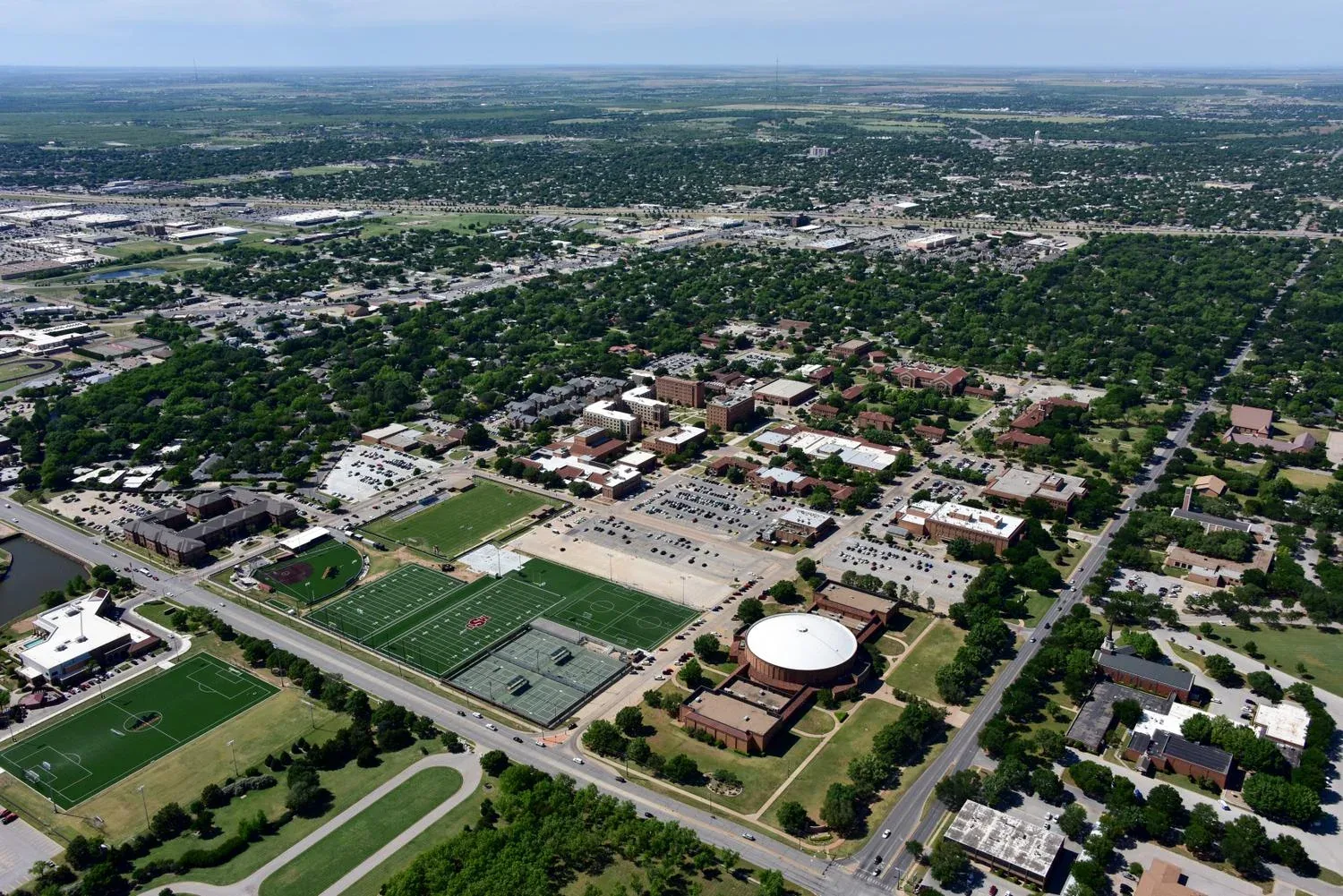
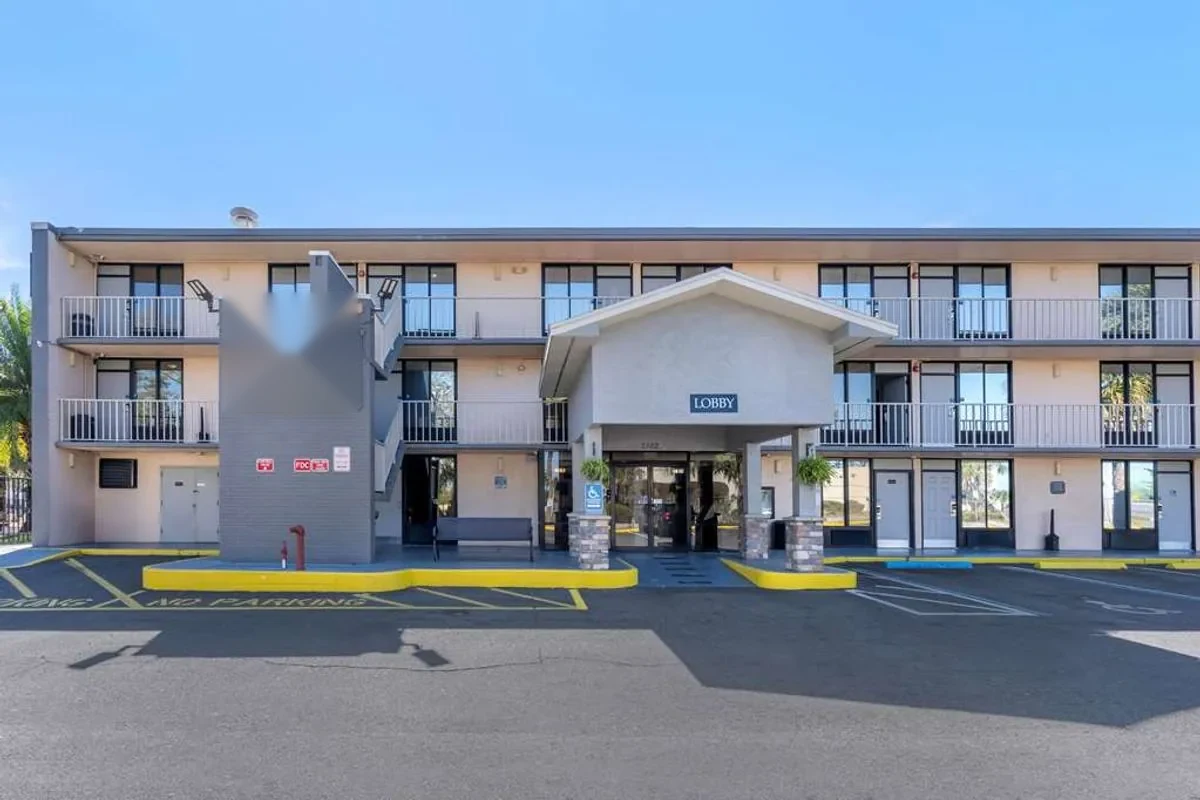
Off Taft Boulevard, Midwestern State University spreads over 255 acres with 50 or more buildings, residence halls and athletic facilities. The campus had 5,287 students in fall 2025, and the university is the city's fourth-largest employer with 1,276 jobs. Vernon College serves 12 North Texas counties and, with the university, supplies the local workforce. The Taft Boulevard area is where that campus sits.
The campus has grown over time. Centennial Hall opened in 2019, and the Bridwell Activities Center was completed in 2022. Residence halls, apartments, D.L. Ligon Coliseum and Memorial Stadium round out the facilities. A new building and an older building may share a block, yet their roofs will not age alike, and a newer roof is not automatically the better one. That is why every roof gets its own record. The record holds the system, the layers, the repair history and a set of dated photographs. Facilities staff use it for budgets, and a new staff member can pick it up in an afternoon.
How Campus Roofs Are Put Together
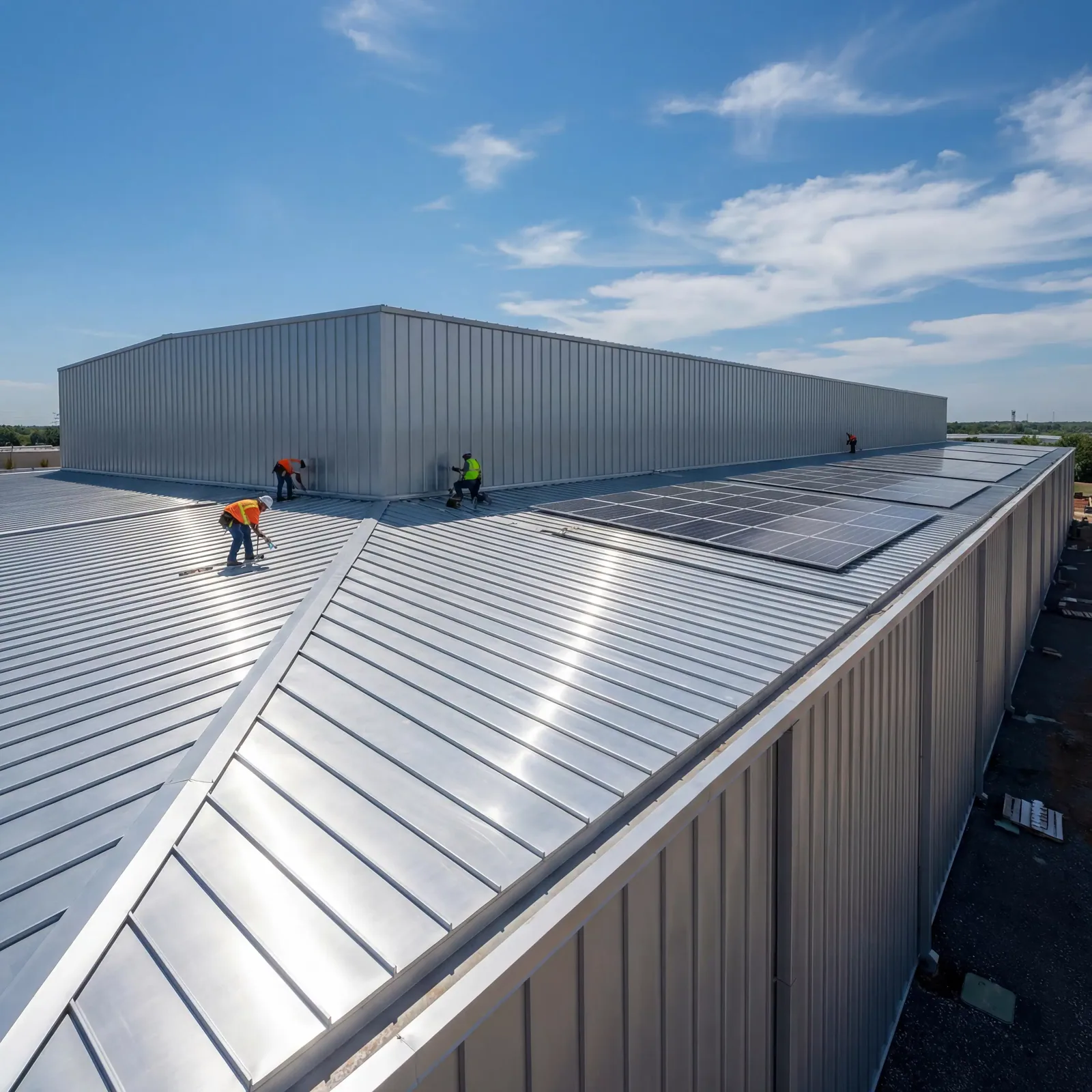
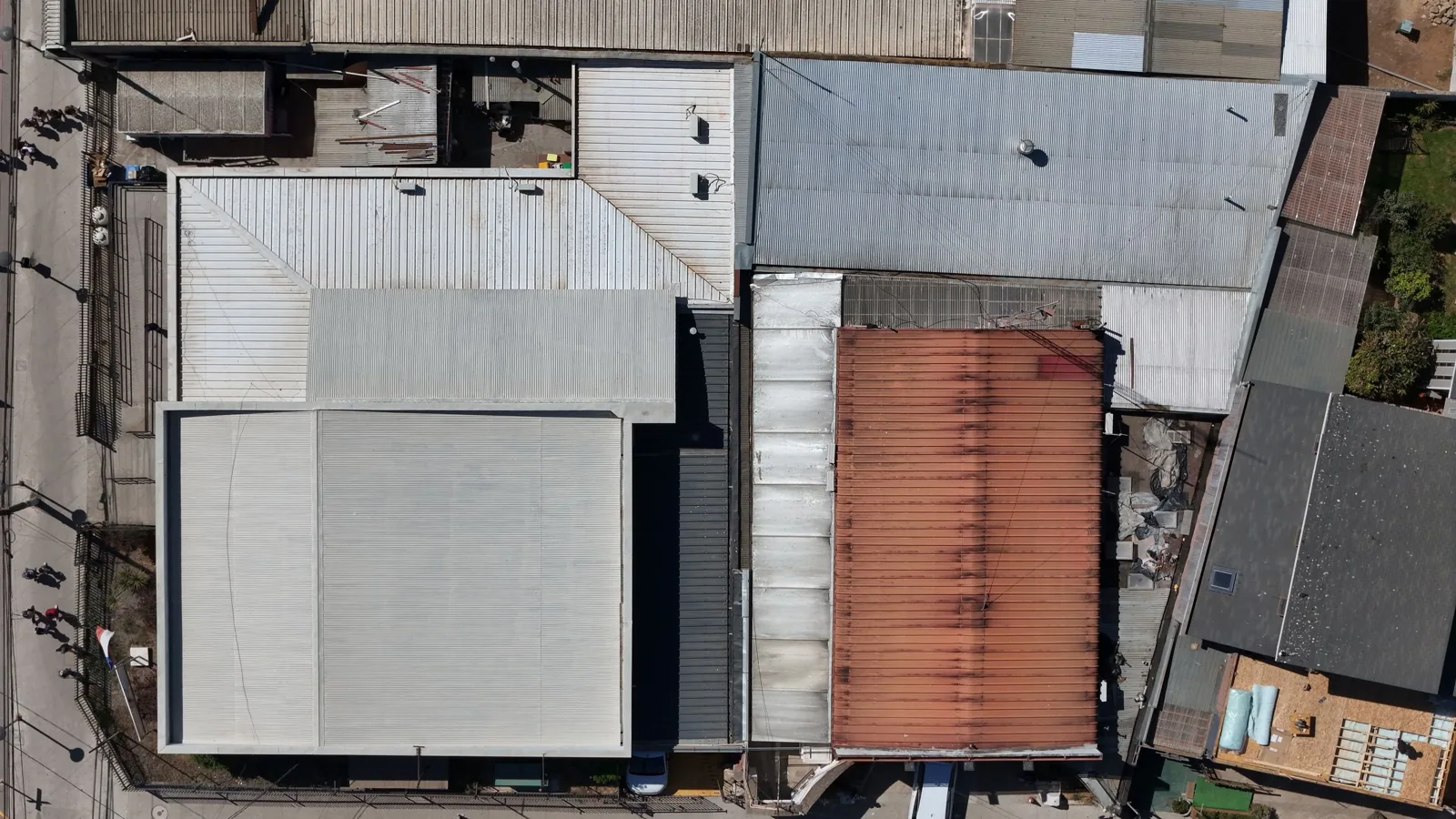
A large campus carries many roof types. Lecture halls and offices often have low-slope membranes. Residence halls may have pitched or low-slope sections. Athletic buildings can have long-span metal roofs, and a coliseum or stadium may have special edge and drainage details. Each system needs a different repair method.
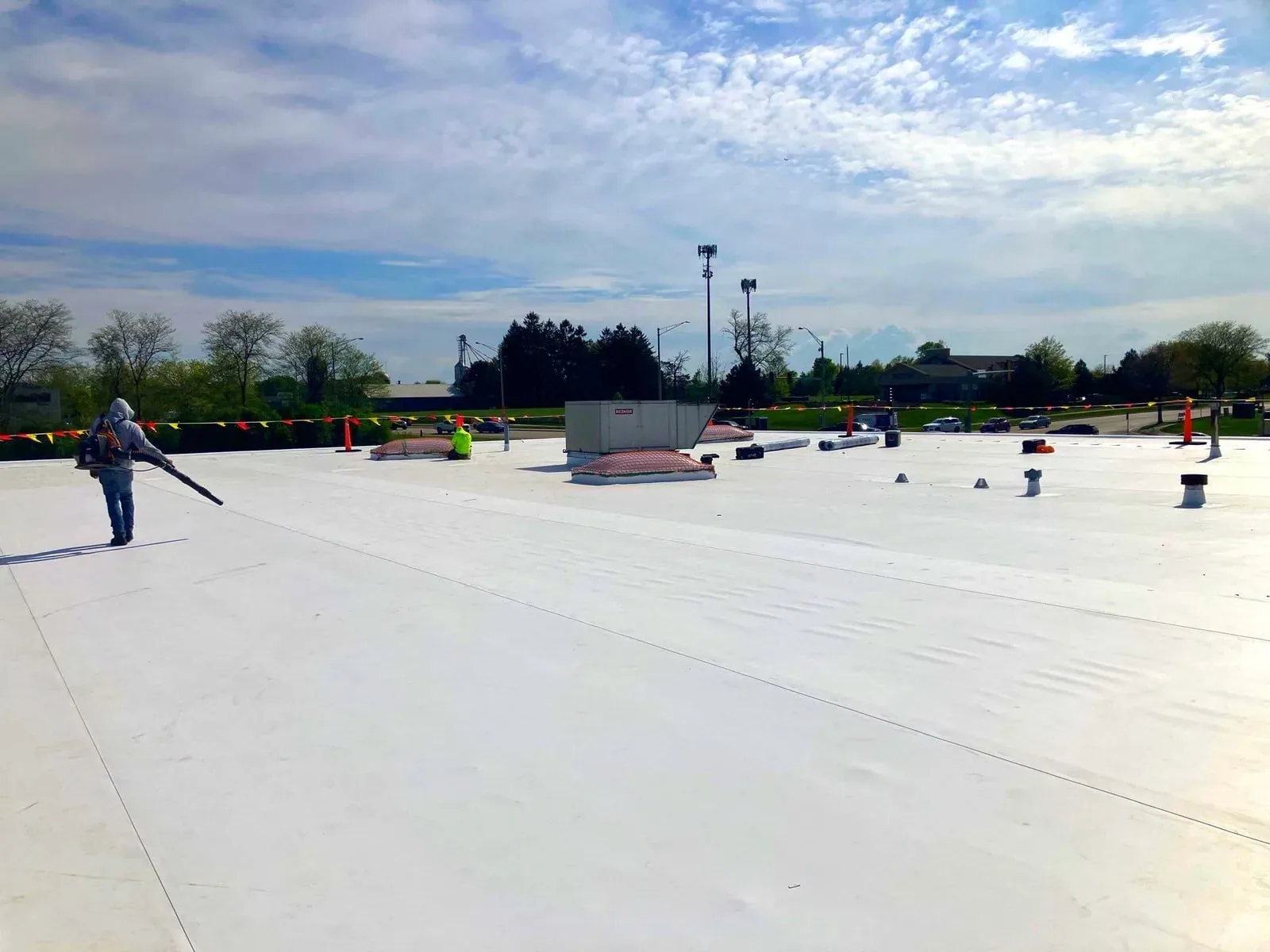
We begin by identifying the system on each roof, then note its layers, its penetrations and its repair history. A standing seam metal roof asks for clip, seam and trim checks. A TPO roof asks for seam probes and flashing checks. A built-up roof asks for blister and ply checks. The method follows the material. A repair that suits one system can damage another, so the first line of every work order names the membrane. On a campus where roofs were installed in different years by different contractors, that line prevents a good deal of wasted work.
Where It Fails First
Campus roofs fail at details. Curbs around rooftop units, drains, scuppers and skylights account for most leaks. Residence halls add vents and exhaust fans on every wing. Athletic venues add signage supports and lighting that penetrate the roof, and crowd events add foot traffic in places that were never meant for it.
The weather adds stress. Wichita Falls logs 102 days a year at or above 90 degrees, and in 2011 it became the first Texas city to log 100 days at 100 degrees. Stones larger than baseballs fell on Sheppard Air Force Base in March 1993. We use history as context, not as proof, and every roof still gets tested. A service route that sees a stage crew in October needs a fresh look in November.
What to Check
The walk follows the campus map, building by building. We photograph each finding, tie it to a roof zone and note the rooms below.
- Curbs and supports for rooftop units, with flashing height and cap seals.
- Drains, scuppers and gutters, flushed, with ponding lines marked.
- Seams, laps, panels and trim, probed or checked along their length.
- Skylights, domes and exhaust fans, with the seal at each.
- Athletic venue edges, signage supports and light poles.
A drone roof inspection speeds the first pass across a large campus, and the walk then confirms what the images flag. The result is a ranked list that facilities can budget and defend. Roofs over labs, libraries and archives move up the list, because water damage there costs more than the roof. Roofs over storage and mechanical rooms can wait a season if the details are sound.
Repair or Replace
One clean rule: if the layer underneath is dry, repair or recover; if it is wet across a wide area, replace. On a campus this rule is applied roof by roof, which is why a good inventory pays off. Many roofs earn repair for years. A few need replacement now.
Waiting has a cost on a campus. A leak into a residence hall room displaces a student. A leak into a lab can damage research equipment. A leak into a coliseum can cancel an event. We price the repair and describe what the delay would risk, so the facilities director can weigh both sides when the budget is set.
The quote lists each roof with its condition, its options and the cost drivers: area, wet material, penetrations, access and edge details. A replacement is scheduled for the weeks when the building is empty. A school district follows a similar logic on a smaller scale, and a hospital adds clinical limits.
Timing and Access
Plan around the academic calendar. The calendar is the schedule that matters most, so we ask for it first. Residence halls are empty in summer and between semesters. Athletic venues have their own season and event schedule. Lecture buildings need quiet during exams, so the loudest tear-off waits until finals are over and the building is dark. We build a calendar that groups roofs by when they are available and assigns crews in a logical order.
Access is practical work. Lifts stay off walkways and out of fire lanes, and a campus safety contact signs off on the route before the first load goes up. Fencing protects pedestrians. A campus safety contact and a facilities lead named on the work order mean a closed walkway or a shifted event reaches the crew the same morning. Deliveries avoid class change times, and material is staged at the edge of campus. Work near Midwestern Parkway uses the same approach, with deliveries timed around retail traffic. Active leaks are answered at any hour, and an emergency roof repair keeps a building dry until the summer window opens.
Commercial Roofing Questions
Can a campus keep a single roof file for all buildings?
Yes. Each roof gets its own record in a shared format, so facilities can compare buildings and rank work across the campus.
When is the best time to reroof a residence hall?
Between spring and fall semesters, when the building is empty. Planning starts in the fall before so material is ready.
How do athletic venue roofs differ?
They often have long spans, special edge details and equipment supports. Event schedules limit access, so work is planned around the season.
What happens if a leak appears during the semester?
We secure the opening first, protect the space below and schedule the permanent work for the next available window.
How do we plan a multi-year roof budget?
Rank every roof by condition and consequence, fund the worst first and plan the rest. Update the ranking each year. A five-year view smooths the spending, and a short annual refresh keeps it honest as new findings and storm events change the order.
What do you need to start?
A building list, roof ages if known and past reports. The first walk will answer a specific question.