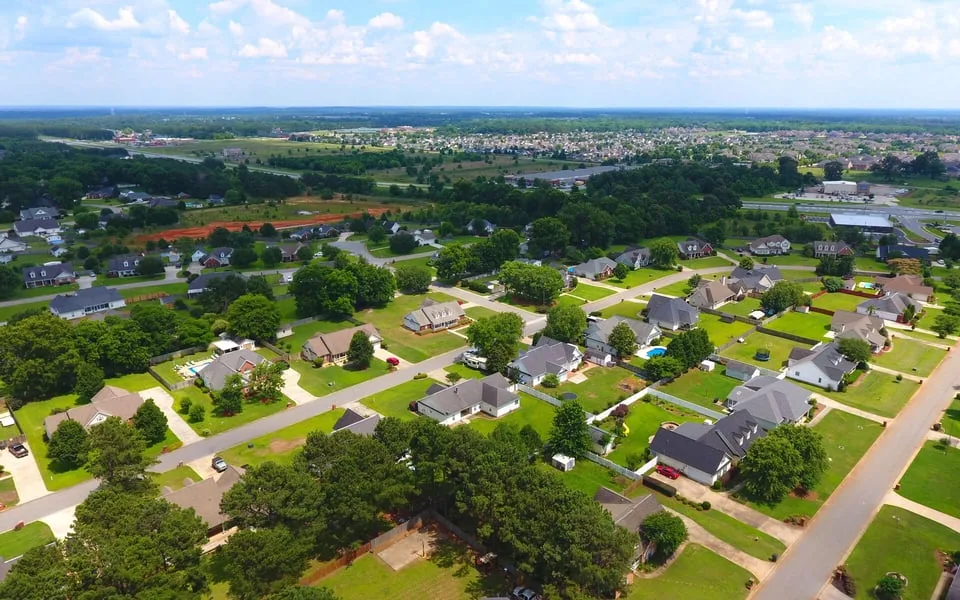
Pleasant Valley goes by the name of the rural country club of Wichita County, with above-average home prices and strong demand for land. For a roofer, that reputation raises a question the roof has to answer: how it looks matters as much as how it sheds water. In a town of 357 residents in the Wichita Falls, TX metro, a commercial building is easy to see from the street, so an owner may care about how the roof looks as well as how it performs.
So the first step is to learn what the owner values. Step one is the use and the roof age. Step two is a walk across the roof, edge to edge. Step three is a report that lists the repair options along with the look of each, so appearance becomes part of the decision and not an afterthought.
Metal Panels and a Clean Profile
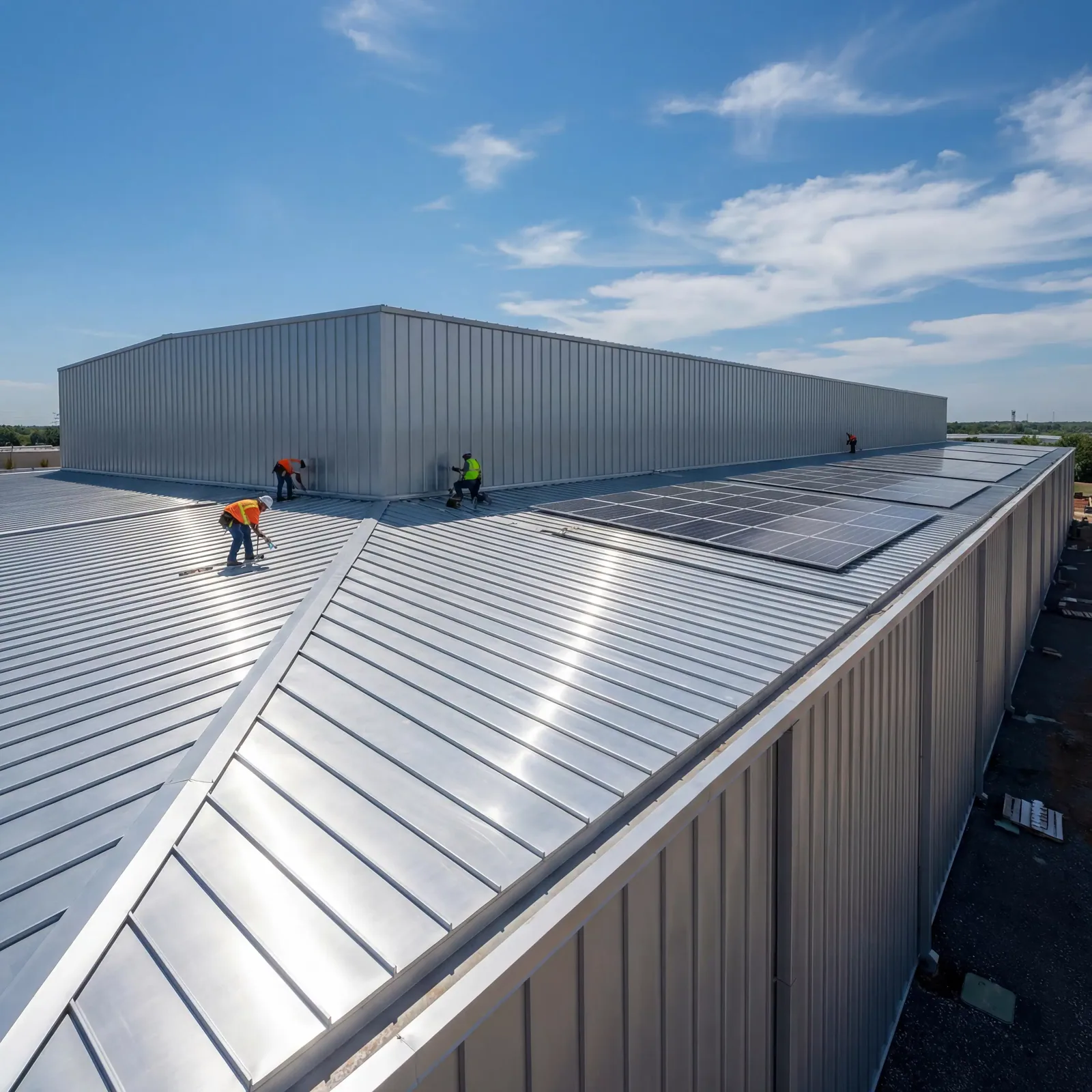
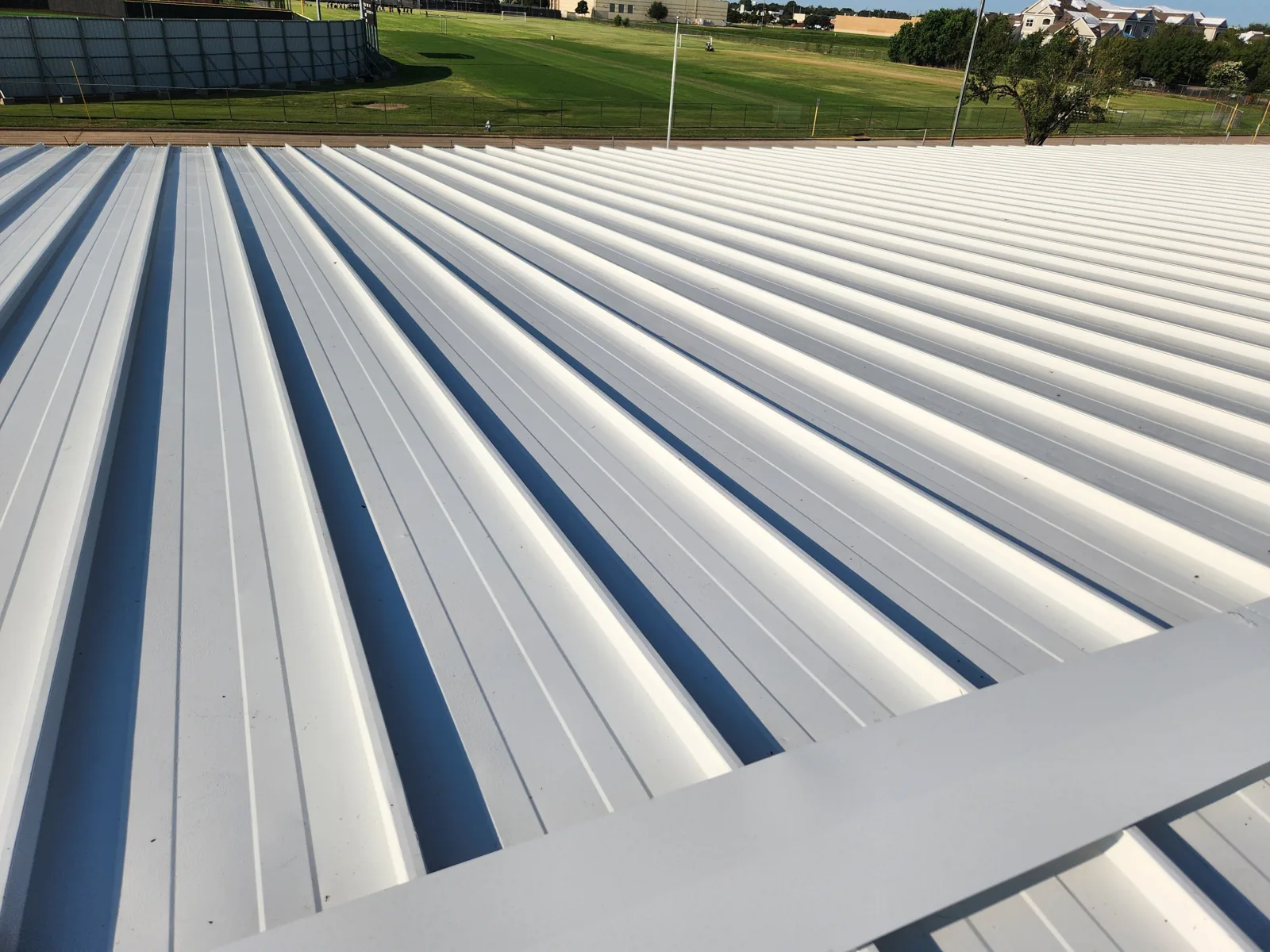
When appearance counts, owners can look at standing seam metal. The panels run in long straight lines, the seams stand above the surface and the fasteners are hidden beneath the panel clips. The result is a crisp profile that holds its color for years when the coating is sound.
It also suits a building that sees weather swings. Metal expands and contracts with heat, so the clip system has to let the panel move. We check how the panels are attached, whether the clips float freely and whether the sealant at the ends and the penetrations is intact. A metal retrofit over an old low-slope roof can add slope and a new finish without a full tear-off, if the framing can carry it.
When the Roof Is Flat and Out of Sight
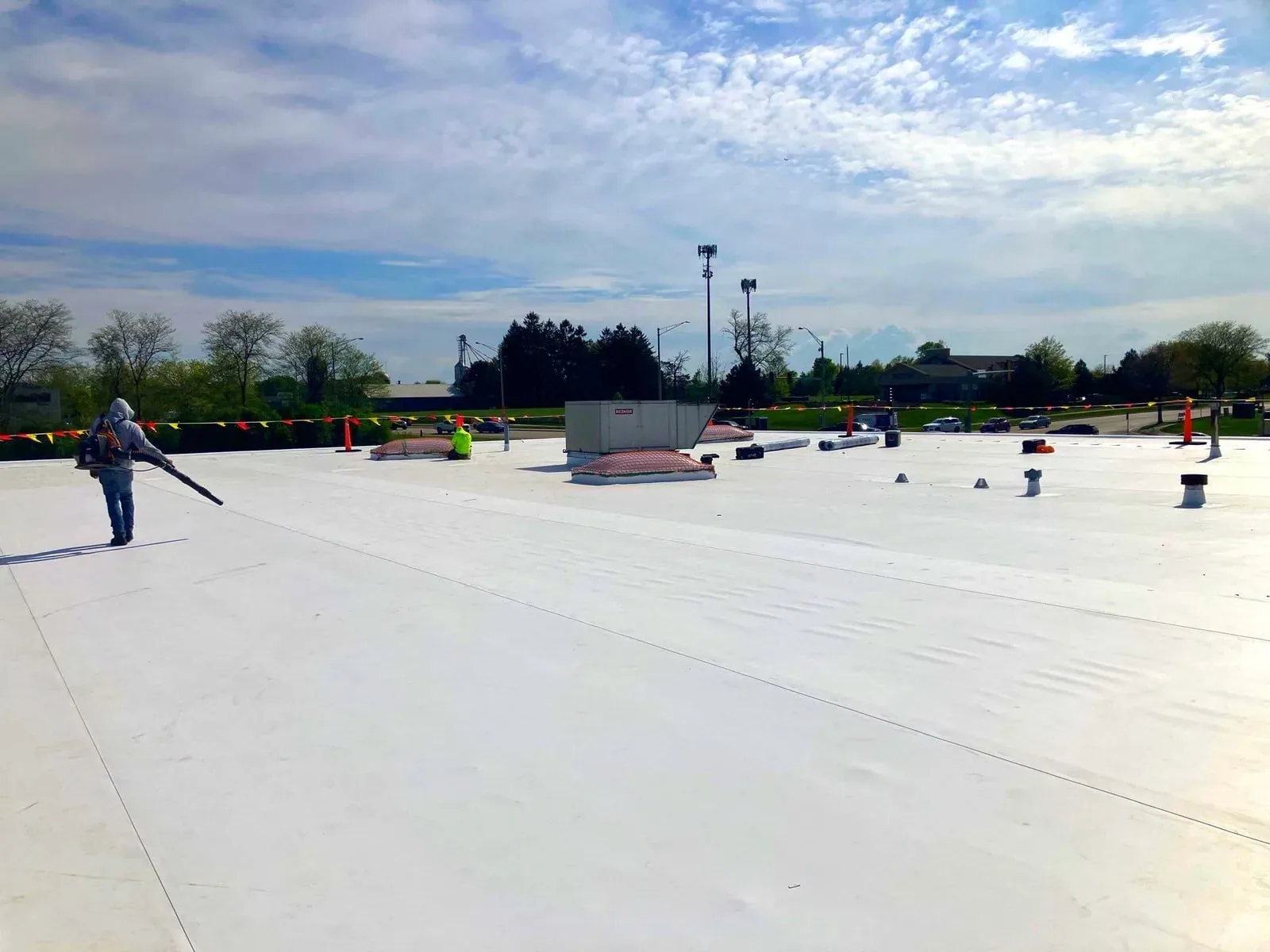
Many commercial buildings have low-slope roofs hidden behind a parapet. From the street the roof is invisible, so appearance is not the concern. Performance is. A white or light-colored membrane such as TPO reflects sunlight and keeps the surface cooler, which cuts the swing between day and night.
On a flat roof the weak points are always the same: seams, flashing at walls and curbs, and drains. We walk those in order, press along each seam and photograph every item. If the membrane is sound and the insulation is dry, repairs extend its life. If the insulation is wet, the repair becomes a replacement, and the report says so.
Heat, Hail and the Quiet Wear
Pleasant Valley is part of the Wichita Falls metro and gets similar summer sun, which means about four weeks a year of 100-degree heat and a 2011 count of 100. Heat dries sealant, chalks painted metal and pushes membranes through daily swelling and shrinking.
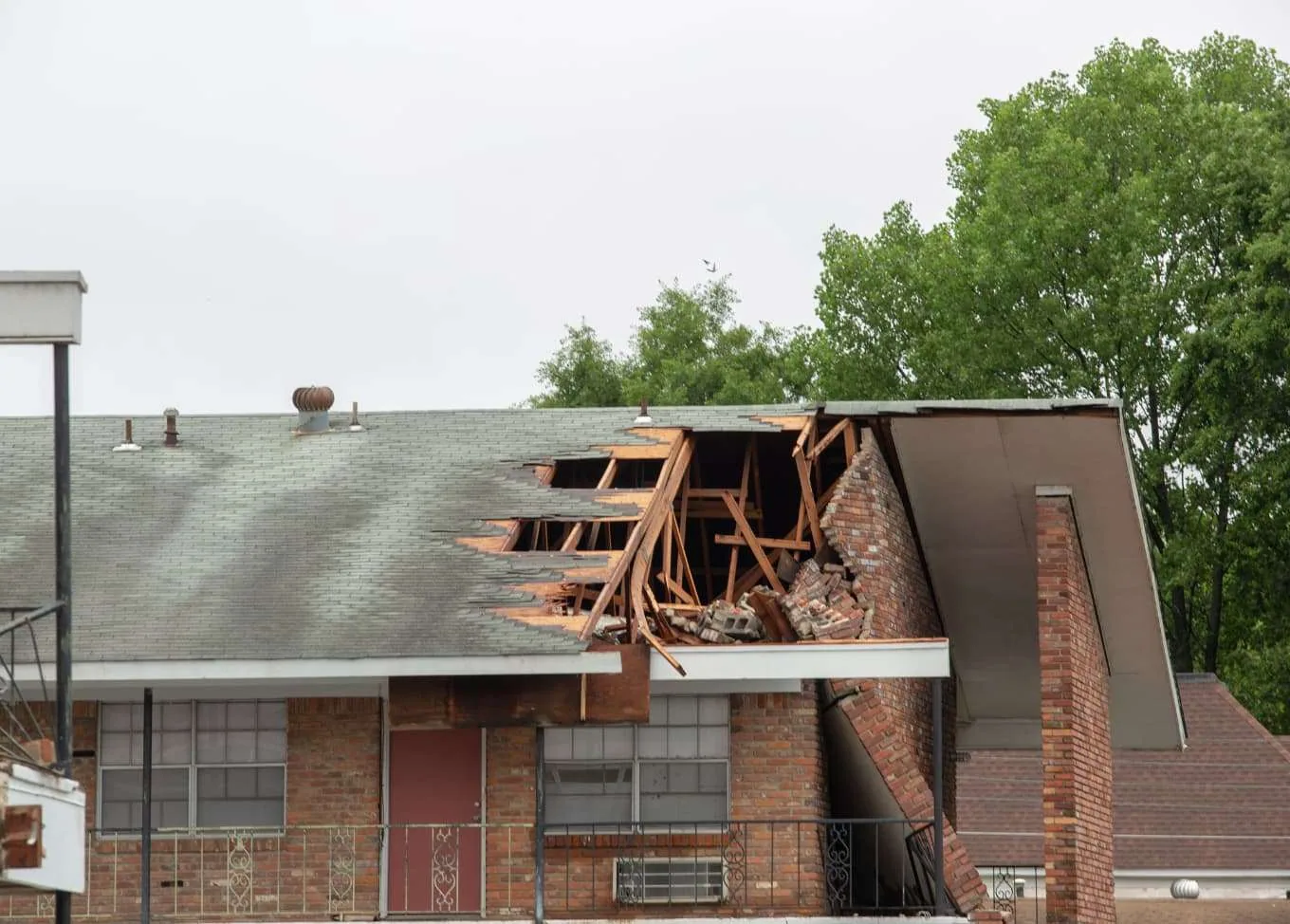
Hail adds a different kind of wear. In April 1991 baseball-size stones struck Iowa Park and Burkburnett, and golf-ball hail fell on Electra in March 1982, but neither record names Pleasant Valley or tells us anything about a roof here. What they do is justify a careful look after any spring storm, because a hail bruise or a dented panel may not leak until months later. When a roof does show bruising, we handle hail damage repair by marking and photographing each spot before any patch goes on.
Reaching a Rural Property
Most of Pleasant Valley is served by Iowa Park CISD, with a small portion in City View ISD. For us the useful point is planning. A rural property may have a long drive, a gate or landscaping to protect, and buildings in Iowa Park or Kamay can be walked on the same day as one here. We plan deliveries and staging with those details in mind.
Landscaping matters on this kind of property. We lay protection over plantings near the work, keep material off lawns and clean the grounds with a magnet sweep for fasteners at the end of every day. A written site plan goes to the owner first, so nobody is surprised by the truck or the hoist.
Choosing Between Repair and Replacement
A repair suits a small defect on a sound roof. A roof past its useful life, or one with wet insulation across a wide area, points toward replacement. The middle ground is a recover or a coating, which only works when the insulation is dry.
Cost follows roof size, system choice, how many penetrations need flashing, the amount of insulation to replace and how difficult the roof is to reach. Higher finishes such as standing seam cost more than a basic membrane, and we price them separately so the choice is yours. A cost line with a clear scope is easier to approve than a single lump sum.
Timing follows the weather and the membrane. Roof work wants dry days and moderate temperatures, and we stage materials so that no section is left open overnight. A planned project in the right season costs less than an emergency repair done in a storm, because the crew can schedule, order and protect the property properly.
What We Check on the First Walk
Step one is the perimeter, the line where wind and runoff do their heaviest work. Step two is every penetration. Step three is the seams and the field, pressed by hand. On metal we check laps, fastener heads and ribs. On a membrane we check seams and ponding lines. Then we photograph all of it.
The written report ranks each finding from urgent to watch-only. That list is the plan for spending, and it can be spread across seasons.
The drains get their own look at the end. After a rain we find the ponding line, the pale ring that marks where water stood. Water that lingers more than a day or two adds weight to the deck and wears the membrane faster. Clearing a clogged scupper takes minutes. Correcting a low spot that holds water is a larger job, and we price it as its own item so it does not hide inside a bigger number.
We also check the edge metal, because loose trim lets wind get under the membrane. A coping or gutter repair done early is inexpensive compared with a torn section of roof.
Commercial Roofing Questions
Can a roof upgrade improve the look of my property?
Yes, when the roof is visible. Metal panels and some membrane colors change the street view, and we show the options in the report. For hidden flat roofs the upgrade is about performance, not appearance.
Do you protect landscaping during the work?
We lay protection over plants near the work area, keep materials on hard surfaces and sweep the grounds with a magnet at the end of each day. We walk the route with you before we start.
How do I know a metal roof is sound?
We check the clips, the laps, the sealant at ends and penetrations, and the finish for rust or fading. A metal roof with loose clips or open sealant can leak in wind-driven rain. If the finish has faded but the panels are tight, a recoat may be enough. If the clips have worked loose, the repair is structural and comes first.
What if only a corner of the roof is damaged?
We repair that corner, test the area around it and report whether the damage spreads. A localized repair is often enough when the rest of the roof is sound. Water can travel under the membrane, so we confirm with moisture readings before we call the rest of the roof clean.
How fast can you respond to a leak?
Emergency calls are answered at any hour, holidays included. We cover the opening first and schedule the permanent repair for the next good weather.