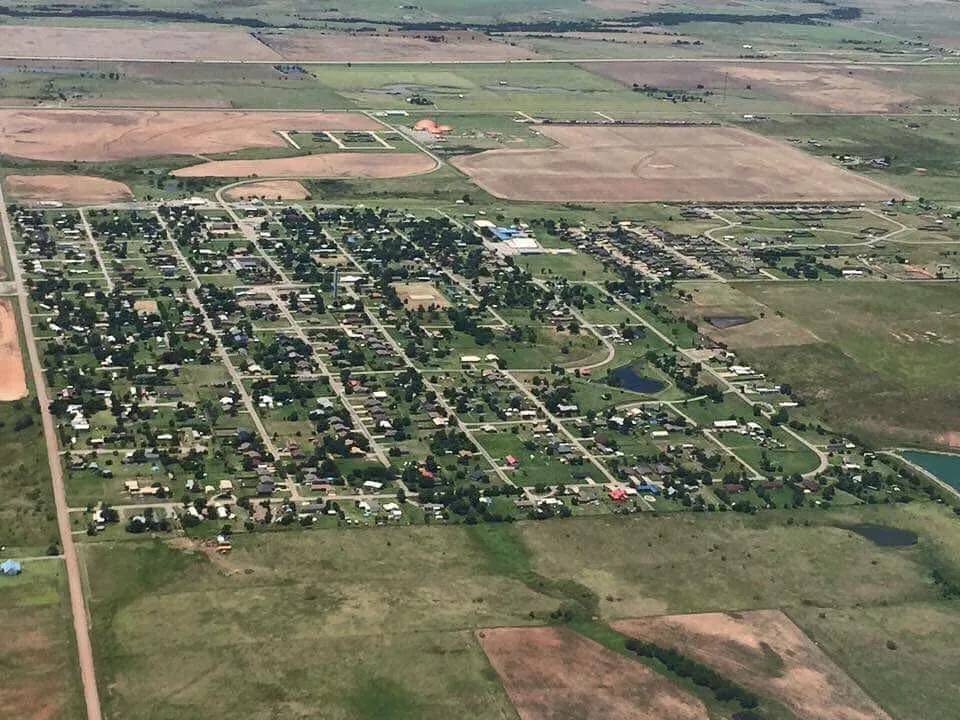
Cashion Community is about eight miles north of Wichita Falls, TX, on State Highway 240, and it had 286 residents at the 2020 census. In a place that size the owner who approves a repair is usually close to the building, so the report we write has to be readable by that owner, with no jargon left unexplained.
Step one is the building and what it is used for. Step two is the roof age and the history of leaks and patches. Step three is the walk, edge to edge, ending with a ranked list of findings and a photograph for each. Then the owner chooses what to do and in what order.
A Tornado That Ended Nearby
On April 3, 1964, an F5 tornado killed 7 people, heavily damaged downtown Wichita Falls and dissipated near the outskirts of Cashion Community. That storm is history, and it does not tell us anything about a roof here today. It does give us a reason to start any wind check at the edges.
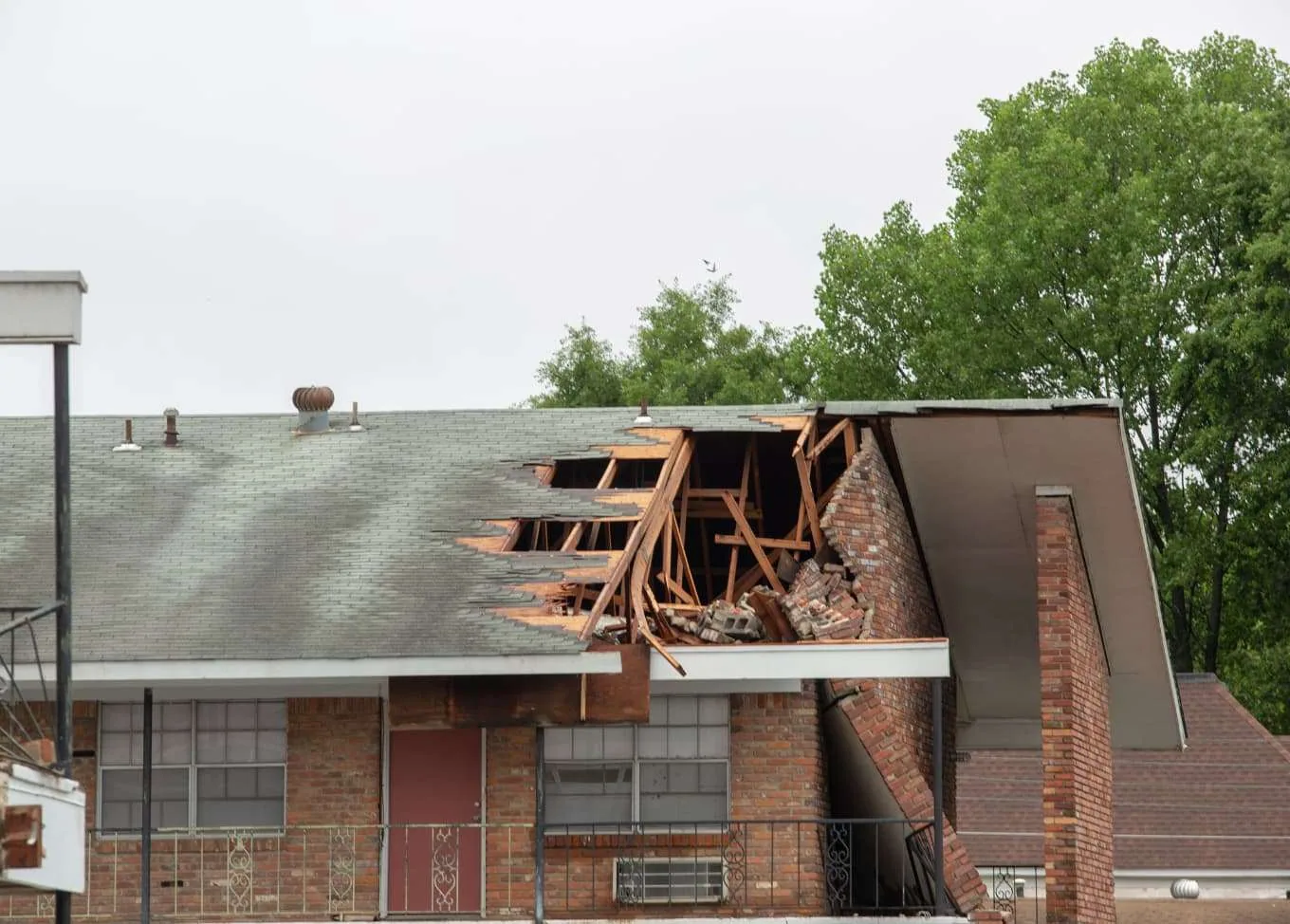
For a roof, the lesson is practical. Wind lifts a roof at the perimeter and at the corners, where the force is greatest. We check the edge metal and its fasteners, and the membrane inside it. When a storm warning is in the forecast, a loose edge is worth fixing first. Our tornado damage repair begins with a safe shutoff of the opening and a tarp, then a full assessment.
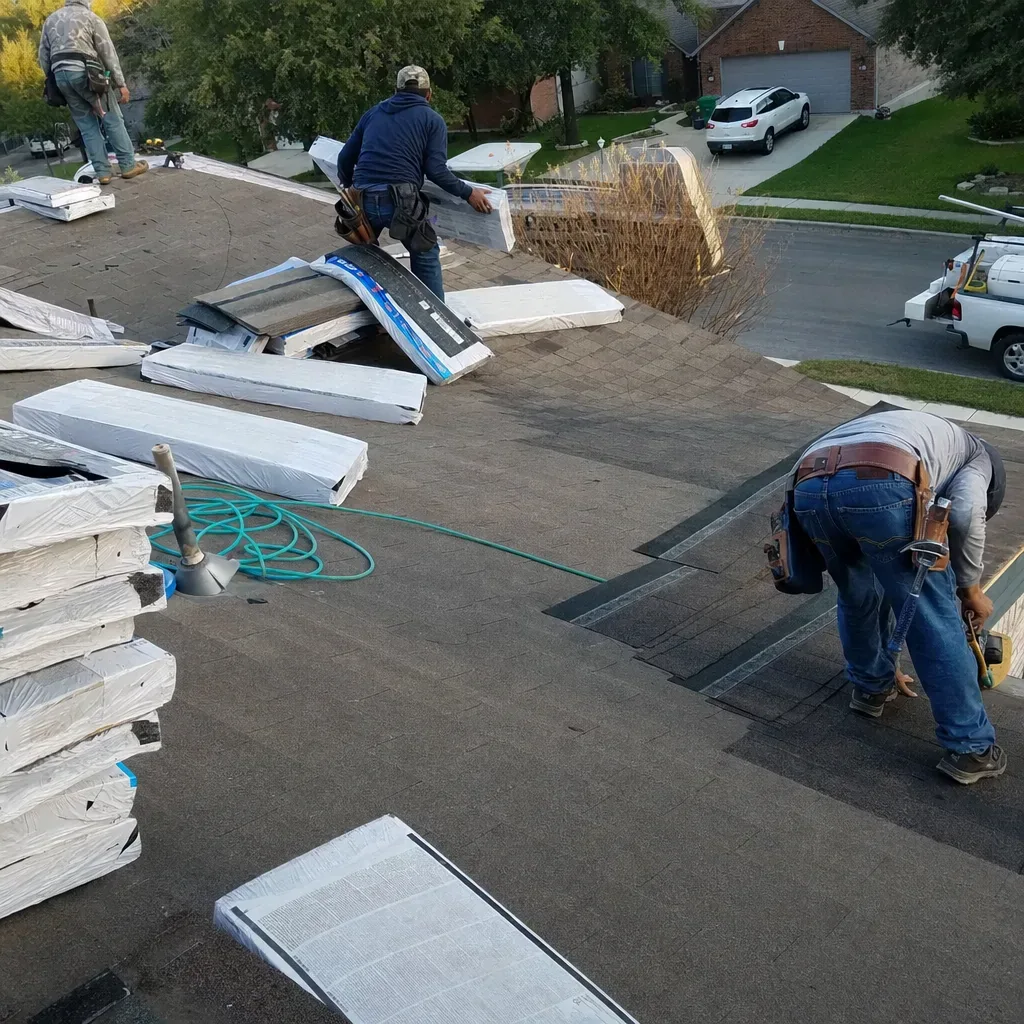
After a real storm, the order of work matters. First comes safety and a temporary cover over any opening. Second, we photograph the damage before anything is moved. Third, we write the scope for a permanent repair, and if an insurer is involved, we document the roof in a way that matches what the adjuster will look for.
Older Roofs and Oil-Era Buildings
A 1918 oil discovery brought residents to Cashion, and production declined in the 1930s. That history says little about the roofs it left behind, so each building is read on its own. Any older building, in any town, shares a few traits that matter to a roof: more patches over time, flashing that has been redone more than once, and decking that has seen many wet-dry cycles.
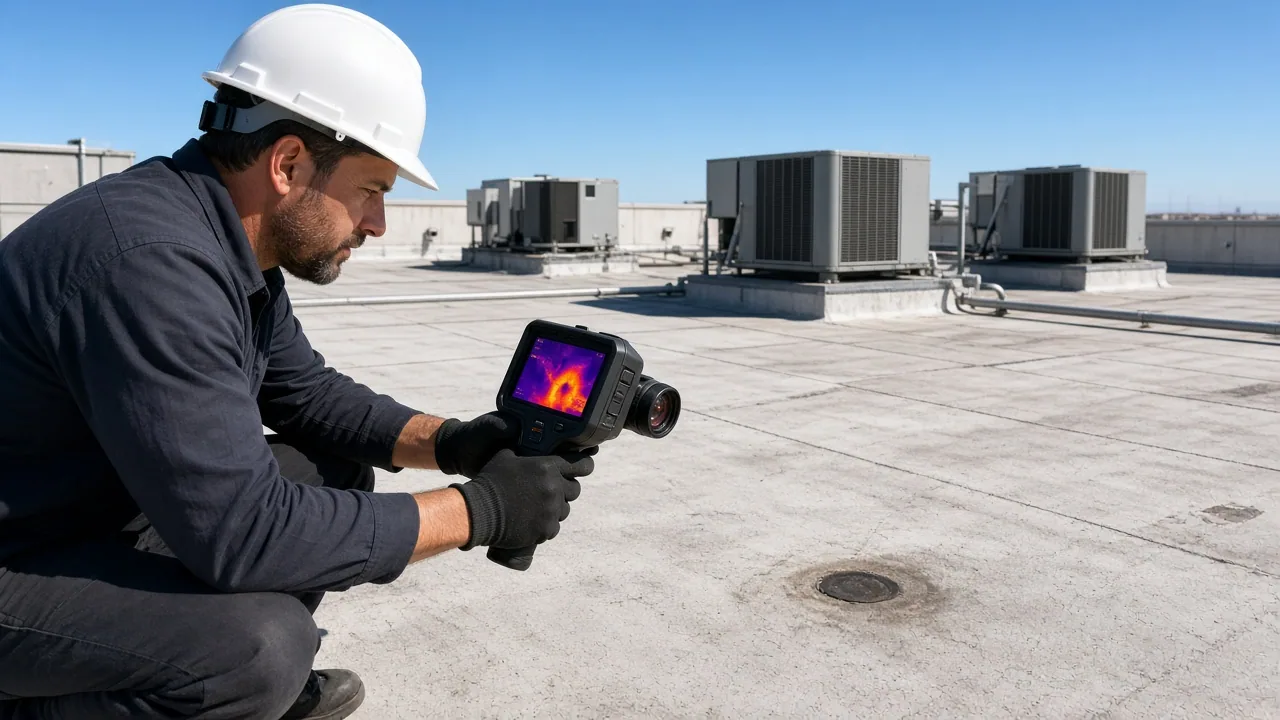
When we walk an older roof, we look for layers. A roof that has been recovered once may have two membranes and wet insulation trapped between them. Cutting a small test opening and surveying for moisture tells us how many layers exist and whether the lower one is dry. That determines whether another recover is a safe option.
Summer on a Dark Roof
Cashion Community sits eight miles from a city that sees roughly 28 days a year at 100 degrees, and it lies under a similar summer sky. Dark membranes absorb that heat and swell, then relax overnight. Repeated for years, it wears at seams and flashing.
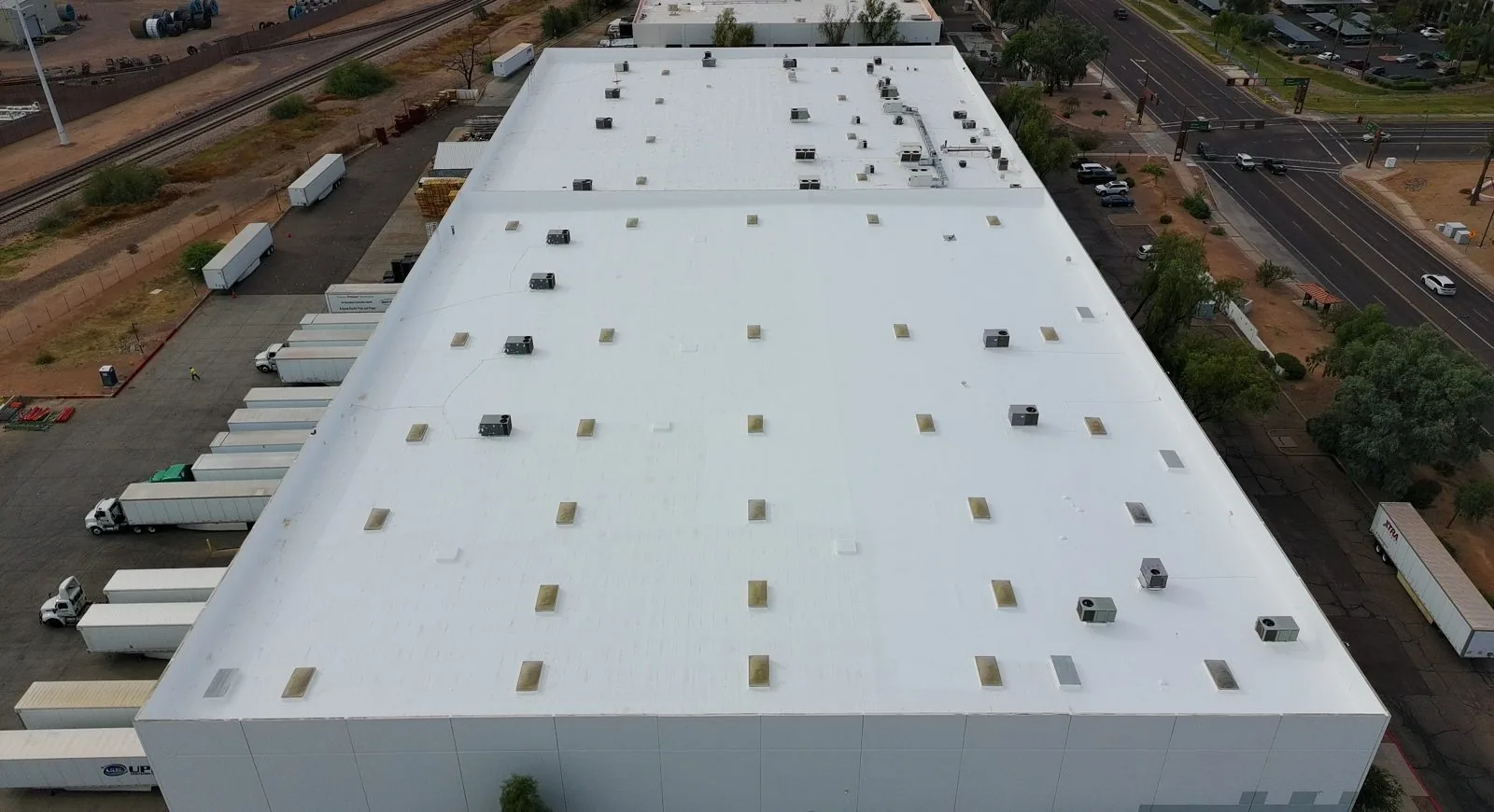
We see the signs as chalking on the surface, curling at seam edges and sealant that has split. A coating or a lighter-colored membrane can lower the surface temperature, which is one reason owners consider a cool roof. It will not fix a leak, and it will not dry wet insulation, so the repair work comes first.
Hail Records in the Region
Hail history in the region includes baseball-size stones at Iowa Park and Burkburnett in April 1991, followed by larger stones out at Sheppard Air Force Base in March 1993. Cashion Community is not named in those records, so we read them as evidence of what this region can produce, not as a statement about any roof here.
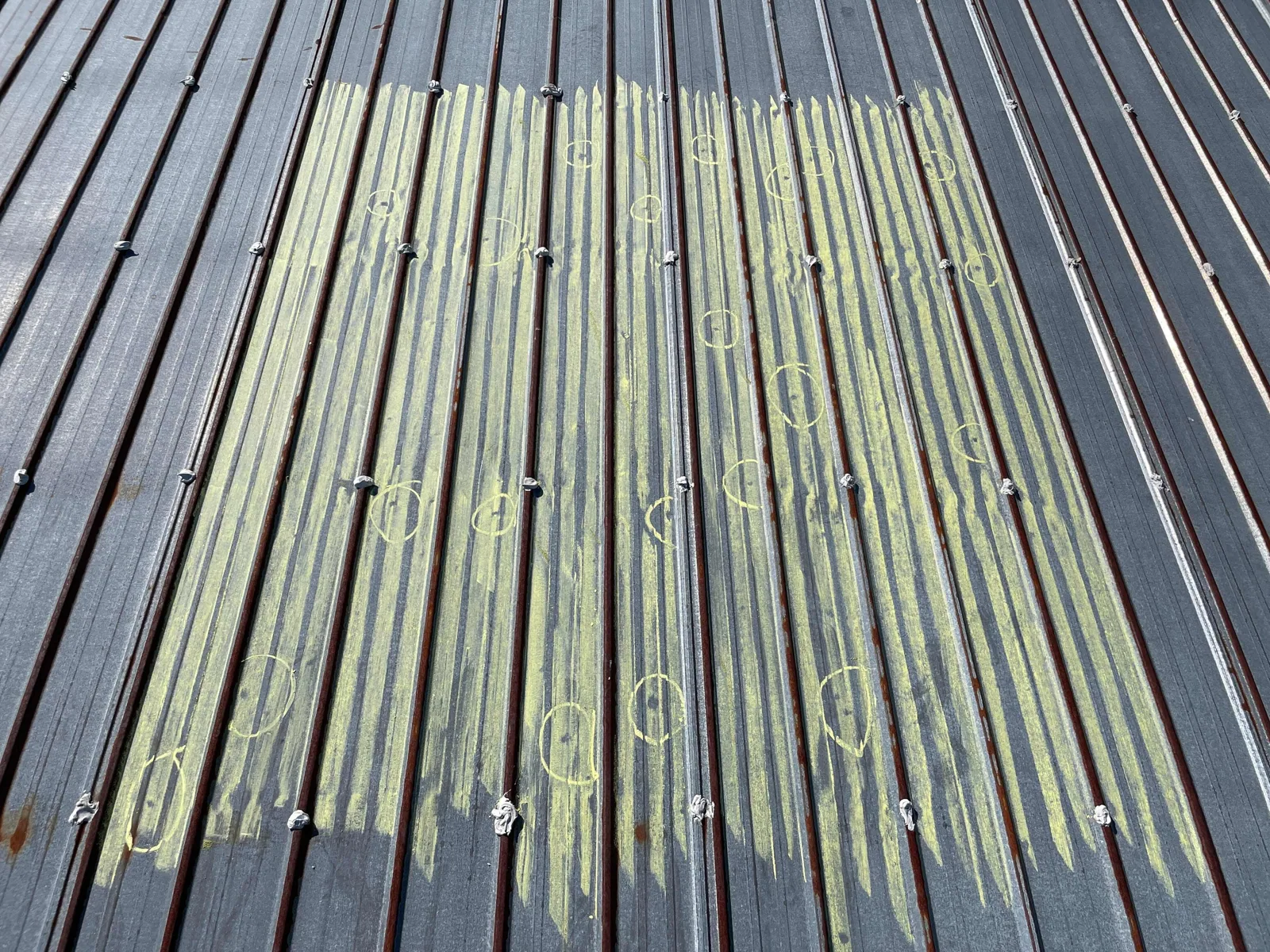
What matters is whether a particular roof shows bruising. We press the surface, probe soft spots and photograph each one. If bruising exists, the report supports a conversation with your insurer, and the repair follows a hail damage plan that treats each bruise on its own merits.
The Owner Decides
An owner makes the call on every item in the report: patch now, wait, or bundle several repairs into one visit. We write each option with its own scope, so the choice is a real one. A small repair is priced as a small repair. A recover is priced as a recover. A replacement is priced as a replacement.
Cost follows roof size, how much insulation is wet, the count of penetrations needing new flashing and the difficulty of reaching the roof. A building with a simple roof and good access costs less than one with many curbs and a tight site. If the building has a mortgage or an insurance condition, tell us, and we will write the report in a form that fits.
Owners who plan ahead can spread the work across seasons. Edges and flashing come first because they fail first. Drainage comes next, since standing water speeds up everything else. Surface treatments come last, after the roof underneath is sound.
Getting There From Wichita Falls
State Highway 240 runs to Cashion Community from the north side of Wichita Falls. The route is short enough that a morning walk-through fits most schedules. Wichita Falls Regional Airport, which shares runways with Sheppard Air Force Base, sits about six miles north of the city.
We plan the job around the building: where the truck parks, where the hoist stands, how debris leaves the site and where the crew stays out of the way. Buildings in the north Wichita Falls airport area and in Iowa Park can be walked on the same day. Emergency calls run at any hour, holidays included.
Walking the Roof
Step one is the perimeter. Step two is every penetration: pipes, vents, units and curbs, each with flashing that can crack. Step three is the seams and the field, where we press by hand for soft spots. On metal, we check laps, fasteners and sealant at the ribs. Last, the drains. A ponding line after rain tells us where water lingers and where the deck may have settled.
The inspection report ends with a ranked list. The top of the list is what to do first, and the bottom is what to watch.
Commercial Roofing Questions
Does the 1964 tornado mean my roof has old damage?
No. That storm is a date in the weather record, and your roof is judged by what we find on it. We check edges, fasteners and seams and tell you what we see.
I own the building and live nearby. Can you meet at the roof?
Yes. An owner is welcome to walk the roof with us, and we explain each finding as we go. If you would rather see photographs first, the report has them. We ask that you stay clear of the roof edge and keep children and pets away from the ladder while we work.
How do I know if my roof has been covered more than once?
A recovered roof often has a slightly raised edge and extra layers at the parapet. We confirm with a small test cut, then survey for moisture between layers.
Will an insurance adjuster accept your report?
Adjusters decide for themselves. What we provide is clear photographs, dated notes and a plain description of each finding, so the information is easy to follow. We also keep the dated photographs and measurements in one place, so a second look months later still has the original record to compare against.
What is the quickest way to stop a leak tonight?
Call us. We tarp or seal the opening first, then return for the permanent repair when the weather allows. Move stock or equipment away from the drip, and tell us where the water appears.