An insurance claim on a commercial roof is a paper problem that sits on top of a physical one. The physical problem is damage to a membrane, insulation, metal or flashing. The paper problem is showing, in a way an adjuster can verify, which damage came from which event and what it costs to put right. An owner who treats the roof file as evidence has a simpler conversation than one who arrives with a phone photo and a guess.
We do the roofing side of that work: inspect, measure, photograph, write the scope. Here are the steps in order.
Step One Is the Policy
Before anything else, read what the policy covers. Some commercial policies treat hail and wind differently from other perils, set a separate deductible for wind or hail, or require the damage to be reported within a set window. Others exclude cosmetic damage to metal or limit coverage on older roofs to depreciated value. None of that is ours to interpret, but the owner needs to know it before the inspection, since it shapes what we record.
We ask for the declarations page and the roof section of the policy if the owner is willing to share them. Knowing the deductible tells us whether a modest repair is below it. Knowing the reporting window tells us how quickly the inspection has to happen. Each fact changes the plan, and none changes what the roof actually shows.
Ask for the claim number and the adjuster's name as soon as they exist, and put both on the inspection file. When the adjuster visits, a member of our crew is on the roof with the drawing, the photographs and the cores, so the walk covers the same ground ours did.
Step Two Is the Inspection
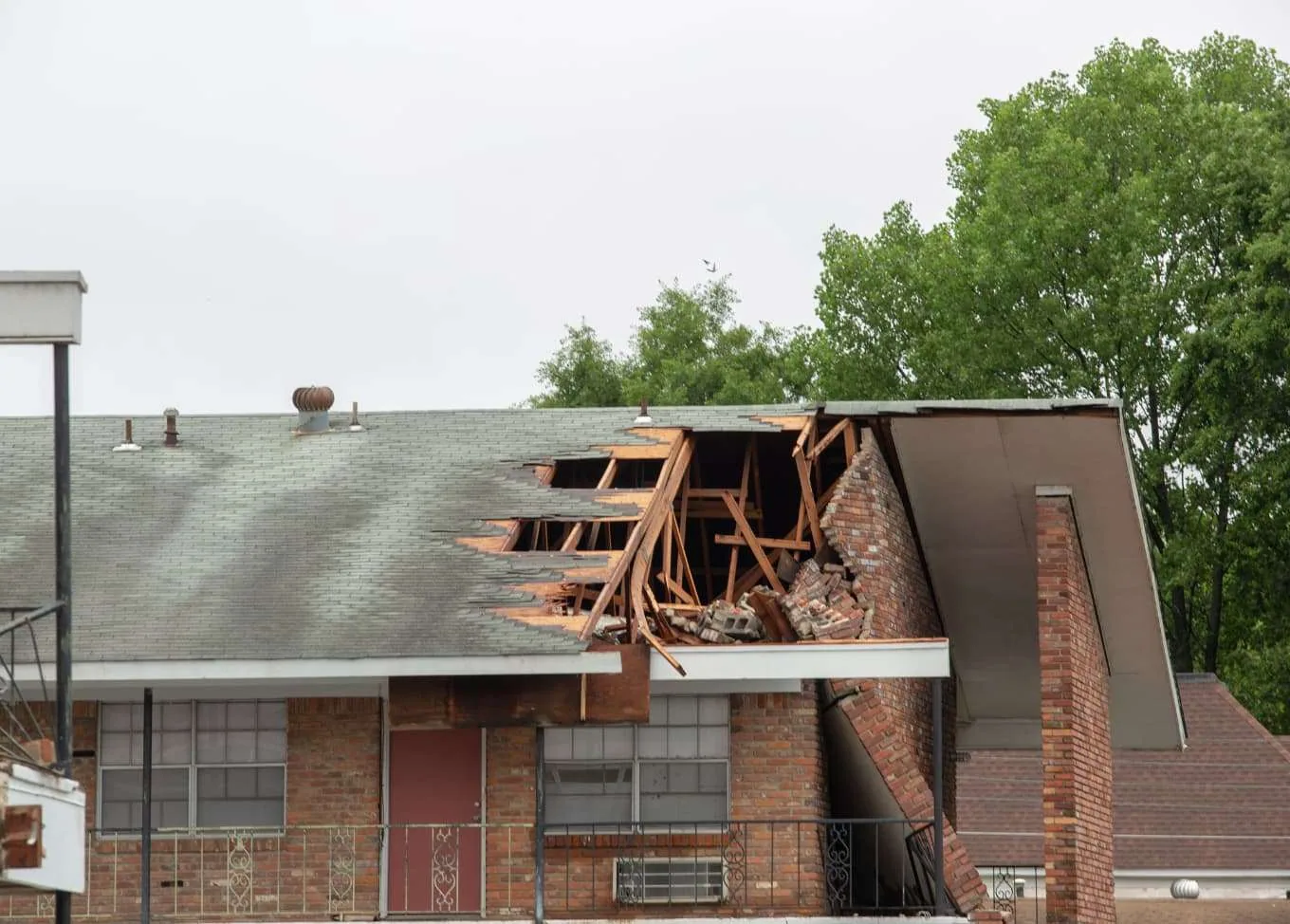
The inspection is the heart of the file. We walk the whole roof, not just the area where water showed up. We press and probe for hail bruises, count them in test squares, check edge metal and flashing for wind lift, and look for punctures from debris. Cores at representative points show whether insulation under the membrane has been crushed or soaked.
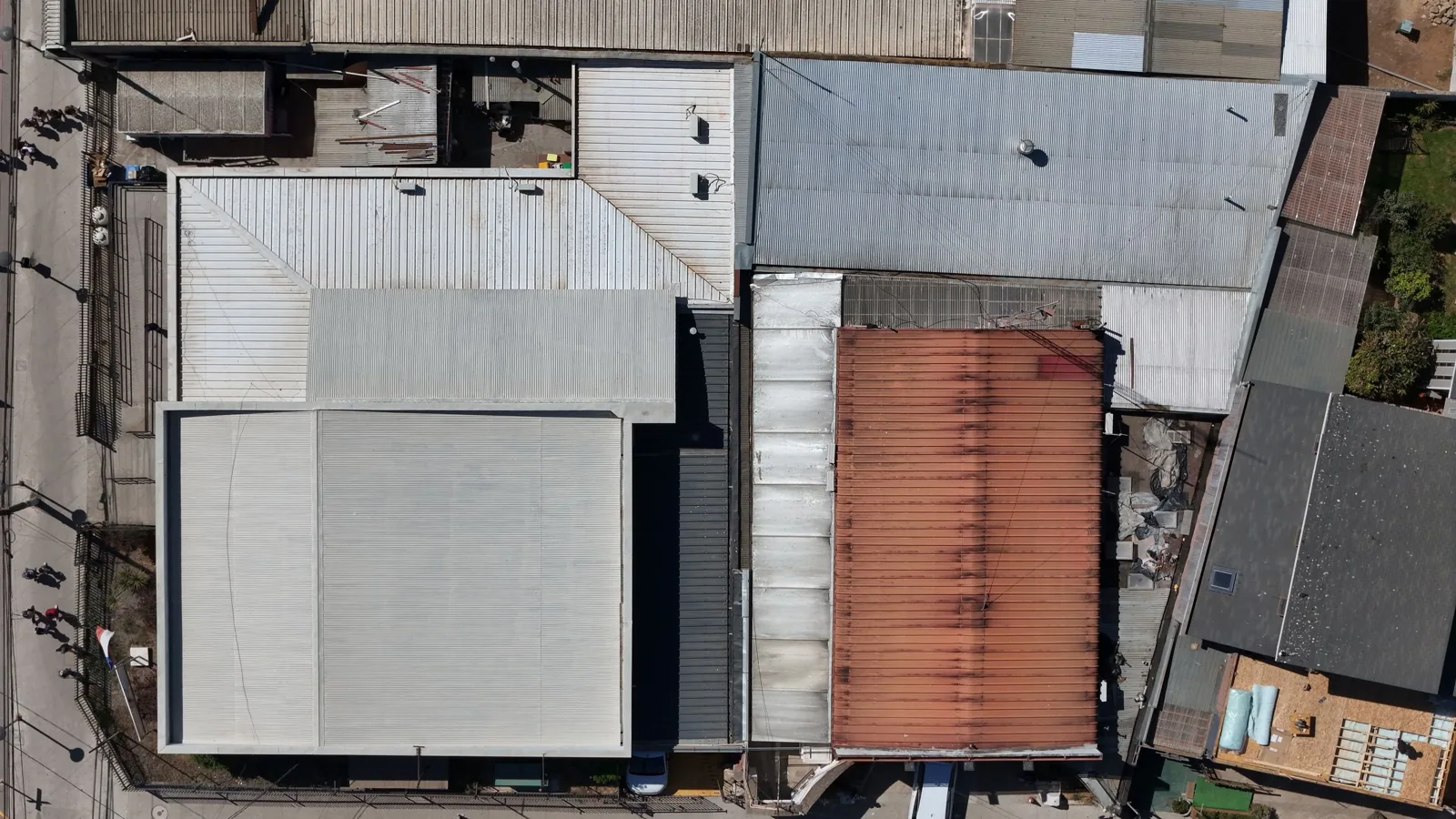
An infrared moisture survey can add evidence where the question is whether water got in, and drone photography adds overhead views for roofs that are tall or steep. Every finding is tied to a location on a roof drawing, so a reviewer can find the same spot we found.
Dates matter. We note the date of the storm, the date of the inspection and the weather in between, since rain after a storm can add to interior damage and a delay in reporting can complicate a claim. Photographs carry a date and a location on the drawing.
Match the Damage to the Event
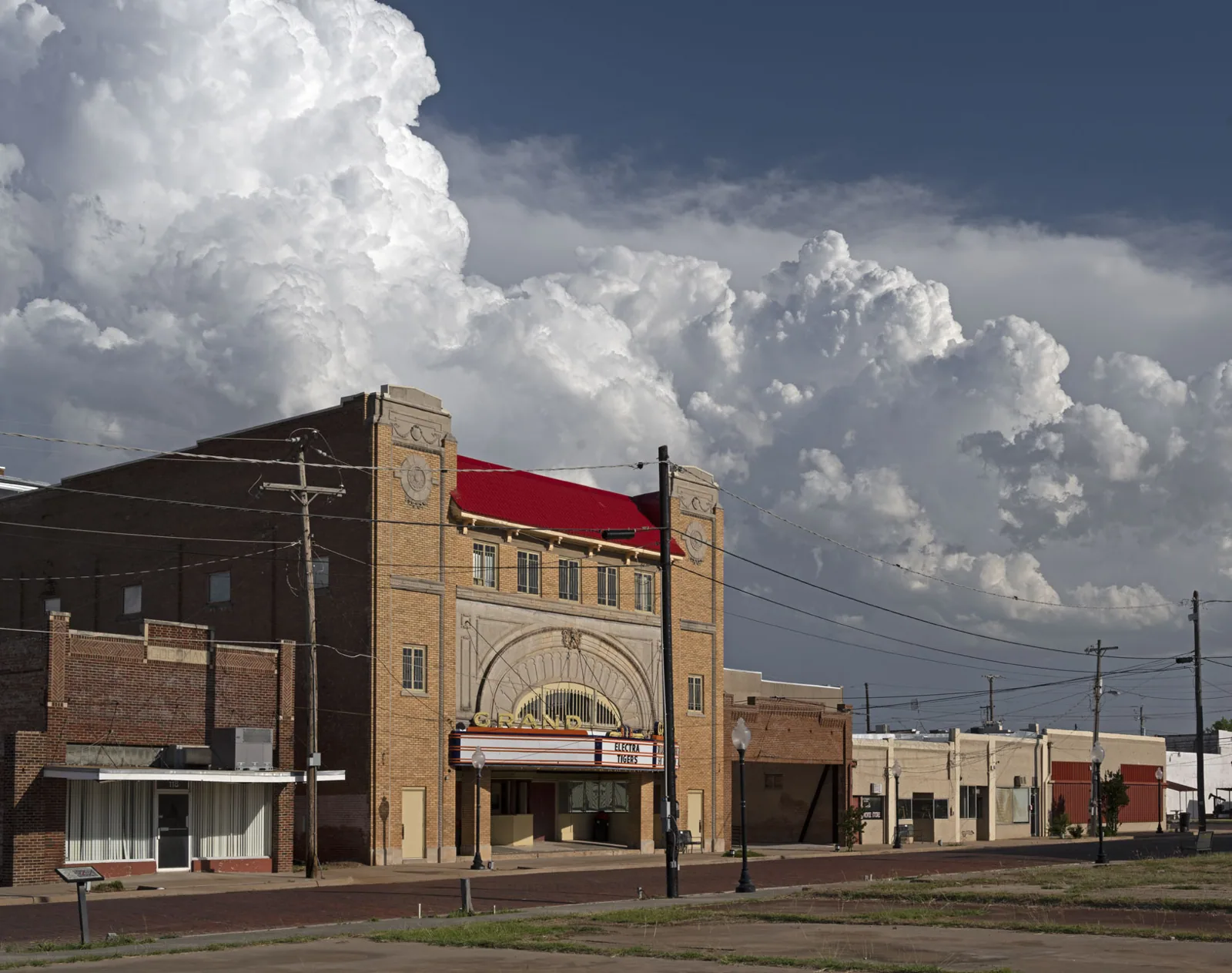
Adjusters ask when the damage happened and what caused it, and the roof has to answer. Hail larger than baseballs struck Sheppard AFB on March 29, 1993, and golf-ball stones fell for a quarter hour in Electra in March 1982. Records like these show the kind of storms this region produces, but they do not prove damage on any particular roof, and a claim has to rest on what the roof shows.
So we separate fresh damage from older wear. Fresh hail bruises have crisp edges and bare asphalt. Older ones have weathered. Wind damage sits where uplift is highest. Heat and ultraviolet wear spreads evenly across a surface, and Wichita Falls sees triple-digit highs on roughly four weeks of a typical year, so sun aging is real and must not be blamed on a storm.
The Written Scope
The scope is a plain description of the work, area by area, with quantities. It states which parts of the roof need repair, which need replacement and why, and it names the materials and methods. It includes the items that come with a replacement: drainage corrections, edge metal, flashing upgrades and the removal of wet insulation.
We write it in the same order an adjuster reads a roof, so the two documents can be compared line by line. When the adjuster's scope differs from ours, we put the difference on paper with the photograph that supports ours, and we keep the tone factual. A good scope disagreement is two documents and a roof, not an argument.
Wet insulation is the line item that most often changes a scope. Water that entered through a hail-split seam can spread across a wide area, and the cores show how far. If the insulation is wet, it comes out, and the claim has to say so with the core results attached, since a scope that covers only the membrane leaves the building with a roof that will fail again.
Large and Multi-Building Claims
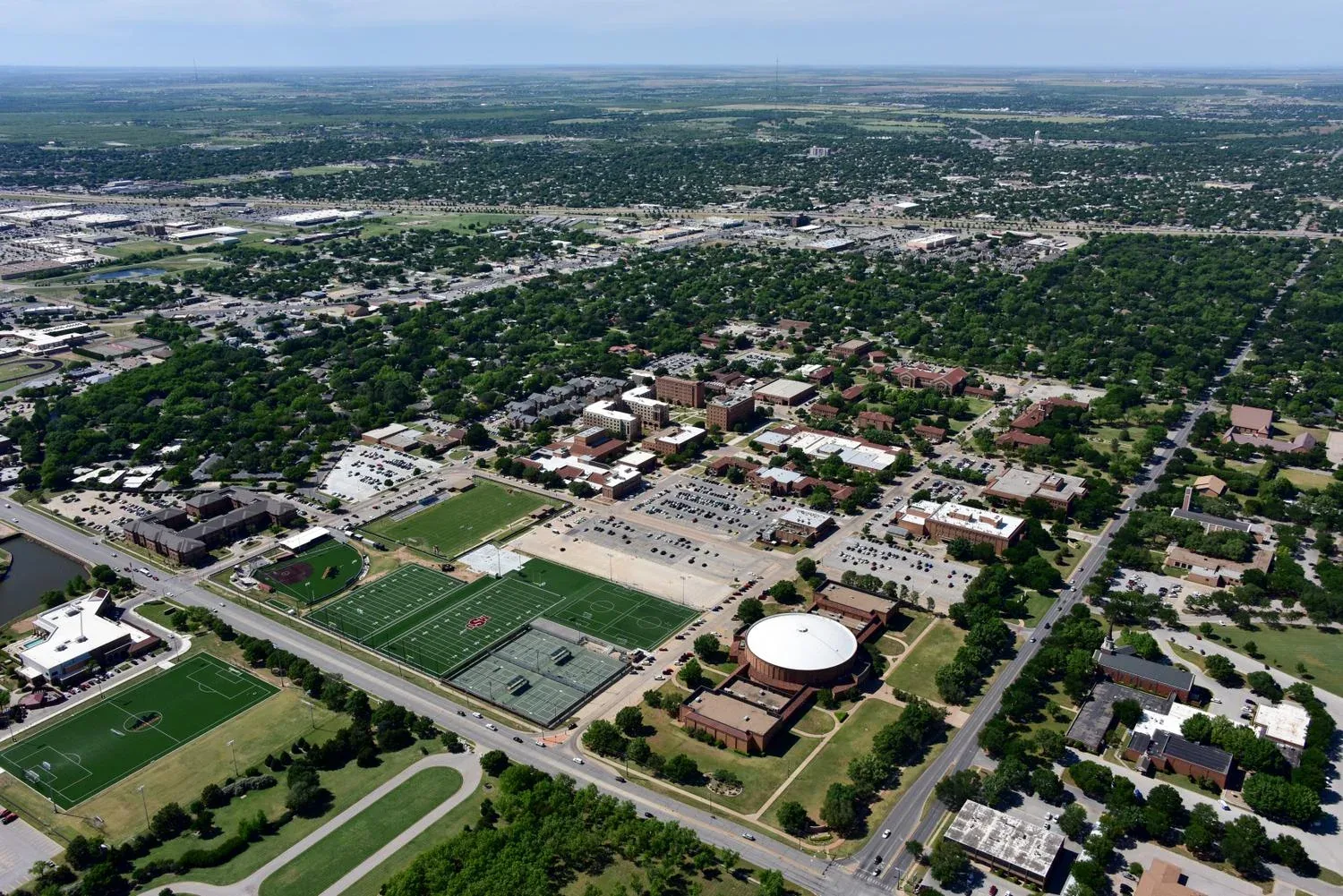
Some owners hold many roofs. Midwestern State University occupies a 255-acre campus off Taft Boulevard with 50 or more buildings, and a school district, a hospital system or a property group may have a similar spread. A storm that crosses a large portfolio needs a method, not a heroic effort: one inspection format for every building, one photo standard, one numbering scheme and one summary table.
With that structure, the claim can be filed building by building and the repair work scheduled in priority order. Roofs with active leaks go first. Roofs with moderate damage follow. The file for each building stands alone, and a multi-site roof program can reuse the format for later years.
After the Claim Settles
When a settlement comes through, the owner decides what to do with it. Repairs can go ahead right away. A replacement may be scheduled for a dry season. Some owners take a partial payment and phase the work. Whichever route is chosen, the repair has to match the scope, and the finished roof is photographed against the original findings.
We keep the file open until the closeout is done: before-and-after photographs, product data, warranty paperwork and the final invoice. If the first storm damage repair was temporary, the permanent work is tracked against the same record, so the whole story stays in one place for the next owner or the next storm.
Keep the file. A roof history that shows a claimed event, the documented repair and the closeout photographs is worth a great deal to a buyer, a lender or the next adjuster, and it costs nothing more once the work is done.
Commercial Roofing Questions
Do you file the claim for me?
No. The owner or the owner's agent files it with the insurer. We provide the inspection, the photographs, the counts and the written scope that support it, and we are available to walk the roof with the adjuster.
Will the insurance company approve my claim?
We cannot say, and no roofer can. Coverage depends on the policy and the adjuster's findings. What we can do is make the roof's condition clear, so the decision rests on accurate information.
How long do I have to report storm damage?
Your policy sets the window, and it varies. Read it as soon as a storm hits, and get the roof inspected before the deadline so the report has evidence behind it.
What if the adjuster says the roof is just old?
Then the file separates age from storm. Fresh bruises, lifted edges and torn laps look different from weathering, and photographs with test-square counts show the difference. If the roof is both old and damaged, the scope says so.
Should I make repairs before the adjuster visits?
Make only the temporary repairs needed to stop water from entering, and keep photographs and receipts. Permanent repairs usually wait until the claim is reviewed, unless the building cannot stay dry without them.