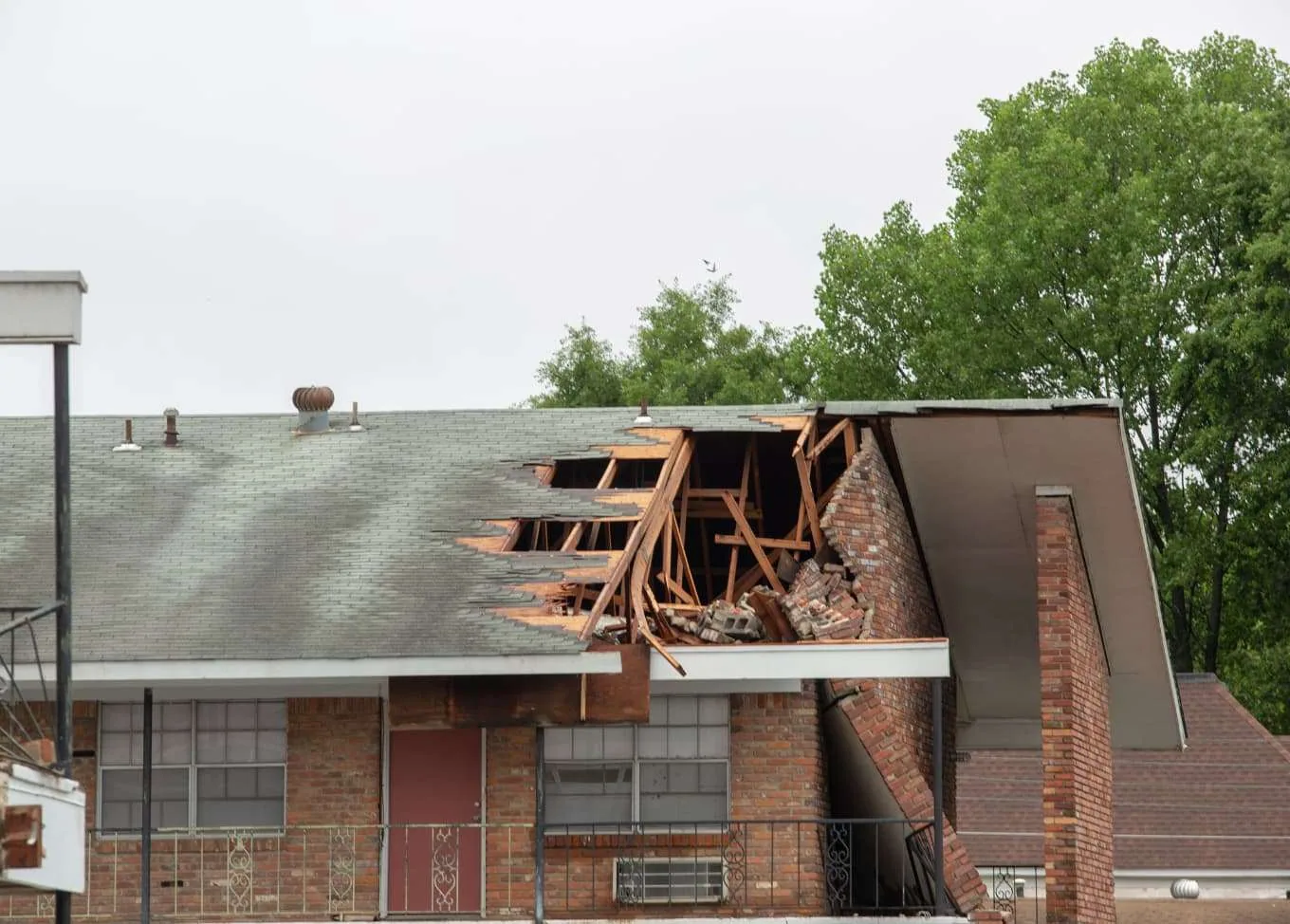
A tornado leaves a roof in one of three conditions: gone, torn open or apparently untouched. The third is the one that surprises owners, because wind that did not take the roof can still have loosened it from the building. Step one after a tornado is not repair. It is to learn whether the roof is still attached to the structure and whether the structure is still sound.
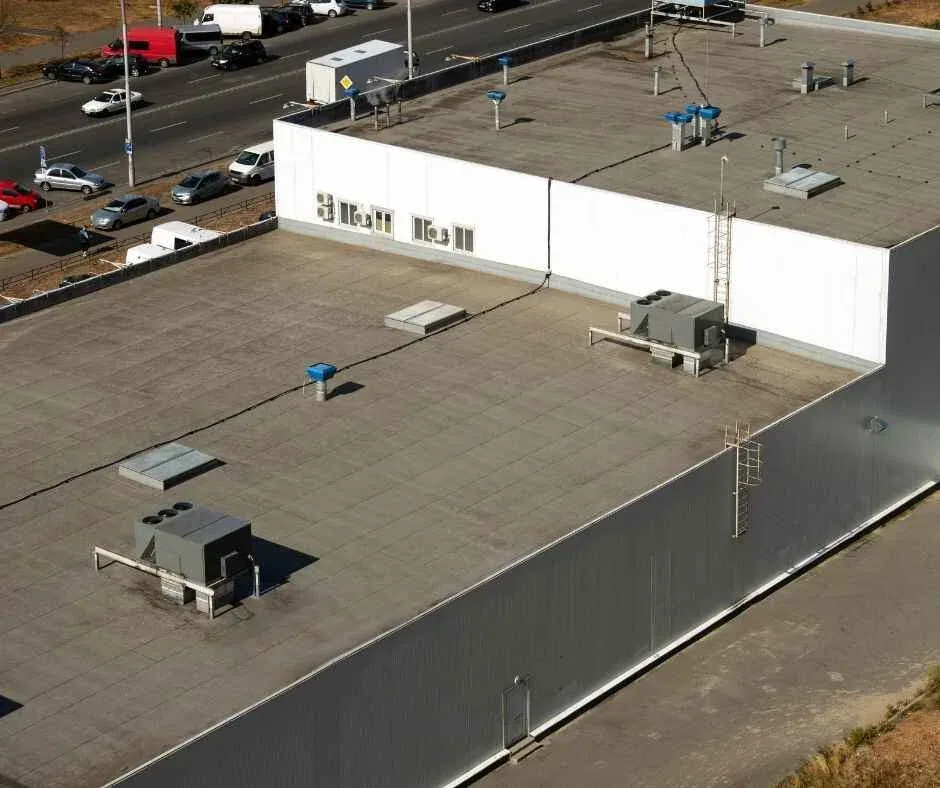
We respond to tornado damage on low-slope and metal roofs at Wichita Falls, TX commercial buildings. We make the building safe and dry, work with engineers and adjusters on the structure, document the roof in detail and plan the rebuild in stages. Emergency response runs around the clock, holidays included.
Two Storms in the Record
Two major tornadoes stand out in the record. On April 3, 1964, an F5 tornado killed seven people, did heavy damage in downtown and dropped debris on every Sheppard AFB runway. On April 10, 1979, an F4 tornado killed 42 people directly, destroyed more than 3,000 homes and over 100 commercial businesses, and caused an estimated $400 million in damage along an eight-mile path across the southern and eastern parts of the city.
These facts are history and context. They are not evidence of damage on any roof today, and they do not tell us how a given building will behave in the next storm. What they do show is how much commercial roofing can be at stake in a single afternoon, and why owners here pay attention to attachment, edges and structure. We treat each roof on its own record.
The first hours
Safety comes before roofing. A roof that has been hit by a tornado may be unstable, and walls, decks and joists may have been moved. We do not step on a damaged roof until a structural check or building official says it is safe, and we work from the ground, lifts and edges until then. Downed power lines, gas leaks and hanging debris are reported and cleared by the right people.
Once access is allowed, we stop the water. Open areas are covered, torn membrane is secured, loose metal is removed and drains are cleared. Emergency roof repair is the first stage, and temporary protection is photographed and recorded as temporary. A tornado is often followed by rain in the same season, so a covered roof protects the interior from a second loss.
Military and aviation buildings have their own rules. Sheppard AFB has its own tornado record, with strikes in April 1961, April 1962 and April 1964, and nearly all the control tower windows broke in 1962. Work on a base follows access, escort and scheduling rules set by the installation, and roofing there is built to the Unified Facilities Criteria for roofing. We plan for those steps from the first call.
What to inspect after a tornado
Start with the attachment. We check whether the deck is still fastened to the structure, whether the insulation and membrane are still fastened to the deck, and whether edge metal and parapets have moved. Debris strikes leave punctures and gashes, and uplift leaves wrinkles, billows and peeled seams. A roof that looks flat may be loose under the surface.
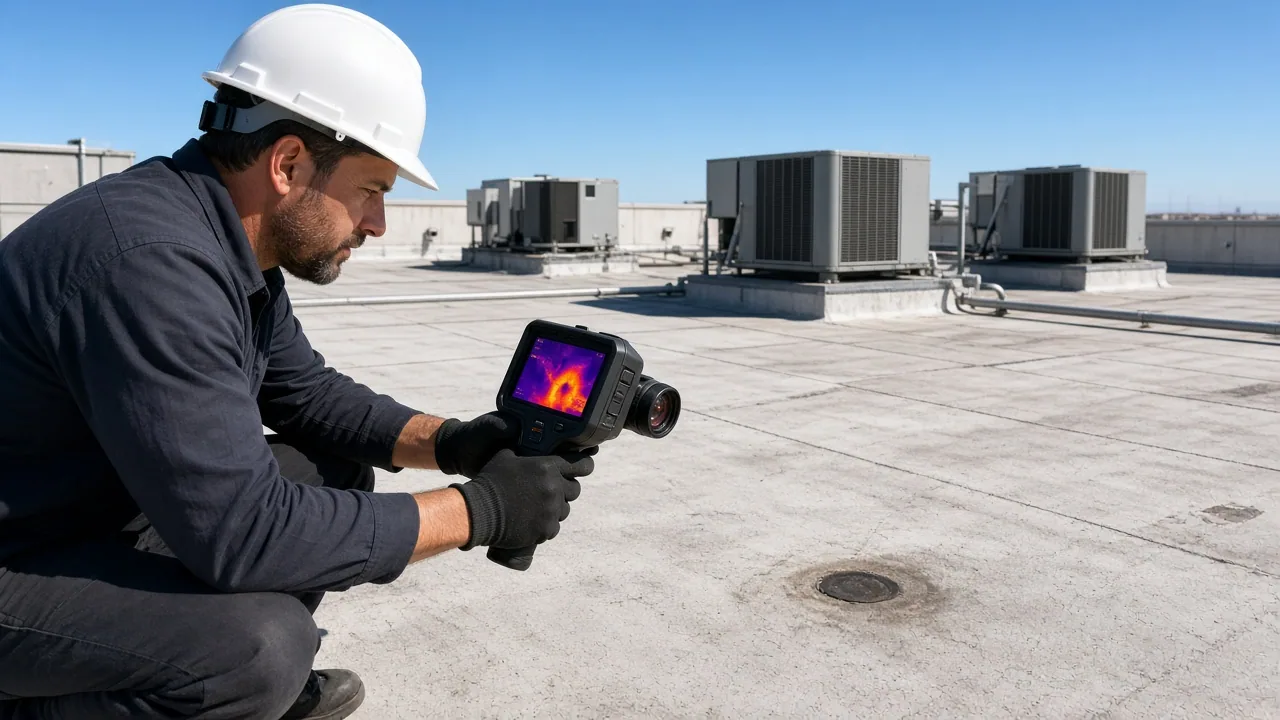
Look next at equipment and penetrations. Rooftop units may have shifted on their curbs, ducts may be bent and flashings may be pulled free. Each of those becomes a leak path. We map every item and work with the mechanical trades on safe reconnection. An infrared moisture survey then shows where water has entered the assembly, so that dry insulation is not torn out and wet insulation is not left behind.
Debris is its own hazard. Metal sheets, lumber, signage and gravel from other buildings land on roofs in a tornado and often puncture or tear the membrane they hit. Each impact is marked, photographed and repaired, and we look for the trapped debris that works its way under flashings. Cleanup of the roof surface and gutters is part of the first visit, since clogged drains turn the next rain into a ponding problem.
Rebuilding in stages
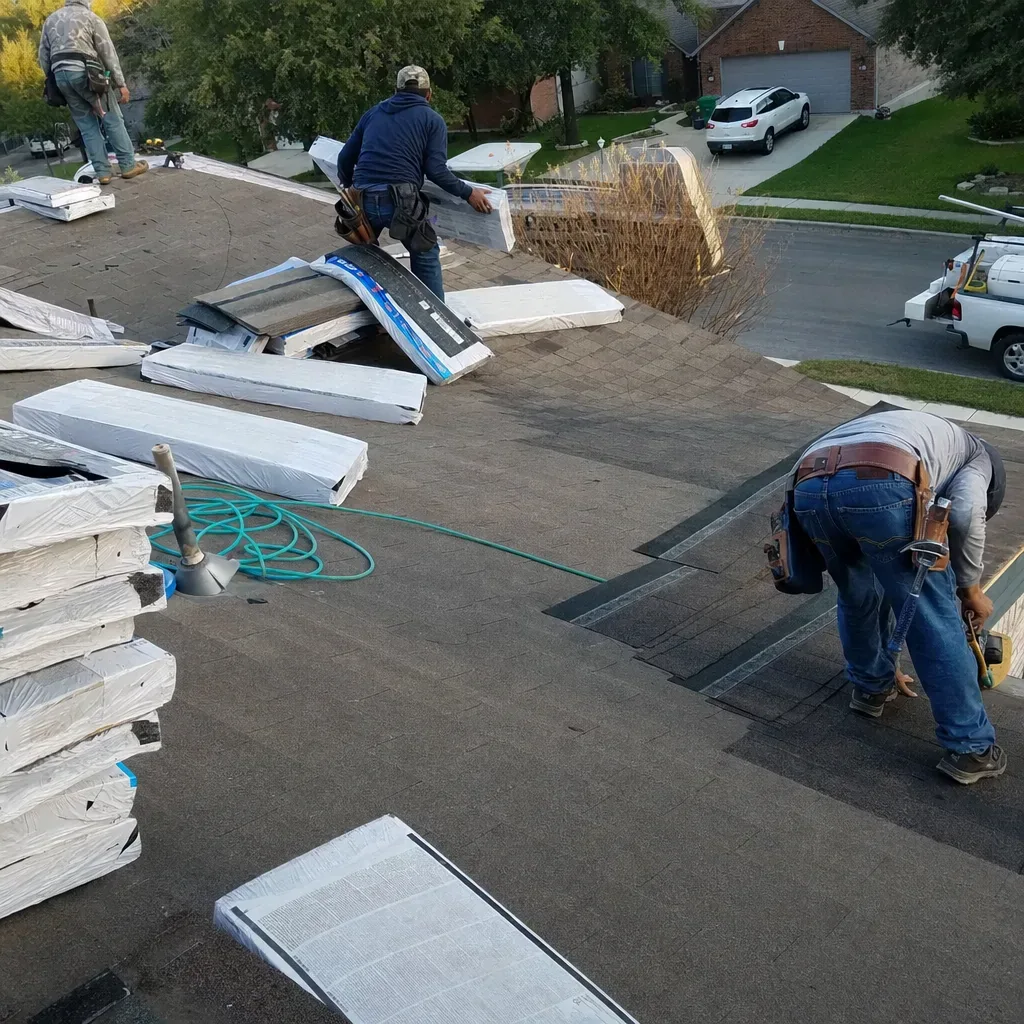
One clean rule applies: make the structure right, then the deck, then the roof. If the damage is local, a section is replaced and tied into sound roof. If the wind has loosened the whole assembly, a full replacement is usually the better path, and we plan it with the engineer and the building official. New systems are chosen for wind resistance, with careful attention to edge metal, perimeter attachment and corners, where uplift is highest.
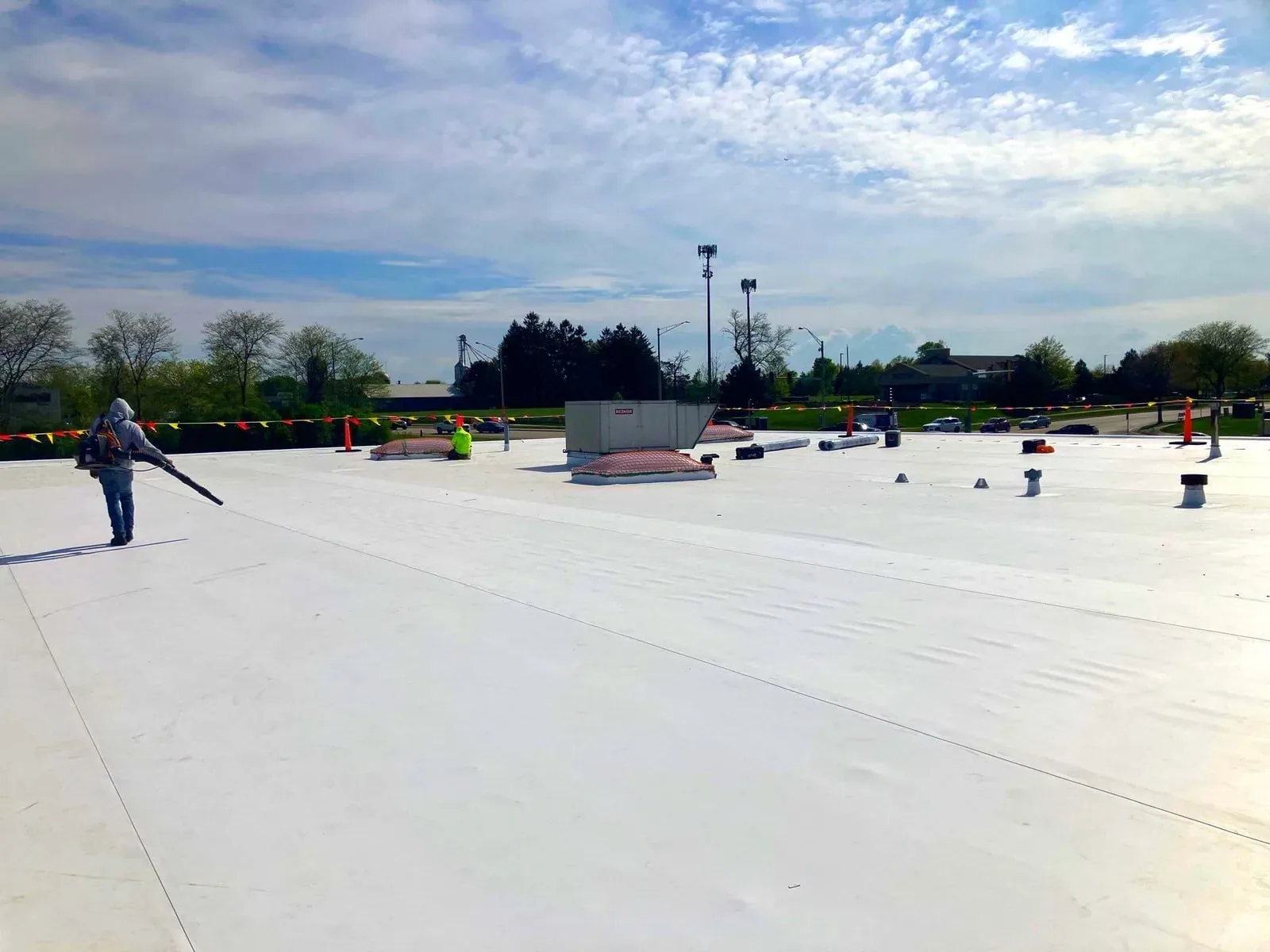
The new roof also gets the details a tornado exposes: stronger edge attachment, better fastener patterns and flashing that is mechanically held, not only sealed. For low-slope roofs, TPO, PVC or modified bitumen are all options, and metal systems can be rebuilt with proper clips and fasteners. Smaller tornado-related repairs may overlap with wind damage, and hail often arrives in the same storm cell, so hail damage is checked as well.
Tenants and operations matter during a rebuild. If a building has to stay in use, the roof is replaced in sections, with temporary protection at the end of every day and clear safety zones below. We coordinate with the owner, tenants and other trades so the building comes back as quickly as the structure allows, and no section stays open longer than it must.
Where the path went and what it means
The 1979 tornado formed southwest of the city in Archer County and crossed the southern and eastern parts of Wichita Falls in about 30 minutes. Its path ran from Western Hills and Faith Village across Colonial Park, Southmoor and Sun Valley; it razed a shopping center in Southmoor, wrecked businesses in the Southmoor and Sun Valley area and along Kemp Boulevard, and flattened a Levi Strauss plant and other industrial plants on its way east. It also hit the northern edge of Sikes Senter on Midwestern Parkway.
Smaller communities felt it too. The storm damaged rural homes near Dean and Byars in Clay County. Bellevue, in Clay County, was nearly wiped out by a tornado in 1906, a reminder that this is a long-running pattern in the region. For commercial owners on the Kemp and Kell corridor, the lesson is practical: know your roof's attachment and have a plan before the storm, not after. After a storm, storm damage repair starts from that known condition.
Commercial Roofing Questions
Can a roof be saved after a tornado?
Often a roof can be repaired if the deck and structure are sound and the damage is local. If uplift has loosened the assembly, replacement is safer. An engineer's review and a full survey settle.
How soon should we cover the roof?
As soon as it is safe. Open roofs let rain into insulation and ceilings, and the loss grows each hour. We tarp or seal first, photograph the work and plan permanent repairs once the structure is cleared.
Does the 1979 storm path tell me whether my roof is at risk?
It tells us where the last major tornado went, but tornadoes can form elsewhere. Your risk is best reduced by good attachment, strong edges and a current inspection of the roof you own.
What documentation does an insurer expect?
Dated photographs, measurements, a moisture map, a list of temporary measures and a clear separation of storm damage from older wear. We prepare those so the carrier has what it needs.
What does the first visit need from the owner?
The storm date, the building use, roof type and age, and any photos of damage. If a structural engineer has been involved, send their notes as well.