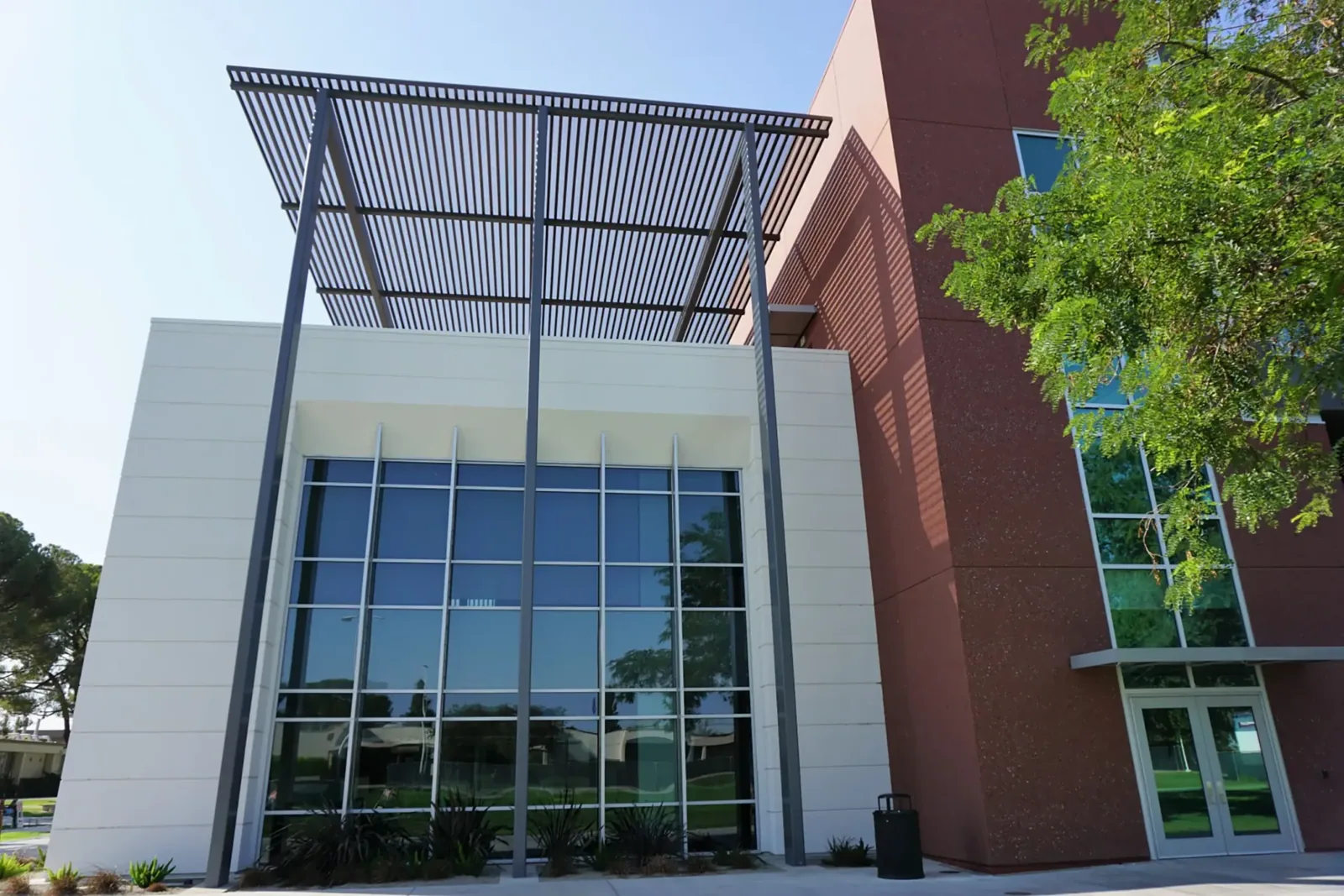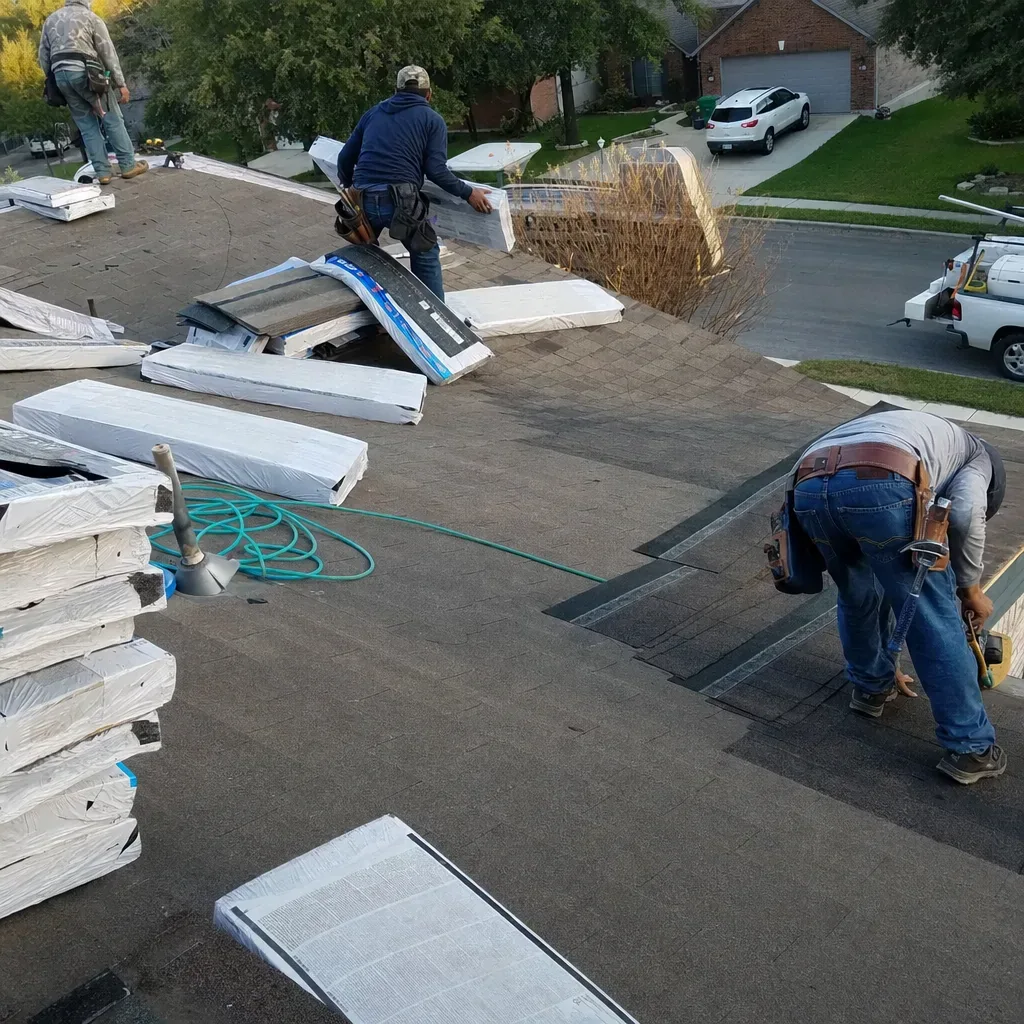
A school roof runs on the school calendar, and that is the first thing to learn about it. The long, hot window between the last bell in May and the first bell in August is when big work gets done, and it is also when the heat is at its worst. In Wichita Falls, TX, that tension shapes every plan. Step one is to list the buildings and what is under each roof. Step two is to match the work to the weeks when it can happen.
Know the Campus
Wichita Falls ISD is the second-largest employer in the city, with about 2,378 people, and smaller districts serve the towns around it. Holliday is served by Holliday ISD, Iowa Park CISD serves most of Pleasant Valley and the Kamay community, and Petrolia has its own district. Each district manages a set of buildings that grew in stages: a main building, a gym, a cafeteria, portable classrooms, a bus barn.
That mix matters for roofs. A gym has a long span and a high roof. A classroom wing has a lower, flatter one. A cafeteria has kitchen exhaust. Each building gets its own entry in the roof file, with its own age, system and repair history. We do not assume any of that from the district name. We read each roof. A school district may hold many roofs, and the oldest is not always the worst. A newer roof with a clogged drain can leak sooner than an older one that was kept clear. The file ranks them by condition and by consequence, not by the date on the permit.
How a School Roof Is Put Together
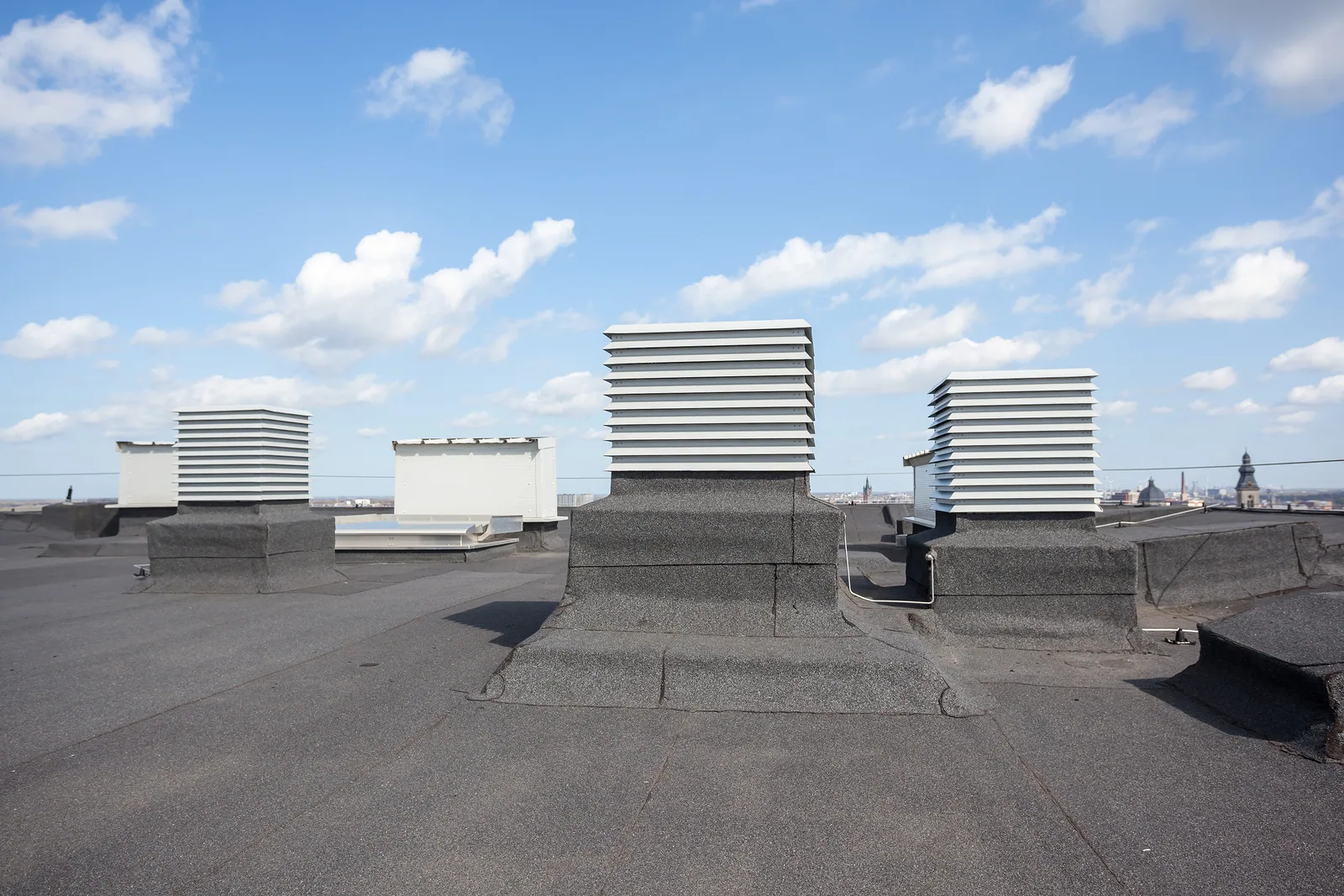
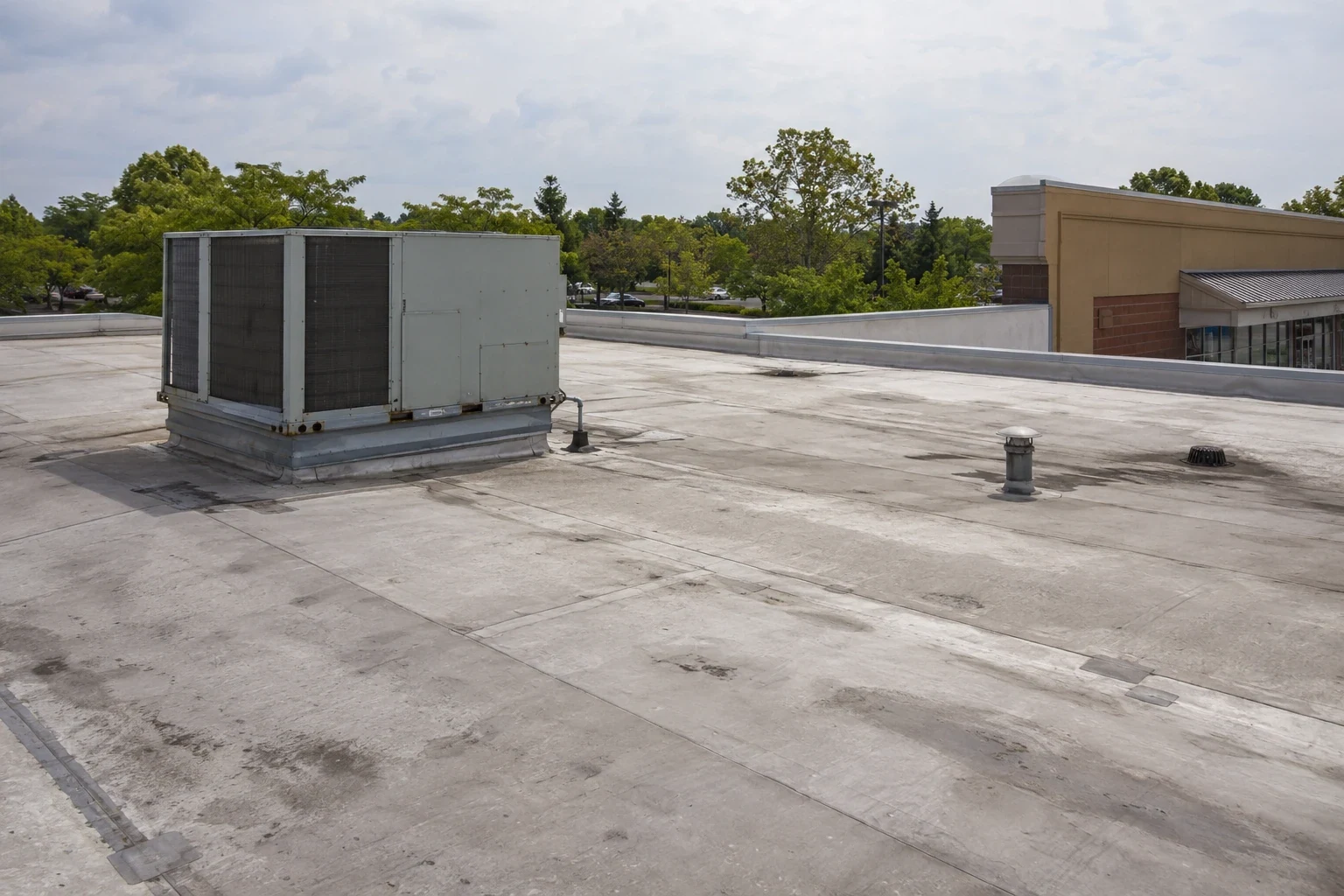
Most school roofs are flat or nearly so, built from deck, insulation, cover board and membrane, though some buildings have steep metal or shingled sections over entries and gyms. The details are familiar. Parapets, scuppers, rooftop units, skylights and exhaust fans interrupt the field.
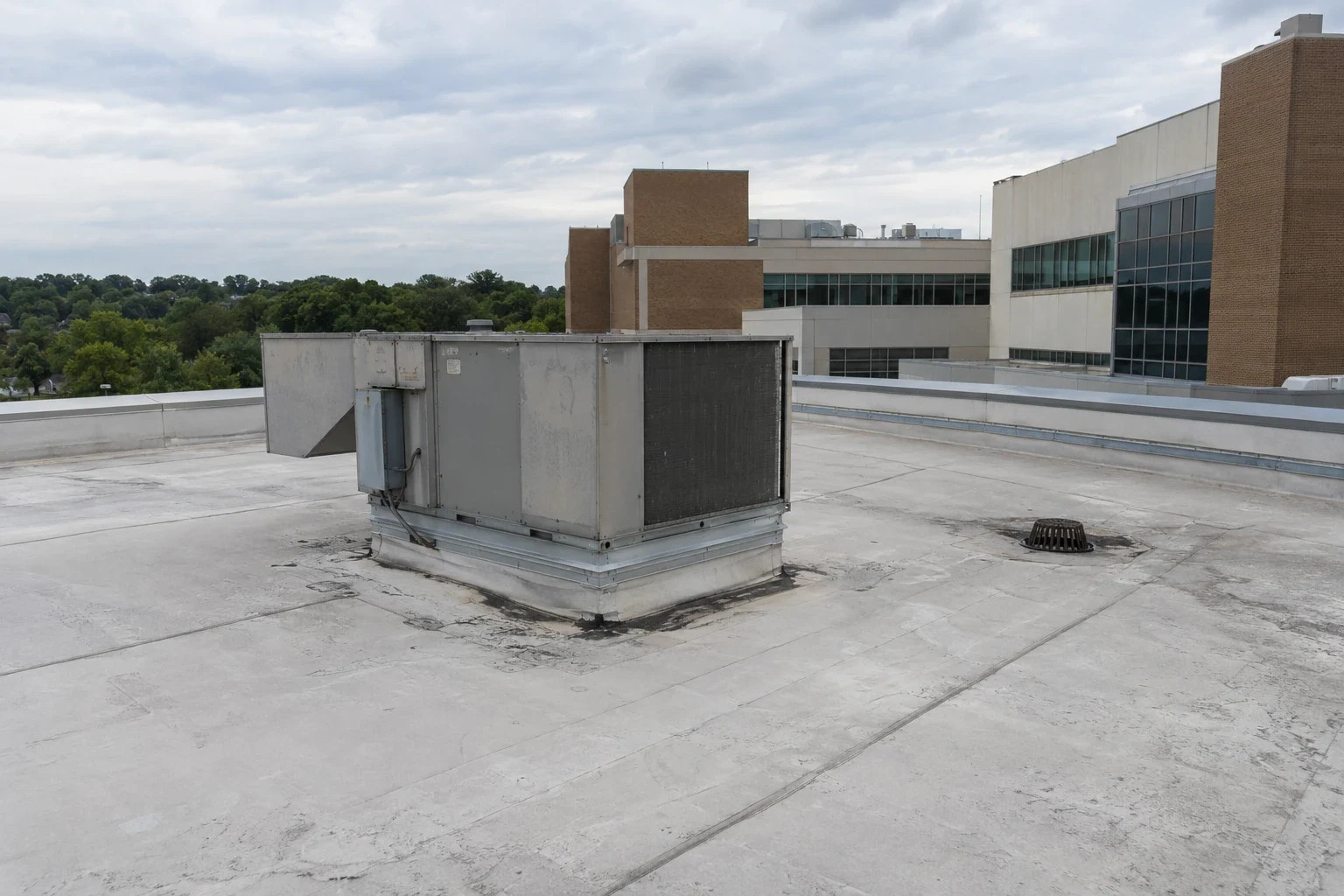
Schools often have rooftop units on every wing, each on a curb. Those curbs are the most common leak points, followed by drains. An EPDM or TPO membrane is common because patches are simple and cost stays predictable. Whatever the system, the first step is to identify it and read the layers. Gym roofs and cafeteria roofs sit above large rooms that cannot close for long, so they often get priority. Portable classrooms and bus barns are simpler and cheaper to repair, but a leak in a portable can still shut a classroom.
Where It Fails First
School roofs fail at curbs, seams and drains, as other roofs do. They also fail from foot traffic that nobody planned: maintenance staff, vendors, students who find a way up. Scuffs, cuts and dropped tools thin the membrane along the route to each unit.
The weather adds stress, and the summer work window is the hardest stretch for adhesives and crews. Summer work happens in a climate that brings roughly 28 days a year at 100 degrees. Hail adds sudden damage: golf-ball-size stones fell for 15 minutes in Electra on March 13, 1982, and the damage ran from Electra to Burkburnett. A hail bruise may not leak until the next heavy rain, and that is why a school roof gets checked after any large hail event, before classes resume. A hospital or a school is a poor place to discover a hidden bruise in the first heavy rain of fall.
What to Check
The walk goes building by building. For each roof we photograph the findings, mark them on a plan and note the rooms below.
- Rooftop unit curbs, flashing height and cap seals on every wing.
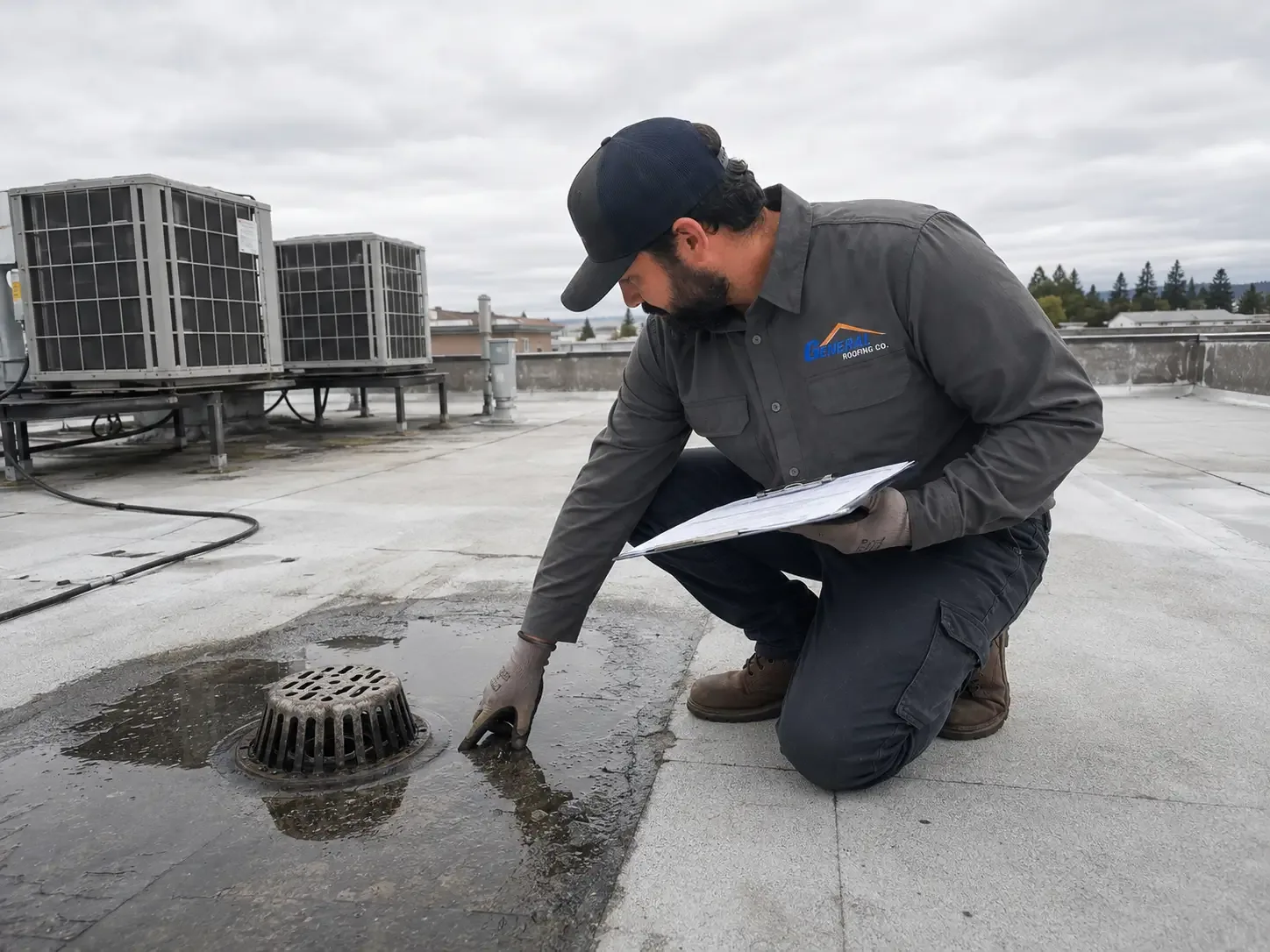
- Scuppers, drains and overflow, flushed, with ponding lines noted.
- Seams and laps, probed run by run for gaps.
- Skylights, domes and fan housings, with the gasket and seal tested at each.
- Soft spots and ceiling stains, tied to the roof zone above.
A commercial roof inspection in spring gives the district a list it can budget, and a second visit in late summer confirms the repairs held. The records go into a single file for each campus. The district gets photographs, a plan and a ranked list, and the board gets a plain summary it can act on. When a bond or a maintenance budget is being written, that summary is the document the numbers come from.
Repair or Replace
The sorting is simple: a dry layer underneath means repair or recover, and a layer wet across a wide area means replacement. Many school roofs earn repair for years, with a replacement scheduled when a core and a scan show wet insulation. The scan is cheap compared with a surprise replacement, and it lets the district plan the year before the roof forces the issue. A recover can save tear-off cost on a dry, sound roof.
Budgets move on a cycle, so the quote needs to be plain. We list each roof, its condition, the repair or replacement option and the cost drivers: area, wet material, access, edge details. A district can then rank the work, fund the worst roofs first and schedule the rest, using prices tied to evidence and not to a guess. A college campus follows a similar plan on a larger scale.
Timing and Access
Plan backward from the first day of school. Large replacements need design, bidding, material lead time and a crew, and summer is short. We schedule the walk in spring, the quote by early summer and the work in the weeks after classes end. Material is staged before the last day of school so the crew can start the next morning. A pre-job walk with the principal and the custodial lead marks gates, parking and the shortest route to the roof hatch, so the first day is spent roofing and not looking for keys.
Access matters on an occupied campus. Lifts stay away from bus lanes and playgrounds. Fencing keeps students clear. Deliveries avoid pick-up times. Hoisting stops when students are outside, and a flagger covers any crossing. Noise limits apply near testing rooms during exam weeks, and the crew moves to a different wing when a test is scheduled. Calls about active leaks during the school year get an answer at any hour, and an emergency roof repair holds classrooms dry until the summer work window arrives. Work near Iowa Park or Burkburnett follows the same calendar.
Commercial Roofing Questions
When is the best time for school roof work?
Between the end of one school year and the start of the next. Large jobs need lead time, so the walk happens in spring and the quote by early summer.
Can a roof be repaired during the school year?
Small repairs can happen after hours or on weekends. Larger work waits for summer unless a leak forces the schedule. We set a safe first step and a close-in limit.
How do we protect students during roofing?
Fencing, a controlled lift location, deliveries outside pick-up times and a written plan for the principal and the facilities office.
Should schools check roofs after hail?
Yes. Hail bruises can leak later, and a prompt check before classes resume finds them early. The record also helps with a claim.
How do we budget a multi-campus roof program?
Put each roof in rank order by condition and consequence, fund the worst first and spread the rest over later years. A single file for all campuses keeps the ranking current.
What does the district office send first?
The list of buildings, roof ages if known and any leak history. The first walk is then aimed at the roofs with the longest complaint list.