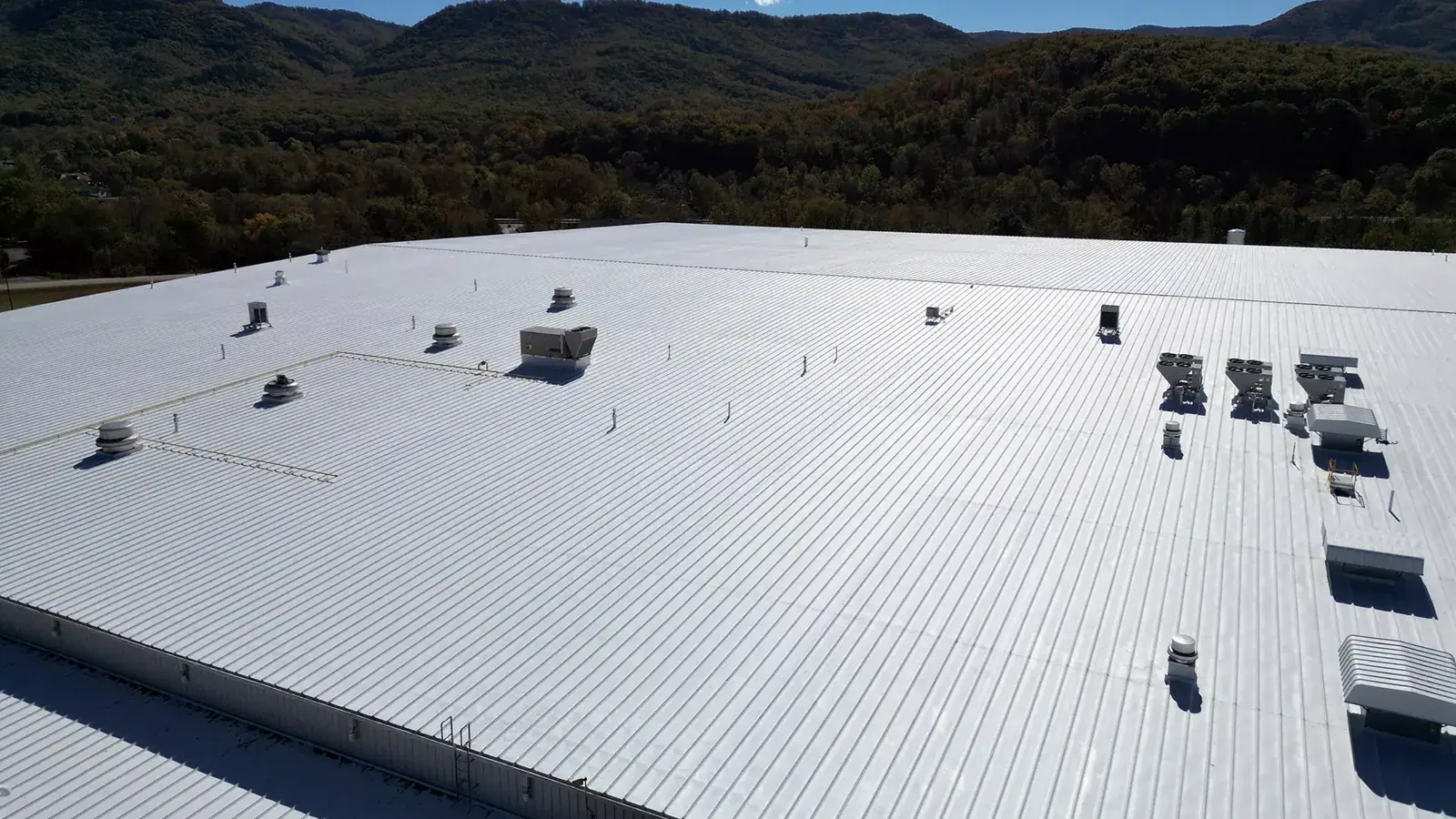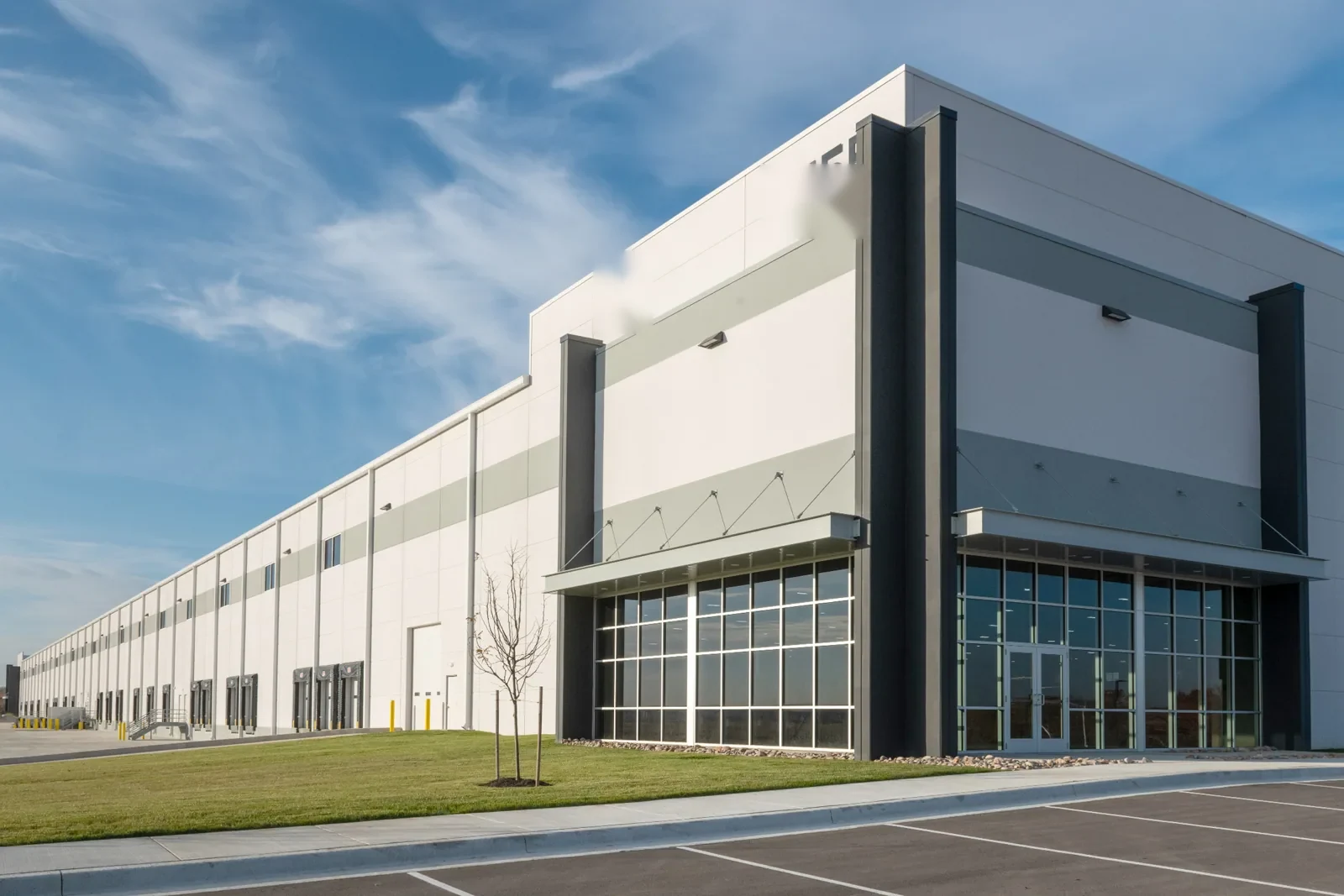
Rows of drive-up units look simple from the gate, and the simplicity is the first thing to understand about their roofs. Each building is a long, narrow shed with a light roof, and one failed fastener line can drip into a dozen units at once. The tenants are not on site to see it, so a leak can run for weeks before anyone knows. In Wichita Falls, TX, those roofs take 100-degree afternoons and spring hail. Start with the building. Then read the roof from one end to the other, as if you were following a single seam.
Row by Row, Building by Building
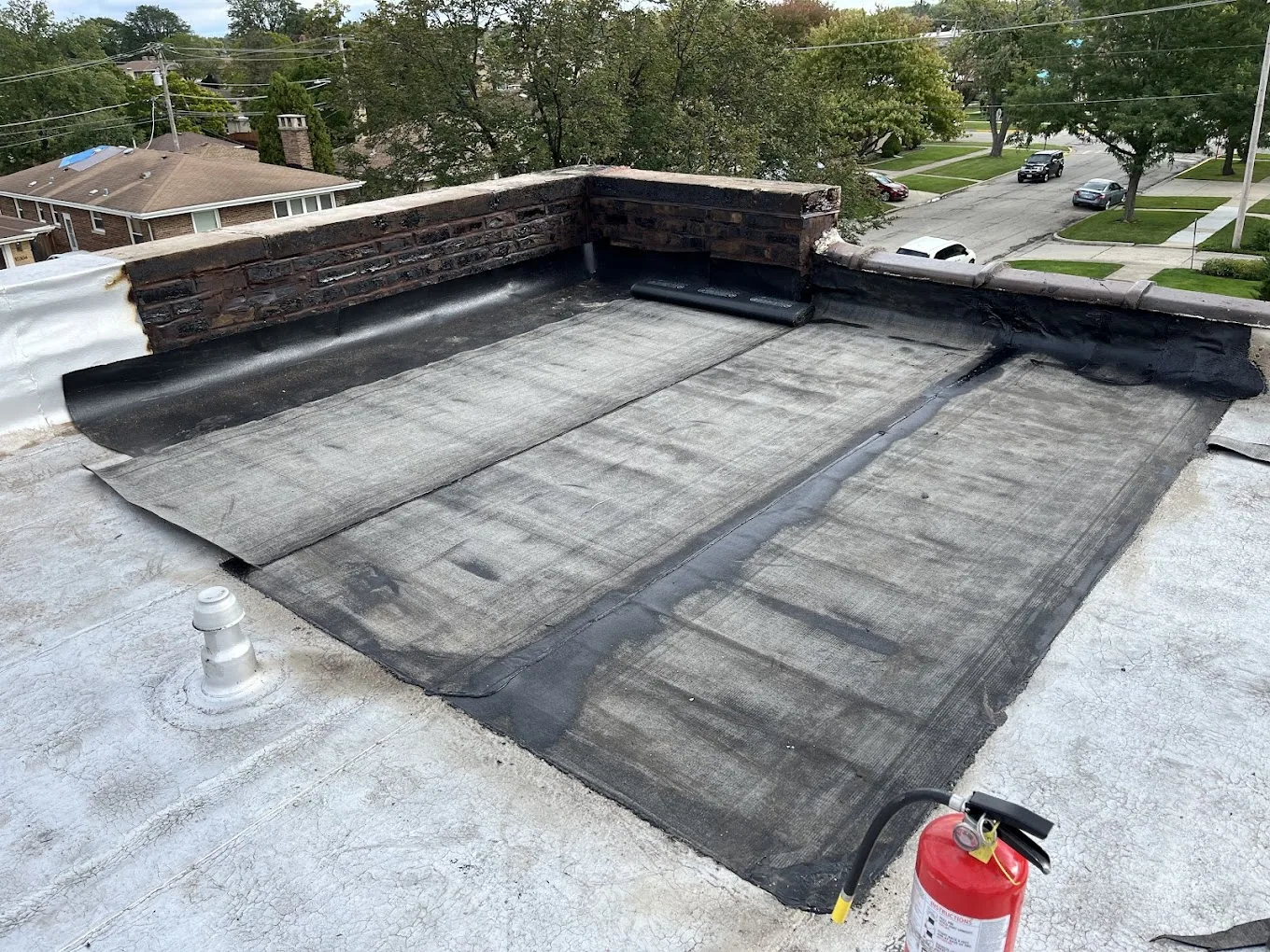
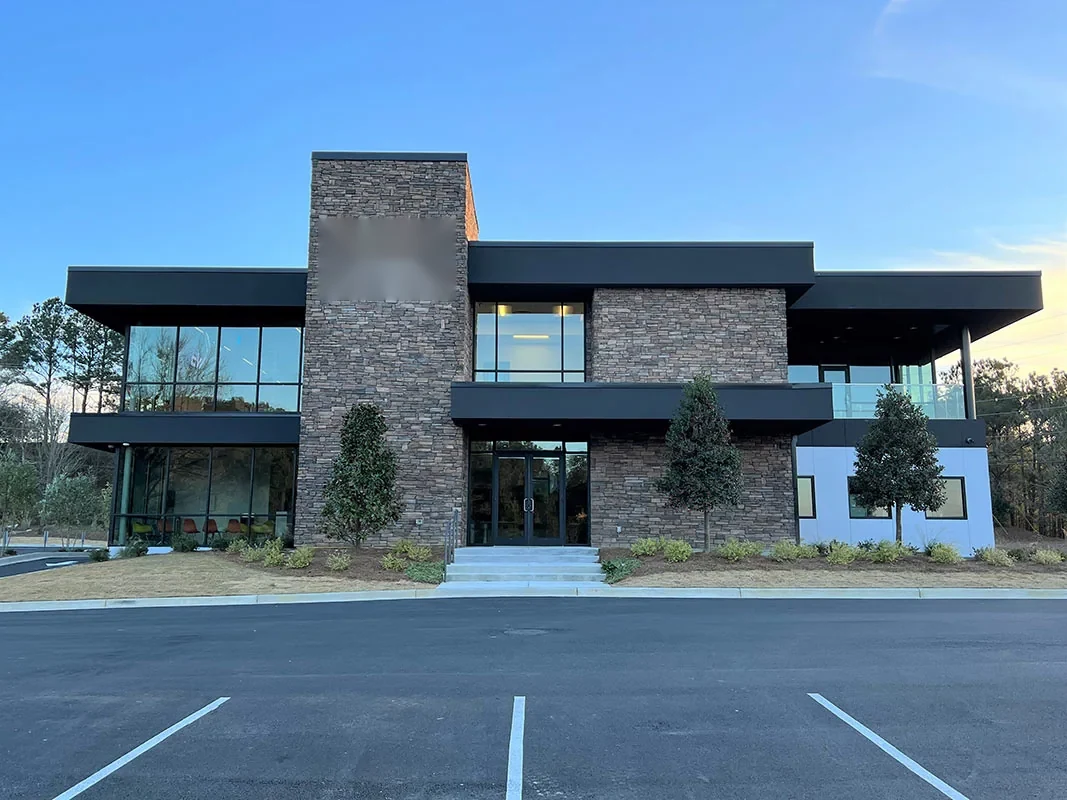
A storage facility is a collection of repeating buildings. Drive-up rows have a low-slope or gently pitched metal roof running the full length. An office building at the gate has its own small roof, and a multi-story climate-controlled block, if there is one, carries a flat membrane roof with drains and rooftop units. Each type fails in its own way, so we sort the site by type before we walk it.
The repetition is useful. If one row has a leak at a specific seam, the other rows built the same way will likely share the weakness. A walk of the whole site, with a count of fastener lines, end laps and ridge caps, shows whether a leak is an accident or a pattern. A pattern means a program of repair across rows. An accident means one repair and a note in the log.
Metal Panels and Their Fasteners
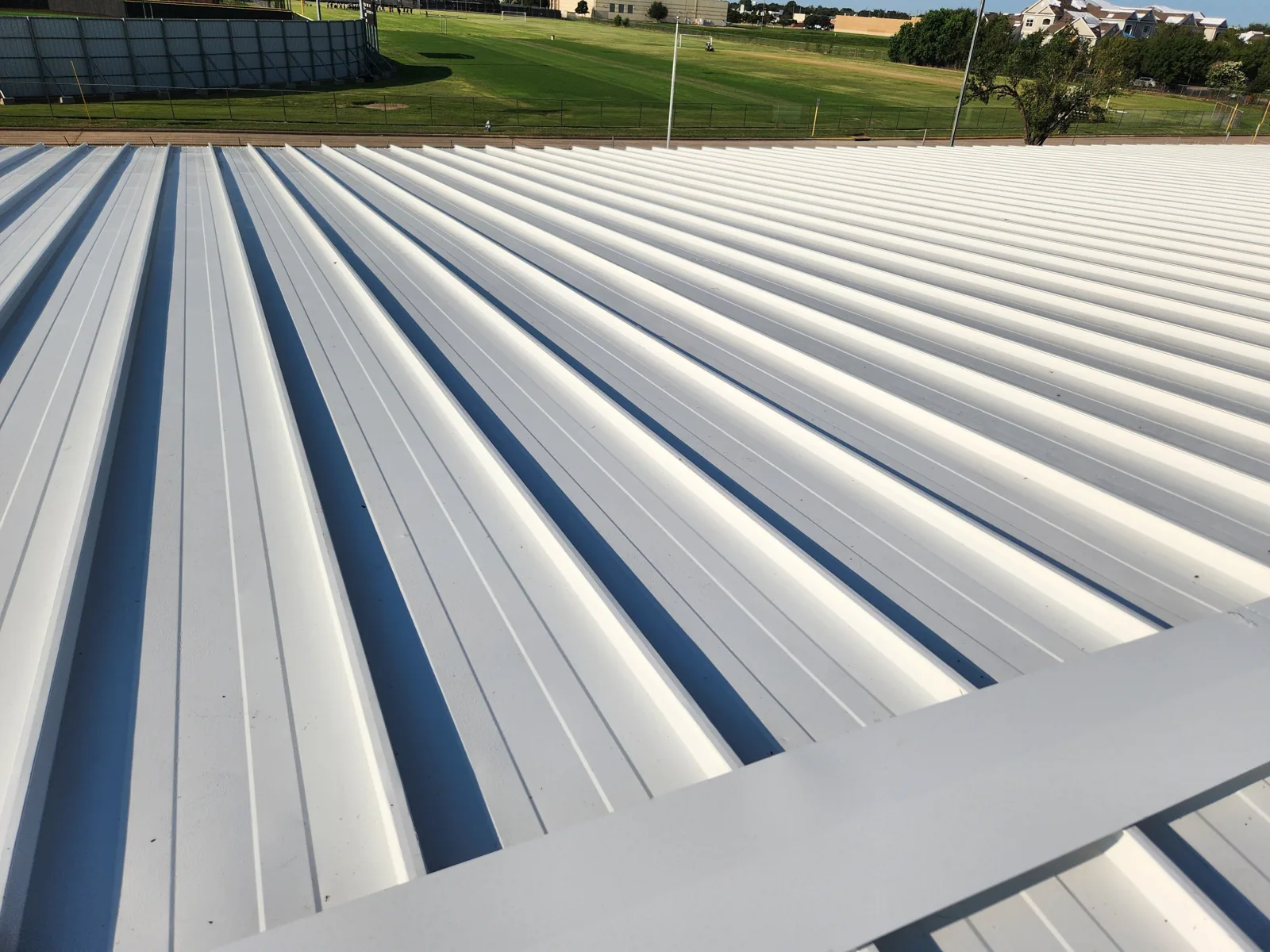
Most drive-up rows wear exposed-fastener metal panels. Each panel is screwed to purlins through a small rubber washer, and thousands of those screws hold the roof on. Heat makes the panel expand and contract along its length every day, and the screw holes work a little with every cycle. Over time the washers crack, the holes widen and the screws loosen. That is fastener back-out, and it is a common source of leaks on this building type.
The cure depends on the roof. Where the panels are sound, we replace failing fasteners with larger, better-sealed ones and add sealant at the laps. Where the panels are worn through, a metal roof retrofit lays a new panel system above the old one, and a coating can seal a tired but sound surface. Standing seam panels remove the exposed fasteners altogether, which is a point to consider on a large replacement.
Condensation is a second source of wet goods that people mistake for a leak. A metal roof over a closed, humid unit can sweat on cool mornings, and the drip looks the same as rain. A bare roof deck or a roof with a missing vapor layer can behave this way. We check for a pattern: drips that appear without rain and cluster near the ridge suggest condensation, and drips that follow storms suggest an opening.
Where These Roofs Leak Early
Laps, ridge caps and the eave line are the usual suspects. Water finds an end lap where two panels overlap, a ridge cap where wind has lifted the closure strips, and an eave where a gutter backs up. The edge by the roll-up doors is another spot, since the doors are cut into walls that also carry roof loads.
Another early sign is rust. A panel with its coating worn off will rust at the cut edges and around fasteners, and rust widens every opening. Birds and wasps leave their own marks at ridge vents. We photograph each finding and note its building and unit number, so the manager can tell which tenants were affected and can show tenants what was found. A seam failure found early is a morning's work. One found late can wet a whole row of stored goods.
Hail on Thin Metal
Light-gauge metal dents under hail. Hail has a record in the towns around the city; Electra lay under golf-ball stones for a quarter hour in March 1982. That is history, and what it tells a facility owner is that spring storms can reach the towns around Wichita Falls, from Iowa Park to Burkburnett. They do not say that any panel today is damaged.
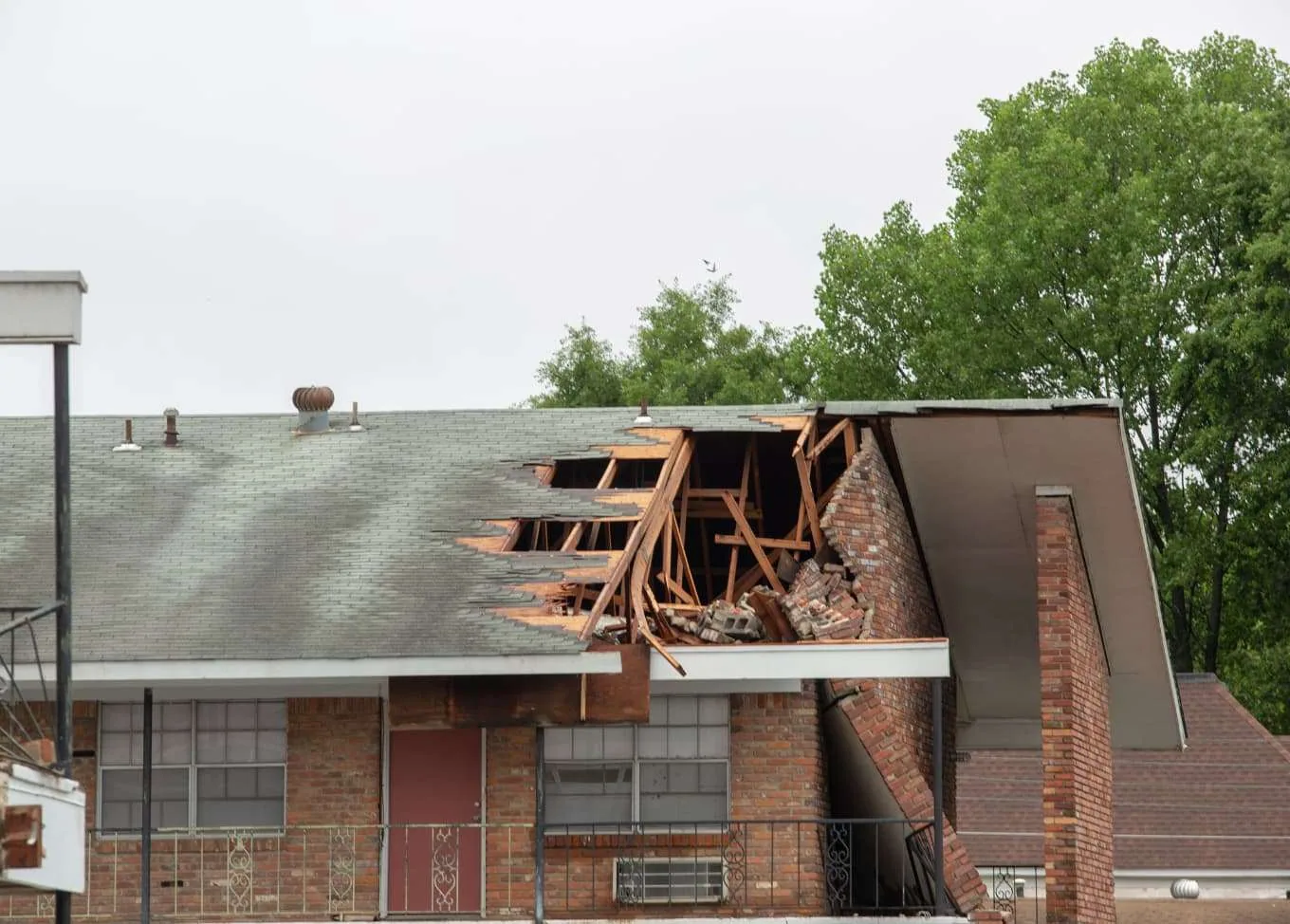
After a hail event, we check dents, loose fasteners and cracked washers. Cosmetic dents do not always leak, but a dent that cracks the paint or the coating opens the way for rust. A hail inspection across a long row is done slope by slope, with photographs and a map of the affected panels. The map becomes the working document for an insurance conversation, if the owner decides to file.
Repair, Retrofit or Replace
One clean rule: fix the fasteners and laps while the panel is sound, retrofit when the panel is tired but dry underneath, and replace when the structure under the panel is wet or rusted. A coating can seal a sound metal roof and reduce heat on the units below, though it needs clean, rust-treated panels to hold.
Cost depends on the length of the rows, the number of buildings, the lift or scaffolding needed, the number of fasteners to replace and the amount of rust to treat. Repeating buildings let a crew work efficiently, so pricing a whole site can cost less per building than pricing one alone. A building-by-building scope shows the repair or replacement chosen for each row.
Working Around Tenants and Gates
Tenants come and go at all hours, and gate hours are part of the plan. We work in sections, block off the units under the cut and keep lifts away from the drive aisles. Tenants with items near the open work get a notice in advance, and doors under the work are closed until we leave. When a unit holds a leak, we cover the goods and note the unit number for the manager.
Staging happens near the office or on an empty lot, away from the traffic of renters. A warehouse and a flex industrial building share the metal-roof logic, though with fewer tenants and more equipment. For a storage site, the key step is a dated map of every building, with the work order set row by row. After each row is finished, we walk it again with the manager, check the new fasteners and sealant, and mark the row complete on the map before the crew moves on.
Commercial Roofing Questions
Why does a storage roof leak after years of staying dry?
Fasteners work loose with repeated heating and cooling, and rubber washers crack in the sun. The leak starts at one screw line and spreads along the row. A fastener replacement program stops the pattern.
Can a coating fix a rusty metal roof?
Sometimes. Rust has to be removed or treated first, and the panels must be sound enough to hold the coating. Where panels are worn through, a retrofit or replacement is the better choice.
Who is responsible when a tenant's goods get wet?
The rental agreement decides that. We document the opening and the unit affected, which gives the manager and the tenant a clear record.
Is a metal retrofit worth it on long rows?
Often, if the structure underneath is dry and sound. It avoids tear-off and keeps the units usable during the work. A moisture check of the purlins and the insulation, if any, settles the question.
What should the property manager send first?
A site map with building numbers, the age of the roofs if known, and a list of leaks by unit. With that map, the first walk can start at the buildings with the most complaints.