Air-conditioned clinics and offices need a roof that keeps water out without interrupting the people inside. Sika Sarnafil commercial roofing systems use PVC membranes with welded seams, and their performance depends on preparation at each lap, curb and perimeter. Commercial Roofing Wichita Falls works on commercial roofs in Wichita Falls, TX and inspects the existing layers first, then decides whether a Sarnafil repair or new assembly fits the building.
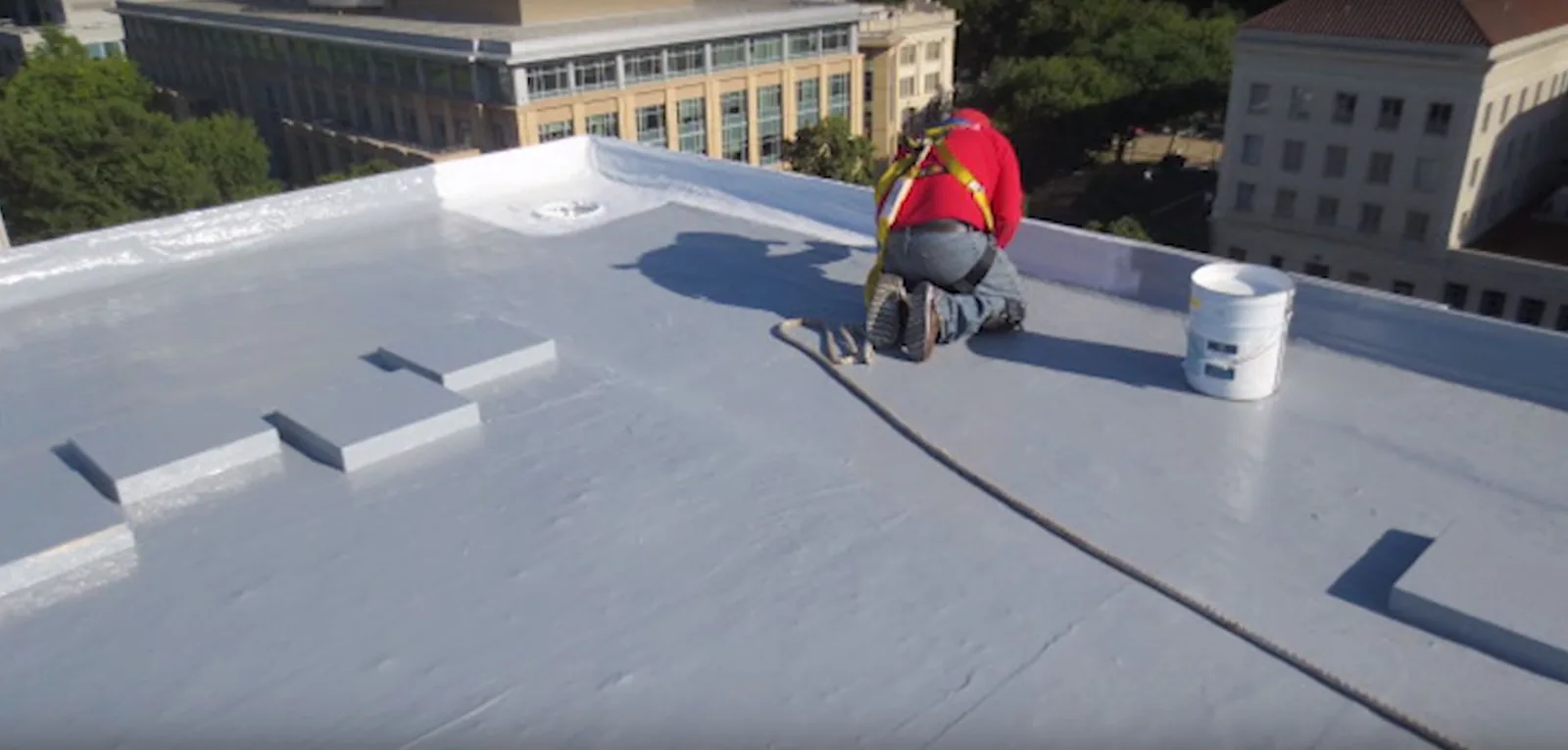
The name on a membrane does not tell us whether the insulation is wet or the deck is sound. We test suspect areas, review drainage and document what must be corrected. That gives a Sika Sarnafil system review a useful boundary: which material stays, where removal starts, and how the new work reaches each roof detail.
Know the PVC Assembly
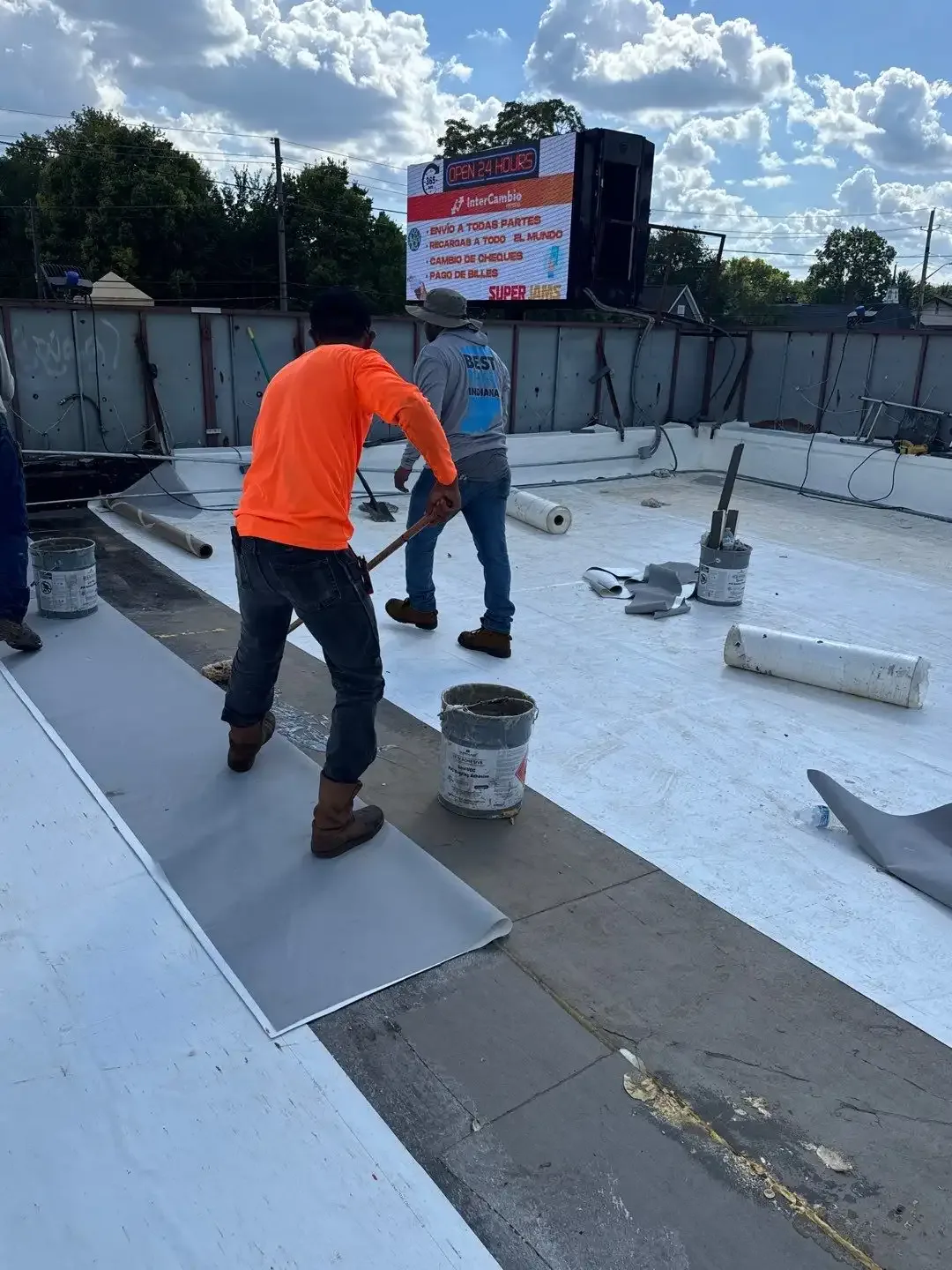
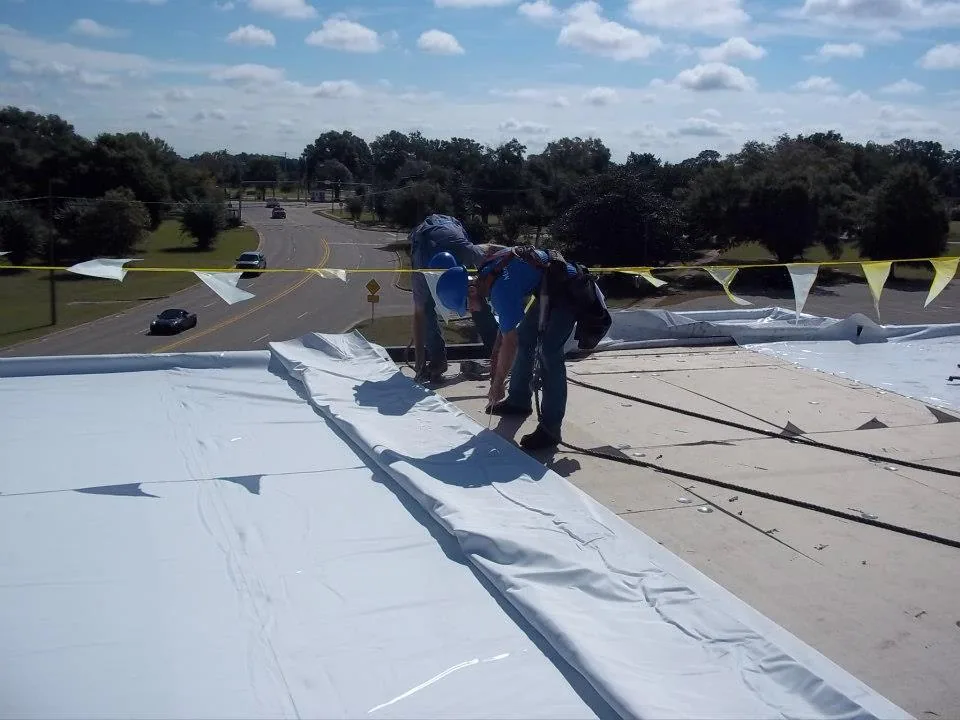
Sarnafil is a PVC single-ply membrane used in commercial roof assemblies. Sheets are joined with hot-air welding, and details are made with compatible membrane and flashing materials. The roof plan accounts for seams, penetrations, parapets, drains and substrate changes. A strong field weld cannot make up for a poor wall termination.
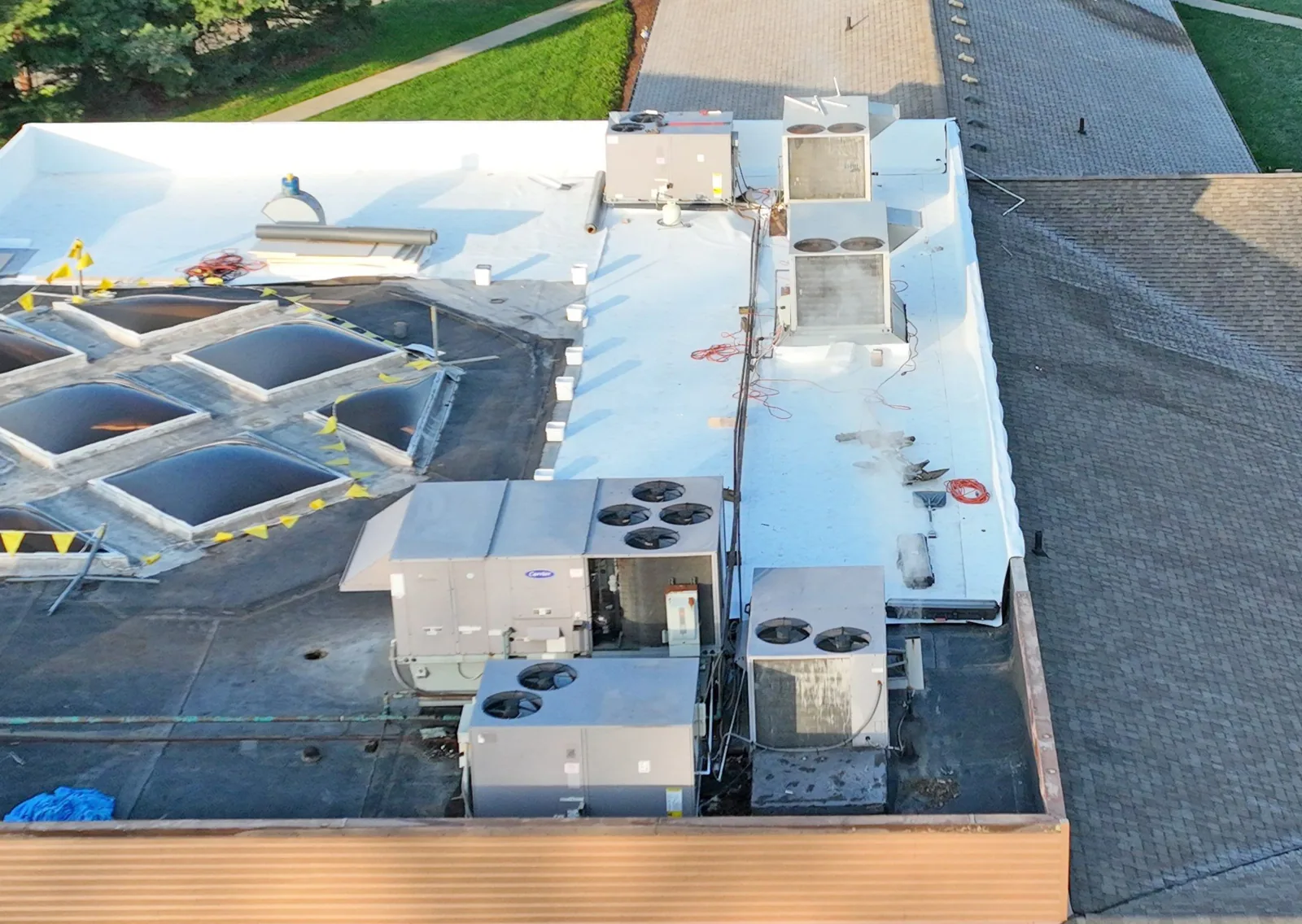
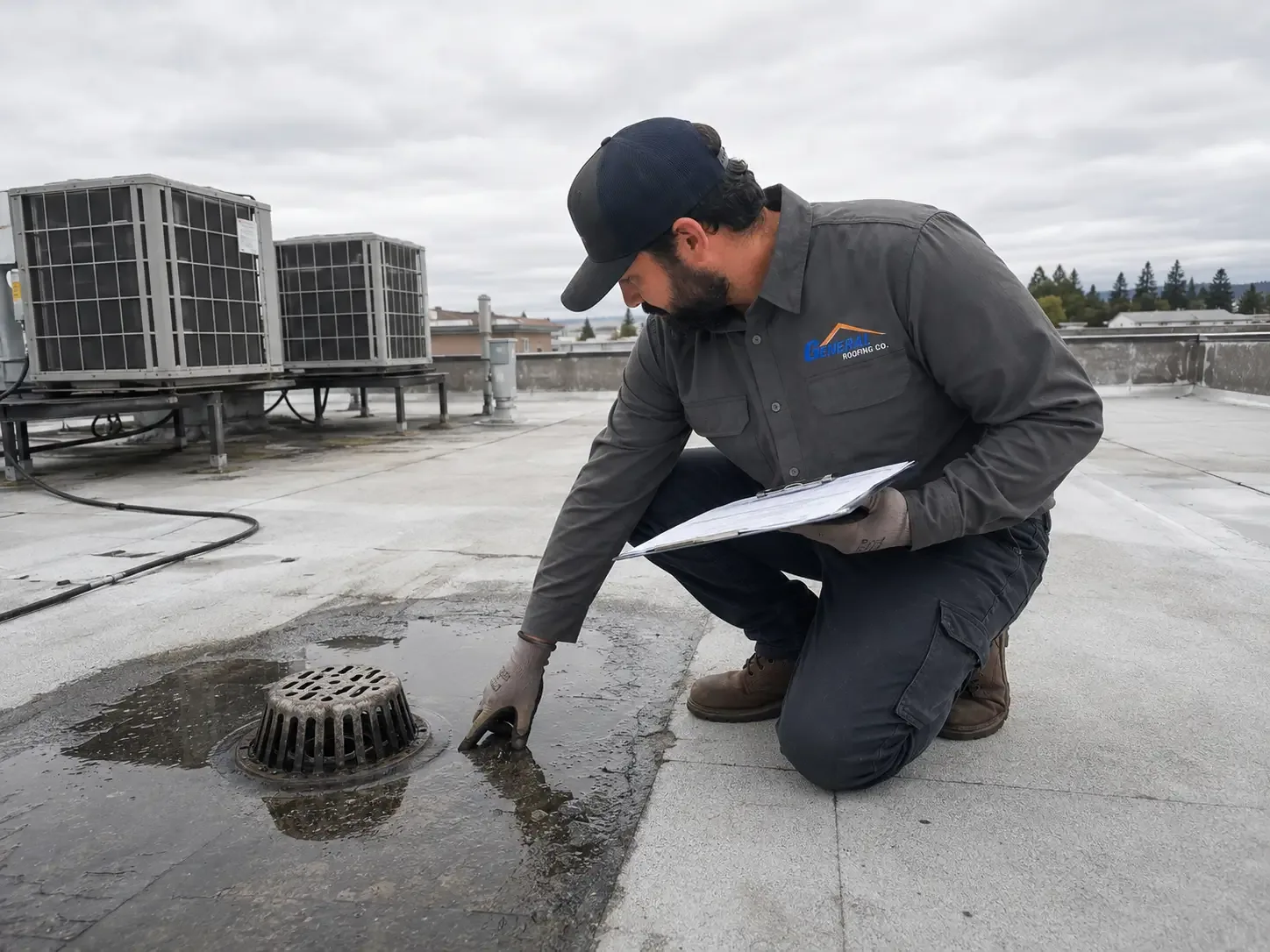
The first walk identifies the deck and existing layers. We look for loose attachment, punctures, ponding, failing sealant and past repairs that cover a different membrane. Moisture readings or core samples help locate wet insulation. A sound assembly may allow a recover if system requirements, drainage and existing layers permit it. A roof with broad moisture or weak decking needs a different scope. The PVC membrane assembly is compared with a replacement plan only after those conditions are known. For a product comparison, we can review a Johns Manville system family and Duro-Last PVC against the same roof conditions.
Insulation and cover board affect the height at drains, curbs and perimeter metal. We verify those transitions first. If equipment must move, we coordinate curb details with the mechanical contractor.
Check Every Weld
A thermoplastic seam forms when heat and pressure fuse overlapping sheets. The installer adjusts welder temperature and speed for the material and conditions, then probes the cooled lap. Dust, moisture, uneven movement or a poor setting can leave a narrow opening. Corners, end laps and patches need their own check because small changes in overlap can affect the bond.
We test the welder on sample material before production and recheck when conditions shift. A roof in direct sun warms faster than one in shade. Roughly 28 days a year reach 100 degrees here, and 2011 recorded 100 of them. That climate fact does not diagnose any given roof; it does affect handling, seam work and how long material can remain exposed during installation.
At an active leak, we look beyond the visible opening. Water may travel under the sheet and appear at an interior ceiling several feet away. We compare stain locations, inspect seams and details, and use a moisture survey when the route is not clear. A hands-on inspection records test points and photos before a repair area is opened.
Treat Details as Separate Work
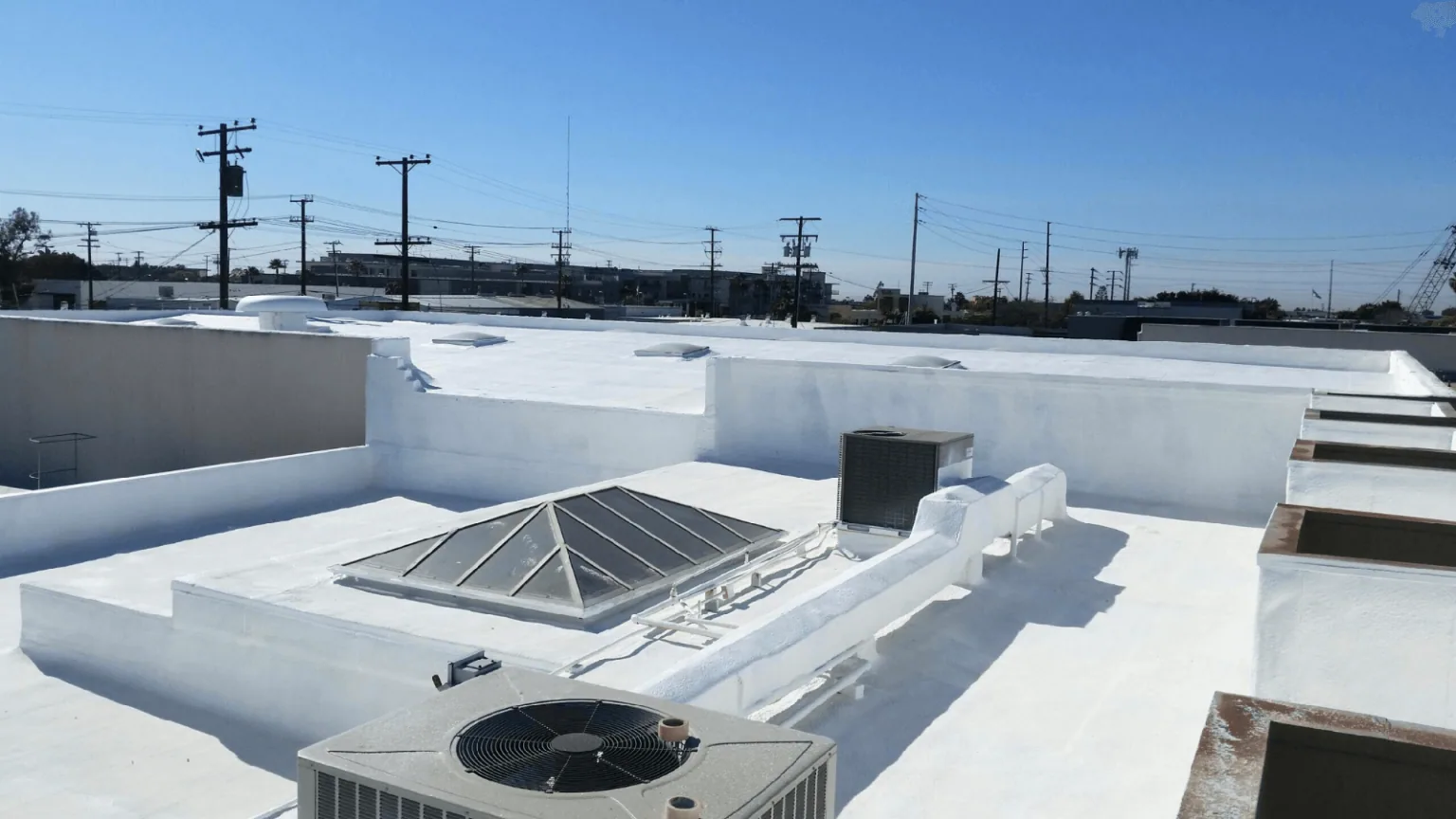
Penetrations and transitions use more than field membrane. Around a pipe, we check the boot and clamp. At a curb, we check height and corner fabrication. At a parapet, we inspect the vertical termination and counterflashing. At the edge, fasteners and metal joints must keep the assembly secure. We photograph those details and mark which ones need repair or replacement.
Drainage can expose a weak detail. A clogged bowl leaves water standing against the membrane; a sump that sits high can leave a pond even after the outlet is clear. We clear debris, check the bowl and note the slope around it. If the drain must be reset or the insulation tapered, that work belongs in the scope along with membrane repair.
A roof in the Wichita Falls Business Park, where the target is distributors, high-tech operations and manufacturers, may have equipment, service paths and loading activity that affect access. We plan lifts and material placement with the facility contact, keeping delivery doors and rooftop units reachable while the crew works. That local use shapes the schedule, not the membrane specification.
Separate Storm Evidence from History
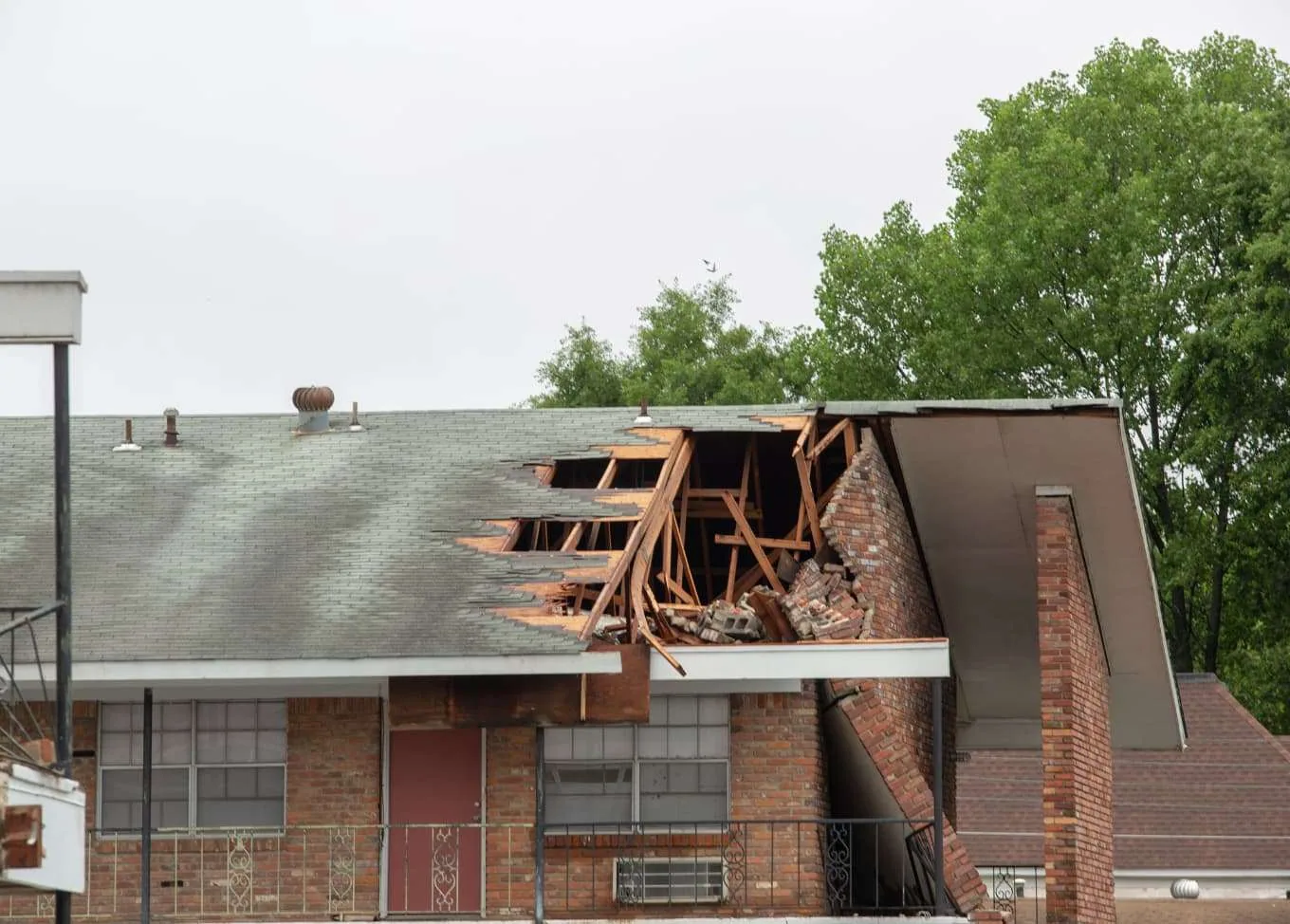
Wichita Falls has seen severe wind and hail, but a historical event cannot establish the condition of a particular roof. The April 1979 tornado ran across the south and east of the city and destroyed many commercial businesses. After wind from a current storm, we inspect perimeter metal, corners, seams, rooftop equipment and wall transitions. We record present damage rather than treating old storm history as proof.
Hail may leave a bruise below a membrane that is difficult to see from the ground. April 1991 brought baseball-size hail to Iowa Park and Burkburnett, and 1993 brought larger hail to Sheppard Air Force Base. Those events are not evidence about an individual building today. Following a current storm, we probe suspect areas, check underlying insulation and prepare a hail repair assessment with photographs and mapped locations.
Emergency protection is available around the clock when water is entering. We secure the area where conditions allow, document temporary repairs and return to install a compatible permanent detail. For an occupied healthcare office, we agree on roof access and interior protection with the manager before beginning work above patient or staff areas.
Choose the Repair Boundary
A cut, open seam or failed curb can be repaired when the surrounding membrane and insulation remain serviceable. If moisture extends below the surface, we remove the affected layers and inspect the deck. A recover is possible only when the existing roof is stable and system requirements allow another assembly. Widespread wet insulation, loose attachment or deteriorated decking calls for a broader replacement plan.
The written scope shows the work boundary and its cost drivers: tear-off, deck repairs, insulation, cover board, drains, edge metal, equipment moves and access. We explain how sections will be staged and how each shift will end with the roof protected. That helps a facility manager compare a local patch with a complete replacement without guessing what each price includes.
Near the Kemp and Kell corridor, retail access and delivery windows can shape the schedule. At the Business Park, loading operations and material lifts may be the constraint. We set work hours with the building contact and keep a daily dry-in plan. A maintenance visit after completion can check seams, drains and flashing before the next storm season.
Keep the Roof Record Current
Closeout photos show the substrate and insulation before covering, then the finished field seams, penetrations and perimeter. We put repairs on a roof plan and note any condition that remains for later attention. The next inspector can compare the same locations and see whether the detail changed, instead of starting from an uncertain recollection.
Keep drains clear, remove debris without scoring the membrane, and require proper flashing for new curbs or conduit. Record changes for the next walk.
Tell us the building use, the roof age and when leaks showed up. We will walk the Sarnafil assembly, test suspect areas and explain the next layer up before we recommend a repair or replacement in Wichita Falls.
Commercial Roofing Questions
Can a PVC roof be repaired with any PVC sheet?
We match the repair material to the installed system and verify the weld on the roof. Sheet thickness, surface and flashing details matter at a patch or transition.
What happens if moisture is under the membrane?
We map the wet area, open test locations and inspect the deck. The repair boundary includes removal of unsound insulation before a new sheet is installed.
Can a Sarnafil roof receive another layer?
The deck, existing layers, drainage and system requirements determine that. We inspect first and explain whether recover is feasible or removal is needed.
How do you know a seam is fully welded?
The welder is tuned on sample material first, then the cooled seam is probed on the roof. Corners and end laps get their own pass before the crew moves on.
What helps before a site visit?
The building use, approximate roof age, leak dates and prior repairs, along with roof plans and access instructions for the first inspection.