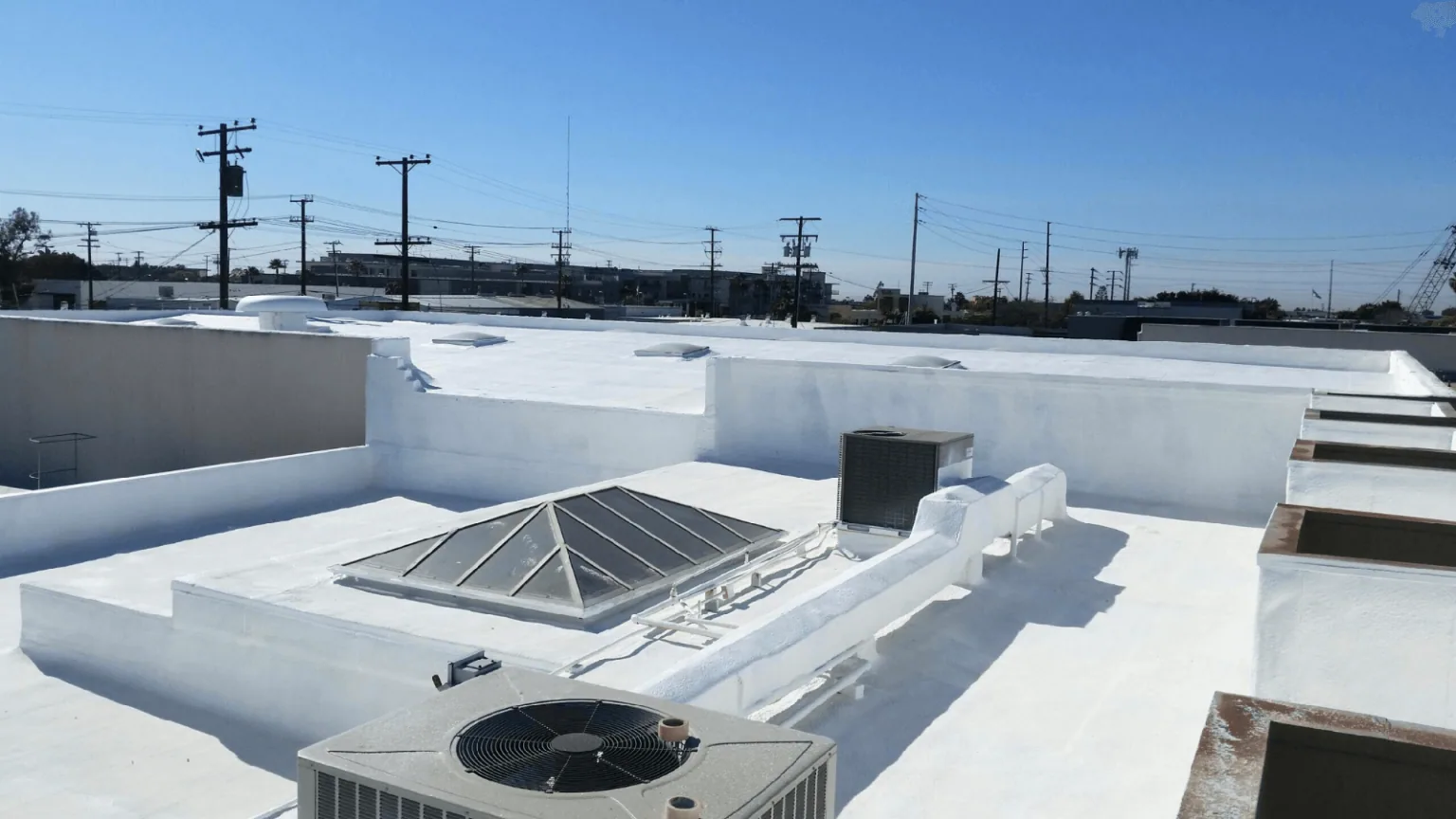
For a plant near the Wichita Falls Business Park, a roof decision starts with the deck and the production schedule. Holcim Elevate, formerly Firestone Building Products, offers commercial TPO, EPDM and insulation systems, including UltraPly TPO, RubberGard EPDM and ISOGARD polyiso. Commercial Roofing Wichita Falls takes on commercial roofs in Wichita Falls, TX and reads the installed layers before deciding whether a Holcim Elevate assembly fits the building.
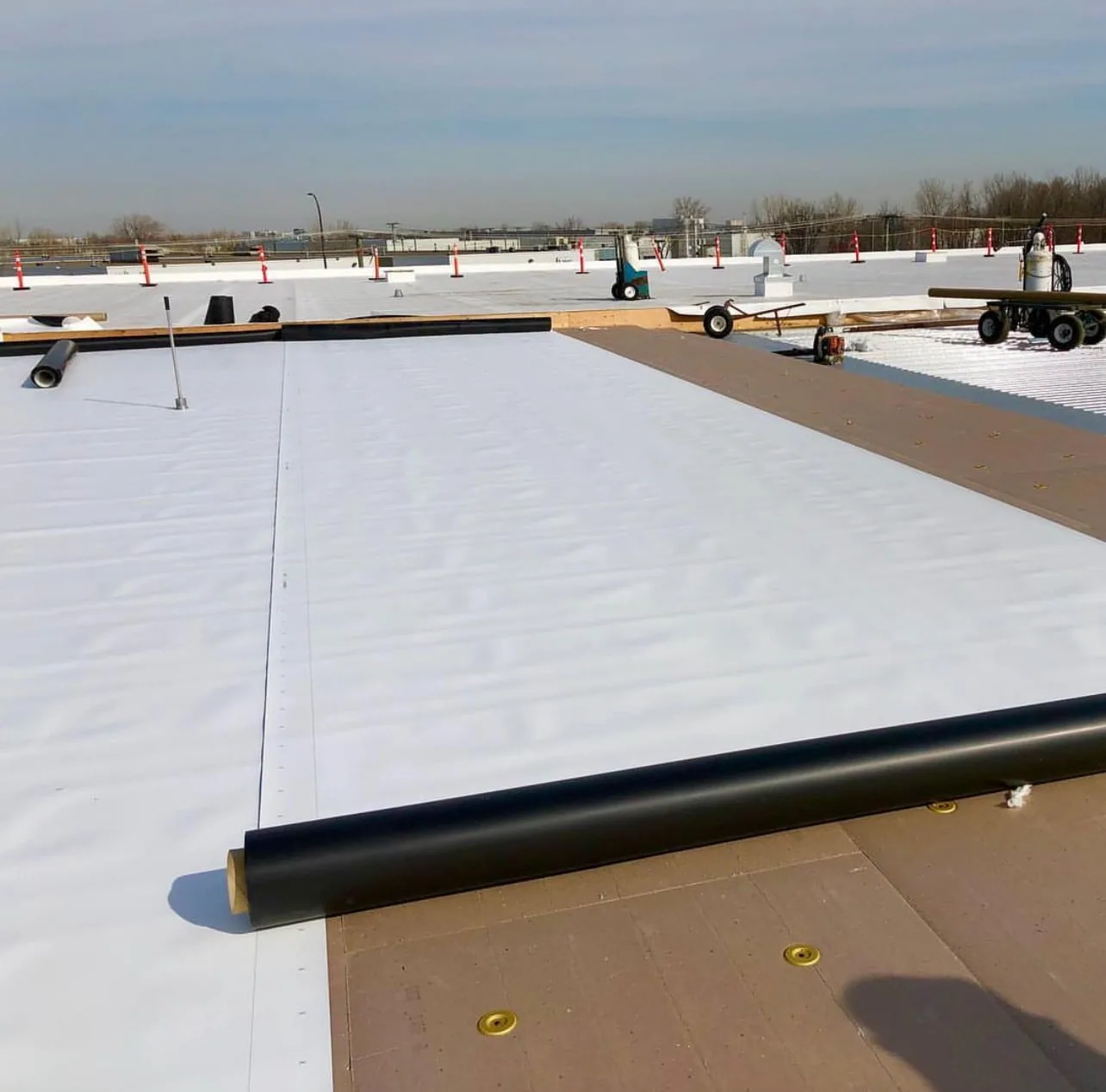
The product family does not settle the scope by itself. We check moisture, attachment, drainage and flashing, then show which layers can stay and which need correction. That is how an Holcim Elevate system discussion becomes a roof plan with repair limits, staging and a dry-in sequence.
Match Membrane to the Roof
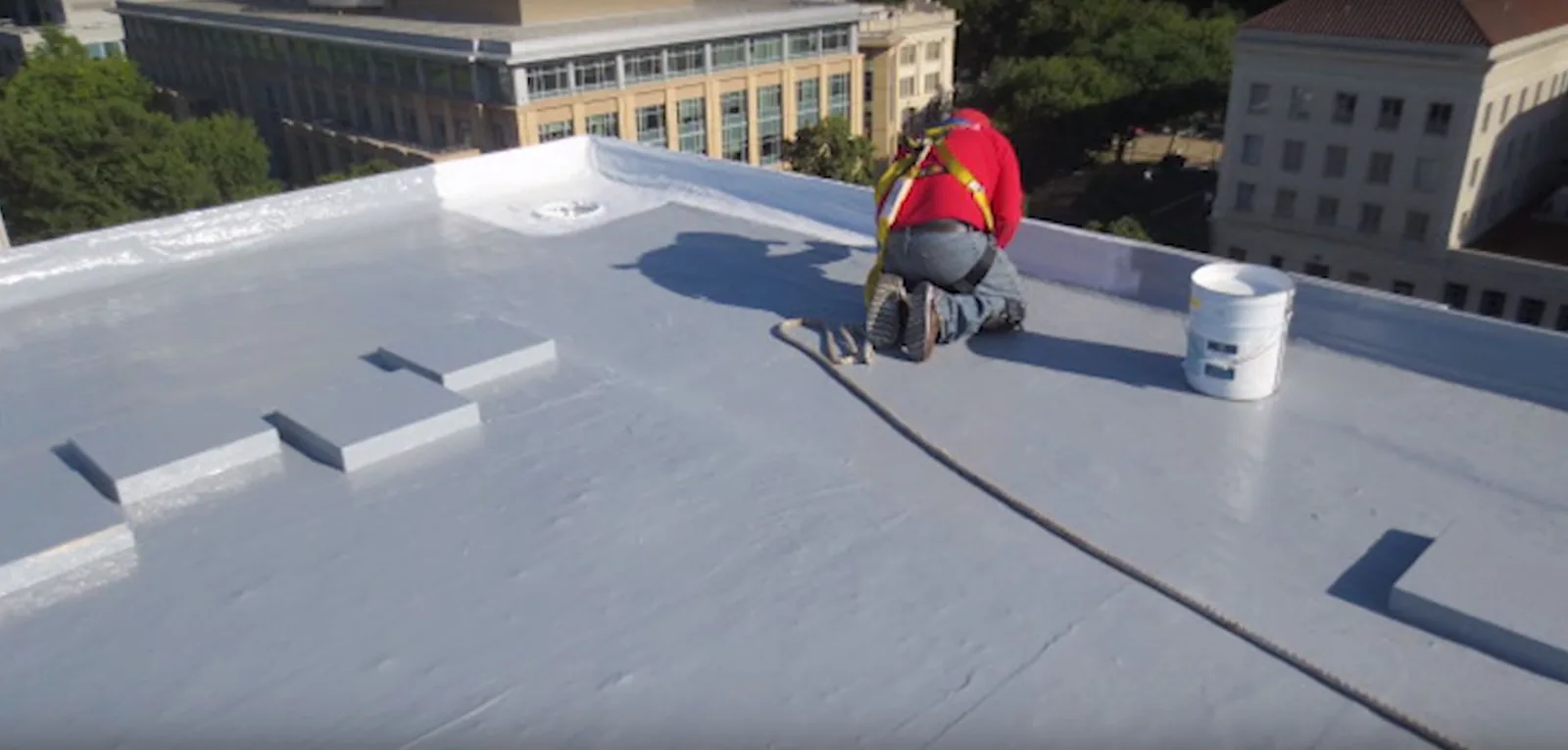
UltraPly TPO is a thermoplastic sheet with heat-welded seams. RubberGard EPDM is a flexible rubber membrane with adhesive or mechanically attached applications and seam tape or adhesive details. Each material asks for a different surface preparation and repair method. We identify the installed membrane before choosing a patch; mixing products without checking compatibility can create another failure at the seam.
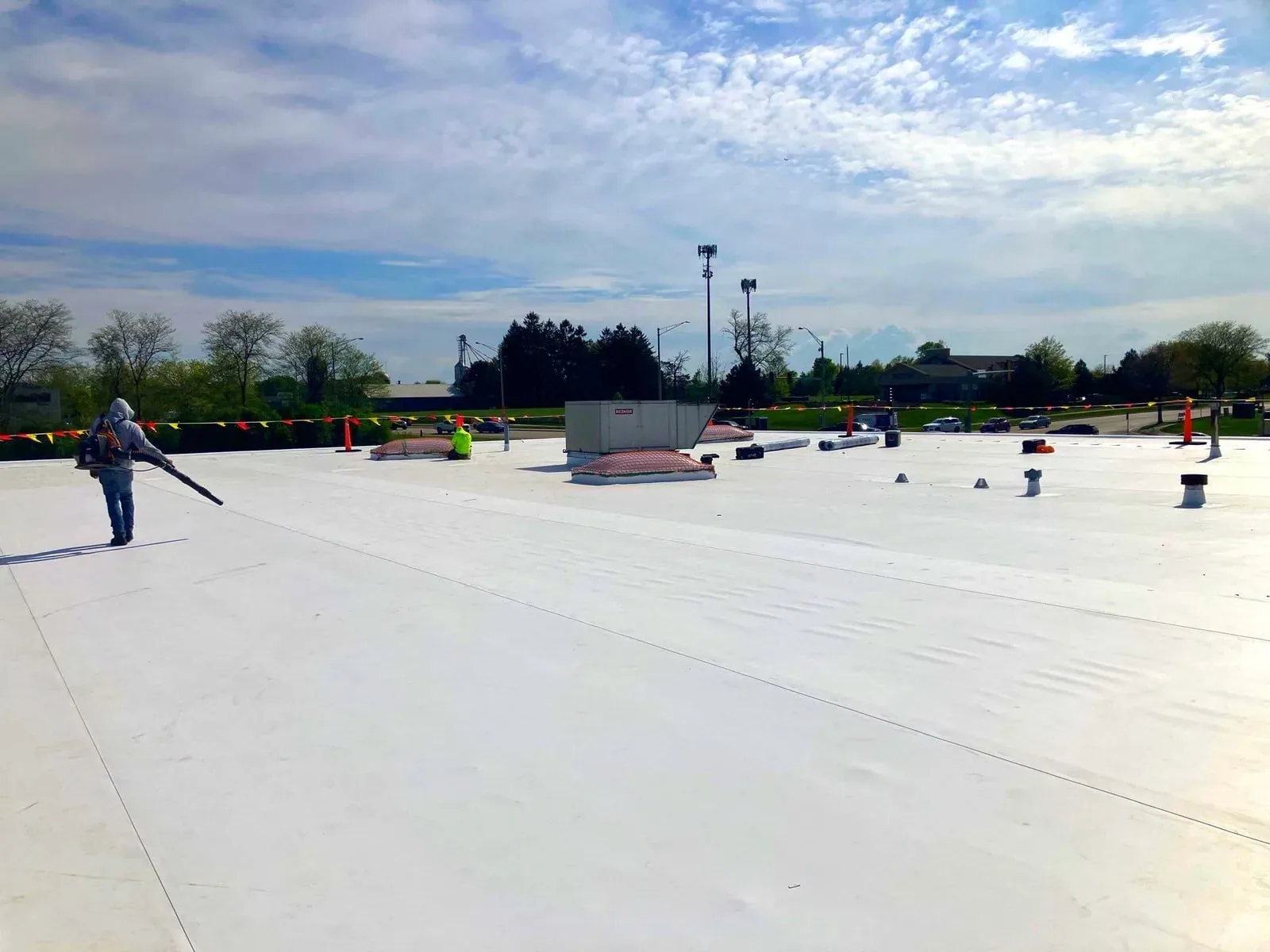
On a broad low-slope roof, TPO can provide long field runs with welded laps. EPDM may suit a different building or reroof plan where its attachment and seam approach fit the assembly. The TPO system and EPDM membrane should be compared with the deck, insulation and edge details included. No membrane can fix a weak substrate underneath it.
Insulation is part of the system. ISOGARD polyiso may be used as part of a roof assembly when its thickness and attachment fit the design. We check the existing board, deck and drainage, then define how insulation and cover board tie into perimeter metal, curbs and drains. The Carlisle SynTec options and GAF commercial systems can be compared in the same way, based on the roof rather than a brand ranking.
Find the Layer That Failed
A leak at a ceiling tile may travel along the deck before it appears indoors. We trace the route from the interior mark to a drain, seam, curb or wall termination. On the roof, we probe laps and inspect penetrations; under the membrane, a moisture meter, infrared survey or core sample can show whether insulation is wet. We map the test results before opening a larger area.
Wet insulation changes both the repair boundary and the material count. Leaving it beneath a new sheet traps the problem and can reduce the strength of the assembly. We identify the extent of moisture, remove damaged layers where needed, and repair the deck before installing new board and membrane. A written roof inspection records photos, locations and recommended work so the owner can follow the reasoning.
For a limited puncture or failed flashing, a targeted repair may preserve the surrounding roof. When seams, attachment or insulation have failed across many areas, a replacement scope may be more reliable. Our replacement plan shows the tear-off limits and the new roof build-up instead of hiding those decisions in one line.
Check Every Transition
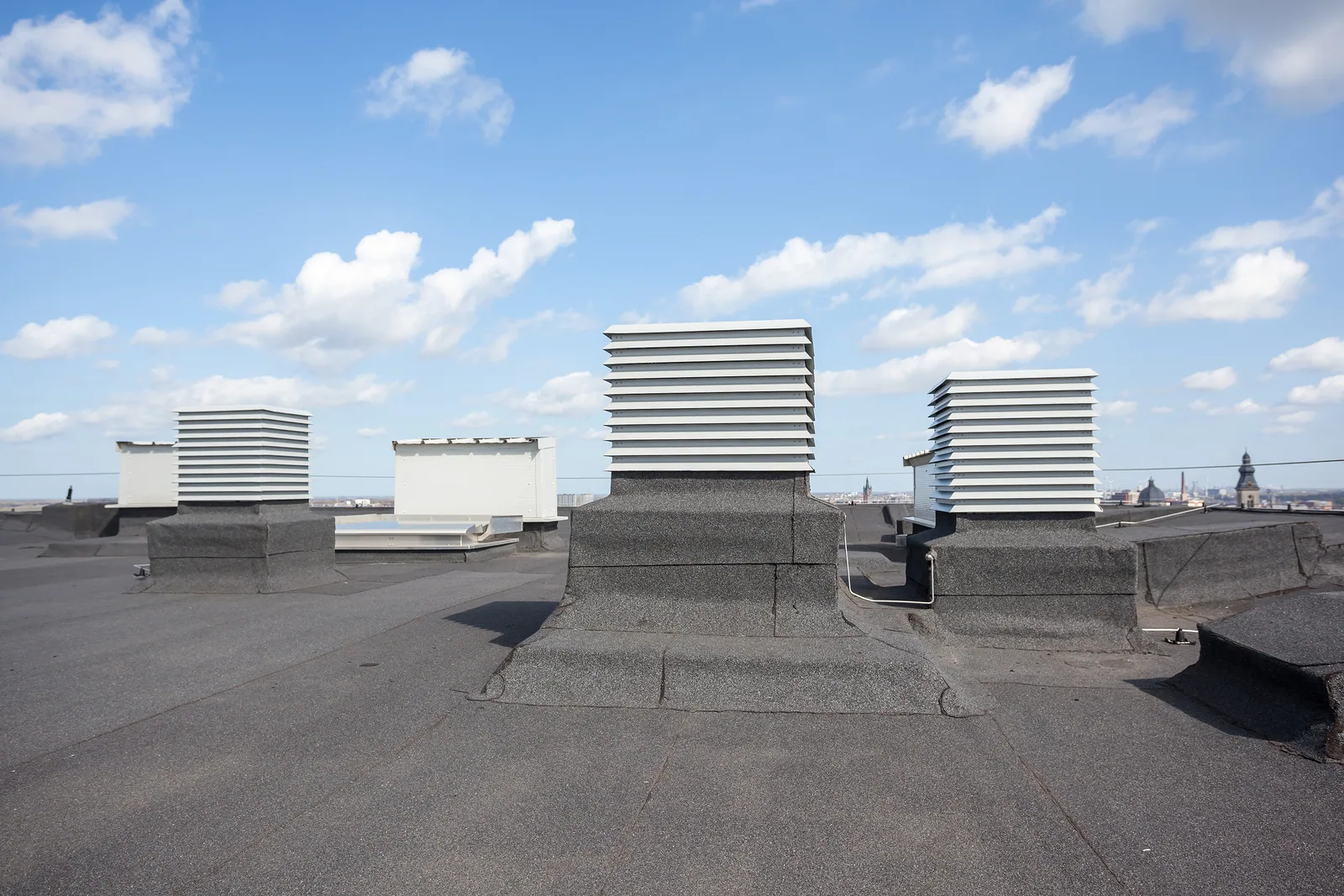
Field membrane is only one part of the roof. Water can enter where a sheet ends at a parapet, where a pipe passes through, or where a curb meets the membrane. We inspect termination bars, counterflashing, boots, drain bowls and edge metal. A curb that is too low can leave little room for a durable flashing, and a moving unit can pull at its perimeter.
At manufacturing and distribution buildings in the Wichita Falls Business Park, equipment service routes can cross large roof areas. We note walk paths and support pads, since repeated foot traffic can wear a membrane or loosen a detail. Where an old curb remains after equipment removal, we check that it is properly closed rather than relying on sealant. A local Business Park roof review includes those roof-use details as part of the scope.
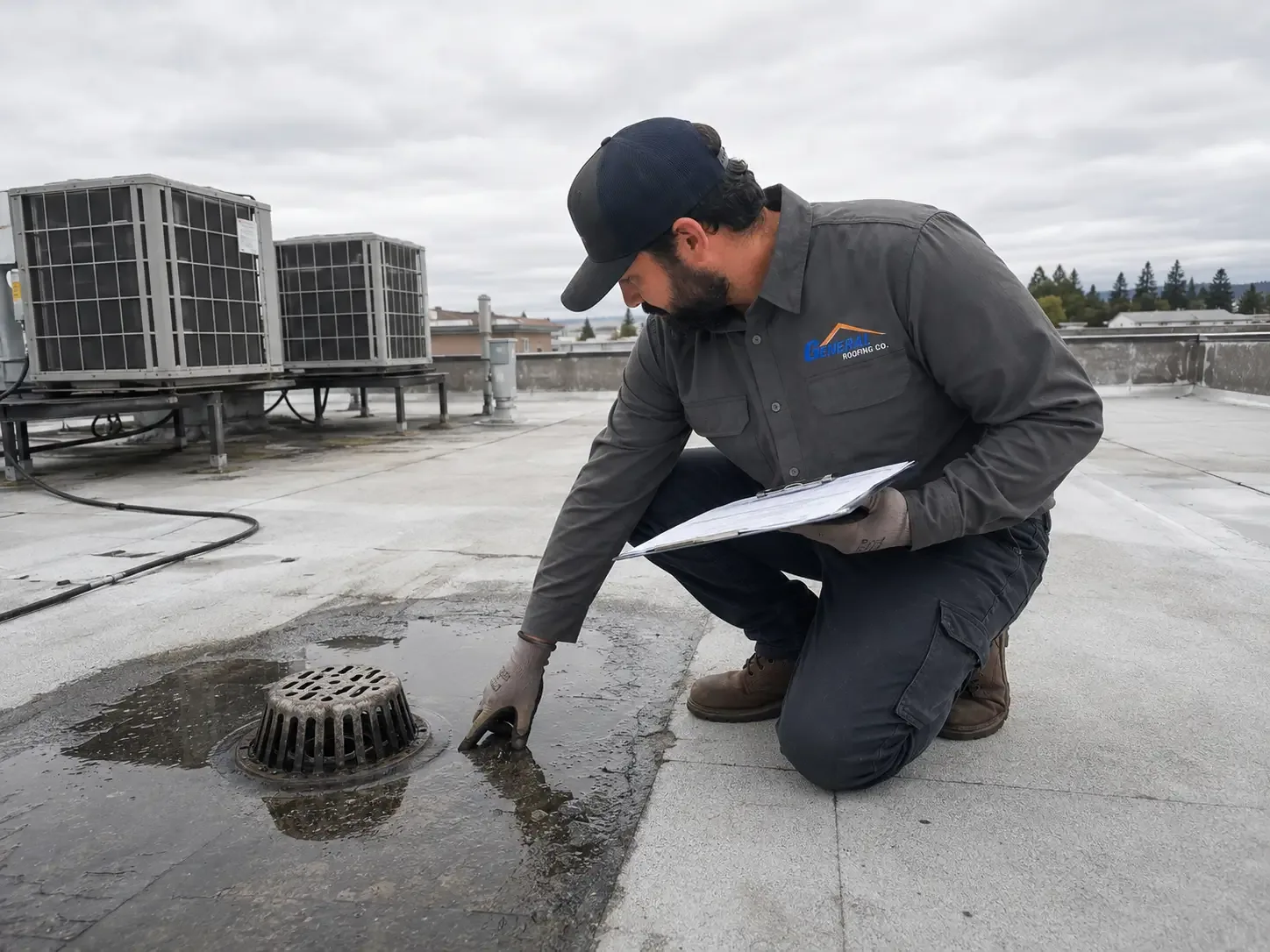
Drainage deserves its own pass. We clear debris, inspect the bowl and sump, and see whether water reaches the outlet. Persistent ponding can stress seams and shorten the time available for a repair. If a drain is blocked or poorly set, we correct that condition with the membrane work so the new assembly does not inherit the same water path.
Plan for Heat and Storm Work
Heat comes first in the schedule, with roughly 28 days a year at 100 degrees and a 2011 count of 100 such days. Those figures do not tell us whether an individual roof is damaged. They do make heat part of the installation plan. We watch membrane temperature, protect rolls and adhesive, and adjust welding or bonding work so seams receive a consistent installation.
Storm work begins with the present roof, not a historical assumption. The 1979 tornado hit the southern and eastern sides of Wichita Falls and destroyed over one hundred commercial businesses. Following a current wind event we inspect perimeter attachment, corner details, metal edges and equipment supports. After hail, we look for bruises, punctures and damage to the insulation below. Each finding is photographed and located on the plan.
When water is entering, our emergency crew is available around the clock; it secures the roof where conditions allow, tags any temporary measure and comes back for the permanent work. In an occupied facility, we coordinate roof access and interior protection with the manager so an urgent repair does not block a loading or service route.
Set the Work Sequence
Repair, recover and replacement each solve a different problem. A small cut or isolated flashing failure can be repaired when the surrounding membrane is sound. A recover is possible only when existing layers, deck, drainage and assembly requirements support another system. Broad wet insulation, loose attachment or deteriorated deck calls for removal and rebuilding the affected areas.
The scope lists tear-off, insulation, cover board, perimeter metal, curbs, drains and access work separately. These items drive material use and labor. We also show how the crew will divide the roof, keep exposed sections watertight at shift end, and protect the building if weather interrupts. That level of detail helps a facility manager compare the immediate repair with a capital replacement.
Along the Midwestern Parkway Retail Corridor, store hours shape access. We coordinate lifts, noise and deliveries, then sequence roof sections around entrances and equipment.
Keep a Roof Record
At closeout, photographs should show the substrate, insulation, new membrane, seams and flashings before they disappear from view. We locate repairs on the roof plan and note any condition that remains for a future visit. This gives the next facility manager a baseline and reduces guesswork when a stain appears months later.
Routine care means keeping drains clear, removing loose debris, checking edges and watching new penetrations. HVAC and electrical crews should have a route and know where the membrane is vulnerable. A maintenance inspection can identify a loose boot or opening seam while the repair is still limited.
Give us the roof age, the building use and the leak dates, and we will walk the assembly, test uncertain areas and explain the next layer up before recommending a Holcim Elevate repair or replacement.
Commercial Roofing Questions
Can RubberGard EPDM be covered with TPO?
We first identify every existing layer and test for moisture. Compatibility, attachment and drainage determine whether a new assembly can go over the roof or whether removal is needed.
What does ISOGARD polyiso do in a roof system?
It is insulation within the assembly. Thickness and attachment affect the roof build-up, so we check the deck, slope and system design before specifying board.
How do you repair a failed TPO seam?
We clean and prepare the area, then use compatible membrane and heat to create a welded patch. The repair is probed after cooling, with the adjacent flashing checked as well.
Can you keep our facility operating during replacement?
We stage the work by roof section and coordinate lifts, access and dry-in with the facility contact. The exact sequence follows the building schedule and roof condition.
What should I provide for a roof review?
Send the roof age, use, leak dates and prior repair notes. Roof plans and access instructions help us focus the first inspection.