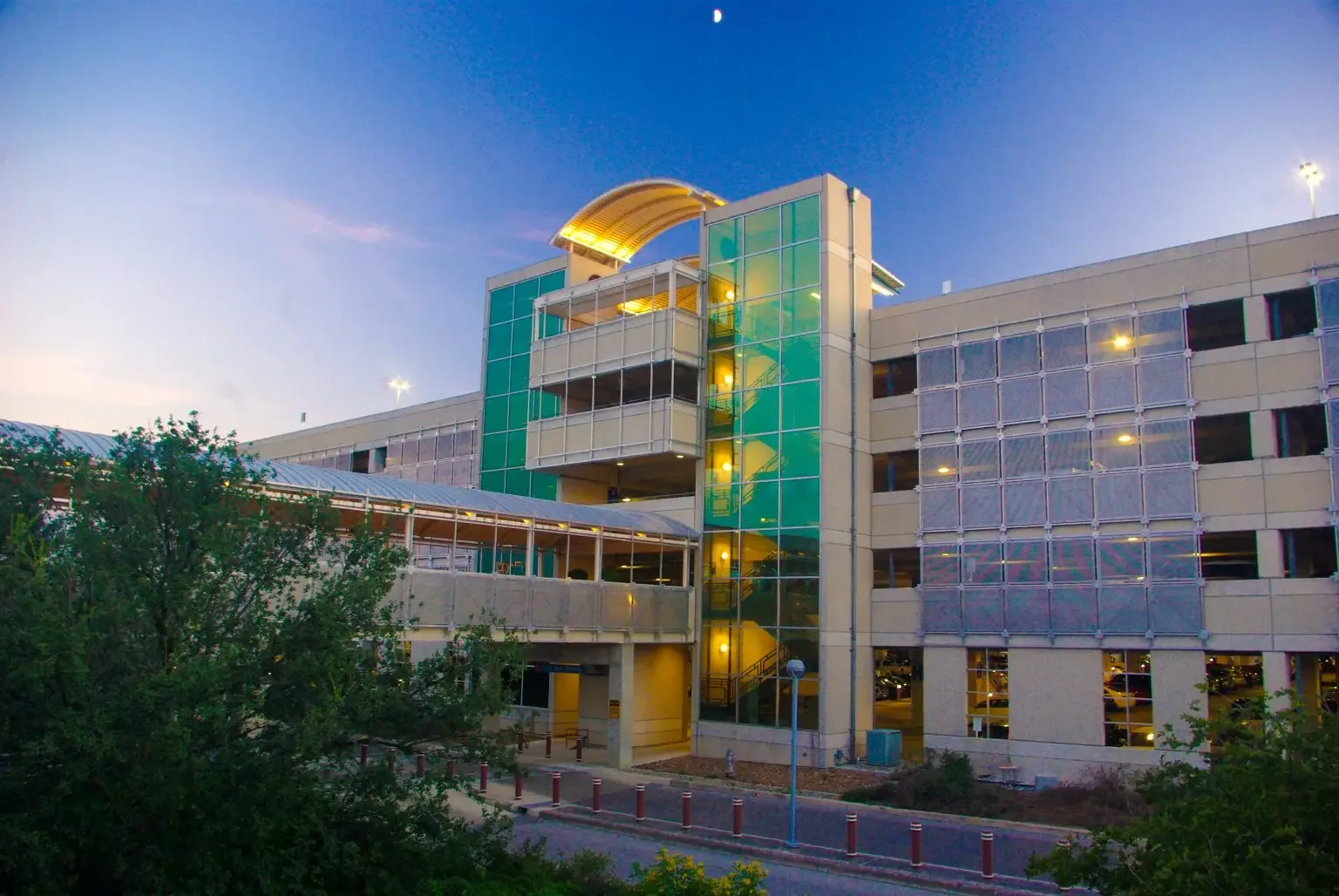
The roof is the trade that decides whether everyone else can work inside. Drywall, flooring, controls and finish carpentry all wait for a dry building, so a general contractor needs a roofer who treats the dry-in date as a hard line. That is the first thing to agree on. Everything else, from submittals to flashing details, follows from it.
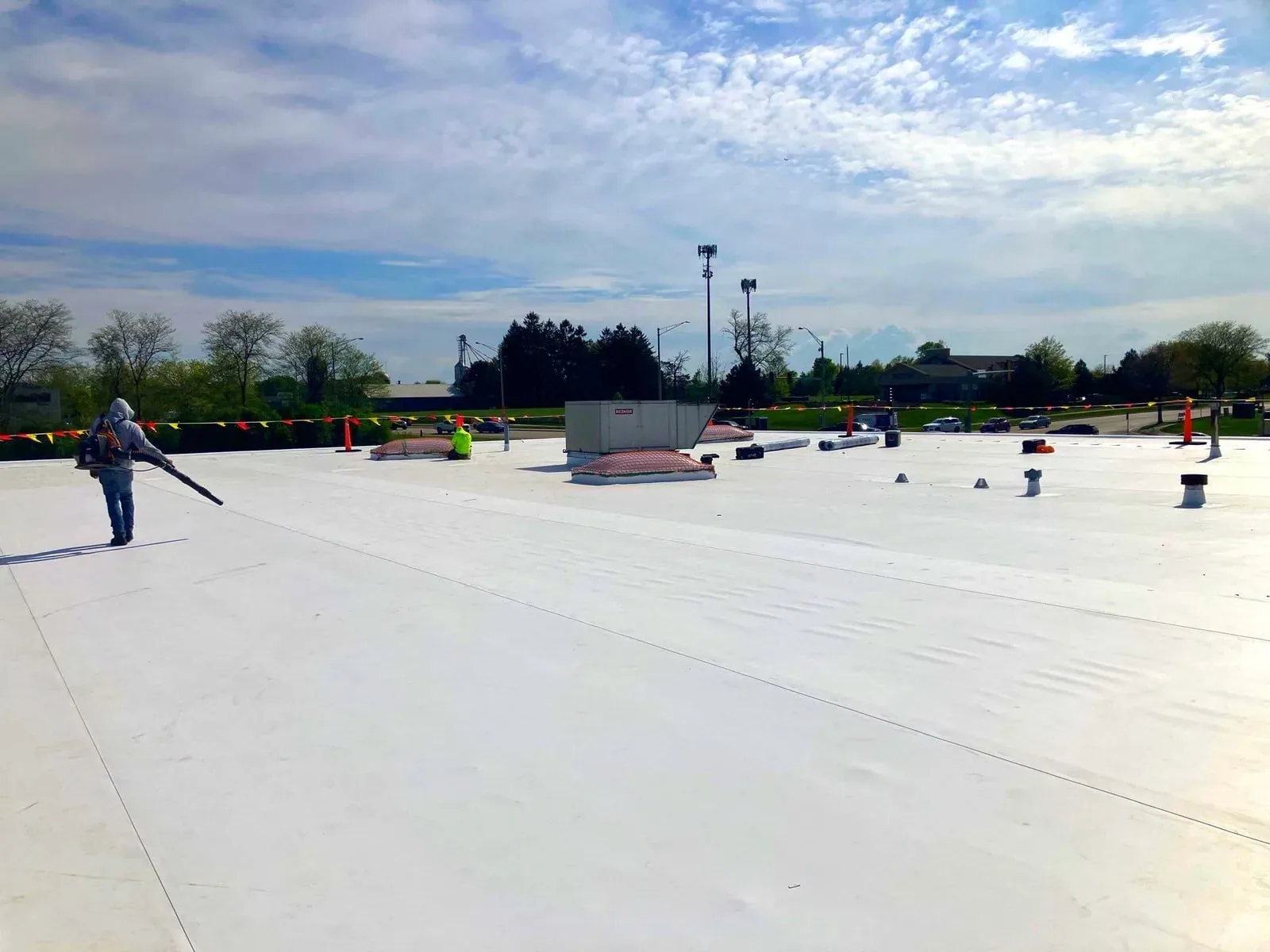
We work as a roofing subcontractor on new construction, additions and re-roofs in Wichita Falls, TX. We install and repair low-slope and metal systems, we coordinate with the other trades that cut through the roof, and we report progress to the superintendent every day, from preconstruction through closeout.
Start in preconstruction
The cheapest roof change happens on paper. Before a bid, we look at the roof plan, the deck, the insulation and the penetration list, and we flag anything that will cause trouble: drains too close to a wall, curbs that crowd each other, a parapet that will not take the flashing as drawn. A small drawing change at this stage avoids a field fix later.
We also ask about lead times. Membranes, insulation and metal edge components can take time to arrive, and a roof that is bid in a hurry is often late. We give the project team a delivery schedule, name any long-lead items, and confirm the sequence with the superintendent so crews, cranes and staging do not collide.
System choice belongs in this conversation too. A low-slope roof can be TPO, PVC or a modified bitumen build, and each has different seaming, flashing and warranty steps. We walk the architect and owner through the tradeoffs in plain terms, so the specification reflects what will happen on the roof and the owner knows what upkeep to expect.
Submittals are part of the same discipline. We prepare product data, shop drawings for edge metal and a sample of the proposed assembly early, so the architect's review does not become the thing that holds up the roof start.
Where trades meet the roof
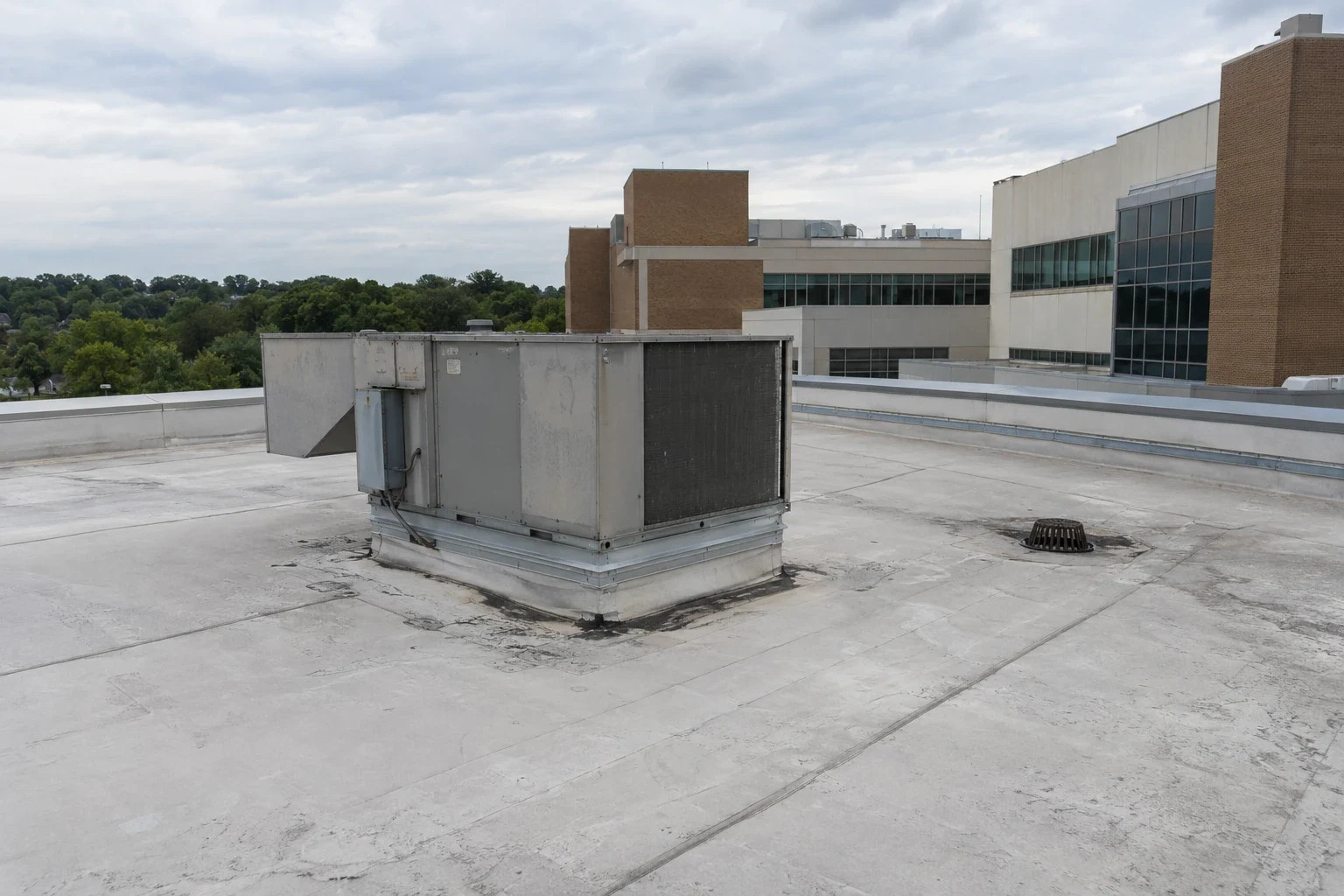
Look at every place something passes through the roof. Mechanical contractors set units and run lines, electricians run conduit, plumbers set vents and drains, and a signage or solar crew may add mounts later. Each of those trades touches the membrane, and each crossing is a possible leak. We agree on who sets curbs, who flashes them and in what order, so nothing is cut after the roof is finished without a plan.
After the roof is in, we recommend a simple rule: nobody puts a foot or a tool on the membrane without a walk path or a pad. When a later trade does need access, a short notice to us lets us inspect and repair any damage before it becomes a warranty argument. That habit protects the owner, the general contractor and the roof.
Inspection at turnover closes the loop. Before the final walk, we examine every penetration, curb and drain for sealant, fastener and flashing completeness, and we photograph the roof as it was handed over. If a later trade damages something, those photos show the starting condition, and nobody has to argue about it.
Projects that shape local demand
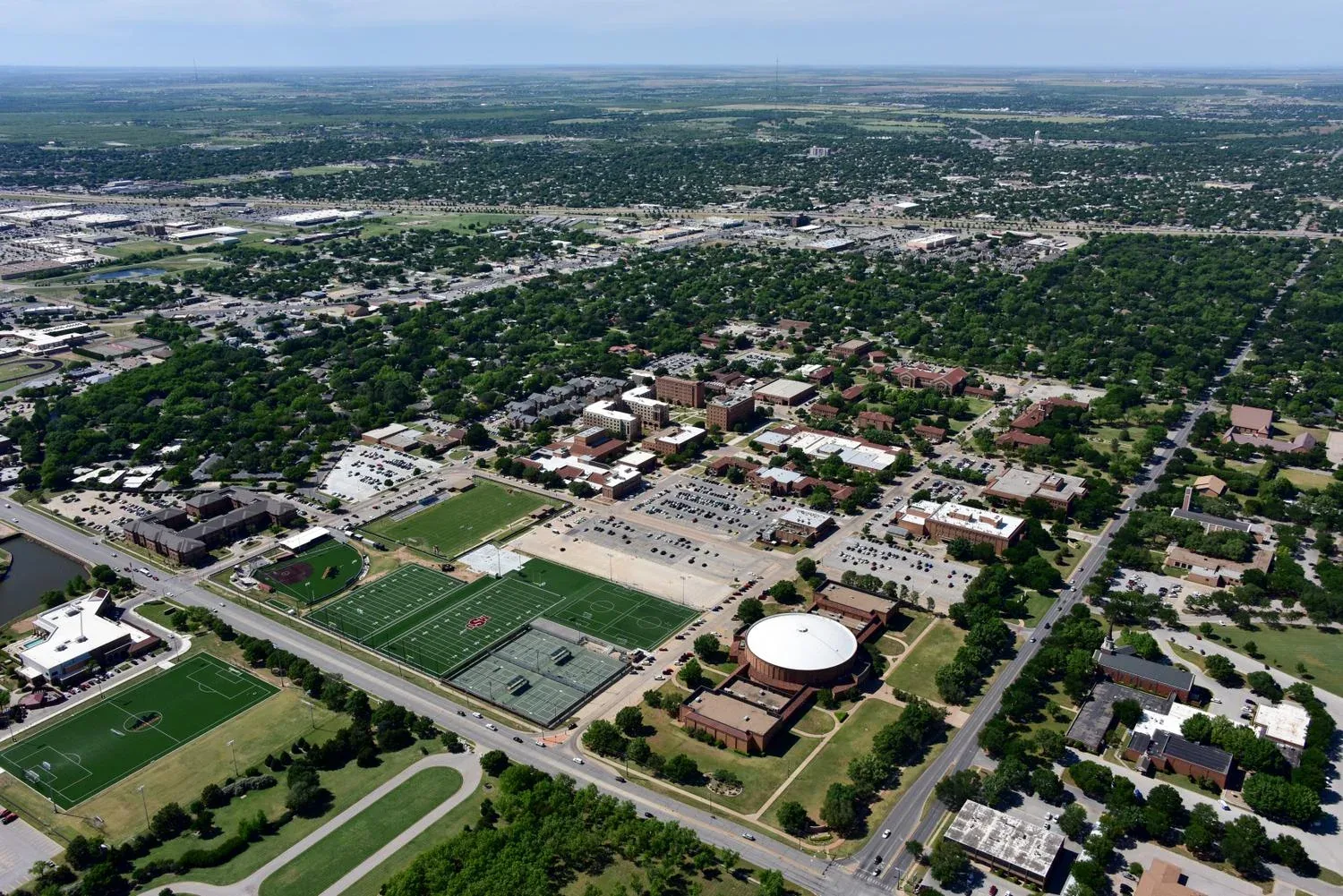
Wichita Falls has several large projects in view. A $425 million state appropriation from 2023 pays for a new hospital building at the North Texas State Hospital campus, set behind the older structures, and Midwestern State University opened Centennial Hall in 2019 and finished the Bridwell Activities Center in 2022. The city has also discussed open-air retail and a new university stadium on the Sikes Senter property on Midwestern Parkway.
Work like that puts roofs, tie-ins and phased openings on a general contractor's desk. A campus build next to older buildings means new roofs beside aging ones, and a clean junction between them. On a campus such as the one off Taft Boulevard, where new roofs meet buildings in daily use, the junction detail gets drawn before the crew arrives.
A hospital build brings its own demands. Roof penetrations, rooftop equipment and strict infection-control rules shape the sequence, and the finish date is rarely flexible. Those constraints are standard on hospital roofs, and we raise them at the first coordination meeting instead of in the field.
Weather risk on a schedule
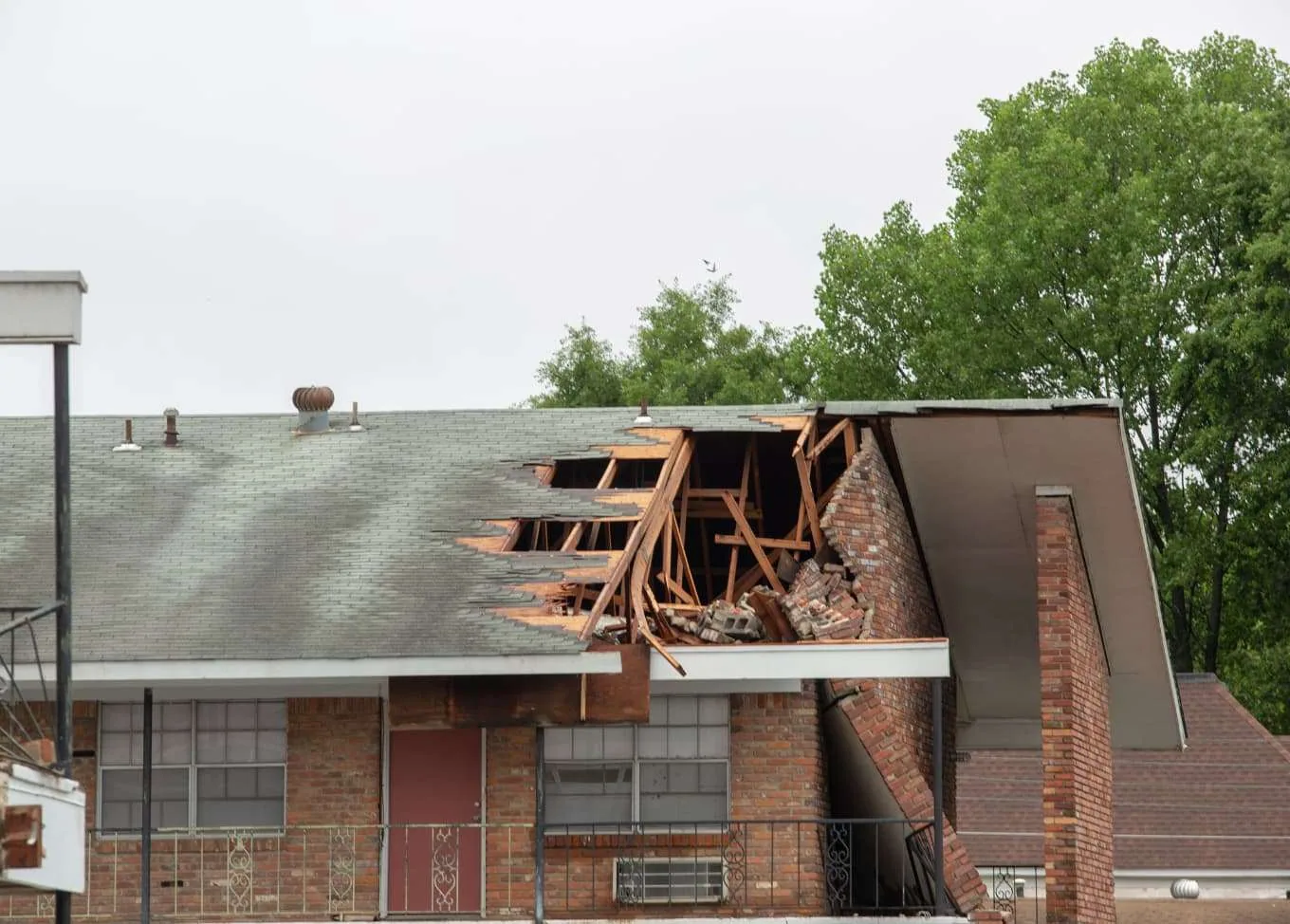
Weather is a schedule risk here. A typical Wichita Falls summer brings roughly four weeks of 100-degree afternoons, and that heat affects adhesives, hot-work windows and crew pacing. Hail and tornado season add sudden stops, since the area has a long record of both. The 1979 tornado took roughly half an hour to cross the southern and eastern parts of the city, and in April 1991 hail the size of baseballs hit both Burkburnett and Iowa Park.
For a project, that means a dry-in plan with tarps and temporary tie-ins on the shelf, and a forecast check every afternoon. Open roof areas are kept small. If a storm damages a roof in progress, we document the damage the same day, and our storm damage repair crews can return to restore it. That record also helps the builder's risk carrier understand what happened.
Heat shapes the crew day. In the hottest weeks we start early, stage material in shade and watch adhesive and membrane temperatures, since a material that is too hot or too cold bonds poorly. These small steps keep the seams tight and the schedule intact.
Closeout without a fight
A roof is closed out with paper as much as with membrane. We provide as-built details, product data, photos and the maintenance expectations the owner needs. Punch items are written plainly and fixed quickly, and we confirm the final inspection against the specification before anyone leaves.
The same crew can return for repair work after turnover, whether the project is a plant, a school or a clinic. For public property or school campuses, a warranty question is simpler when the installing roofer is a call away. We also take direct calls from builders on commercial roof repair when a finished building leaks.
When a project involves an occupied building, we also bring a plan for tenants. Occupied building reroofing needs notice, protection and clear daily cleanup, and the general contractor should see that plan before the first day, not after the first complaint.
Commercial Roofing Questions
What should a general contractor send for a roofing bid?
The roof plan, details, specification section, deck type, penetration list and schedule. Add any known lead-time limits and crane or staging access. With those, we can give a price and a delivery sequence.
Who flashes a mechanical curb, the roofer or the mechanical trade?
The curb is set by one trade and flashed by the roofer. Agreeing on that before the units arrive avoids delay, and we put the sequence in writing for the project team.
Can you tie a new roof into an existing building in use?
We plan tie-ins as a standard part of the scope. We plan the junction, protect occupied space below, and phase the work to keep the old roof dry while the new one goes in. Details at the tie-in are drawn before the first day.
What happens if rain stops the work mid-roof?
The open area is sealed and tied in that day. We keep sections small, check the forecast each afternoon and carry materials for a temporary dry-in so the interior trades are not exposed.
Do you handle roof repair after the builder leaves the job?
Leak calls from builders and owners get the same response as our own work: we document the cause and fix it. If the cause is a later trade, the photos and notes make that clear.